The 24-Hour Carcass Pass-Through Exception
Bringing a harvested deer home after a successful hunt can be fraught with anxiety, especially when you're crossing county lines or even state borders. Many hunters worry about running afoul of strict regulations designed to combat wildlife diseases. This guide will meticulously break down Maryland's 24-hour carcass pass-through exception, helping you understand precisely when and how you can transport your deer legally without unnecessary stress.
Understanding Maryland's CWD Management Areas and Carcass Rules
For years, the threat of Chronic Wasting Disease (CWD) has loomed large over deer populations across North America, and Maryland is no exception. This isn't just a regulatory hurdle; it's a serious concern for the long-term health of our deer and elk herds. Hunters, often at the forefront of wildlife conservation, play a critical role in preventing its spread. But let's be honest, trying to keep up with all the specific rules and regulations can feel like a full-time job.
The Core Challenge of CWD and Carcass Restrictions
Chronic Wasting Disease is a fatal neurological disease affecting cervids (deer, elk, moose, and reindeer). It's caused by abnormal proteins called prions, and unfortunately, there's no vaccine or cure. The real kicker for hunters is that CWD prions can persist in the environment for years, and they're found in various parts of an infected animal, including the brain, spinal cord, lymph nodes, and spleen. This is precisely why wildlife agencies, including the Maryland Department of Natural Resources (DNR), implement carcass transportation restrictions. They're trying to prevent hunters from unknowingly spreading infected tissues into new areas, where those prions could then contaminate the soil or be ingested by other deer.
Imagine you've just taken down a beautiful buck in a CWD-positive area, and you're excited to get it home. But then the questions start swirling: Can I take the whole deer? Do I need to bone it out right here? What if I'm just passing through? It's a legitimate source of stress, especially after the hard work of the hunt. The rules aren't designed to make your life harder, but to protect the broader deer herd, which ultimately benefits all of us who love to hunt. These regulations are a direct response to the very real and devastating impact CWD can have. For a broader understanding of how the state is dealing with various wildlife health issues, you might want to look into Maryland's Deer Disease Watch List.
Designated CWD Management Areas in Maryland
Maryland has specific areas designated as CWD Management Areas (CWDMA) where these carcass restrictions are most stringent. As of my last check, the primary counties affected include Allegany, Carroll, Frederick, Garrett, Montgomery, and Washington Counties, especially in Western Maryland. These are areas where CWD has been detected in wild deer populations, making them hotbeds for concern. If you harvest a deer in one of these counties, you absolutely need to be aware of the special rules that apply. The DNR maintains an up-to-date list and maps on their website, and it's always the first place to check before you head out. Don't rely on last year's information or hearsay from a buddy; those boundaries can and do shift.
The implications for hunters in these CMAs are significant. Typically, hunters are advised to remove high-risk tissues from harvested deer before leaving the CWDMA. This usually means boning out the meat, removing the skull plate with antlers (clean of brain matter), and leaving the spinal column, head, and other high-risk parts within the CWDMA. This can be a challenge, especially if you're hunting public land or don't have immediate access to processing facilities. However, there's a vital exception, which we'll dive into next, that offers a bit of flexibility for those just passing through. It's all part of the larger effort detailed in the Maryland's CWD Management Area Rules.
Navigating the 24-Hour Pass-Through Exception
Here's where the Maryland DNR tries to offer a practical solution for hunters who aren't stopping to process their deer within a CWD management area, but merely traveling through it. This exception is a lifeline for many, but it comes with strict conditions that must be followed to the letter. Don't assume anything; understanding the specifics is key to avoiding an unwelcome interaction with a Natural Resources Police officer.
What the Exception Entails for Hunters
The 24-hour pass-through exception allows a hunter to transport a whole or partial deer carcass harvested in a CWD-positive state or county through Maryland's CWD Management Area (or even into the state from another state with CWD) without processing it down to the low-risk components if they meet specific criteria. The core idea is that you're just driving through, not stopping to butcher, dump waste, or otherwise pose a risk of spreading CWD prions.
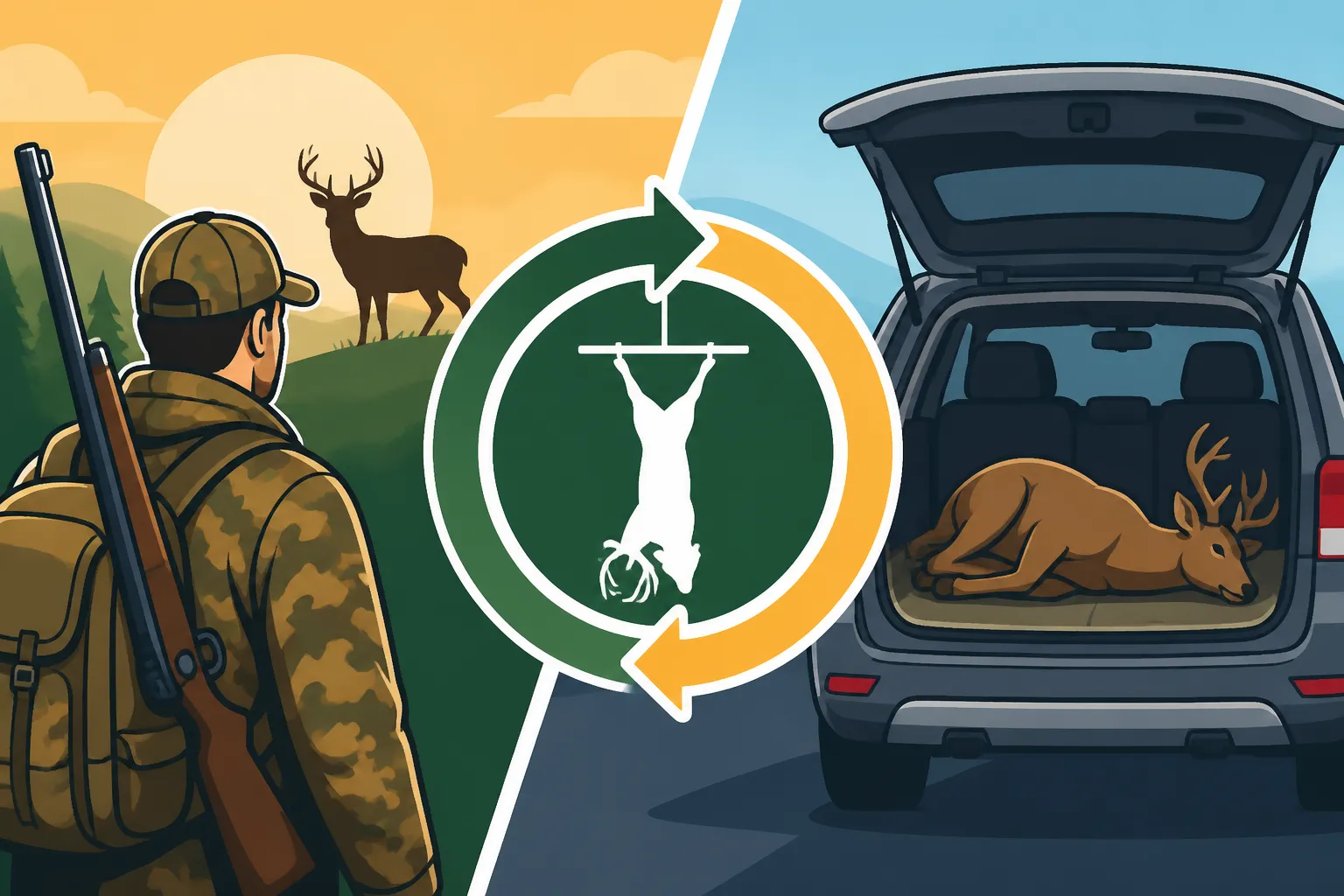
Specifically, the exception states that a deer carcass, including the high-risk parts, may be transported through a Maryland CWDMA without being processed, provided the hunter does so within 24 hours of harvest and is not stopping within the CWDMA for any purpose other than essential travel (like gas or food, but not processing). This rule is primarily designed for hunters who might be hunting in, say, Pennsylvania or West Virginia (states with CWD) and need to drive their deer home through Maryland, or for Maryland hunters who harvested a deer in a CWD county and need to get it to a processor in a non-CWD county. The clock starts ticking the moment that deer hits the ground, so timing is crucial. The intent is clear: minimize the time high-risk tissues spend in transit through sensitive areas.
This exception is a testament to the DNR's understanding that sometimes, practicality needs to be balanced with disease prevention. It's not a loophole for lazy hunters; it's a carefully considered allowance for direct, uninterrupted travel. For those considering hunting elsewhere and bringing a deer back, understanding the specifics of Bringing a Deer Carcass Into Maryland is absolutely critical.
Practical Steps for Utilizing the Pass-Through Rule
So, how do you make sure you're compliant when using this 24-hour pass-through exception? It boils down to preparation, clear documentation, and smart travel.
First and foremost, documentation is non-negotiable. You must be able to prove when and where the deer was harvested. This means having your valid hunting license, your harvest record with the deer properly checked in (or the confirmation number from the phone/app registration system), and ideally, a clear time stamp of the harvest. If you're coming from another state, ensure you have proof of legal harvest from that state, which would typically be their equivalent of a tag and registration. Registering a Maryland Deer by Phone or App is a standard practice and crucial for verifying your harvest details.
Second, plan your route meticulously. Use navigation apps like GoHunt or Google Maps to plot a direct course from your harvest location to your final destination, avoiding unnecessary stops within the CWDMA. Remember, the exception is for pass-through travel, not a leisurely tour with a deer carcass on your truck. If you need to stop for gas or a quick bite, do so quickly and keep the carcass secured and out of public view if possible. The spirit of the law is to get that carcass out of the CWDMA as quickly and directly as possible.
Third, ensure proper containment of the carcass. While the exception allows for the whole carcass, it's always a good idea to transport it in a way that minimizes potential contamination. A large tarp or game bag is excellent for this. Secure the carcass in the bed of your truck or trailer to prevent it from shifting or shedding any biological material during transit. This not only keeps you compliant but also shows respect for the resource and the environment. Consider carrying extra tarps, gloves, and maybe even some disinfectant wipes, especially if you plan to unload and process immediately upon arrival.
Key Considerations and Best Practices for Hunters
Even with the pass-through exception, hunting in CWD-affected areas demands extra diligence. It's not just about following the letter of the law, but adopting best practices that contribute to the health of Maryland's deer herd. A little forethought goes a long way in preventing headaches and protecting our natural resources.
Avoiding Common Pitfalls and Ensuring Compliance
One of the biggest pitfalls is simply not being aware of current CWDMA boundaries. These can change year to year based on new detections. Always check the Maryland DNR website for the latest maps and regulations before you hunt. A quick check on your GoHunt app or a call to the local DNR office can save you a lot of trouble. Another common mistake is miscalculating the 24-hour window. Time flies when you're dragging a deer, celebrating, and packing up camp. Make sure you account for travel time and any unexpected delays. Set an alarm on your phone if you need to; that clock starts ticking!
Lack of proper documentation is another huge red flag. An NRP officer can and will ask for proof of harvest, time, and location. Don't be caught without it. Keep your license and registration easily accessible, preferably in a waterproof bag. Finally, making unnecessary stops or delaying travel within the CWDMA can nullify the exception. If your destination is 30 minutes outside the CWDMA, but you spend 5 hours socializing at a friend's house inside the CWDMA, you're likely in violation.
The consequences of non-compliance can range from warnings and fines to confiscation of the deer, and nobody wants that. It's far better to be overly cautious than to face legal repercussions. Staying informed about regulations, especially those like Maryland's Deer Bag Limits and Antler Rule, ensures you're always hunting legally and responsibly.
Planning Your Hunt and Carcass Transport Proactively
Proactive planning is your best defense against CWD-related complications. Before you even head out to the woods, take some time to map out your entire hunt, from scouting to processing.
Pre-hunt preparation:
- Identify your hunting zone: Is it within a CWDMA? If so, immediately review the specific carcass rules for that area.
- Plan your exit strategy: Know where you'll transport your deer and what processing facilities are available outside the CWDMA, if applicable.
- Utilize mapping tools: Apps like GoHunt are invaluable for identifying property lines, CWDMA boundaries, and even potential routes for efficient travel. This can also help you with Scouting Maryland Public Land Before Season effectively.
- Communicate with your hunting party: Make sure everyone in your group understands the CWD rules and the 24-hour exception. A unified approach is safer for everyone.
Carcass management options:
If you harvest a deer in a CWDMA and cannot utilize the 24-hour pass-through exception, or if you prefer to be extra cautious, here are your typical options:
- On-site deboning: Remove all meat from the bone, leaving the skeletal structure and high-risk tissues at the harvest site or in an approved landfill within the CWDMA.
- Commercial processor: Take the deer directly to a DNR-approved processor within the CWDMA that can handle the high-risk waste according to regulations.
- Caping and skull plate removal: If you want to keep the antlers, you can cape the head and remove the skull plate, ensuring no brain or spinal tissue remains attached. The rest of the head would need to be left in the CWDMA.
It's also worth noting that knowing about Maryland's Legal Weapons by County can influence your hunting choices, but CWD regulations apply regardless of weapon. Ultimately, being a responsible hunter means not just abiding by the rules, but understanding the why behind them. By taking these precautions, you're doing your part to protect Maryland's deer for future generations.
| CWD Management Area (CWDMA) Counties | Key Carcass Rules | 24-Hour Pass-Through Exception |
|---|---|---|
| Allegany, Carroll, Frederick, Garrett, Montgomery, Washington | High-risk parts (brain, spinal cord, spleen, lymph nodes) must be left in CWDMA. | Yes, for whole/partial carcass transit through CWDMA within 24 hours of harvest. |
| Debone meat, skull plate with clean antlers, or approved processor in CWDMA. | Must have proof of harvest (license, registration, time/location). | |
| No unnecessary stops or processing within CWDMA. | ||
| Applies to deer harvested in MD CWDMA or CWD-positive out-of-state areas. |
Disclaimer
Please remember that hunting regulations, especially those concerning disease management, can change. Always consult the most current Maryland Department of Natural Resources (DNR) regulations and guidelines before planning your hunt. This guide is for informational purposes only and should not be considered legal advice.