Bringing a Deer Carcass Into Maryland
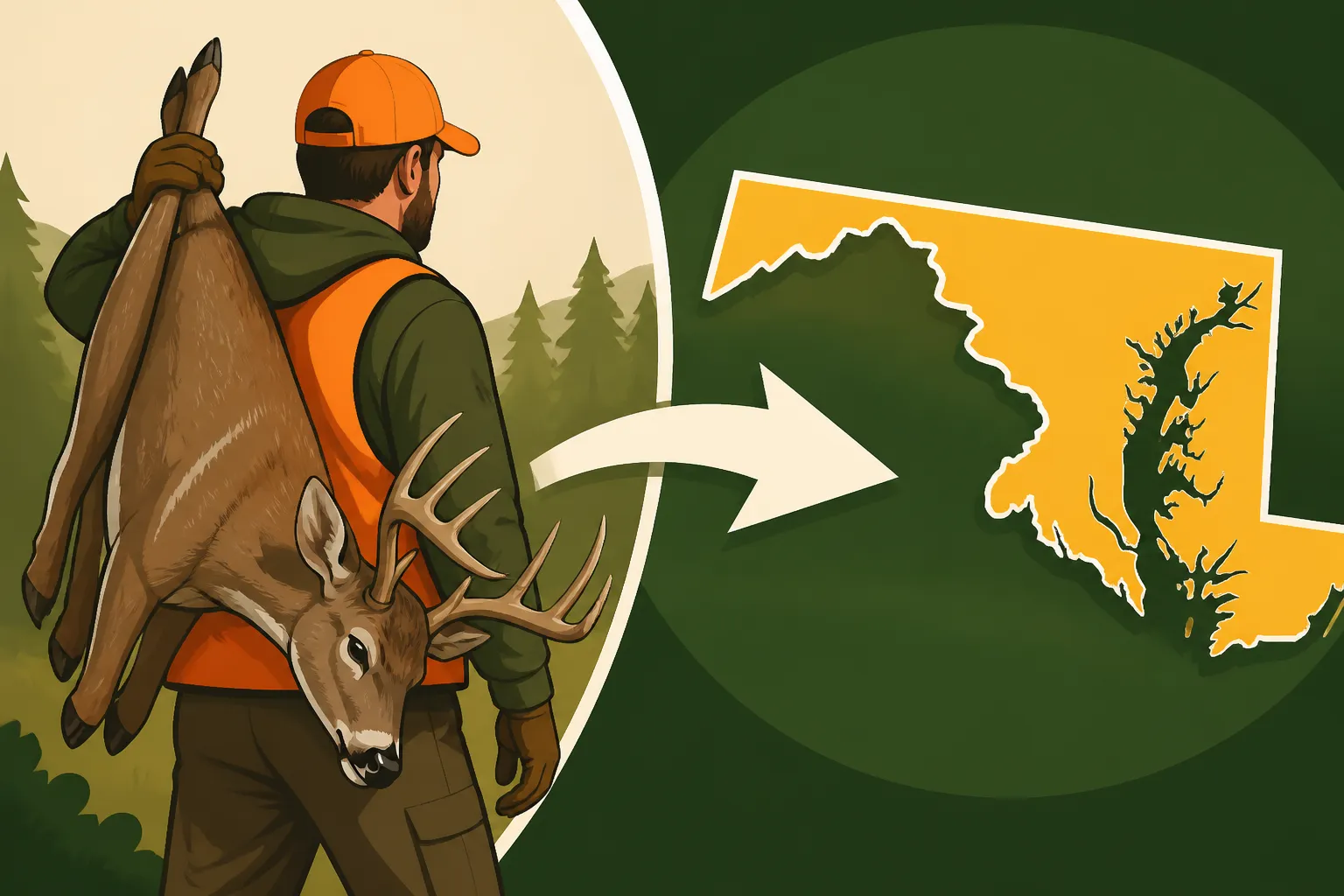
There’s nothing quite like the thrill of a successful out-of-state deer hunt. You’ve put in the scouting, braved the elements, and finally tagged that magnificent buck or doe. But as you pack up and head for home, a nagging thought creeps in: what are the rules for bringing this deer back into Maryland? It's a common frustration, and one that many hunters face. This guide will walk you through Maryland’s specific regulations concerning importing deer carcasses, helping you navigate the rules and avoid potential pitfalls, ensuring your prized harvest makes it home legally and safely.
Understanding the "Why": The Threat of Chronic Wasting Disease (CWD)
Before we dive into the specifics of what you can and can't bring across the border, it's crucial to understand why these regulations exist in the first place. This isn't just about bureaucracy; it's about protecting Maryland's wild deer herds from a serious, always-fatal neurological disease called Chronic Wasting Disease (CWD).
CWD is a tricky and persistent illness that affects deer, elk, and moose. It's caused by abnormal proteins called prions, which slowly damage the animal's brain and nervous system, leading to emaciation, behavioral changes, and eventually, death. The scary part? CWD can spread through direct animal-to-animal contact, but also through contaminated soil, plants, and even water where an infected animal's bodily fluids (saliva, urine, feces) or carcass parts have been left. Once CWD takes root in an area, it's incredibly difficult, if not impossible, to eradicate. The prions can remain viable in the environment for years, posing a long-term threat.
Maryland has been diligently monitoring its deer population for CWD, and unfortunately, the disease has been detected in some counties, particularly in western Maryland. These areas are designated as a Maryland's CWD Management Area. The state's primary goal with these carcass import regulations is to prevent the introduction of new CWD strains or the further spread of the disease from other states where CWD is more prevalent. Imagine bringing back a deer from a heavily CWD-infected state, and unknowingly leaving infected carcass parts in your local woods. That's the nightmare scenario wildlife managers are trying to prevent. It's a tough balance between allowing hunters to enjoy their sport and safeguarding the health of our native wildlife.
How CWD Prions Travel and Persist
The prions that cause CWD are incredibly resilient. Unlike bacteria or viruses, they aren't easily destroyed by freezing, cooking, or even common disinfectants. This means that if an infected deer carcass is improperly handled or disposed of, those prions can contaminate the environment. Bone, brain, and spinal cord tissue are particularly high-risk materials because they concentrate the prions. That's why you'll see specific rules around these parts.
Think about it: if you process a deer in the field in another state and leave the spine or skull there, that's one thing. But if you bring the entire carcass back to Maryland and dump the bones in your backyard, or even at a local landfill that isn't equipped to handle potentially infected material, you could be unwittingly introducing prions into Maryland's ecosystem. This environmental contamination is what makes CWD such a formidable challenge, and why state agencies, like the Maryland Department of Natural Resources (DNR), take these regulations so seriously. It's not about punishing hunters; it's about shared responsibility for the health of our deer.
The Impact of CWD on Deer Populations and Hunting
While CWD is a slow-acting disease, its long-term effects on deer populations can be devastating. As infection rates climb, deer herds can experience population declines, altered age structures, and reduced overall health. For hunters, this translates to fewer deer, potentially smaller bucks, and the heartbreaking knowledge that the animals they cherish are suffering. It could also lead to more restrictive hunting regulations in the future if the disease becomes widespread.
Beyond the biological impacts, CWD creates a lot of uncertainty and anxiety for hunters. Should I eat venison from a CWD-positive area? How do I know if my deer is infected? While there's no evidence CWD can spread to humans, health agencies recommend against consuming meat from infected animals. This adds another layer of complexity to hunting in CWD-affected regions. The regulations on carcass imports are a proactive measure to try and contain this problem as much as possible, protecting both the animals and the long-term enjoyment of our hunting heritage. It’s a collective effort, and adhering to these rules is a vital part of that.
What You Can and Cannot Bring Into Maryland
Maryland’s regulations regarding deer carcass importation are designed to minimize the risk of CWD transmission while still allowing hunters to bring home their hard-earned venison. It’s a critical distinction to understand exactly which parts are allowed and which are prohibited. Misunderstanding these rules can lead to serious legal issues, or worse, inadvertently introducing CWD to a new area.
Allowed Deer Carcass Parts
When it comes to bringing your deer into Maryland from another state, the general rule is to focus on processed meat and clean, prion-free parts. Here’s what you can legally bring across the border:
- Deboned Meat: This is the safest and most widely accepted form. If you've butchered your deer and removed all bone, brain, and spinal cord material, the pure meat is generally fine. Many hunters will field-dress and then quarter their deer, deboning it at camp or a processing facility before heading home.
- Completely Clean Skull Plates/Antlers: If you want to keep the antlers, you must ensure they are completely free of all brain tissue, hide, and any other soft tissue. The skull plate (the bone where the antlers attach) needs to be cleaned thoroughly. Often, this means boiling or pressure washing to ensure no brain or spinal cord matter remains. If you're considering a European mount, this is the way to go, but make sure it's spotless.
- Cleaned Hides: Hides that are completely free of any head or spinal cord material can be brought in. This means no remnants of the skull or neck vertebrae should be attached.
- Finished Taxidermy Products: Once a mount is fully processed and dried, it poses no CWD risk and can be brought into Maryland.
- Teeth: Individual teeth, especially for aging purposes, are generally permitted as they do not contain CWD prions.
The key here is cleanliness and removal of high-risk tissues. If you’re unsure, always err on the side of more processing and cleaning. Using a comprehensive hunting app like GoHunt can sometimes help you quickly look up these regulations in the field if you're traveling.
Prohibited Deer Carcass Parts
Now, let's talk about what is strictly not allowed. These are the parts considered high-risk for carrying CWD prions:
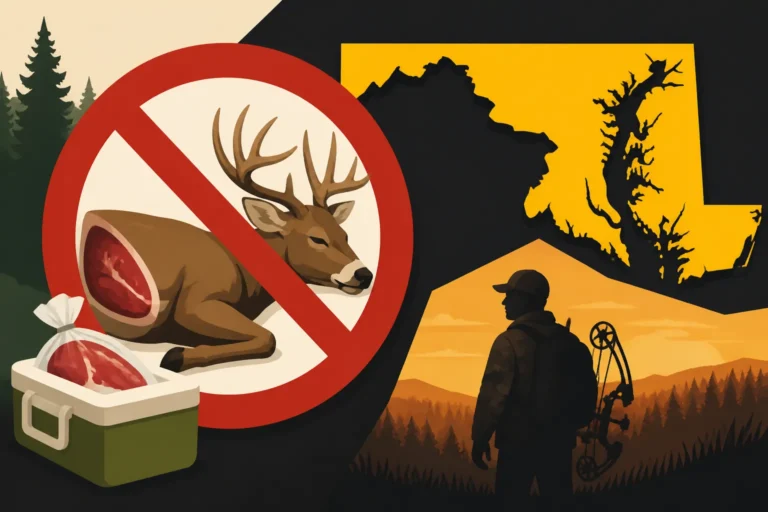
- Whole Carcasses: You cannot bring a whole, intact deer carcass into Maryland from another state. This means no whole deer, field-dressed or otherwise, can cross the state line.
- Head and Spinal Column: This includes the brain, eyes, and spinal cord, which are considered particularly high-risk tissues for CWD prions. Even if you want a shoulder mount, the skull must be completely caped out, and the brain and spinal cord removed.
- Vertebral Column: The entire backbone of the deer is prohibited due to the presence of the spinal cord.
- Lymph Nodes: These small glands are also known to accumulate prions and are therefore restricted.
- Internal Organs (except for meat attached to muscle): While some hunters may keep certain organs, it's generally best to leave them in the state where the deer was harvested, unless they are completely free of other prohibited parts and are destined for immediate consumption. For practical purposes, stick to deboned meat.
These prohibitions are in place to prevent the very sources of CWD prions from entering new areas. It's a straightforward but firm rule: if it's considered a high-risk tissue, it stays out. When you're making plans for your out-of-state hunt, factoring in carcass processing before returning is absolutely essential.
The 24-Hour Carcass Pass-Through Exception
There’s a small, very specific exception to these rules, but it’s crucial to understand its limitations: the 24-hour pass-through. If you harvest a deer in another state that allows you to transport a whole or less-processed carcass, and you are traveling through Maryland directly to another state where such carcass parts are legal, you may be allowed to pass through Maryland without stopping.
However, this exception comes with extremely strict conditions:
- No Stops: You cannot stop in Maryland for any reason other than basic necessities like gas, provided you don't unload the carcass. This means no visiting friends, no stopping at a deer processor in Maryland, and certainly no field dressing or further processing within Maryland.
- Direct Transit: Your journey through Maryland must be direct and continuous.
- Destination State Legality: The destination state must legally permit the entry of the carcass parts you are transporting.
This is a very narrow exception and should only be relied upon if you have confirmed all conditions are met for both Maryland and your final destination. For most hunters, it's far safer and less stressful to process your deer down to allowed parts before entering Maryland, especially if Maryland is your final destination. Do not rely on this exception for bringing a deer into Maryland for processing or personal consumption. It's exclusively for transit to another state.
Navigating Maryland's Carcass Import Regulations: Exceptions and Practicalities
Even with the general rules laid out, sometimes the specifics can get a little fuzzy. How do you handle a deer harvested in a state with CWD, versus one without? What about waste disposal? These practical considerations are just as important as knowing the allowed and prohibited parts.
Special Rules for CWD-Affected States
Maryland doesn't differentiate between CWD-positive and CWD-negative states when it comes to carcass import rules. The same general regulations apply regardless of where you harvested your deer. This universal approach simplifies enforcement and provides a broader layer of protection. It means you can't assume that because the state you hunted in has no reported CWD, you have more leeway with carcass parts. The risk of unknown CWD presence, or cross-contamination during transport, means Maryland maintains its strict stance across the board.
Therefore, whether you're coming back from a successful hunt in Pennsylvania, Virginia, or a state further afield, plan on adhering to the deboned meat, clean skull plate, and hide-only rule. This consistent approach removes any ambiguity and ensures the highest level of biosecurity for Maryland's deer. When you’re trying to understand all the regulations, services like GoHunt can be invaluable for cross-referencing state laws before your trip.
Proper Disposal of Prohibited Parts
This is a critical point that often gets overlooked. If you've processed your deer in the field or at a butcher outside Maryland and have prohibited parts (spine, head, etc.), you must dispose of them properly in the state where the deer was harvested. Do not bring these parts into Maryland with the intention of disposing of them here, even if it's in your trash.
Proper disposal typically involves:
- Landfills: Many states with CWD will have designated landfills that accept deer carcass waste. Check with the local wildlife agency or solid waste authority in the state you hunted for their specific recommendations.
- Burying: If allowed and practical, burying carcass parts deeply can be an option, but you need to ensure it's done in a way that scavengers can't dig it up and spread prions. Again, verify local regulations first.
- Commercial Processors: The easiest and often safest method is to use a commercial deer processor in the state where you harvested the animal. They are equipped to handle and dispose of carcass waste according to state guidelines, ensuring high-risk tissues are managed responsibly.
Bringing high-risk parts into Maryland and then attempting to dispose of them here is not only illegal but also directly undermines the state's efforts to control CWD. Be responsible and handle all waste appropriately before you even hit Maryland's borders.
The Role of Commercial Processors and Taxidermists
For many hunters, especially those traveling a significant distance, relying on professional services is the best way to ensure compliance with Maryland's import rules.
- Commercial Deer Processors: If you harvest a deer out of state, consider taking it to a reputable processor in that state. They can butcher it, debone the meat, and often vacuum-seal it for transport, making it ready for your freezer back home. They will also handle the disposal of all prohibited carcass parts according to their state's regulations. This takes the guesswork and logistical challenge off your shoulders. Make sure to communicate Maryland's specific import rules to them to ensure they process your deer accordingly.
- Taxidermists: If you plan to get a shoulder mount, take the caped-out head (with all meat and brain tissue removed from the skull plate) to a taxidermist in the state where you hunted. They can properly clean and prepare the skull and hide so that it can be legally transported back to Maryland. Alternatively, once the raw hide and skull are properly cleaned, they can often ship the caped hide and skull plate directly to your Maryland taxidermist or to you. Remember, finished taxidermy products are exempt from import restrictions.
Planning these steps before your hunt is crucial. Know your destination's rules, know Maryland's rules, and have a plan for processing and potential taxidermy. This proactive approach will save you headaches and ensure you're always on the right side of the law.
Planning Your Hunt: Pre-Trip Preparation for Out-of-State Success
A successful out-of-state hunt isn't just about finding the biggest buck; it's also about thorough preparation that extends beyond the field. When you're considering bringing a deer carcass into Maryland, proper pre-trip planning becomes absolutely critical. This isn't just about avoiding fines; it's about being a responsible hunter and protecting the integrity of Maryland's deer herd.
Researching Regulations in Advance
The absolute first step is to research the regulations of both the state you plan to hunt and Maryland. Don't assume anything. Every state has different rules regarding CWD zones, carcass transport, and disposal. A good place to start is the official wildlife agency website for both states. For example, if you're hunting in West Virginia, you'd check their DNR equivalent, and then double-check Maryland's DNR website for their specific import rules.
Things to look for when researching:
- CWD Status of the Hunting Area: Is the county you're hunting in a CWD-management zone? While Maryland's import rules are universal, knowing the CWD status of your hunting location can inform your processing decisions.
- Field Dressing Requirements: Are there specific rules about where and how you can field dress a deer in that state?
- Transport Regulations within that State: Can you transport a whole carcass across county lines within the hunting state?
- Disposal Options: Where can you legally dispose of high-risk carcass parts in the hunting state? Many hunting apps and online resources, like GoHunt, can help compile this information, making it easier to digest.
This research should happen well before you pack your bags. Ignorance of the law is never an excuse, and fines for violating carcass transport rules can be substantial. Remember, these rules are in place for a vital reason, and respecting them is part of ethical hunting.
Essential Gear for Carcass Processing
Once you understand the regulations, you'll know exactly what gear you need to bring to process your deer down to acceptable parts before you cross into Maryland. Don't rely on finding what you need once you're there.
Consider packing:
- Quality Boning Knives: A good set of sharp knives is essential for efficient deboning.
- Game Bags: To keep meat clean and protected once deboned.
- Coolers and Ice: Crucial for keeping your deboned meat cool, especially if you're processing in the field in warmer weather. Larger coolers might be needed for a whole deer quartered.
- Rubber Gloves: For hygiene and protection during processing.
- Plastic Sheeting or Tarp: To lay out for a clean work surface when deboning.
- Saw (bone saw or reciprocating saw with appropriate blade): While the goal is deboned meat, a saw might be useful for quartering or for cleaning skull plates if you plan to do that yourself.
- Heavy-Duty Trash Bags: For collecting and disposing of prohibited carcass parts in the hunting state.
Having the right tools on hand means you can efficiently process your deer and adhere to Maryland's import rules without scrambling or compromising the quality of your venison. For those interested in expanding their hunting skills, learning about Field Dressing a Deer in Warm September Weather could be a good primer, even if it's Maryland-specific, the principles of quick, clean processing apply anywhere.
Communicating with Your Guide or Outfitter
If you're booking an out-of-state guided hunt, make sure you discuss Maryland's carcass import regulations with your guide or outfitter before you arrive. They are often experts in local processing and can help facilitate compliance.
- Confirm Processing Services: Ask if they offer field processing services or if they can recommend a local, reputable processor.
- Waste Disposal: Inquire about how they handle the disposal of prohibited carcass parts.
- Taxidermy: If you plan on a mount, ask about local taxidermy services that understand how to prepare the skull plate and hide for legal transport back to Maryland.
A good guide will be familiar with cross-state regulations, especially if they cater to hunters from neighboring states. Being upfront about your needs will ensure everyone is on the same page and your return journey to Maryland is smooth and hassle-free. It's all part of responsible hunting, ensuring your ethical harvest makes it home without issues. When the hunt is done, remember to Registering a Maryland Deer by Phone or App if it was harvested within Maryland, or if you ever pursue a resident deer.
| Carcass Part Category | Can Bring Into Maryland? | Processing Required? | High-Risk for CWD? | Recommended Handling |
|---|---|---|---|---|
| Deboned Meat | Yes | All bone removed | No (meat only) | Vacuum seal, freeze |
| Whole Carcass | No | N/A | Yes | Process out-of-state |
| Head (incl. brain/eyes) | No (unless clean skull plate) | Thoroughly cleaned, brain/eyes removed | Yes | Leave out-of-state or have taxidermist clean |
| Spinal Column | No | N/A | Yes | Leave out-of-state |
| Skull Plate/Antlers | Yes | Completely free of all tissue | No (if clean) | Boil/pressure wash clean |
| Hides | Yes | Free of head/spinal material | No (if clean) | Salt and dry if needed |
| Internal Organs | No (generally) | N/A | Yes (some) | Leave out-of-state |
| Finished Taxidermy | Yes | Fully processed/dried | No | Transport freely |
Disclaimer
The information provided in this guide is for general informational purposes only and does not constitute legal advice. Hunting regulations, including those related to carcass importation, can change frequently. It is the responsibility of every hunter to consult the most current official regulations published by the Maryland Department of Natural Resources (DNR) and the wildlife agencies of any other states involved before planning and undertaking an out-of-state hunt. Failure to do so may result in fines or other penalties.