Field Dressing a Deer in Warm September Weather
There's nothing quite like the excitement of an early September deer hunt in Maryland, but that thrill can quickly turn into a significant challenge when you're faced with field dressing a deer in the lingering summer heat. The primary concern is always meat spoilage, and high ambient temperatures drastically accelerate this process, making quick and clean work absolutely critical for preserving your venison. This guide will walk you through the essential steps, tools, and strategies you need to properly field dress your deer and protect your hard-earned harvest, even when the thermometer is still pushing summer highs.
Why Early Season Heat Changes Everything for Your Harvest
When those early archery seasons open in Maryland, often coinciding with the tail end of summer, we're still contending with daytime temperatures that can hover in the 70s or even 80s. This isn't just uncomfortable for you; it's a critical threat to the quality of your deer meat. Unlike the crisp, cooling air of late fall, September's warmth means that bacteria can multiply at an alarming rate inside the deer's body cavity, rapidly diminishing the quality of the venison and potentially making it inedible.
Think about it this way: a deer's body temperature is around 101 degrees Fahrenheit when it's alive. After harvest, without a functioning circulatory system to dissipate heat, that internal temperature stays high for a surprising amount of time, especially if the deer is lying in direct sunlight. This warm, moist environment is a perfect breeding ground for bacteria. While a deer taken during the late season might naturally cool down in freezing temperatures, a September deer needs immediate and deliberate action to shed that internal heat. For anyone heading out for Maryland's Archery Season Opening Day, understanding this difference isn't just good practice; it's the difference between a freezer full of delicious venison and a heartbreaking loss. The quicker you can remove the internal organs, the faster the carcass can begin to cool, stopping the bacterial party before it ruins your meal.
The Science of Spoilage and What it Means for Hunters
At its core, meat spoilage is a biological process driven by bacteria and enzymes. When a deer is harvested, its immune system stops working, and the digestive tract, in particular, is full of bacteria. As the animal cools, these bacteria become less active, but in warm conditions, they thrive. They begin to break down the muscle tissue, leading to off-flavors, undesirable textures, and eventually, outright putrefaction. The clock starts ticking the moment the deer hits the ground. Every minute it sits un-field-dressed in warm weather contributes to the internal temperature remaining high and bacterial growth accelerating. This is why some hunters, especially those who primarily hunt in colder climates, might be caught off guard by how quickly things can go south in early season. It requires a completely different mindset and a much more urgent approach to field care.
Essential Tools for a Speedy and Sanitary Dress
Being prepared is half the battle when it comes to field dressing in the heat. You don't want to be fumbling around for tools when every second counts. Having the right gear, easily accessible and ready for use, will make the process faster, cleaner, and ultimately more successful. This isn't about carrying a whole butcher shop in your pack, but rather a carefully selected set of items that address the specific challenges of warm weather.
First and foremost, a sharp knife is non-negotiable. Many experienced hunters carry at least two: a primary knife with a sturdy fixed blade and a smaller, more precise knife for finer work. A gut hook can also be incredibly useful for opening the body cavity cleanly without puncturing the intestines, which is crucial for hygiene. Another critical item is a good pair of disposable gloves. You might think you're tough enough to go bare-handed, but for sanitation and preventing the spread of bacteria (both to the meat and to yourself), gloves are a must. They also make cleanup a lot easier.
Beyond knives and gloves, consider a small, lightweight tarp or a heavy-duty contractor bag. This can be laid out to keep your deer cleaner as you work, preventing dirt, leaves, and other debris from getting on the meat. A roll of paper towels or a dedicated pack of wet wipes is invaluable for cleaning your hands and wiping down the cavity, which helps remove excess blood and contaminants. Finally, don't forget a length of rope or cordage. This can be used to tie up legs or even hang the deer if you're able to get it to a suitable spot quickly, aiding in cooling. Tools like those found on the GoHunt platform can help you prepare for your hunt, from scouting potential stand locations to reviewing regulations, so you know exactly what you'll need when you hit the field.
Here's a quick checklist of what to pack for warm weather field dressing:
| Item | Purpose | Why it's Critical in Heat |
|---|---|---|
| Sharp Knife (2, if possible) | Clean, efficient cuts | Reduces time, minimizes tearing and contamination |
| Disposable Gloves (multiple pairs) | Hygiene, prevent contamination, protect hands | Essential for cleanliness, especially around viscera |
| Game Bags (ventilated, synthetic) | Protects meat from dirt/insects, allows airflow | Keeps meat clean while promoting rapid cooling |
| Cordage/Rope | Tying legs, hanging carcass for cooling | Aids positioning, facilitates air circulation |
| Paper Towels/Wet Wipes | Cleanup, wiping cavity | Removes blood and debris, reduces bacterial load |
| Water Bottle (small) | Rinsing hands/knife | Quick cleanup on the spot |
| Headlamp | For late afternoon/evening harvests | Ensures safe, accurate work in low light |
When planning your hunt, especially for Bowhunting Maryland's Long Archery Season, consider the weight and bulk of these items. You want a kit that’s easy to carry but comprehensive enough to handle the job efficiently. This preparation will not only save you precious time but also contribute significantly to the overall quality of your venison.
The Field Dressing Process When Every Minute Counts
Once your deer is down, the race against the clock truly begins. Your goal is to get the guts out and the body cavity open as quickly and cleanly as possible to initiate the cooling process. This isn't a time for hesitation; confident, precise movements are key.
First, position the deer. If possible, roll it onto its back with the sternum facing up. This allows for easier access to the belly. You can use rocks or logs to prop it in place, or even tie the legs out if you're hunting with a partner. If you're solo, you might have to improvise, but getting the deer stable is important for clean work. Next, put on your disposable gloves. This protects both you and the meat.
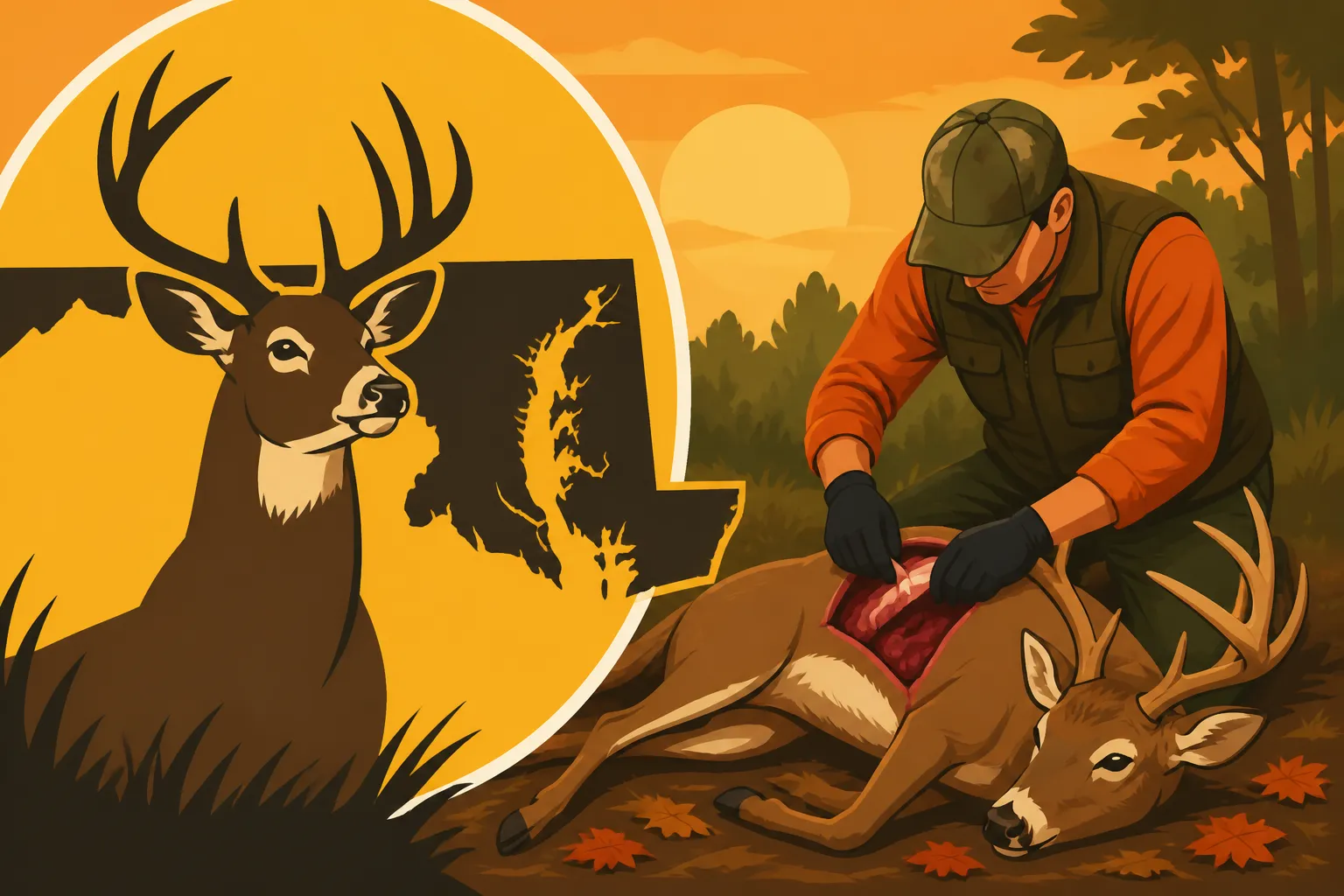
Now, for the incision. Carefully make a shallow cut through the hide from the breastbone down to the pelvis. Be extremely cautious not to puncture the stomach or intestines. Many hunters prefer to pinch the hide up with one hand and make the initial cut with just the tip of the knife, blade facing up, to avoid damaging internal organs. Once the hide is open, you'll need to cut through the abdominal wall. Again, use extreme care. A gut hook knife is fantastic for this, as it allows you to zip open the cavity without risk of puncturing. If you don't have one, keep your knife blade pointed up, using your fingers to guide the blade under the abdominal wall, lifting it away from the organs as you cut.
Once the cavity is open, reach into the chest cavity and locate the diaphragm, the muscular membrane separating the chest from the abdomen. Cut around its perimeter, freeing the lungs and heart. Then, starting at the pelvis, carefully cut around the anus, freeing the rectum. You can tie off the rectum with a piece of cordage to prevent fecal matter from contaminating the cavity as you pull. Now, reach deep into the cavity and grasp the esophagus and trachea (windpipe) as high as you can towards the throat, cutting them free. With everything severed, you can begin to roll the deer onto its side, allowing the entire internal organ mass to spill out. A swift, deliberate pull should remove everything in one go.
After the organs are out, inspect the cavity. Remove any loose bits of tissue, blood clots, or stomach contents. Use your paper towels or wet wipes to clean the cavity as best you can. Some hunters use a small amount of potable water to rinse the cavity, but if you do, ensure you thoroughly dry it afterward to prevent bacterial growth from moisture. The goal is to leave a clean, open cavity that can air out and cool efficiently. This meticulous process not only ensures better meat quality but also helps you prepare for the next step: getting your deer out and cooled properly. While the urgency is high, always prioritize safety and cleanliness. Don't forget that after all this hard work, you'll need to be ready to Registering a Maryland Deer by Phone or App within 24 hours of harvest.
Rapid Cooling and Transporting Your Harvest
Field dressing is only the first step in warm weather meat preservation. The real challenge, and where many hunters unfortunately lose meat, is in the rapid cooling and proper transport of the carcass. Leaving a field-dressed deer to "air out" in 70-degree weather is simply not enough; you need active strategies to bring that core temperature down immediately.
As soon as the deer is field dressed, get it out of direct sunlight. Find a shady spot, ideally somewhere with a breeze. If you're hunting public land, this might mean moving it a short distance from where it fell. For those who used Scouting Maryland Public Land Before Season tools like those offered by GoHunt, you might have already identified such spots as part of your hunting plan. Prop the body cavity open with a stick or two to maximize airflow. This is crucial for allowing heat to escape. If you have game bags, now is the time to use them. These aren't just for keeping insects off; modern synthetic game bags are designed to breathe, protecting the meat while still allowing it to cool.
The absolute best way to cool a deer in warm weather is to get ice into the body cavity. If you have a large cooler or access to ice nearby, pack the cavity full of ice. This can drop the core temperature dramatically in a short period. Once the internal temperature is reduced, you can then focus on getting the deer to a processor or your home for butchering. If you’re faced with a challenging recovery, such as needing to retrieve a deer from a deep marsh, understanding the specific tactics for Recovering a Deer From a Tidal Marsh becomes even more critical for protecting the meat.
When it comes to transport, avoid throwing the deer directly into the bed of a truck without proper ventilation. If you can, quarter the deer in the field and place the meat in coolers packed with ice. This is often the most effective method for preserving meat quality, especially if you have a long drive ahead or if temperatures are exceptionally high. If quartering isn't feasible, ensure the entire carcass is kept out of the sun, ideally covered with a breathable tarp (not plastic, which traps heat) and, again, with ice in the cavity. Some hunters will even drive with the truck bed slightly ajar to allow for air circulation. Remember, you're not just moving a trophy; you're moving a food source, and every effort you make in cooling and handling will directly impact the taste and safety of your venison. For those hunting in areas where both whitetails and sika deer might be present, such as when Hunting Maryland Whitetails on the Same Ground as Sika, these same principles apply, regardless of the species. Similarly, if you are hunting closer to populated areas, say when Hunting a Suburban Woodlot in Montgomery County, discretely and efficiently moving your deer is paramount.
Upon arriving home or at the processor, continue to prioritize cooling. Hang the deer in a cool, well-ventilated area, preferably a walk-in cooler, as soon as possible. If you plan to butcher it yourself, get it done quickly or ensure it's properly aged in a controlled environment. Failing to adequately cool the carcass can lead to "sour meat," where bacteria have started to break down the muscle, even if the exterior looks fine. Always be mindful of Maryland's Deer Bag Limits and Antler Rule and ensure you've registered your deer properly. Having that What a Deer Confirmation Number Is For is the final step in responsible hunting. While Hunting After a Maryland Cold Front might make these steps easier, in early September, you simply can't let your guard down.
Disclaimer
The information provided in this guide is for educational purposes only and is based on general hunting practices and biological principles. Hunting regulations, seasons, and licensing requirements vary by state and locale. Always consult the Maryland Department of Natural Resources (DNR) or other relevant local authorities for the most current and specific regulations before engaging in any hunting activity. Safety should always be your top priority.