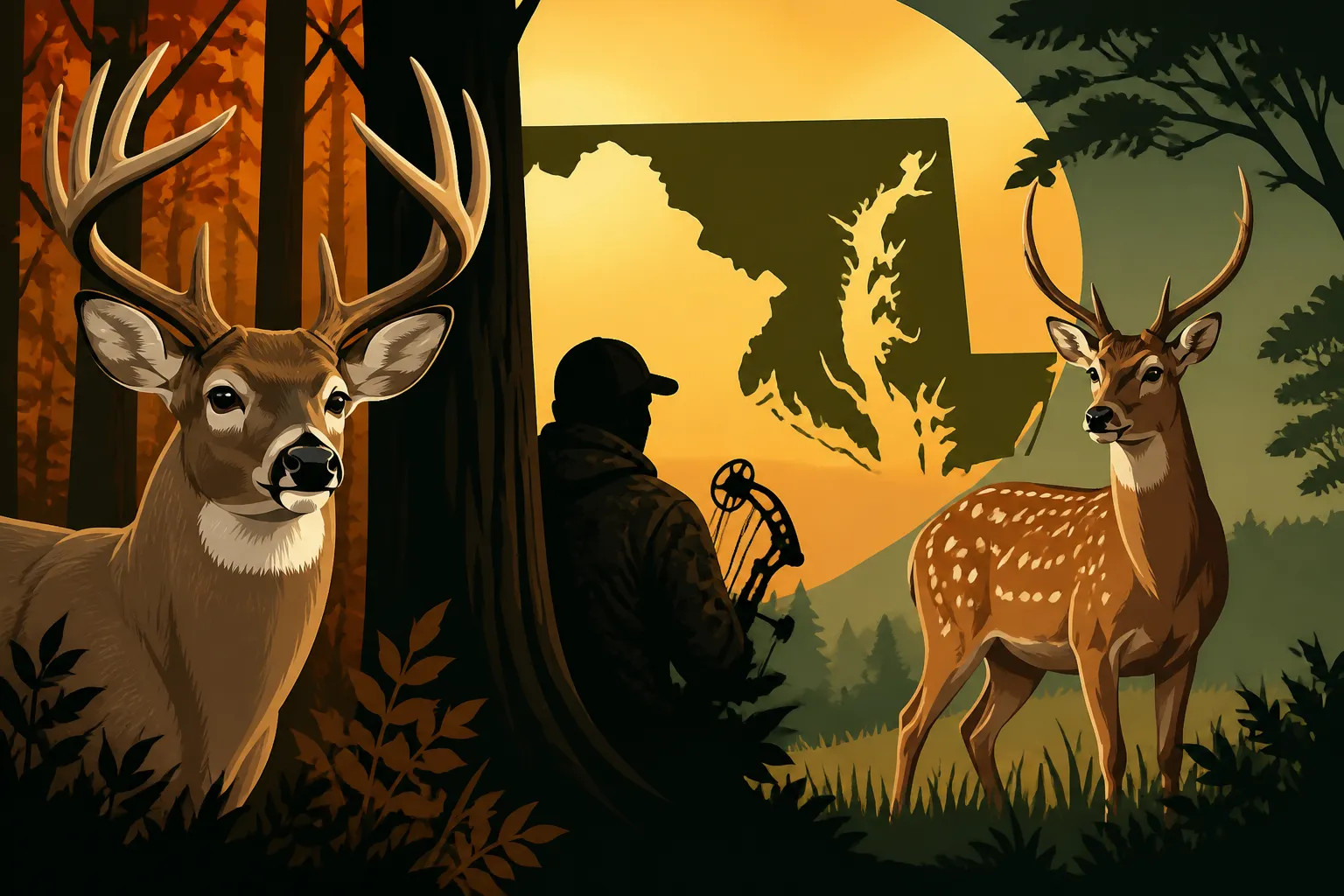
Hunting Maryland Whitetails on the Same Ground as Sika
Many Maryland hunters find themselves in a unique situation, trying to understand how to effectively pursue both white-tailed deer and sika deer, often on the very same tracts of land, without one impacting the other's chances. It's a real puzzle to manage tactics when you're targeting two distinct deer species with different behaviors, especially when their ranges overlap so significantly on the Eastern Shore. This guide will dive deep into how to successfully hunt both whitetails and sika where their territories intertwine, ensuring you make the most of your time afield.
Understanding the Overlap: Where Whitetails and Sika Coexist
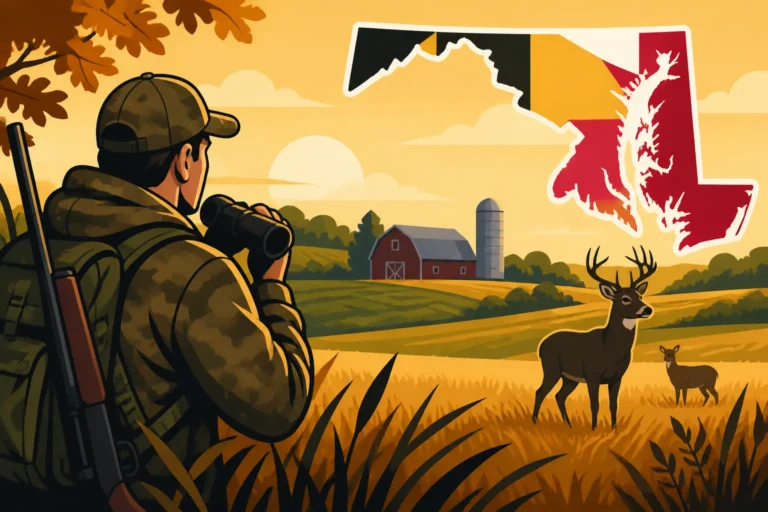
It’s easy to think of Maryland’s deer hunting scene as neatly divided: whitetails everywhere, and sika concentrated in the marshes of the Lower Eastern Shore. But the reality on the ground, especially in counties like Dorchester, Somerset, and even parts of Wicomico, is far more blended. You're often dealing with an intricate mosaic where these two species not only share habitat but sometimes even occupy the same small woodlots, field edges, and marsh islands.
Shared Habitats and Distinct Preferences
While both species are deer, their origins and adaptations have given them some distinct preferences within these shared landscapes. White-tailed deer, being native to North America, are incredibly adaptable. They thrive in agricultural fields, mature hardwoods, suburban woodlots, and even the fringes of marshlands. They'll readily browse on a wide variety of plants, from acorns in an oak flat to soybeans in a farmer's field, or even ornamental shrubs in a backyard. Their broad diet and comfort with diverse environments mean you can find them almost anywhere with decent cover and food.
Sika deer, on the other hand, are an introduced species from East Asia, specifically Japan. They were first released on James Island in Dorchester County in the early 1900s and have since expanded their range, primarily through the unique tidal marshes and loblolly pine forests of the Lower Eastern Shore. While they are famously associated with the dense, almost impenetrable phragmites and Spartina grasses of the saltmarsh, they also venture into the adjacent uplands. These uplands often feature agricultural fields, small hardwood hammocks, and thick pine stands that are also prime whitetail territory. What often happens is that whitetails will dominate the more open, agricultural edges and mature timber, while sika will gravitate towards the thickest cover, even if it's just a small, dense island of pines within a larger farm. This creates an interesting dynamic where a field edge might see whitetail traffic by day and sika by night, or a dense swamp might hold both. Understanding these nuances is key to effectively hunting both species.
Geographical Considerations and Population Densities
The concentration of both species dictates how often you'll encounter this overlap. In the heart of sika country, such as around the Blackwater National Wildlife Refuge or parts of Deal Island Wildlife Management Area, you might be surprised to see a whitetail. However, as you move further north or west in Dorchester County, or into parts of Somerset and Wicomico, the balance shifts dramatically. Here, whitetails are generally more numerous, but sika populations are robust and expanding. This means that while you might be primarily hunting for a whitetail buck, a sika stag could easily step out into your shooting lane.
The challenge intensifies when public lands are involved. Areas like Fishing Bay Wildlife Management Area or parts of the Chesapeake Forest Lands are known for holding both species in significant numbers. This is where your scouting and mapping tools become invaluable. Using an advanced mapping platform like GoHunt can help you identify subtle habitat features – those small stands of pines, marsh edges, or dense brush pockets that sika favor, right next to the hardwood ridges or crop fields that whitetails frequent. You can analyze aerial photos and topo maps to pinpoint these transition zones and understand how both species might be using the same parcel of ground at different times or in different ways.
Behavioral Differences and How They Impact Your Hunt
Hunting two distinct deer species on the same ground isn't just about identifying their preferred habitat; it's about understanding their vastly different personalities and communication styles. These behavioral quirks heavily influence how you should approach your hunt.
Movement Patterns and Daily Routines
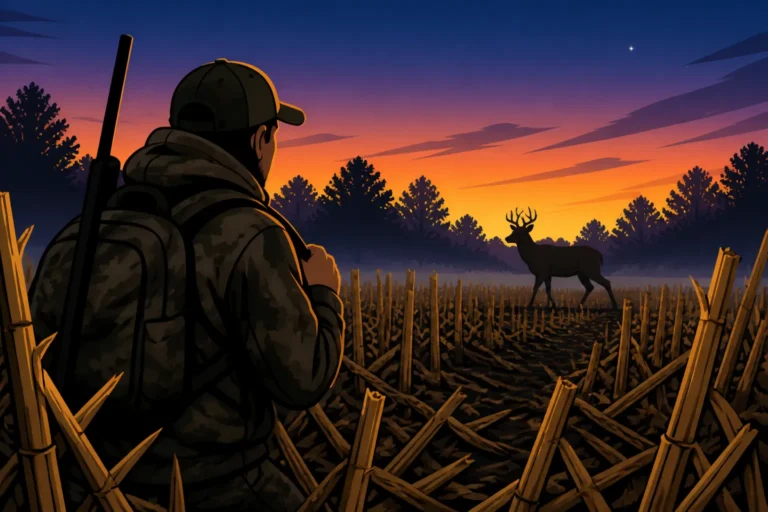
White-tailed deer are generally more crepuscular, meaning they are most active during dawn and dusk. They will often move from bedding areas in thick cover to feeding areas in fields or open woods at these times. Their movements can be fairly predictable along established trails, especially when food sources are consistent. During the rut, however, whitetail bucks will range widely throughout the day, actively seeking does. This makes their daytime movement much more pronounced and less confined to specific feeding or bedding transitions. You'll often see them crossing open fields or pushing through less dense timber in broad daylight when chasing.
Sika deer, by contrast, are notoriously reclusive and often more nocturnal, especially in areas with significant hunting pressure. They prefer to stay within the densest cover imaginable, often the thickest phragmites or loblolly pine thickets. While they will venture out into fields to feed, they typically do so under the cover of darkness or in the very lowest light conditions. Their movements can also be highly influenced by tidal fluctuations in marsh environments. A sika stag might be in a certain marsh gut at low tide, but completely inaccessible or in a different area at high tide. Learning to read a marsh trail for sika sign and understanding how they navigate these waterlogged landscapes is crucial. This difference means that your prime whitetail hunting hours might be slightly different from your best sika hunting hours, requiring you to adapt your approach throughout the day.
Vocalizations and Communication Styles
Perhaps the most striking difference between the two species is their vocalizations. White-tailed deer are known for their grunts, snorts, bleats, and snort-wheezes. These calls are widely used in hunting and can be very effective for attracting bucks, especially during the rut. A well-placed grunt call can often stop a cruising buck or bring one closer out of curiosity. Rattling antlers on an Eastern Shore farm can also be a highly effective tactic during peak rut for whitetails, as bucks are prone to investigating sounds of a fight.
Sika deer, however, are famous for their unique "whistle." This high-pitched, almost screaming sound is how stags communicate during their rut, which often peaks a bit later than the whitetail rut, usually in October. While they do have a bark of alarm, their whistle is their signature call. Calling sika stags during the September whistle can be incredibly exciting and effective. Replicating this whistle, often with specialized calls, can draw a curious stag right into bow range. The challenge is that these calls are unlikely to attract a whitetail, and vice-versa. You need to be prepared to switch tactics and calls depending on which species you are primarily targeting or if you detect the presence of one over the other.
Rutting Periods and Timing Your Hunt
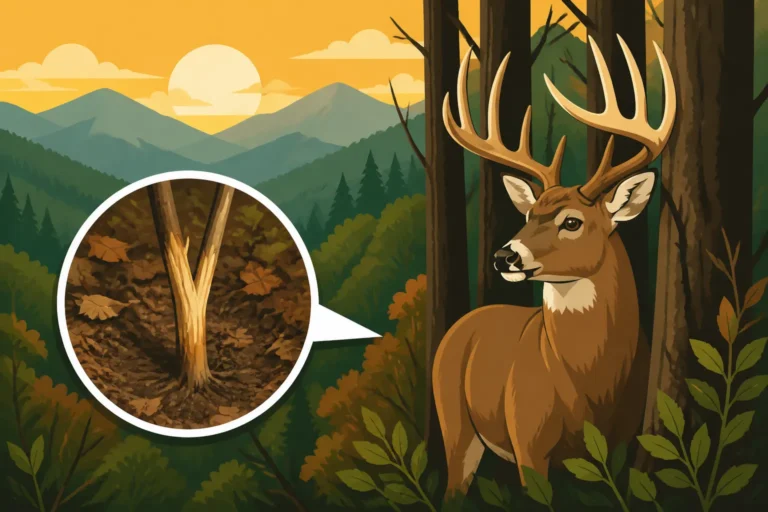
The peak rut for white-tailed deer in Maryland typically occurs in early to mid November. During this period, bucks are highly active, focused on breeding, and often less cautious, making them vulnerable to hunters. You’ll see scrape lines along a Maryland field edge and rubs on trees as bucks mark their territory and express their dominance. This is a fantastic time for still-hunting or sitting over active scrapes and trails.
Sika deer, while also rutting in the fall, tend to have a slightly different peak, often in late September through October. This creates an interesting window where you might be catching the tail end of the sika whistle while the whitetail rut is just beginning to heat up. This difference in timing means that an area that's red hot for sika activity in early October might transition to being a whitetail hotspot by November. If you're hunting during this transitional period, you might encounter both species' rut behaviors simultaneously. This is where flexible tactics come into play, allowing you to capitalize on whichever species is most active at a given moment. Understanding these distinct rutting periods helps you decide when to focus on specific calling or stand placement strategies tailored to each animal.
Tailoring Your Hunting Strategies for Both Species
When you're sharing the same hunting grounds with both whitetails and sika, a one-size-fits-all approach just won't cut it. You need a nuanced strategy that accounts for their unique behaviors, ensuring you maximize your chances for either species.
Stand Placement and Scenarios
Setting up a treestand or ground blind needs careful thought. For white-tailed deer, a classic strategy involves placing stands along natural funnels between two grain fields, near active scrape lines, or overlooking late season food sources for Maryland deer like acorn flats or food plots. These locations capitalize on predictable whitetail movement patterns. You might be focused on a big oak for acorns or a pinch point where deer cross a creek.
However, sika deer demand a different kind of setup. They thrive in incredibly dense cover. If you're targeting sika, your stand might be better placed on a marsh ditch bank, overlooking a "sika highway" through dense phragmites, or tucked into a small island of loblolly pines within a marsh. These spots might not be ideal for whitetails who prefer more open woods or field edges.
The trick is to find those interstitial areas. Look for transition zones where a hardwood or pine edge meets the dense marsh, or where a thicket gives way to a food source. For example, a stand set up where a small oak flat meets a thick pine plantation could offer opportunities for both. Whitetails might feed in the oaks and travel through the pines, while sika might use the impenetrable center of the pines for bedding and only venture out to the oak edge in low light. You might sacrifice a perfect whitetail setup or a perfect sika setup for a good setup for both. This often means being deeper in the thick stuff than you might typically go for whitetails, but still within view of more open areas.
Calling Tactics and Scent Control
As discussed, their vocalizations are very different. If you're sitting in an area known for both species, carrying both a whitetail grunt tube and a sika whistle is a smart move. If you hear a distant sika whistle, switch to your sika call. If you see a whitetail buck cruising, pull out your grunt tube. The key is to be observant and adapt quickly.
Scent control is paramount for both species, but arguably even more so for the extremely wary sika. They have an incredible sense of smell and will vanish at the slightest hint of human odor. This means meticulous attention to scent-free clothing, scent elimination sprays, and playing the wind absolutely perfectly, especially when wading into a Dorchester marsh before daylight. For whitetails, scent control is always important, but a mature buck might sometimes tolerate a slight scent if he's actively rutting and distracted. A sika, almost never. Consider using natural cover scents indigenous to the marsh, like phragmites or pine needles, if you can.
Tracking and Recovery in Challenging Terrain
Once you've made a shot, the real work begins, and the challenges of tracking both species are amplified by their shared, often dense habitat. White-tailed deer will typically run a short distance and bed down if mortally hit. They leave a relatively easy-to-follow blood trail in open woods or farm fields. However, if they make it into thick cover, tracking can become much harder.
Sika deer, on the other hand, are renowned for their toughness and their incredible ability to disappear into the densest vegetation. A well-hit sika stag can often run a surprising distance and bury itself in a phragmites patch or thick pine stand where visibility is zero. Blood trailing in marsh grass after dark is an entirely different beast than trailing in open hardwoods. You'll often be on your hands and knees, pushing through razor-sharp grass. This underscores the need for a good shot placement and having a clear recovery plan, especially if you're hunting in tidal marshes. Consider carrying a headlamp with good battery life, a quality tracking light, and even a GPS unit to mark your last blood if you lose the trail. If you're on unfamiliar ground, scouting Maryland public land before season with aerial photos and marking potential escape routes can be invaluable.
Gear and Considerations for a Dual-Species Approach
Hunting both whitetails and sika often means you're operating in some of Maryland's toughest terrain, from dense marsh to thick timber, all while needing to be versatile enough for two distinct animals. Your gear choices need to reflect this dual challenge.
Weapon Choices and Caliber Considerations
Maryland's legal weapons by county rules allow for a variety of firearms, archery equipment, and muzzleloaders for deer hunting. For white-tailed deer, many hunters opt for a .270, .30-06, or similar cartridges that offer excellent range and knockdown power for larger-bodied animals. Bowhunting Maryland's long archery season is also incredibly popular, with compound bows and crossbows being common choices.
When you introduce sika into the mix, the terrain often dictates the weapon. In the thick, close-quarters cover of the marsh or dense pines, shots are typically much shorter. A lever-action rifle in a caliber like .30-30 or .45-70, or a shotgun loaded with slugs, can be highly effective and maneuverable. For archery, a shorter axle-to-axle bow might be easier to handle in tight spots. However, if you're hunting an open field edge where both species might appear, you need a weapon capable of reaching out further if a whitetail buck hangs up at 200 yards. The key is to choose a caliber that offers good penetration and energy transfer for both the medium-sized whitetail and the smaller, but incredibly tough, sika. Cartridges like the 6.5 Creedmoor, .308 Winchester, or even a .243 with appropriate bullet construction can be versatile choices. Always verify local regulations, especially if you're hunting in areas where certain firearms might be restricted, such as bowhunting Maryland suburbs where rifles are banned.
Optics and Visibility in Varying Conditions
Optics play a crucial role, especially when you're hunting animals that thrive in low light and dense cover. For whitetails, a good pair of 10×42 binoculars and a rifle scope with clear glass and decent low-light performance (e.g., a 3-9×40 or 4-12×44) are standard. These will serve you well in open hardwoods or over fields.
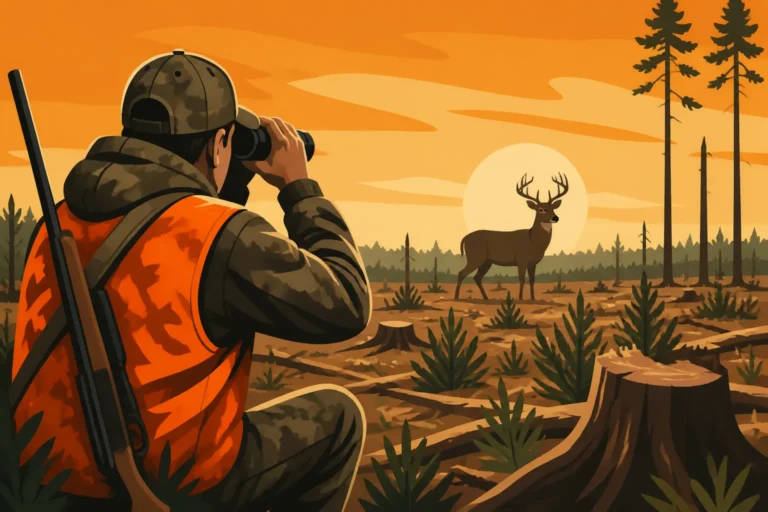
However, sika hunting often involves peering into shadows, thickets, and marsh grass. Here, binoculars with a wider field of view and excellent light-gathering capabilities, such as an 8×42, can be advantageous. A rifle scope with an illuminated reticle can be a game-changer for picking out a dark sika in low light or dense cover. Additionally, if you're hunting during the sika rut, a spotting scope might be useful for glassing a cutover pine stand or distant marsh edge for whistling stags, although this is less common for typical whitetail setups. The ability to quickly identify and differentiate between a whitetail and a sika in poor visibility is critical, especially when considering bag limits and antler restrictions.
Clothing and Footwear for Diverse Environments
The terrain where whitetails and sika overlap often presents a mix of upland woods, agricultural fields, and low-lying, often wet, marshlands. Your clothing and footwear need to handle it all. For whitetail hunting in the uplands, standard layered hunting clothing, waterproof outer shells, and comfortable, sturdy hunting boots are usually sufficient.
However, if you're venturing into sika country, you'll need to seriously consider hip boots versus chest waders in sika country. Waders, particularly those with durable construction like neoprene or breathable GORE-TEX, are often essential for wading into a Dorchester marsh before daylight. The water can be chest deep in some areas, and even seemingly dry ground can be boggy and wet. Your outer layers should be quiet, durable, and camouflaged for the specific environment—think marsh grass patterns for the sika marsh and more general woods patterns for whitetail areas. Be prepared for mud, briars, and potential water crossings. Dressing in layers is always advisable to adapt to changing temperatures throughout the day, as mornings in the marsh can be chilly, but midday sun can make heavy clothing unbearable.
Table: Key Differences and Hunting Adaptations for Whitetail vs. Sika
To help visualize the distinct approaches, here's a quick comparison of key characteristics and how they influence your hunt:
| Feature | White-tailed Deer | Sika Deer | Hunting Adaptation for Overlap |
|---|---|---|---|
| Size | Medium-large (100-250 lbs) | Small-medium (60-120 lbs) | Choose versatile calibers suitable for both sizes. |
| Primary Habitat | Hardwoods, farm fields, suburban areas | Tidal marshes, dense loblolly pines, thickets | Focus on transition zones; be prepared for thick cover. |
| Movement | Crepuscular, predictable trails, wide rutting range | Nocturnal/crepuscular, reclusive, uses densest cover | Hunt deep into cover; be present during low-light hours. |
| Vocalization | Grunts, bleats, snorts, snort-wheezes | Whistles (stags), barks (alarm) | Carry both whitetail grunt and sika whistle calls. |
| Rut Peak | Early-mid November | Late September-October | Be prepared for overlapping rut behaviors; adjust calling. |
| Senses | Excellent sight, hearing, scent | Exceptional scent, hearing; very wary | Extreme scent control; play wind perfectly; quiet movement. |
| Tracking | Moderate difficulty, can bleed well | Difficult; often buries in thick cover; minimal blood | Precise shot placement; mark last blood; have a recovery plan. |
| Footwear | Sturdy hunting boots | Hip boots or chest waders often essential in marsh | Pack appropriate footwear for varied terrain. |
Disclaimer
Please remember that hunting regulations and seasons can change. Always consult the latest Maryland Department of Natural Resources (DNR) hunting guide before planning any hunting trip to ensure you are in compliance with all current laws and regulations. Stay safe and ethical in the field.