Maryland’s Sika Deer, an Imported Herd
You've heard the whispers, seen the odd tracks, or perhaps even bumped into one of these unique creatures in the field, leaving you wondering, "What was that?" For years, Maryland hunters have grappled with the growing presence of Sika deer, an imported species that brings both excitement and a new set of challenges to our woods and marshes. This comprehensive guide is here to unravel the mystery of Maryland's Sika deer, from their surprising origins to the best ways to hunt them and understand their impact on our local ecosystems.
The Intriguing History of Maryland's Sika Deer
It might seem strange to find a deer species native to East Asia thriving in the marshes and forests of Maryland, but the story of the Sika deer in our state is a fascinating testament to their adaptability and, frankly, a bit of human intervention. These aren't just smaller versions of whitetails; they're a whole different ballgame, and understanding their past helps us grasp their present.
Origins and Initial Release on the Eastern Shore
The journey of the Sika deer (scientific name: Cervus nippon) to Maryland began in the early 20th century. Legend has it that in 1916, a wealthy private landowner named Clement Henry, of the Henry's Island Club, imported a small herd of Asian Sika deer from the Himalayas to his estate on James Island, a private island in Dorchester County, Maryland. This wasn't some grand scientific experiment; it was more for private hunting and to add an exotic touch to his sprawling property.
Initially, these deer were contained, but as often happens with determined wildlife and less-than-perfect enclosures, some inevitably escaped. The marshes and woodlands of Dorchester County, with their abundant vegetation and secluded nature, proved to be an ideal, if unexpected, new home for these resourceful immigrants. The conditions were vastly different from their native Japan, Korea, Taiwan, and parts of mainland Asia, but the Sika quickly adapted. This small initial release became the progenitor of the entire wild Sika population we see today across the Delmarva Peninsula. It's truly incredible to think that a handful of deer, introduced over a century ago, could establish such a strong foothold and become such a significant part of Maryland's hunting landscape.
Early Spread and Adaptation in Maryland
Once a few Sika deer made their great escape, their population slowly but surely began to expand. Dorchester County remained the epicenter, offering vast tracts of tidal marsh, loblolly pine forests, and mixed hardwoods that mirrored aspects of their ancestral homes. The initial spread was gradual, often unnoticed by many, as they primarily occupied dense, often impenetrable cover. They are masters of stealth, even more so than many whitetails, and their small size allows them to navigate thickets that larger deer avoid.
Over the decades, as their numbers grew, they started pushing into neighboring counties. Today, while Dorchester remains the stronghold, you can find established Sika populations in Wicomico, Somerset, and even parts of Worcester County on the Lower Eastern Shore. They've also shown up in more isolated pockets further north, indicating their continued, albeit slower, expansion. This adaptation wasn't just about finding food and cover; it also involved learning to coexist with the native white-tailed deer population. The Sika proved incredibly resilient, finding their niche in the ecosystem and often utilizing areas that whitetails might use differently or less efficiently, particularly the deep, wet marshlands. They've become a true, albeit non-native, part of the Maryland wilderness tapestry, posing both unique hunting opportunities and ecological considerations.
Sika Deer Versus Whitetail Differences
If you've spent any time hunting Maryland, you're undoubtedly familiar with our abundant white-tailed deer. But encountering a Sika for the first time, especially in the thick marsh, can be a disorienting experience. They are fundamentally different animals, and understanding these distinctions is crucial for anyone hoping to successfully hunt them or simply appreciate their unique place in our state. You might even find yourself hunting Maryland Whitetails on the Same Ground as Sika, needing to know which is which.
Physically, the most obvious difference is size. Sika deer are significantly smaller than whitetails. An average adult Sika stag (male) might weigh anywhere from 70 to 110 pounds, with some mature stags hitting 130 pounds, while a mature whitetail buck can easily tip the scales at 150-200 pounds or more. Does are similarly diminutive. Their coat color also varies; Sika typically have a rich, dark brown coat, often with distinct white spots that are most prominent in summer but can still be visible in winter. Whitetails, of course, have their classic reddish-brown summer coat and grayish-brown winter coat, with no spotting beyond fawns.
Antler structure is another key differentiator. Sika stags typically grow antlers that are shorter and less branchy than whitetails. A mature Sika stag will usually have 3-4 points per side, often with the distinctive brow tines and a single fork at the top. They rarely develop the sprawling, wide racks of a mature whitetail buck. The base of Sika antlers is also often rougher and pearl-like.
Behaviorally, Sika are incredibly wary and notoriously secretive. They prefer thick cover and often stay bedded down until well after daylight, making them a challenge to spot. Their vocalizations are perhaps the most striking difference – instead of grunts and snorts, Sika stags "whistle" or "bugle" during the rut, a high-pitched, almost eerie sound that echoes through the marsh. This behavior is so distinct that hunters specifically target the time for Calling Sika Stags During the September Whistle. Whitetails are far more vocal with their grunts and snorts, especially during the rut.
Here's a quick comparison table to help you keep these two species straight:
| Feature | Sika Deer | White-Tailed Deer |
|---|---|---|
| Size (Adult) | Stags: 70-130 lbs; Hinds: 50-80 lbs | Bucks: 150-200+ lbs; Does: 90-150 lbs |
| Coat Color | Dark brown, often with visible white spots (especially in summer) | Reddish-brown (summer), grayish-brown (winter), fawns spotted |
| Antlers | Typically 3-4 points per side, shorter, less spread, rough bases | Widely varying, often larger, more points, broader spread |
| Vocalizations | High-pitched whistles, bugles, screams (especially during rut) | Grunts, snorts, bleats |
| Habitat Focus | Dense marsh, loblolly pine, thick brush (especially Lower Eastern Shore) | Diverse habitats: forests, farmlands, suburban areas |
| Origin | Introduced (Asia) | Native (North America) |
| Behavior | Extremely wary, secretive, often nocturnal, prefers dense cover | Wary, but more tolerant of open areas and human presence, can be crepuscular |
Understanding these differences is key, not just for hunting, but for appreciating the ecological dynamics at play in Maryland. Sika deer truly offer a unique hunting experience that contrasts sharply with traditional whitetail pursuits.
Sika Deer Biology and Unique Characteristics
Beyond their history, Sika deer possess a fascinating biology that sets them apart from most other deer species in North America. Their unique physical attributes and behaviors are deeply intertwined with their ancestral heritage and their remarkable adaptation to Maryland's distinctive Eastern Shore environment. For hunters and wildlife enthusiasts alike, delving into these characteristics offers a deeper appreciation for these "Japanese elk."
Physical Traits and Size Compared to Whitetails
We've touched on size, but it bears repeating just how much smaller a Sika deer is compared to a typical Maryland whitetail. Imagine a medium-sized dog, perhaps a Border Collie or a small German Shorthaired Pointer, now envision that as a deer, and you're getting close to the stature of a Sika hind (female). An adult Sika stag, while more substantial, still presents a much smaller target than a whitetail buck. What a Maryland Sika Stag Weighs is often surprising to hunters accustomed to whitetails. A big stag might push 130 pounds on the hoof, but many mature animals are closer to the 90-110 pound range. Hinds are considerably smaller, often weighing 50-80 pounds. This smaller stature is a significant factor in their ability to slip through incredibly dense cover and move silently through the marsh.
Their coat is another defining feature. While whitetails have a noticeable color shift from summer to winter, Sika deer maintain a rich, dark brown to grayish-brown coat year-round, typically with a distinct dorsal stripe running down their back. What often captivates observers are the white spots that are present on their sides and rump. While most pronounced in fawns and in their summer coat, these spots can often still be seen on adults in winter, giving them a dappled appearance. They also have a distinctive white rump patch, similar to a whitetail, but it's often more pronounced and bordered by dark brown or black hair. Their tail is usually short and dark. These physical traits, combined with their short, blocky bodies and relatively short legs, make them perfectly suited for their preferred habitat.
Distinct Vocalizations and the Famous Sika Whistle
Perhaps the most iconic and unmistakable characteristic of Maryland's Sika deer is their incredible range of vocalizations. Forget the familiar grunts, snorts, and bleats of whitetails; Sika deer communicate in a symphony of whistles, screams, and even chirps. This is especially true during the rut, which on the Eastern Shore typically peaks in late September and October.
During the rut, Sika stags emit a high-pitched, almost piercing whistle or bugle that can carry surprisingly far across the marsh or through the pines. This is their primary way of challenging rivals and attracting hinds. It's a sound that many hunters describe as both eerie and thrilling, unlike anything else you'll hear in the North American woods. Listening to a stag whistle back and forth with another or in response to a hunter's call is an unforgettable experience. Beyond the whistle, they also produce a series of short, sharp barks when alarmed or to warn other deer, often accompanied by a swift stomp of the foot. Hinds and fawns might make soft "peep" sounds or distress calls.
Understanding these vocalizations is a game-changer for hunting Sika. Unlike whitetails, where calling can be hit-or-miss, Sika deer are often very responsive to calls, particularly during the rut. Hunters who learn to mimic the whistle or bark can effectively locate and draw in stags, turning a notoriously difficult hunt into a strategic, interactive challenge. It’s a truly unique aspect of the Sika hunting experience in Maryland, making for some truly memorable encounters.
Habitat Preferences, Especially in Maryland Marshes
Sika deer are incredibly adaptable, but in Maryland, they've truly made the tidal marshes and adjacent pine forests their own. While you might find them in mixed hardwoods and agricultural fringes, their heart, and indeed their greatest numbers, lie in the dense, often soggy environment of the Lower Eastern Shore wetlands.
These expansive marshes, characterized by dense stands of Phragmites australis (common reed), saltmarsh cordgrass, and various shrubs, provide everything a Sika deer needs: unparalleled cover, a diverse food source, and relative isolation from human disturbance. The thick vegetation offers year-round concealment from predators and hunters, allowing them to vanish into thin air with surprising ease. They are masters at navigating the labyrinthine network of guts, ditches, and hummocks within these marshes. You'll often find them bedded down deep within these reeds, seemingly impervious to the damp conditions.
Adjacent to the marshes, the loblolly pine plantations and mixed pine-hardwood edges provide critical higher ground for bedding during extreme high tides, shelter from severe weather, and additional food sources. Sika deer are opportunistic feeders, browsing on a wide variety of plants, including marsh grasses, forbs, fungi, acorns, and the tender shoots of young pines. Their ability to thrive in these harsh, often challenging environments is a testament to their hardiness. Hunting Sika Deer in Maryland's Loblolly Pine Edges can be a very productive strategy, as they use these areas for both food and refuge. This preference for thick, wet cover means that traditional whitetail hunting strategies often need to be completely rethought when pursuing Sika.
Understanding Sika Deer Behavior and Rut
Hunting Sika deer effectively means understanding their behaviors, especially during the breeding season. They operate on a different schedule and communicate in ways that can be baffling if you're only familiar with whitetails. Unlocking these secrets is key to success in the Sika woods and marshes.
Rutting Behavior and Timing in Maryland
The Sika deer rut is a spectacle unlike any other in Maryland, primarily peaking in late September and extending through much of October. This timing is significantly earlier than the whitetail rut, which typically heats up in early to mid-November. The Sika rut is characterized by intense vocalizations, particularly the stags' distinctive whistling and bugling. It’s during this period that hunters often try Calling Sika Stags During the September Whistle.
During the peak of the rut, stags become highly territorial. They will establish "rutting stands" or "whistling posts," which are typically open areas within the dense marsh or forest, often near water or on a slight rise, where they will whistle repeatedly to announce their presence and challenge other stags. They'll also create "wallows" – muddy depressions where they urinate and roll, covering themselves in their scent to attract hinds and mark their territory. You'll find sign like muddy rubs on small trees and reeds, indicating their presence.
Stags will fiercely defend their rutting stands from rival males. Battles, though often brief, can be violent, with stags locking antlers and pushing each other until one retreats. Hinds will be drawn to these rutting stands, and stags will attempt to herd them, much like elk, though on a much smaller scale. For hunters, this is the prime time to be in the woods, as the stags are more active, less cautious, and highly responsive to calls. Observing this unique display of nature is a truly rewarding part of the Sika hunting experience.
Social Structure and Herd Dynamics
Sika deer generally exhibit a more fluid and less rigid social structure compared to some other deer species. Hinds and their fawns often form small, loose maternal groups, especially in the more open areas. These groups are not as large or cohesive as, say, a typical whitetail doe group. However, in the dense cover of the marshes, individual Sika deer, especially older stags, tend to be more solitary outside of the breeding season.
Young stags might form small bachelor groups during the non-rutting months, but as they mature, they often become more independent, preferring to live a solitary existence in the thickest cover. During the rut, this changes dramatically, with stags becoming highly focused on breeding. Once the rut concludes, the dynamics shift back, and Sika deer revert to their more secretive, solitary, or small-group habits.
Their relatively low population density in some areas, combined with their preference for dense cover, means that seeing large herds of Sika is uncommon. Instead, you're more likely to encounter individuals, a hind with her fawn, or a small group of hinds. This preference for solitude and dense concealment contributes to their reputation as incredibly challenging game animals, requiring patience and keen observation skills from hunters. It also makes for interesting hunting dynamics when compared to hunting larger, more herd-oriented species.
Dietary Habits and Foraging in Diverse Landscapes
Sika deer are primarily browsers, meaning they prefer to feed on woody plants, shrubs, and forbs, but they are also opportunistic grazers, consuming grasses and sedges. Their diet is incredibly varied, allowing them to thrive in the diverse habitats of Maryland's Eastern Shore. This adaptability in diet is one of the key reasons they've been so successful in establishing themselves.
In the tidal marshes, Sika will readily browse on the young shoots and leaves of common reed (Phragmites), various marsh grasses, and other succulent plants. They also dig for rhizomes and roots, particularly in softer soils. As they move into the pine forests and mixed woodlands, their diet expands to include acorns, fungi, tender pine needles, greenbriar, and the leaves and twigs of a wide array of deciduous and evergreen shrubs. They are particularly fond of acorns when available, and a good mast crop can significantly influence their movement patterns.
Their small size and agile nature allow them to access vegetation that larger deer might struggle with, particularly in dense thickets. They will also readily utilize agricultural fields bordering their primary cover, especially corn, soybeans, and winter wheat, often under the cover of darkness. This diverse diet enables them to find ample food year-round, even as seasonal availability changes, further cementing their status as a resilient and successful introduced species in Maryland. Understanding their food preferences can be a powerful tool for hunters scouting for fresh sign or setting up ambush points.
Where Sika Deer Thrive in Maryland
While Sika deer are spreading, their stronghold remains a specific, unique part of Maryland. Knowing their core range and the types of habitat they gravitate toward is essential for anyone looking to encounter these elusive animals.
Core Range and Expansion Across Delmarva
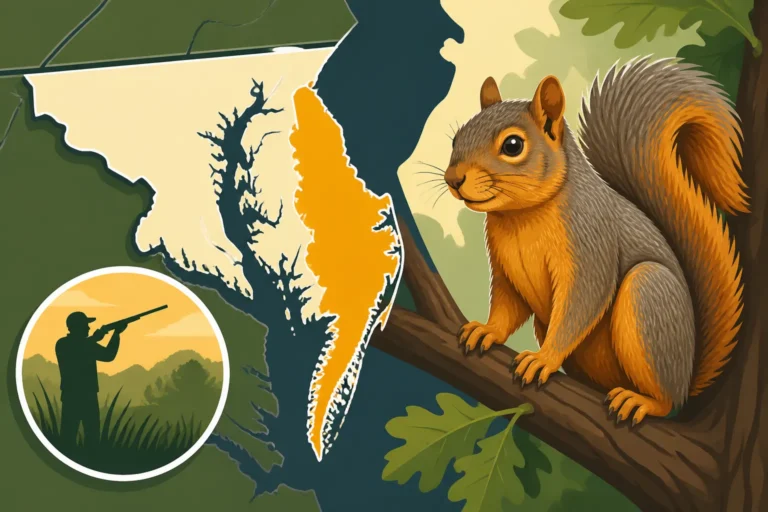
Maryland's Sika deer population is heavily concentrated on the Lower Eastern Shore, primarily in Dorchester County. This region, with its vast expanses of tidal marsh, loblolly pine forests, and mixed agricultural lands, forms the historical and current epicenter of their distribution. If you're looking for Sika, Dorchester County is almost certainly where you'll start your search.
From this core, Sika deer have gradually expanded their range. You can now find established populations, albeit generally at lower densities, in parts of Wicomico and Somerset counties. They have also been sighted, and occasionally harvested, in pockets of Worcester County, especially in areas with suitable marsh or dense pine cover. While the rate of expansion has varied, the general trend indicates a slow but steady outward movement from their original introduction point.
It's important to understand that Sika deer are not found statewide. Their distribution is quite localized, reflecting their specific habitat preferences and the historical context of their introduction. While there might be sporadic sightings in other parts of the state due to individual deer dispersing, a truly huntable population remains largely confined to the Lower Eastern Shore. This geographical focus means that hunting for Sika often requires a trip to this specific, beautiful, but often challenging, region of Maryland.
Key Counties and Public Hunting Opportunities
For hunters seeking to pursue Sika deer, focusing on specific counties is paramount. Dorchester County stands out as the prime destination, offering the highest densities and the most opportunities. Within Dorchester, you'll find large tracts of public land, including several state-managed Wildlife Management Areas (WMAs) and portions of the Chesapeake Forest Lands, which provide crucial access points for Sika hunting. Fishing Bay Wildlife Management Area and Deal Island Wildlife Management Area are excellent examples of public areas known for their Sika populations. Hunters often find themselves Hunting Fishing Bay's Marsh Guts by Boat to access remote Sika habitat.
Somerset and Wicomico counties also offer opportunities, particularly in areas bordering Dorchester. While Sika densities might be lower, the hunting pressure can sometimes be reduced in these fringe areas, offering a different experience. Scouting is key here, and utilizing tools like onX Hunt or GoHunt can help identify suitable public land parcels and understand property boundaries. Many hunters also find success by knocking on doors to gain private land access in these counties, as Sika can cause agricultural damage, making landowners more receptive.
It's crucial to remember that public land hunting for Sika, especially in the thick marshes, is often physically demanding. Wading, navigating by boat, and dealing with mosquitos and tough terrain are all part of the experience. However, the reward of harvesting one of these unique animals in its challenging habitat is immense. Always check Maryland's public land regulations and access rules, as some areas may require specific permits or reservations.
How Sea Level Rise Affects Sika Habitat
The unique habitat of Maryland's Sika deer, particularly the vast tidal marshes of the Eastern Shore, is increasingly vulnerable to environmental changes, most notably sea level rise. This isn't just an abstract scientific concept; it's a tangible reality that impacts the very ground Sika deer call home. The subtle, yet relentless, encroachment of saltwater is reshaping the landscape, and understanding this phenomenon is vital for appreciating the future of Sika deer in Maryland. You might be interested in reading more about How Sea Level Rise Affects Sika Habitat.
As sea levels gradually rise, the low-lying marshlands become more frequently inundated with saltwater, and for longer durations. This can stress and eventually kill off freshwater-dependent vegetation, leading to what is known as "marsh migration" or "ghost forests" – areas where trees, particularly pines, die off due to saltwater intrusion. Sika deer rely on these higher elevation pine islands and hardwood edges within the marsh for refuge during extreme high tides, for bedding, and for a diverse diet. As these areas shrink or convert to open water, the amount of viable Sika habitat is reduced.
Furthermore, the integrity of the marsh itself is compromised. While Sika deer are well-adapted to damp conditions, persistent deep flooding can make areas unusable, pushing deer into smaller, higher pockets of land. This concentration can lead to increased browsing pressure on remaining vegetation and potentially greater competition with whitetail deer or other wildlife. The loss of stable marshland also impacts the overall health of the ecosystem, including the food sources and cover available to Sika. What Blackwater's Marsh Loss Means for Hunters is a pressing concern for the region, highlighting the broader ecological impacts beyond just Sika deer. This ongoing environmental shift presents a significant long-term challenge for Sika deer management and the future of hunting in this iconic region.
Hunting Maryland Sika Deer: Strategies and Tips
Hunting Sika deer isn't like hunting whitetails. Their small size, secretive nature, and challenging habitat demand a different approach. If you're planning a trip to the Eastern Shore, these strategies will help you get started on the right foot.
Gear Considerations for Marsh and Woodland Hunts
When you venture into Maryland's Sika country, particularly the expansive marshes, your gear choices become critical. This isn't just about comfort; it's about safety, endurance, and being prepared for the unique challenges of the environment.
First and foremost, waterproof footwear is non-negotiable. Depending on the depth of the water you expect to encounter, you'll need either high-quality hip boots or chest waders. For deep marsh guts and crossing tidal creeks, chest waders are often the safer and more practical choice. Ensure they are comfortable for long walks and offer good traction on muddy, uneven terrain. Consider durable, puncture-resistant options, as walking through Phragmites can be tough on gear. A good pair of waterproof gaiters can also be invaluable if you're not going full waders, to keep water and debris out of your boots.
Beyond footwear, layering is crucial for clothing. Temperatures can fluctuate dramatically, especially in fall. Start with moisture-wicking base layers, add insulating mid-layers, and top it off with a waterproof and windproof outer shell. Camouflage patterns that blend into marsh grasses, such as Realtree Max-5 or Mossy Oak Shadow Grass Habitat, are highly effective. Don't forget a sturdy backpack to carry water, snacks, calls, and any harvested game. A reliable headlamp is also a must, as you'll often be walking in and out in the dark.
For your weapon, any legal deer hunting firearm, archery, or muzzleloader setup will work, but consider the ranges you'll likely encounter. Most Sika shots are relatively close-quarters in thick cover, so a fast-handling rifle, shotgun with slugs, or a compound bow are popular choices. Ensure your optics are clear and fog-proof. Finally, for navigation, a GPS unit or a reliable hunting app like GoHunt on your phone (with downloaded offline maps) is absolutely essential in the labyrinthine marshes, where it's incredibly easy to get turned around. Always carry a compass as a backup.
Effective Hunting Methods for Sika
Hunting Sika deer often requires a blend of tactics, combining elements of still-hunting, stand hunting, and calling. Their reliance on thick cover means you won't often spot them from afar in open fields like whitetails.
Still-hunting: This is a highly effective method, especially in the pine and hardwood edges adjacent to the marsh. Moving slowly, deliberately, and quietly, pausing frequently to observe and listen, is key. Focus on areas with fresh sign – tracks, droppings, and small rubs or scrapes. Sika are incredibly alert, so every step counts. Pay close attention to wind direction, as their sense of smell is acute. This method is also useful when Reading a Marsh Trail for Sika Sign.
Stand Hunting (Elevated or Ground Blind): Setting up a stand or ground blind along known travel corridors between feeding and bedding areas can be productive. Look for pinch points, ditch crossings, or trails leading from the marsh to higher ground. Hunting these areas during the early morning or late afternoon, when Sika are most likely to be moving, is ideal. Given their small size, a lower stand height or a very well-camouflaged ground blind is often preferable. Remember that in the marsh, you might be setting a Stand on a Marsh Ditch Bank rather than a tree.
Spot-and-stalk (Limited): While less common due to the dense cover, in certain situations, like on slight rises within the marsh or along field edges at dawn or dusk, spot-and-stalk can work. This requires excellent optics and extreme patience, as Sika can disappear in an instant.
Boat Access: For deep marsh hunting, a small boat (like a kayak, canoe, or shallow-draft jon boat) can be invaluable for accessing remote areas that are otherwise impenetrable. This allows you to reach untouched pockets of habitat and can be a game-changer for serious Sika hunters. Boating Into a Sika Marsh at Low Tide is a common strategy. Remember to prioritize safety and know the tides.
No matter the method, patience and persistence are your greatest allies when hunting these wary deer.
The Art of Calling Sika Stags
If there's one hunting technique that truly sets Sika hunting apart, it's calling. During the rut (late September through October), Sika stags are highly vocal and incredibly responsive to calls, making this an exhilarating and effective strategy. Mastering the art of the Sika whistle can turn a slow hunt into a heart-pounding encounter.
The primary call to learn is the "whistle" or "bugle" of a stag. This is a high-pitched, drawn-out sound, often with a quivering quality, that stags use to challenge rivals and attract hinds. There are specialized Sika calls available, often small reeds or diaphragms, that can replicate this sound. The key is to listen to actual Sika vocalizations (you can find recordings online or, even better, hear them in person) to get the cadence and pitch right. Start with softer, more questioning whistles, especially if you're unsure if a stag is nearby. If you get a response, you can become more aggressive.
Beyond the whistle, Sika stags also produce a sharp, barking sound when alarmed or to warn other deer. This "bark" can be used as an aggressive challenge call or to stop a moving deer for a shot. Some hunters also use hind bleats, similar to whitetail doe bleats, to pique a stag's interest, especially if he's not actively bugling.
When calling, position yourself strategically. Find good cover, preferably downwind or crosswind, as stags will often try to circle downwind to scent-check the caller. Be prepared for a quick shot, as a curious stag might come in fast and silently, appearing out of the thick cover like a ghost. The interaction with a responsive Sika stag through calling is one of the most exciting and unique aspects of hunting in Maryland. It's a truly immersive experience that connects you directly to the wild nature of these incredible animals.
Managing Maryland's Sika Deer Population
Maryland's Sika deer are a successful, yet non-native, species. Their growing presence raises important questions about population management, their impact on local ecosystems, and how we, as hunters and conservationists, approach their future in our state.
Population Trends and Management Challenges
Since their introduction, Sika deer numbers in Maryland have steadily increased, particularly in their core range of Dorchester County. While exact population figures are challenging to obtain due to their secretive nature and preference for dense cover, anecdotal evidence from hunters and biologists suggests a healthy, and in some areas, expanding population. This growth is a testament to their adaptability and the favorable conditions they found in Maryland.
However, managing a non-native species presents unique challenges. The primary goal of Maryland's Department of Natural Resources (DNR) is to manage Sika deer to minimize their impact on native ecosystems and agricultural interests, while still providing ample hunting opportunities. Unlike whitetail deer, for which population growth is often desired in certain areas, Sika deer, as an introduced species, are generally managed to control their spread and density. This often translates to liberal bag limits and a long hunting season, similar to what you see for other abundant species.
One significant challenge is monitoring their true population numbers and dispersal rates. Their elusive nature makes traditional survey methods difficult. Another concern is potential competition with native white-tailed deer for resources. While there's some overlap, Sika often utilize different niches, particularly the deep marsh, which may mitigate direct competition. Still, as their range expands, this interaction becomes a more critical consideration for wildlife managers. The management strategy revolves around balancing ecological concerns with providing an exciting and unique hunting experience.
Impact on Native Ecosystems and Agriculture
The introduction of any non-native species carries the potential for ecological disruption, and Sika deer are no exception. While Maryland's Sika population has seemingly integrated well, their impact is a subject of ongoing study and concern.
Ecologically, Sika deer contribute to browsing pressure on native vegetation. In areas of high Sika density, their intense browsing can alter plant communities, potentially impacting the food sources and habitats of native wildlife. For example, their preference for certain shrub species or young tree growth could inhibit forest regeneration or reduce cover for ground-nesting birds. Furthermore, there's always the risk of disease transmission between Sika and native whitetails, though currently, there haven't been widespread issues reported. Maryland's CWD Management Area Rules are in place to monitor for such concerns.
From an agricultural perspective, Sika deer can cause significant damage to crops, particularly corn, soybeans, and winter wheat, especially in fields adjacent to their dense marsh or woodland cover. Farmers in Dorchester and surrounding counties have reported Sika deer raiding fields, leading to economic losses. This is a shared problem with whitetail deer, but the added pressure from Sika can exacerbate the issue. Landowners grappling with deer damage often seek out hunters to help mitigate these problems, creating opportunities for those seeking Sika access. Addressing this agricultural impact is a key part of the DNR's management strategy, often encouraging hunting as the most effective tool.
Current Regulations and Future Outlook
Maryland's DNR has established specific regulations to manage the Sika deer population, which are designed to allow for ample hunting opportunities while keeping their numbers in check. Hunters pursuing Sika deer in Maryland need to be aware of the specific regulations, including bag limits and the requirement for a Sika Deer Stamp. For residents, this stamp is an additional cost beyond the basic hunting license and bow/muzzleloader stamps. You can find detailed information on Maryland's Sika Deer Stamp and Bag Limits.
Currently, the season dates for Sika deer generally align with the white-tailed deer seasons, meaning you can pursue them during the Bowhunting Maryland's Long Archery Season, the Maryland's Split Firearms Deer Season, and the Muzzleloader Deer Hunting in Maryland. The liberal bag limits for Sika deer often include both antlered and antlerless deer, providing hunters with multiple opportunities. This reflects the management philosophy of encouraging harvest to control population growth.
Looking to the future, the Sika deer population is expected to continue thriving in its established range. Continued monitoring by the DNR will be essential to assess their ecological impact and track their dispersal. Hunters will likely see continued opportunities, and perhaps even expanded bag limits or extended seasons in certain areas, as a tool for population control. Conservation efforts will also likely focus on habitat preservation in the face of sea level rise and ensuring the health of both Sika and native deer populations. For hunters, Sika deer represent a unique and exciting challenge that will undoubtedly remain a significant part of the Maryland hunting landscape for years to come.
Preparing Your Sika Harvest: Field to Table
Successfully harvesting a Sika deer is a remarkable achievement. But the work isn't done yet! Proper field dressing, understanding the meat, and knowing how to register your animal are crucial steps in completing the hunting process and honoring your harvest.
Field Dressing a Sika in Warm Weather
One of the unique challenges of Sika deer hunting is that the peak of their rut, and therefore a popular time to hunt them, occurs in late September and October. During these months on the Eastern Shore, temperatures can still be quite warm, often well into the 70s or even 80s degrees Fahrenheit. This warm weather demands prompt and efficient field dressing to ensure the quality of the venison.
As soon as you recover your Sika, the clock starts ticking. The goal is to cool the carcass as quickly as possible. This means immediately gutting the deer to remove the internal organs, which retain a tremendous amount of heat. Work quickly and cleanly. If you're deep in the marsh, you might have to perform this task in knee-deep water or mud, which adds to the challenge. Once the internal organs are removed, you can, if possible, rinse the cavity with clean water to further cool it and remove any debris.
After field dressing, focus on getting the deer out of the field and to a cooler place as soon as possible. If you're far from your vehicle, a deer cart or sled can be invaluable. Once at your vehicle, consider using game bags, and if the temperatures are still high, ice can be placed inside the body cavity (in sealed bags to prevent waterlogging the meat) and over the carcass to begin the chilling process. Never just throw a deer in the back of a truck in warm weather and expect good meat quality hours later. Proper and timely field dressing is the absolute best way to ensure the deliciousness of your Sika venison. Many hunters will be familiar with Field Dressing a Deer in Warm September Weather from early season whitetail hunts, and the same principles apply.
The Unique Qualities of Sika Venison
If you've never tasted Sika venison before, you're in for a treat! Many hunters consider Sika meat to be among the finest wild game meat available, often described as having a rich flavor that is less gamey than whitetail venison, and exceptionally tender. This reputation is well-deserved, making the effort of hunting them even more worthwhile.
One of the reasons for the superior taste of Sika venison is often attributed to their diet and smaller size. They are primarily browsers, consuming a varied diet of marsh grasses, shrubs, and pine shoots, which can contribute to a clean, mild flavor profile. Their smaller body mass also means the meat is generally finer-grained and more tender than that of a larger whitetail. What Sika Venison Tastes Like can be a pleasant surprise.
Sika venison is incredibly versatile in the kitchen. It can be used in almost any recipe that calls for beef or other venison. Steaks, roasts, ground meat for burgers or chili, and stew meat are all excellent options. Because of its tenderness, it's often best cooked quickly to medium-rare to preserve its moisture and flavor. Be careful not to overcook it, as with any lean wild game, it can dry out. If you're worried about gamey flavor, a simple soak in buttermilk or a mild marinade can work wonders, though many find it unnecessary with Sika. Enjoying your hard-earned Sika venison at the dinner table is the perfect culmination of a challenging and rewarding hunt.
Registering Your Sika Deer in Maryland
Once you've successfully harvested your Sika deer and completed the field dressing, the final step in the legal hunting process is to register your animal with the Maryland Department of Natural Resources (DNR). This is a mandatory requirement for all deer harvested in Maryland, including Sika, and it's absolutely crucial for responsible hunting and wildlife management. The Maryland Deer Registration Deadline After a Kill is something every hunter needs to be acutely aware of.
Maryland uses an online or phone-based system for deer registration. You typically have 24 hours from the time of harvest to register your deer. The most common method is to use the Maryland DNR's COMPASS online portal, where you'll enter information such as your hunting license number, the county of harvest, the date and time, the species (Sika deer), sex, and antler points. You can also register via a toll-free phone number.
After successful registration, you will receive a confirmation number. This number serves as your official record of the harvest and should be kept with the deer (or a tag affixed to the deer with the number) until it is processed and prepared for consumption or taxidermy. This data collected during registration is incredibly important for wildlife managers. It helps the DNR track harvest numbers, monitor population trends, and make informed decisions about future hunting seasons and bag limits for Sika deer and other game species. It's not just a bureaucratic step; it's a vital part of conservation and sound wildlife management. Always ensure you complete this step promptly and accurately to remain in compliance with Maryland hunting regulations.
Disclaimer
Always consult the official Maryland Department of Natural Resources (DNR) hunting regulations for the most current and accurate information regarding seasons, bag limits, licensing requirements, and any other relevant laws before engaging in hunting activities. Regulations can change, and it is the hunter's responsibility to be fully informed and compliant.