Maryland Nonresident License Options
Trying to figure out what hunting licenses and stamps you need as a nonresident in Maryland can feel like trying to untangle a particularly stubborn knot. With different regulations for various species, specific dates, and regional rules, it's easy to get overwhelmed and worry you'll miss a crucial step. This guide is here to walk you through all the Maryland nonresident license options, ensuring you have everything you need for a successful and legal hunt.
Understanding Maryland's Nonresident License Structure
For out-of-state hunters eager to experience Maryland's diverse hunting opportunities—from the mountains of Western Maryland to the marshes of the Eastern Shore—the first hurdle is often the licensing process. It's not just about one license; it's typically a base license combined with specific stamps depending on what you plan to hunt. Think of it like building a custom hunting package for yourself.
The Base Nonresident Hunting License
Every nonresident hunter in Maryland needs to start with the fundamental Nonresident Hunting License. This is your entry ticket, granting you the general privilege to hunt small game, certain furbearers, and deer (with additional stamps). It's valid for the entire hunting license year, which typically runs from August 1st through July 31st. Without this base license, you can't purchase any of the supplemental stamps for deer, waterfowl, or other specialized hunts.
The cost of this base license can be a significant upfront investment, often reflecting the state's efforts to manage wildlife resources and provide robust hunting opportunities. It's crucial to budget for this, especially when planning your annual hunting expenses. For example, if you're coming from out of state to chase whitetails or even try for a sika, this is the very first thing you'll need to secure. You can find up-to-date pricing on the Maryland Department of Natural Resources (DNR) website, usually accessible through their COMPASS portal.
Required Stamps for Specific Game
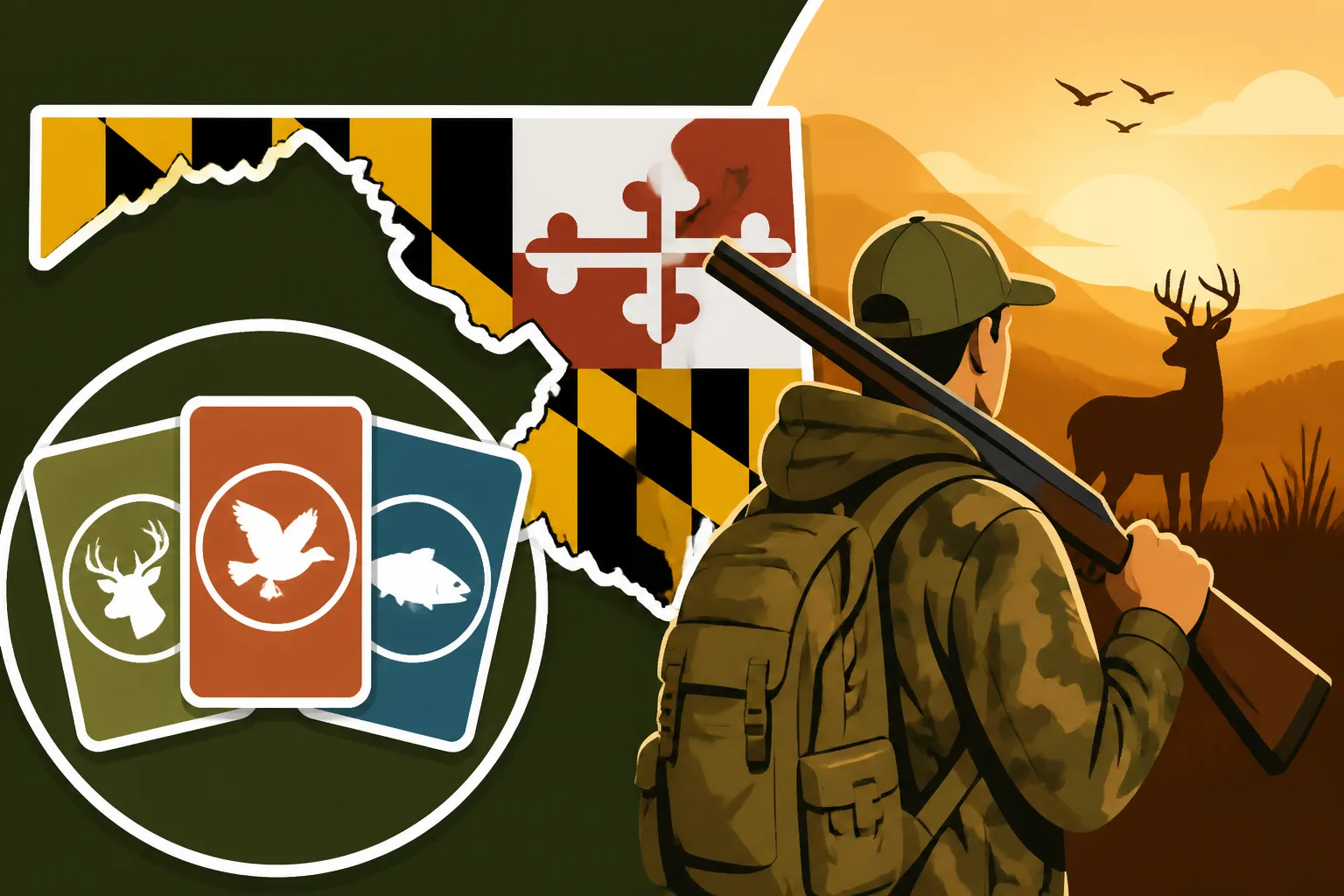
Once you have your base nonresident hunting license, you'll need to layer on specific stamps for the game you intend to pursue. These stamps act as specialized permits, ensuring that hunters contribute directly to the conservation and management efforts for those particular species. For instance, deer hunting requires specific stamps, and waterfowl hunting has its own set of federal and state requirements.
It's common for hunters new to Maryland to underestimate the number of stamps they might need. A nonresident pursuing deer might need an Archery Stamp, a Muzzleloader Stamp, or potentially a Bonus Antlered Deer Stamp, all in addition to the base license. If you're a waterfowl hunter, you'll need a Maryland Migratory Game Bird Stamp and a Federal Duck Stamp, plus HIP registration. Each stamp is a separate purchase but absolutely necessary to stay within legal bounds. Always check the current year's regulations booklet or use an app like GoHunt to cross-reference what you need for your target species and chosen weapon.
Annual vs. Multi-Day Options for Nonresidents
Maryland offers different license durations to accommodate various hunting trip lengths, which can be a real blessing for out-of-state hunters who might only visit for a few days or a specific week. Deciding between an annual license and a shorter-term option often comes down to how many trips you plan to make and for what duration.
Full Annual Privileges
Opting for the full annual nonresident hunting license, along with all the necessary stamps, provides maximum flexibility. If you're someone who loves to explore different seasons—maybe you want to hit the deer woods in the fall, return for some late-season goose hunting, and then come back for spring turkeys—this is generally your most cost-effective and least complicated option. It means you don't have to worry about renewing licenses for each trip within the hunting year.
With an annual license, you have the freedom to hunt any legal day during any open season that your stamps cover. This is particularly appealing for those who might secure a lease or have friends with private land access and anticipate multiple visits throughout the year. It simplifies the administrative side of things, letting you focus more on scouting and less on paperwork. Keep in mind that even with an annual license, species-specific bag limits and regional rules, such as those covered in Maryland's Deer Bag Limits and Antler Rule, still apply to every single hunt.
Shorter-Term Nonresident Licenses
For those who can only commit to a quick hunting getaway, Maryland often provides shorter-term nonresident hunting options. These are incredibly useful for a weekend trip or a specific week-long hunt, such as a dedicated sika deer pursuit or a brief waterfowl excursion. While the daily cost might be higher than prorating an annual license, the overall expenditure for a single, short trip is usually lower, making it more accessible for many.
These temporary licenses are perfect if you're targeting a very specific window, like the early archery season for whitetails or a late-season muzzleloader hunt. However, it's vital to ensure these shorter-term options cover all the game you plan to hunt and for the entire duration of your stay. You wouldn't want to get caught without the proper authorization on the last day of your trip because your short-term license expired. Always double-check the validity dates and species covered before purchasing, especially if you're combining different types of hunts.
Specific Species Stamps and Permits
Maryland's diverse wildlife means a diverse set of regulations. Beyond your base hunting license, you'll almost certainly need additional stamps or permits depending on your quarry. This structure allows the Maryland DNR to fund specific conservation initiatives for different game species.
Deer Hunting Stamps (Archery, Muzzleloader, Bonus)
If you're coming to Maryland to hunt deer, which is a popular draw, you'll need more than just your base nonresident hunting license. Depending on your chosen weapon, you'll need the appropriate stamp:
- Archery Stamp: This is mandatory if you plan to hunt deer with a bow or crossbow during the archery seasons. Maryland's long archery season is a significant draw, especially for hunters looking to capitalize on early season opportunities. You can often start bowhunting as early as September, as detailed in When Maryland's Archery Season Opens in September.
- Muzzleloader Stamp: If you're going to hunt deer with a muzzleloader, this stamp is required. Maryland has a dedicated muzzleloader week in October, as well as a late muzzleloader season, providing unique challenges and opportunities.
- Bonus Antlered Deer Stamp: For many nonresident hunters, this stamp is key. In Maryland, your standard hunting license allows for one antlered deer. If you wish to harvest a second antlered deer in a designated region (typically Region B, which covers most of the state's land area), you'll need to purchase this Bonus Antlered Deer Stamp. This allows you to fill another buck tag, provided you adhere to all other regulations, including the three-point antler rule that applies to most bucks. You can learn more about this by checking out Maryland's Bonus Antlered Deer Stamp.
It's important to remember that firearm hunters in certain counties might be restricted to shotguns or straight-walled cartridges, while others can use rifles. Always check the specific county regulations if you plan to use a firearm for deer.
Waterfowl and Migratory Bird Requirements
Maryland is a world-renowned destination for waterfowl hunting, particularly on the Eastern Shore and around the Chesapeake Bay. However, the requirements for hunting ducks, geese, and other migratory birds are extensive and require careful attention:
- Maryland Migratory Game Bird Stamp: This state stamp is necessary for hunting ducks, geese, brant, coots, rails, gallinules, woodcock, and snipe in Maryland. It contributes directly to state-level migratory bird conservation efforts.
- Federal Duck Stamp: This is a federal requirement for anyone 16 years of age or older hunting migratory waterfowl. It's valid nationwide and contributes significantly to the National Wildlife Refuge System. You purchase this stamp separately from state licenses and must sign it across the face.
- HIP Registration: The Harvest Information Program (HIP) is a federal program that collects harvest data on migratory birds. All migratory bird hunters (including those pursuing doves, woodcock, and rails, not just waterfowl) must register annually. This is usually a free, quick process you can complete when purchasing your state licenses.
Understanding the various waterfowl zones and their specific season dates is also critical. Maryland has different zones for Canada geese (Atlantic Population vs. Resident Goose Zone) and separate seasons for sea ducks versus inland ducks. Checking the current Maryland Waterfowl Zones and Season Dates is non-negotiable before heading out for a hunt. When planning your trip, consider using resources like GoHunt to overlay season dates with your travel plans, ensuring you're compliant with all regulations.
Sika Deer and Black Bear Permits
Maryland offers unique opportunities for two other sought-after big game species: sika deer and black bears. These hunts come with their own specific permit requirements that differ from general deer hunting:
- Sika Deer Stamp: If you're heading to the tidal marshes of the Eastern Shore to chase the elusive Sika deer, you'll need a Sika Deer Stamp in addition to your base hunting license and any other required deer stamps. This stamp helps fund the management of this unique introduced species, which has become a significant part of Maryland's hunting landscape. Learn more about the specific requirements for this unique animal in Maryland's Sika Deer Stamp and Bag Limits. These hunts are legendary for their challenge and the incredible venison.
- Black Bear Permit: Black bear hunting in Maryland is a tightly controlled opportunity, managed through an annual lottery system. Nonresidents are eligible to apply, but securing a permit is often a multi-year endeavor requiring preference points. You must apply for the bear lottery, and if drawn, you receive a permit to hunt during the short, specific bear season in designated Western Maryland counties. This is not a stamp you can just buy; it's a competitive draw, as detailed in Maryland's Black Bear Lottery. Always check the application deadlines and requirements well in advance.
Navigating these permits can be complex, especially with the limited geographical range for Sika and the lottery system for bears. If you plan to pursue these species, extensive research and early planning are essential.
How to Purchase Your Maryland Nonresident License
Maryland has streamlined its licensing process over the years, making it relatively easy for both residents and nonresidents to obtain the necessary permits. The primary method is online, but other options are available.
Online Through COMPASS
The most convenient and widely used method for purchasing Maryland hunting licenses and stamps is through the state's online licensing system, COMPASS. This portal is designed to be a one-stop shop for all your licensing needs, accessible 24/7 from anywhere with an internet connection. Using COMPASS allows you to quickly purchase your base nonresident hunting license, add all your necessary stamps, register for HIP, and even apply for lotteries like the black bear hunt.
When you use the COMPASS system, you'll create an account if you don't already have one. You'll need to provide personal information, including your date of birth and social security number (for federal compliance). Once purchased, you can often print a temporary license immediately, and a permanent license card will typically be mailed to you. Many hunters also rely on digital versions of their licenses stored on their smartphones, which is generally accepted in the field. This modern approach makes it simple to manage your licenses, even on the go, allowing you to quickly check your current hunting status using tools like the GoHunt app for regulation updates or public land boundary checks.
In-Person and Via Mail Options
While the COMPASS online system is highly efficient, Maryland still provides alternative methods for purchasing licenses and stamps, catering to those who prefer or require other options:
- In-Person at a License Agent: You can purchase licenses and stamps in person at various authorized license agents throughout Maryland. These typically include sporting goods stores, bait and tackle shops, and some county government offices. This can be a good option if you're already in the state before your hunt and have questions or prefer a physical transaction. The staff at these locations are often knowledgeable about the local regulations and can help ensure you get exactly what you need.
- Via Mail: In some cases, you might be able to purchase certain licenses or stamps by mail, though this method is less common for nonresidents and might involve longer processing times. This option is usually detailed in the annual hunting regulations booklet if available. It's almost always recommended to use the online COMPASS system for speed and convenience, especially for nonresidents planning their trip from a distance.
Remember that regardless of how you purchase your licenses, you are responsible for carrying proof of your valid licenses and stamps while hunting. A printed copy, a digital image on your phone, or your physical license card are all acceptable. It's smart to have multiple backups, just in case your phone battery dies or you misplace a paper copy.
Navigating Special Considerations and Rules
Beyond the basic licenses and stamps, there are several crucial rules and considerations that nonresident hunters need to be aware of to ensure a lawful and enjoyable experience in Maryland. Some of these can vary significantly from other states, so it's essential to do your homework.
Sunday Hunting Rules for Nonresidents
One of the most frequently asked questions from nonresident hunters concerns Sunday hunting. For a long time, Maryland had very restrictive Sunday hunting laws, but these have gradually relaxed. However, it's not a blanket allowance, and the rules can be confusing because they vary by county and sometimes even by land ownership:
- County-Specific Rules: Sunday hunting for deer (archery and firearms) and some small game is now permitted in most Maryland counties on private land. However, some counties still have restrictions, or specific dates when Sunday hunting is allowed.
- Public Land Restrictions: Sunday hunting on public lands (such as Wildlife Management Areas or State Forests) is still highly restricted and generally only permitted on specific designated dates and in particular counties. It's critical to verify if your chosen public hunting ground allows Sunday hunting.
- Time Restrictions: Even where permitted, Sunday hunting for deer (firearms and archery) often has specific time restrictions, usually only until 10:30 AM. However, some counties may have different rules, or specific seasons may allow all-day Sunday hunting.
This patchwork of regulations means you absolutely must consult the Maryland hunting regulations each year for the specific county and property type you plan to hunt. You can also explore detailed information on Maryland's Sunday Hunting Rules by County to fully understand the nuances. Missing this detail could lead to a citation, so always verify beforehand.
Hunter Education and Apprentice Hunting
Maryland has mandatory hunter education requirements for most new hunters, regardless of residency status. If you were born after July 1, 1973, you must present a certificate of hunter education completion from Maryland or another state, or a previous hunting license from another state, to purchase a Maryland hunting license.
- Hunter Education Requirement: If you don't meet the exemptions (born before July 1, 1973, or previously licensed), you'll need to complete a hunter education course. Many states offer online components followed by a field day, making it accessible. The Maryland DNR website provides information on accepted courses. You can delve deeper into these requirements at Maryland Hunter Education Requirements.
- Apprentice Hunting License: For those who haven't completed hunter education but want to try hunting, Maryland offers an Apprentice Hunting License. This allows an unlicensed individual to hunt under the direct supervision of a fully licensed and experienced hunter (their mentor). This is an excellent pathway for nonresidents to try out hunting in Maryland without immediately committing to a hunter education course. The mentor must be at least 18 years old and possess a valid Maryland hunting license, and specific rules apply regarding proximity and supervision. More details can be found in Maryland Apprentice Hunting License Rules.
This program is a fantastic way to introduce new hunters to the sport or for an experienced nonresident hunter to bring along a family member or friend who is curious about hunting in Maryland.
Antler Restrictions and Deer Registration
Maryland manages its deer herd with specific regulations designed to promote healthy populations and quality deer. Nonresident hunters need to pay close attention to the antler restrictions and the mandatory deer registration process:
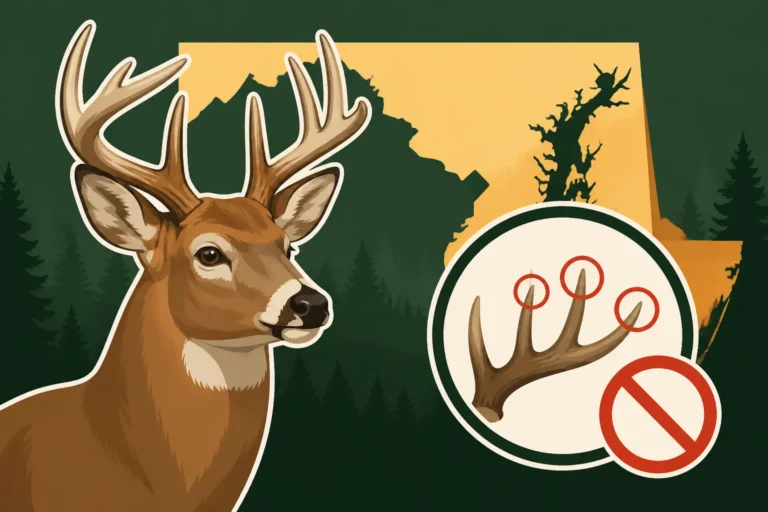
- Three-Point Antler Rule: In most of Maryland (Region B), any antlered deer harvested must have at least three points on one antler (with a point being an antler projection at least one inch long). Hunters are allowed one antlered deer statewide that does not have to meet this requirement. This rule aims to protect younger bucks and allow them to mature. It's crucial to be able to accurately count antler points in the field before taking a shot, so studying visual aids provided by the DNR or within apps like GoHunt can be incredibly helpful. You can learn more about this by referring to Maryland's Three-Point Antler Restriction.
- Mandatory Deer Registration: Every deer harvested in Maryland, whether by a resident or nonresident, must be registered with the Maryland DNR within 24 hours of harvest. This is not optional. Registration can be done online through the COMPASS portal, via a mobile app, or by phone. You will receive a confirmation number that serves as proof of legal harvest. This data is vital for DNR biologists to monitor deer populations and manage seasons effectively. Failing to register your deer can result in fines and penalties. For a step-by-step guide, check out How to Register a Deer Within the Deadline.
Staying informed about these regulations, especially those related to antler points and registration, is fundamental to hunting ethically and legally in Maryland. Always plan for the registration process immediately after a successful harvest.
Here's a quick look at common nonresident license and stamp costs to help you plan your Maryland hunt:
| License/Stamp Category | Estimated Cost (Nonresident) | Notes |
|---|---|---|
| Base Nonresident Hunting License | $145.00 | Required for all hunting. |
| Nonresident 3-Day Hunting License | $60.00 | Base license for 3 consecutive days. Good for short trips. |
| Archery Stamp | $10.00 | Required for bowhunting deer. |
| Muzzleloader Stamp | $10.00 | Required for muzzleloader deer hunting. |
| Bonus Antlered Deer Stamp | $10.00 | Allows harvest of a second antlered deer in Region B (most counties). |
| Sika Deer Stamp | $10.00 | Required for hunting Sika deer. |
| Maryland Migratory Game Bird Stamp | $9.00 | Required for ducks, geese, doves, etc. |
| Federal Duck Stamp | $25.00 | Required for waterfowl hunters aged 16+, purchased separately. |
| Furbearer Stamp | $10.00 | Required for hunting furbearers like foxes or coyotes. |
| Black Bear Lottery Application | $15.00 | Application fee, not a guarantee of a permit. |
Note: Prices are estimates and subject to change. Always verify current costs on the Maryland DNR website or through the COMPASS portal before purchasing.
Disclaimer
The information provided in this guide is for informational purposes only and is subject to change. While we strive to be accurate, hunting regulations and license requirements can change annually. It is the responsibility of every hunter to consult the most current Maryland Department of Natural Resources (DNR) hunting regulations booklet or website before engaging in any hunting activity. Failure to comply with all laws and regulations can result in fines, penalties, and loss of hunting privileges.