Maryland Junior and Senior License Rules
One of the biggest hurdles many Maryland hunters face, whether they're just starting out or have decades of experience under their belt, is navigating the often-confusing landscape of hunting licenses and regulations. It can feel like a maze, especially when trying to figure out the specific requirements and benefits for younger hunters and our seasoned senior outdoors enthusiasts. This comprehensive guide is here to break down Maryland's junior and senior hunting license rules, making it easier for everyone to understand the process and enjoy their time in the field.
Understanding Maryland's Junior Hunting License
Bringing new hunters into the fold is vital for the future of our outdoor traditions, and Maryland makes a concerted effort to encourage youth participation. However, getting that first license can sometimes feel overwhelming for both the junior hunter and their parent or guardian. It’s not just about the license itself, but understanding the rules that go along with it, especially when it comes to supervision and safety.
Age Requirements and Eligibility
In Maryland, a junior hunting license is specifically designed for young hunters who are 16 years of age or younger. To be eligible, they must first complete an approved hunter education course, unless they are participating in the Mentored Hunting Program (which we'll dive into next). This hunter education requirement is crucial, as it provides foundational knowledge on firearm safety, wildlife identification, ethics, and conservation. It's not just a hoop to jump through; it's a critical step in building responsible hunters. Without this certification, a junior hunter cannot purchase an annual hunting license and hunt independently.
It’s important to remember that age isn't the only factor. For instance, if a young person turns 17 during the hunting season, their junior license remains valid for the remainder of that licensing year. This means they don't have to immediately upgrade to an adult license mid-season, which is a nice practical consideration from the state. You can find more details on this by checking the Youth Hunting License Cost and Age Limits available through the Maryland Department of Natural Resources (DNR) website. Understanding these nuances helps avoid any surprises once the season is underway.
Mentored Hunting Program Details
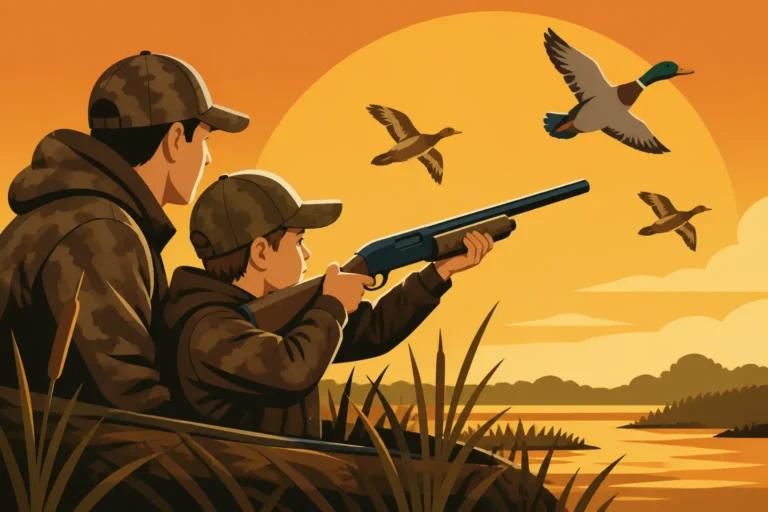
Maryland's Mentored Hunting Program is a fantastic pathway for youngsters who are eager to try hunting but haven't yet completed their full hunter education course. It allows unlicensed individuals, regardless of age, to hunt without first completing hunter education, provided they are under the direct supervision of a licensed adult mentor. For junior hunters, this is particularly valuable, offering them a chance to experience the thrill of the hunt firsthand with a trusted guide before committing to the full hunter education course.
The rules for the Mentored Hunting Program are straightforward but critical. The mentor must be at least 18 years old, possess a valid Maryland hunting license, and have completed a hunter education course themselves. The mentor must remain within arm's reach of the mentee at all times while hunting and is limited to supervising one mentee at a time. This close supervision ensures safety and provides an immediate opportunity for instruction and guidance. The mentee uses one of the mentor's bag limits for any harvested game, meaning they don't get their own tags. It's a wonderful way to introduce someone to hunting, letting them see what it's all about before they invest the time in formal education. For more insights into these guidelines, you can look into the Maryland Apprentice Hunting License Rules.
Cost and Purchasing Your Junior License
The good news for families is that junior hunting licenses in Maryland are incredibly affordable, reflecting the state's commitment to fostering a new generation of hunters. Typically, a resident junior hunting license costs a nominal fee, making it accessible for most families. Non-resident junior licenses are also available but generally at a higher price point, consistent with adult non-resident fees. These licenses can be purchased online through the Maryland DNR's COMPASS portal, at various retail agents across the state, or directly from a DNR service center.
When purchasing, you'll need to provide proof of the junior hunter's age and, if applicable, their hunter education certificate number. If they are participating in the Mentored Hunting Program, that information will be noted on the license. Remember, the basic hunting license is just the first step. Depending on what they intend to hunt, additional stamps may be required, such as a Furbearer Permit for trapping, or specific stamps for deer or migratory birds. It's always best to check the current year's regulations to ensure all necessary stamps are acquired. Often, resources like the GoHunt app can provide quick access to current regulations and help you confirm what you need before heading out.
Navigating Maryland's Senior Hunting License Options
Just as the state supports new hunters, Maryland also acknowledges the many contributions of its senior hunting population by offering reduced-cost or free licensing options. Many of these folks have been hunting the fields and marshes of Maryland for decades, and these provisions aim to make it easier for them to continue enjoying the sport they love without undue financial burden. However, there are specific age criteria and residency requirements that must be met to qualify.
Age Qualifications for Senior Status
For Maryland residents, the primary qualification for a senior hunting license is reaching a certain age. Currently, resident hunters who are 65 years of age or older qualify for a reduced-fee senior consolidated hunting license. This isn't just a slight discount; it's a significant reduction that makes a real difference, especially for those on fixed incomes. It’s a way for the state to honor the long-standing commitment these individuals have shown to Maryland's hunting heritage and conservation efforts.
It's worth noting that "senior" status for hunting licenses in Maryland typically begins at age 65. This age aligns with many other senior benefits, making it a familiar milestone. Unlike junior licenses which have a hard age cap, senior licenses are about reaching a minimum age. If you're approaching this milestone, mark your calendar! You can prepare to apply for your senior license as soon as you meet the age requirement. You might want to review the specifics on Hunting License Cost for Seniors 65 and Older to fully understand the financial benefits.
License Fee Reductions and Exemptions
The senior consolidated hunting license in Maryland is truly a fantastic deal. For a significantly reduced fee, it often bundles what would normally be several separate stamps and permits into one convenient package. This consolidated license typically includes the basic hunting license, the Furbearer Permit, the Maryland Bow Stamp, and the Muzzleloader Stamp. This means a senior hunter can be fully licensed for most forms of hunting – deer, small game, furbearers – with one affordable purchase. This bundling simplifies the process immensely and provides great value.
Beyond the consolidated license, certain other exemptions or special provisions might apply to seniors, particularly those with disabilities or who are veterans. It’s always recommended to check the current Maryland Hunting Guide or the DNR website for the most up-to-date information on any additional benefits or requirements. While the core senior license covers a lot, federal migratory bird stamps or special permits for specific areas (like some federal refuges) would still be separate purchases for all hunters, including seniors.
How to Apply for Your Senior License
Applying for your senior hunting license is a straightforward process, much like purchasing any other Maryland hunting license. Once you meet the age requirement (65 and older), you can apply online through the COMPASS system, visit a licensed vendor, or go to a DNR service center. When applying, you'll need to verify your Maryland residency and age, typically with a valid Maryland driver's license or state ID. The system is designed to automatically recognize your eligibility based on your birth date once you input your information.
Even with the convenience of a consolidated license, remember to carry your license with you whenever you're afield. Maryland law requires hunters to have their license and any necessary stamps in their possession. Whether it's a physical card or a digital copy on your phone through an app like GoHunt, having proof of licensure is non-negotiable. Don't let the ease of obtaining it make you complacent about having it on hand.
Specific Licenses and Stamps for Juniors and Seniors
While the basic junior and senior licenses cover many hunting activities, specific game species or hunting methods often require additional stamps or permits. It’s easy to overlook these, but doing so could lead to a violation. Both junior and senior hunters need to be aware of these requirements, as they are generally applied across the board, regardless of age or license type.
Required Stamps for Deer and Turkey
Deer hunting is incredibly popular in Maryland, and both junior and senior hunters will need specific stamps to pursue whitetails and sika deer. For archers, the Maryland Bow Stamp is necessary, while muzzleloader hunters need the Maryland Muzzleloader Stamp. For firearms deer hunting, typically no separate stamp is required beyond the basic hunting license, but this varies by weapon type and season. These stamps are usually included in the senior consolidated license, which is a big perk, but junior hunters will need to purchase them individually in addition to their basic junior license if they plan to hunt with those specific weapons.
Turkey hunting, another favorite pursuit, also requires specific permits. While the spring turkey season often requires a permit obtained through a drawing or an over-the-counter purchase, the general hunting license is usually sufficient for fall turkey seasons in applicable counties. Again, it’s critical to check the current year’s regulations as these can change. Maryland's Maryland Turkey Seasons and Permits provides all the up-to-date information you'll need. Always confirm what's needed for the specific season and species you're targeting.
Waterfowl and Migratory Bird Stamp Rules
If a junior or senior hunter plans to pursue waterfowl, doves, woodcock, or other migratory game birds, there are additional federal and state stamp requirements. Every migratory bird hunter 16 years of age or older must possess a Federal Migratory Bird Hunting and Conservation Stamp (often called a Duck Stamp). This is a federal requirement, so it applies to everyone, including seniors. Additionally, Maryland requires its own Maryland Migratory Bird Stamp Requirements for all migratory bird hunters, again, regardless of age once they reach 16.
For younger hunters under 16, they are exempt from both the federal and state migratory bird stamp requirements. This is another incentive to get youth involved in waterfowl hunting, making it a bit simpler for them to get started. However, they still need their junior hunting license. It's also important to note that all migratory bird hunters, regardless of age, must register with the Harvest Information Program (HIP). This is a simple, free process usually completed when purchasing your license, and it helps wildlife agencies gather crucial harvest data.
Special Permits and Lotteries
Beyond the standard stamps, some hunting opportunities in Maryland require special permits obtained through lotteries or limited draw systems. The most prominent example is Maryland's black bear hunt. Both junior and senior hunters who wish to participate in the limited Maryland's Black Bear Lottery must apply within the designated application period and be drawn for a permit. While juniors and seniors can apply, there aren't typically special age-based advantages in the lottery itself; it's a random draw for all eligible applicants.
Another example involves certain federal wildlife refuges or state parks that offer special permit-only hunts for deer or other species. These hunts often have specific application processes, deadlines, and limited quotas. If a junior or senior hunter is interested in these unique opportunities, they must follow the specific application procedures outlined by the managing agency. These hunts can offer exceptional experiences but require proactive planning to secure a spot.
Sunday Hunting and Public Land Access for All Ages
Sunday hunting in Maryland has undergone significant changes over the years, becoming more widely available, though still with some county-level restrictions. For both junior and senior hunters, understanding where and when Sunday hunting is permitted, especially on public lands, is crucial for planning a safe and legal hunt.
County-Specific Sunday Hunting Regulations
Maryland's Sunday hunting rules are complex because they vary by county and often by weapon type. While many counties now permit Sunday deer hunting, some still maintain restrictions or have specific time limits (e.g., only until 10:30 AM). These local variations can be a real headache, especially if you hunt in multiple counties. For instance, some Western Maryland counties might have different rules than those on the Eastern Shore. It's not a statewide blanket rule.
Both junior and senior hunters need to consult the current Maryland hunting regulations guide or the DNR website specifically for Maryland's Sunday Hunting Rules by County before heading out on a Sunday. Ignorance of the law is no excuse, and violating Sunday hunting rules can carry significant penalties. It's always better to double-check the specifics for your intended hunting location. This includes knowing which weapons are permitted on Sundays in a given county – some may allow archery but restrict firearms, for example.
Accessing Public Lands for Junior and Senior Hunters
Maryland boasts a considerable amount of public hunting land, including state forests, wildlife management areas (WMAs), and some state parks. However, accessing these lands, particularly on Sundays, has its own set of rules. While many public lands are open for hunting during legal seasons, specific permits or registration might be required for certain areas. For junior and senior hunters, these rules generally apply equally to all hunters.
Some WMAs, for example, may require a free Public Land Permit or online check-in/check-out system. Before heading to any public land, it's a good practice to review the specific regulations for that particular WMA or state forest. The Maryland Public Land Hunting Permits section on the DNR site is an excellent resource for this. Additionally, while many counties now allow Sunday hunting on private land, public land Sunday hunting is often more restricted. Knowing Which Counties Open Public Land on Sunday is vital for planning weekend trips. Hunters must respect designated boundaries, parking rules, and any specific harvest reporting requirements for public lands.
Important Safety Considerations
Safety is paramount for all hunters, but it holds particular significance when juniors and seniors are in the field. For junior hunters, supervision is key, even after they've completed hunter education. The mentor's role extends beyond legal requirements to actively teaching safe firearm handling, responsible shot placement, and ethical decision-making. For seniors, physical limitations can sometimes present new safety challenges. Fatigue, reduced mobility, or health conditions might require adjustments to hunting plans, such as choosing easier terrain, hunting from a comfortable ground blind, or having a hunting partner nearby.
Blaze orange requirements are another crucial safety element. Maryland mandates specific amounts of blaze orange clothing during certain firearms seasons to ensure visibility. Both junior and senior hunters must adhere to these rules. Additionally, being aware of other hunters, understanding shooting zones, and having a communication plan (especially in remote areas) are vital for everyone's well-being. Using tools like the GoHunt app to check property boundaries or find safety zones can be incredibly beneficial for planning a secure hunt.
The Mentorship Aspect: Passing Down the Tradition
Hunting is more than just a pastime; it's a heritage, a skill, and a deep connection to nature. For many, it's a tradition passed down through generations. The Maryland junior and senior license rules don't just facilitate hunting; they implicitly support this transfer of knowledge and passion from experienced hunters to newcomers. This mentorship is arguably the most valuable aspect of hunting, securing its future.
The Role of the Mentor in Junior Hunting
A mentor's role in junior hunting goes far beyond simply being present to meet legal requirements. A good mentor is a teacher, a guide, and a role model. They instill not only the technical skills of hunting – how to track, how to shoot, how to field dress – but also the ethical foundations. This includes respect for wildlife, understanding conservation principles, practicing patience, and appreciating the natural world. It’s about teaching the "why" behind hunting, not just the "how."
A mentor should actively engage the junior hunter in every step of the process, from scouting and preparing gear to understanding regulations and processing game. This hands-on involvement builds confidence and a deeper understanding. Taking a youth out on a Junior Turkey Hunt Date and Rules or during the regular deer season becomes an invaluable learning experience that can shape their entire hunting career. These shared experiences forge bonds and create memories that last a lifetime, far surpassing the actual harvest itself.
Creating Lasting Memories and Skills
For junior hunters, these early experiences are formative. The quiet mornings in the woods, the anticipation of a deer appearing, the camaraderie with a mentor – these moments become cherished memories. Beyond the memories, juniors gain practical skills that extend beyond hunting: patience, observation, self-reliance, and an understanding of ecological systems. They learn to read the landscape, understand animal behavior, and develop a keen sense of awareness that is often lost in modern life.
Similarly, for seniors, mentoring can be a deeply rewarding experience. It's a chance to share their accumulated wisdom and stories, to relive the excitement of a first hunt through the eyes of a youngster, and to ensure that the traditions they cherish continue. Many senior hunters find renewed purpose and joy in teaching, solidifying their own connection to the sport. It's a symbiotic relationship where both mentor and mentee benefit immensely.
Encouraging Continued Participation
The goal of junior licensing and mentored programs is not just to get someone in the woods once, but to foster a lifelong passion for hunting and conservation. Positive early experiences are crucial for this. If a junior hunter feels supported, safe, and successful (even if success means just seeing wildlife), they are far more likely to continue hunting as adults. Making it easy for them to get started and providing clear pathways through programs like the Mentored Hunting Program are key steps Maryland takes to achieve this.
For seniors, the ease of access provided by reduced-fee licenses encourages continued participation, keeping experienced eyes and hands in the field. Their presence provides continuity and a living link to the history of hunting in Maryland. By valuing both ends of the age spectrum, Maryland strengthens its hunting community and ensures that its rich outdoor heritage endures for future generations.
| Feature / License Type | Junior Hunting License (Resident, Age 16 & Under) | Senior Consolidated Hunting License (Resident, Age 65+) |
|---|---|---|
| Basic License Cost | Nominal Fee (e.g., ~$10-15) | Significantly Reduced Fee (e.g., ~$5-10) |
| Hunter Ed Required | Yes, for independent hunting | No, if previously licensed or for Mentored Program |
| Mentored Program Eligibility | Yes, can hunt without Hunter Ed under mentor | N/A (mentored program is for those without a license) |
| Included Stamps | Basic hunting only; others purchased separately | Often includes Bow, Muzzleloader, Furbearer stamps |
| Federal Duck Stamp | Not required if under 16 | Required if hunting migratory birds |
| MD Migratory Bird Stamp | Not required if under 16 | Required if hunting migratory birds |
| Deer Stamps (Bow/Muzzleloader) | Purchased separately if needed | Typically included in consolidated license |
| Turkey Permits | Purchased separately if needed | Purchased separately if needed |
| Public Land Access | Same rules as adults | Same rules as adults |
| Sunday Hunting | Same county rules as adults | Same county rules as adults |
Disclaimer
Please note that hunting regulations, license fees, and season dates are subject to change annually by the Maryland Department of Natural Resources (DNR). While every effort has been made to provide accurate and up-to-date information in this guide, it is always the hunter's responsibility to consult the most current official Maryland Hunting Guide and DNR regulations before participating in any hunting activity. This guide is for informational purposes only and should not be considered a substitute for official legal advice or regulations.