Maryland Apprentice Hunting License Rules
It can feel overwhelming to take the plunge into hunting, especially if you didn't grow up with it or want to introduce a friend or family member who's new to the woods. Maryland understands this common barrier, and that's exactly why the state offers its Apprentice Hunting License, a fantastic pathway designed to ease newcomers into the sport under the guidance of an experienced mentor. This guide will walk you through everything you need to know about this valuable program, from who qualifies to how to apply, ensuring you or your mentee can safely and legally get out there.
Understanding the Maryland Apprentice Hunting License
The Maryland Apprentice Hunting License isn't just another piece of paper; it's a bridge for aspiring hunters. This program was created to lower the initial hurdles for individuals interested in trying hunting without the immediate requirement of completing a full hunter education course. It’s an invaluable tool for both brand-new hunters and those who might be considering getting back into the field after a long hiatus.
What an Apprentice License Allows You to Do
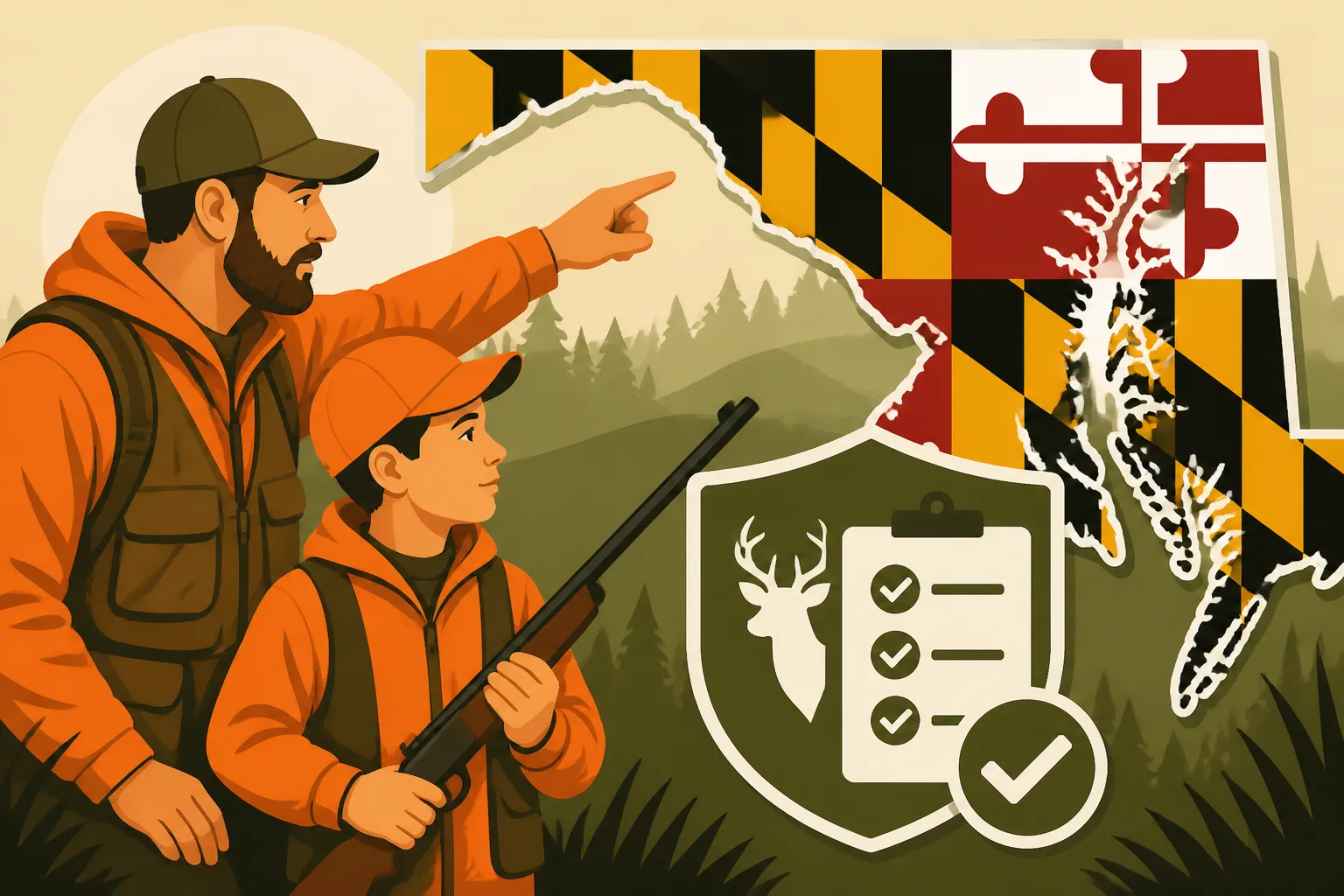
Essentially, an apprentice license grants you the privilege to hunt under the direct supervision of a fully licensed and experienced hunter. This isn't a free pass to go out solo; it's a structured learning experience. The key here is "direct supervision," which means your mentor must be close enough to communicate with you and exercise control over your actions at all times while hunting. Think of it as on-the-job training in the field, where safety and ethical hunting practices are learned hands-on. It covers most game species that a regular hunting license would, making it a comprehensive entry point.
The Philosophy Behind the Program
Maryland's Department of Natural Resources (DNR) recognized that requiring hunter education before someone could even try hunting was a significant deterrent. Many people aren't sure if they'll enjoy hunting enough to commit to the course time and expense. The apprentice program flips that script. It allows a newcomer to experience the camaraderie, the challenge, and the connection with nature firsthand, all while learning from a seasoned pro. This exposure often sparks a deeper interest, leading to more individuals eventually completing hunter education and becoming lifelong participants. It’s about cultivating the next generation of conservationists.
Who Qualifies for an Apprentice License
One of the great things about the apprentice program is its broad accessibility. It's designed for individuals who are new to hunting, regardless of age, though there are some specific age considerations to keep in mind.
Age and Residency Requirements
To be eligible for a Maryland Apprentice Hunting License, you generally need to be at least 16 years old. While younger individuals can also hunt, they fall under the separate Maryland Apprentice and Mentored Hunting program, which has slightly different guidelines for age and required proximity to a mentor. For the standard apprentice license, if you're 16 or older and have never held a regular hunting license in Maryland (or any other state that required hunter education), you're likely a candidate. Residency rules apply just like they do for any other license; there are different costs for residents versus non-residents.
The "Never Held a License" Clause
This is a critical point. The apprentice license is explicitly for new hunters. If you've previously completed a hunter education course and held a regular, full hunting license in Maryland or another state, you won't qualify for the apprentice license. The intent is not to bypass hunter education for experienced hunters, but to offer an introductory experience. If you've just moved to Maryland and your hunter education certificate is from another state, you'd typically apply for a regular non-resident license, assuming your prior education fulfills Maryland's requirements.
| Apprentice Hunter Eligibility | Mentor Hunter Requirements |
|---|---|
| Must be 16 years of age or older (different rules for younger hunters) | Must be at least 18 years old |
| Must not have previously completed an approved hunter education course | Must hold a valid, full Maryland hunting license (and any required stamps) |
| Must not have previously held a regular hunting license in MD or any other state | Must be certified in hunter education if born after July 1, 1973 |
| Must hunt under direct supervision of a licensed mentor | Must provide direct supervision to the apprentice hunter |
| Must purchase required stamps (e.g., Furbearer, Archery, Muzzleloader, Deer, Migratory Game Bird) | Must be close enough to communicate and control the apprentice's actions |
The Mentor Hunter's Critical Role
The success and safety of the apprentice hunting program hinge entirely on the mentor. This isn't just about showing someone where to sit; it's about imparting knowledge, instilling ethical values, and ensuring a safe, positive experience.
What It Means to Be a "Mentor"
A mentor hunter isn't just a hunting buddy; they're an instructor and a guardian. Maryland law defines a mentor as an individual who is at least 18 years old, possesses a valid, full Maryland hunting license (including all necessary stamps, like the Archery Stamp or Muzzleloader Stamp, depending on the season), and if born after July 1, 1973, has completed a hunter education course. This ensures that the person doing the teaching has the necessary experience and legal standing.
The mentor's responsibility goes beyond just having the right paperwork. They are there to teach about wildlife identification, shot placement, legal hunting hours, and the intricacies of the game laws. They also act as a role model for ethical behavior, respect for wildlife, and responsible firearm handling. Mentoring is a rewarding experience, allowing seasoned hunters to pass on their passion and help preserve our hunting heritage.
Direct Supervision: What It Entails
"Direct supervision" is a non-negotiable aspect of the apprentice program. This means the mentor must be close enough to the apprentice to have direct control and immediate voice contact. You can't just drop off an apprentice at a stand and go to another part of the property. This proximity ensures that the mentor can intervene instantly if a safety concern arises, provide immediate instruction, and verify that the apprentice is adhering to all hunting regulations. For example, if you're still-hunting Western Maryland Mountain Timber, you and your apprentice would need to be walking side-by-side, or within shouting distance at all times.
This isn't just a legal requirement; it's a safety measure. Imagine an apprentice, new to the woods, encountering a situation they're unsure of. The mentor is right there to guide them through target identification, confirm legal shooting light, or ensure they understand the local rules, such as Maryland's Legal Weapons by County. Without direct supervision, the program loses its core educational and safety value.
Getting Your Maryland Apprentice License
The process for obtaining an apprentice license is straightforward, designed to be as accessible as the program itself.
Step-by-Step Application Process
- Meet Eligibility: First, ensure you (or your mentee) meet the age and "never held a license" criteria.
- Find a Mentor: Secure an experienced hunter who is willing and qualified to mentor you. They will need to confirm they meet the mentor requirements.
- Purchase Online or In Person: Maryland hunting licenses, including the apprentice license, can be purchased online through the Maryland DNR's COMPASS portal or in person at one of the many authorized license agents across the state. These agents include sporting goods stores, bait shops, and some county government offices. When applying, you'll declare your eligibility.
- Add Required Stamps: Depending on what you plan to hunt, you’ll need to purchase additional stamps. For example, if you plan to hunt deer with a bow, you’ll need an Archery Stamp. If you want to hunt migratory birds, you'll need the Maryland Migratory Game Bird Stamp and complete the HIP registration. Your mentor can help you identify which stamps are necessary for your intended hunt.
- Carry Your License: Always carry your apprentice hunting license and any required stamps with you while hunting. While Maryland allows you to carry your license on your phone, having a physical copy can often be helpful, especially in remote areas where cell service might be spotty.
License Costs and Additional Permits
The cost of a Maryland Apprentice Hunting License is generally comparable to a regular resident or non-resident hunting license, though specific fees can change, so always check the current Maryland Hunting Licenses and What They Cost page on the DNR website. For Maryland residents, the base hunting license is usually quite affordable, making it a low-cost entry point. Non-resident fees are higher, which is standard practice across most states.
Beyond the base apprentice license, you will also need to purchase any required stamps or permits for the specific game you plan to pursue. For instance, to hunt deer, you'll need a Maryland Archery Stamp, Muzzleloader Stamp, or a Furbearer Stamp, depending on the weapon you're using. If you're venturing into the unique habitat of the Eastern Shore, you might even need a Sika Deer Stamp and Bag Limits if that's your target species. These stamps are critical and neglecting to purchase them could lead to fines.
Platforms like GoHunt can be excellent resources for understanding current license requirements, costs, and finding authorized vendors in your area, making the preparation process much smoother for both the apprentice and the mentor.
Benefits and Limitations of the Apprentice Program
The Maryland Apprentice Hunting License is a fantastic tool, but it's important to understand both its advantages and its boundaries.
Why the Apprentice License Is a Game-Changer
For many, the apprentice license is the only way they would ever experience hunting. It removes the initial barrier of a lengthy hunter education course, allowing immediate participation under safe, guided conditions. This hands-on learning is incredibly effective. An apprentice can learn about proper shooting form, ethical shot placement, tracking game, and even the nuances of reading a trail from an experienced hunter right in the field. This immersive experience can be far more impactful than classroom-only learning.
It also fosters a deeper connection between experienced hunters and newcomers. Mentoring isn't just about teaching skills; it's about sharing a passion, building relationships, and transferring the rich traditions of hunting. It helps preserve hunting heritage by actively involving new generations. For anyone wondering if hunting is for them, this program provides a risk-free, educational, and often thrilling introduction.
What the Apprentice License Doesn't Cover
While incredibly valuable, the apprentice license is a temporary solution, not a permanent bypass of hunter education. It typically allows you to hunt for one license year. After that, if you wish to continue hunting, you must complete an approved hunter education course. This ensures that all long-term hunters have a comprehensive understanding of safety, regulations, and conservation principles.
Additionally, the direct supervision requirement means you can never hunt alone with just an apprentice license. This can sometimes limit flexibility, especially if your mentor isn't always available. It's a structured learning environment, not independent hunting. Finally, remember that all Maryland's Deer Bag Limits and Antler Rule still apply, and your mentor will be key in helping you understand and adhere to these regulations. Planning a hunting trip, whether it's to a local farm or one of Maryland's Wildlife Management Areas, is much simpler when you know all the rules upfront.
Preparing for Your First Apprentice Hunt
Getting ready for your first hunt as an apprentice or as a mentor requires some thoughtful preparation to ensure a safe, successful, and enjoyable experience.
Essential Gear for Apprentice Hunters
The gear an apprentice needs will largely depend on the type of hunting planned, but some basics are universal. For safety, blaze orange clothing is paramount, and you need to know How Much Blaze Orange Maryland Requires to stay legal and visible. Beyond that, comfortable, quiet clothing suitable for the weather, sturdy boots, and a good pair of binoculars are essential. If you're using a firearm, ensure it's appropriate for the game, you're familiar with its operation, and you've practiced shooting it safely and accurately at a range. For archery, the same principles apply to your bow and arrows.
Your mentor should guide you on specific gear, and they might even have extra equipment you can borrow to get started. Don't feel pressured to buy all the latest and greatest gear right away. Focus on safety and functionality.
Safety Briefing and Field Etiquette
Before you even step foot in the woods, a thorough safety briefing from your mentor is crucial. This should cover firearm safety rules (e.g., always point the muzzle in a safe direction, keep your finger off the trigger until ready to shoot), understanding your target and what lies beyond, and communicating in the field. Discuss signals for when to stop, when to move, and how to indicate game.
Field etiquette is just as important. Learn about minimizing noise, moving slowly and deliberately, and respecting private property boundaries. Tools like GoHunt can be invaluable for scouting Maryland Public Land Before Season, helping you and your mentor understand terrain, property lines, and potential hunting spots, which can be particularly useful when discussing how to approach an area quietly and respectfully. Your mentor will teach you the nuances of things like Maryland Shooting Hours and Legal Light, and how to approach situations like retrieving game from private land.
Transitioning Beyond the Apprentice License
The apprentice license is a starting point, a stepping stone. The ultimate goal is to become a fully licensed, independent hunter.
Completing Hunter Education
After your apprentice year, the next step is to complete a Maryland-approved hunter education course. This comprehensive course covers firearm safety, hunting ethics, wildlife identification, conservation principles, and specific Maryland hunting regulations in detail. It's available in various formats, including online courses followed by a field day, or traditional classroom settings. Successfully completing this course will earn you a hunter education certificate, which is required to purchase a regular hunting license.
Think of the hunter education course as solidifying everything you learned hands-on during your apprentice period, filling in any gaps, and providing the theoretical foundation for safe and ethical hunting for life. It's a critical investment in your future as a hunter.
Becoming an Independent Hunter
Once you have your hunter education certificate, you can purchase a regular Maryland hunting license. Now, you can hunt independently, applying all the knowledge and skills you gained as an apprentice and through your education course. While you'll be independent, the spirit of mentorship doesn't have to end. Many experienced hunters continue to learn from each other, share knowledge, and even mentor new apprentices themselves, coming full circle in the tradition of passing it on. You might even find yourself knocking on doors in Maryland Farm Country for permission or taking on the challenge of Hunting Maryland's Split Firearms Deer Season on your own.
Disclaimer
Please remember that hunting regulations, license requirements, and fees are subject to change. Always consult the official Maryland Department of Natural Resources (DNR) website or their current Hunting & Trapping Guide for the most up-to-date and accurate information before planning any hunting activities. This guide is intended for informational purposes only and does not supersede official state regulations.