Youth Waterfowl Hunt Days and Ages
It can be incredibly challenging to navigate the labyrinth of hunting regulations, especially when you're trying to introduce a young, aspiring hunter to the outdoors. Many of us remember the excitement of our first hunt, but trying to figure out all the licenses, stamps, and special dates for youth can feel like deciphering an ancient text. This guide aims to demystify Maryland's Youth Waterfowl Hunt Days, breaking down the age requirements, regulations, and offering practical advice to ensure you and your young hunter have a successful and memorable experience.
Understanding Maryland's Youth Waterfowl Hunt Days
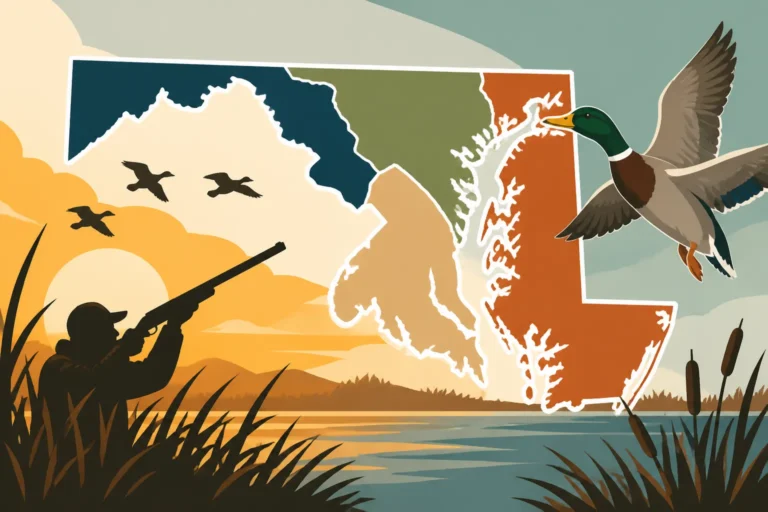
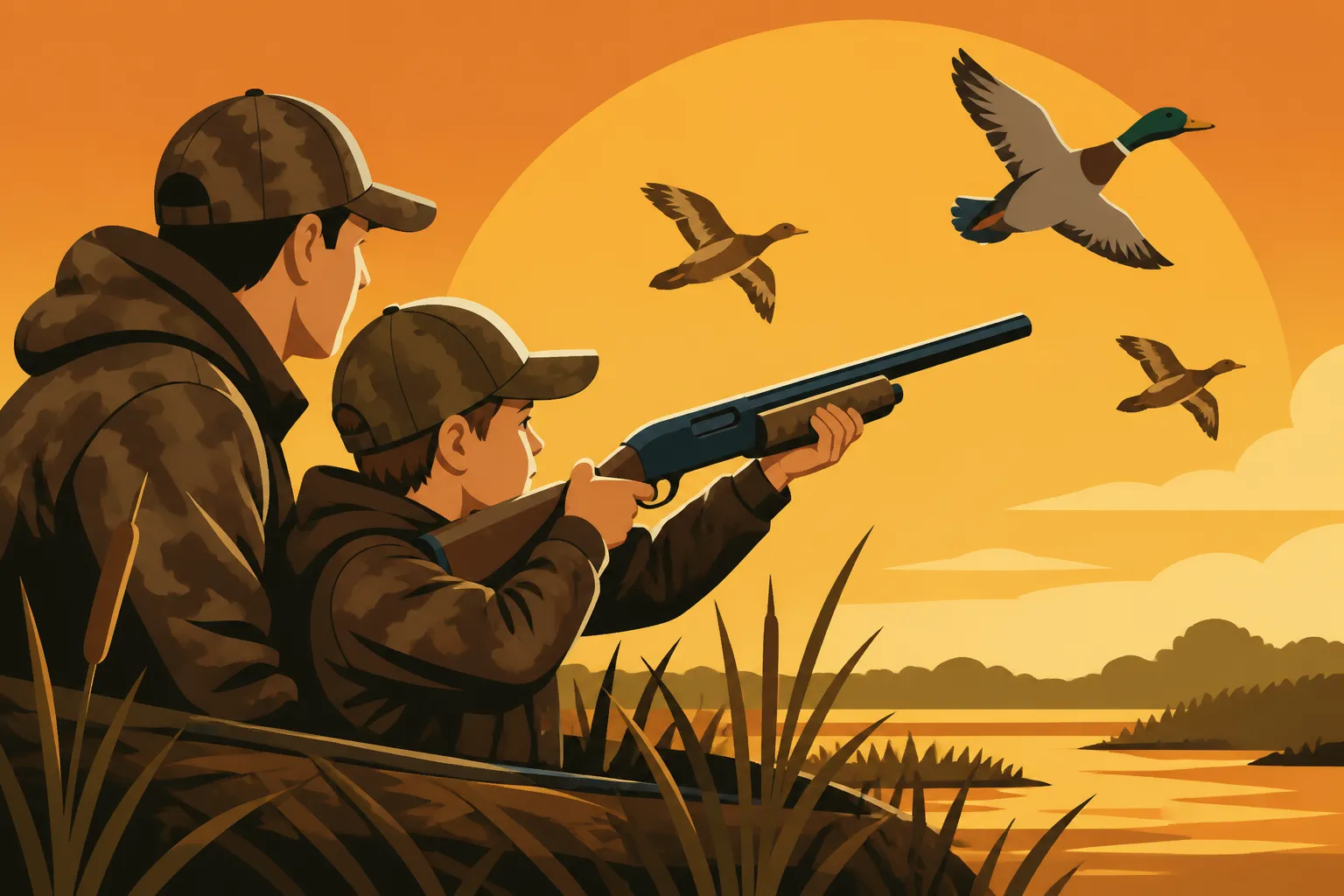
Maryland's Youth Waterfowl Hunt Days are a fantastic opportunity designed specifically to give young hunters a dedicated time to pursue ducks, geese, and coots without the usual competition from adult hunters. It’s a chance for them to focus on the experience, learn crucial skills, and build a lasting connection to the hunting tradition. These special days are critical for fostering the next generation of conservationists and ethical hunters, providing a less pressured environment where learning takes center stage.
Typically, Maryland offers two separate Youth Waterfowl Hunt Days each season. The first usually falls in late September or early October, coinciding with the early migration of some puddle ducks and resident geese. This early season hunt often provides mild weather, making it a more comfortable and enjoyable experience for younger hunters who might be sensitive to cold. It’s a perfect opener to the waterfowl season, allowing youth to get a feel for decoying, calling, and blind manners before the full swing of regular season pressure. The second youth hunt day usually occurs in February, often in conjunction with the Veteran and Military Waterfowl Day, providing another valuable opportunity towards the end of the waterfowl season. This late-season hunt can be colder, but it often brings in fresh migrations of birds, offering a different set of challenges and rewards.
The key benefit of these days is the reduced hunting pressure. With only youth and their adult mentors afield, there's less competition for prime spots, and often, birds are more relaxed. This allows for more teaching moments, more opportunities for the youth to call the shot, and a generally more relaxed atmosphere. It's not just about harvesting birds; it's about soaking in the experience, understanding wildlife, and appreciating the marsh or field environment. These are the days where memories are truly made, not just limits filled. If you're looking to get your child involved in the waterfowl tradition, these designated days are truly invaluable and something every mentor should take advantage of.
Age Requirements and Eligibility for Youth Hunters
Getting the age requirements right is paramount for anyone planning to take advantage of Maryland's Youth Waterfowl Hunt Days. Generally, these special days are open to young hunters who are 16 years old or younger at the time of the hunt. It's a fairly straightforward rule, but it’s crucial to double-check the current year's Maryland DNR Hunting and Trapping Guide, as regulations can sometimes see minor adjustments. The intent is to provide opportunities for those still learning the ropes, often before they're fully independent hunters.
For a youth to participate, they must possess a valid Maryland Junior Hunting License. This license is specifically designed for younger hunters and is an essential first step. While the age bracket is generally 16 and under, there are additional requirements regarding stamps. If the young hunter is 16 or 17 years old, they are also required to purchase both a Maryland Migratory Game Bird Stamp and a Federal Duck Stamp. For those under 16, these stamps are generally not required, though they must still possess their junior hunting license. It’s a good idea to sort out these license and stamp requirements well in advance of the hunt date to avoid any last-minute stress, perhaps by using a reliable platform like GoHunt to manage licenses digitally.
Beyond the licenses, there's a vital mentorship component. Any youth hunter participating in these days must be accompanied by an adult who is at least 18 years old. This adult acts as a mentor and plays a crucial role in the experience. However, there's a very important distinction: the accompanying adult is not permitted to hunt during these youth-only days. Their role is strictly to supervise, provide guidance, call birds, set decoys, and retrieve downed game, but they cannot carry a hunting weapon or participate in the actual taking of game. This ensures the focus remains entirely on the youth's experience and learning. This is also where the state's broader program for Maryland Apprentice and Mentored Hunting shines, providing a structured way for new hunters to learn from experienced ones.
Key Rules and Regulations for Youth Waterfowl Hunts
Navigating the rules and regulations can feel like a tall order, but it’s essential to ensure a safe, legal, and enjoyable experience for everyone involved. For Maryland's Youth Waterfowl Hunt Days, the core principle is that while the hunter is young, the ethical and legal standards remain adult-level. Understanding these nuances protects both the youth and the integrity of the hunt.
First and foremost, the regular daily bag limits and species restrictions for ducks, geese, and coots that apply to the regular season are in effect during youth days. This means that if the standard mallard limit is two, the youth hunter can only harvest two mallards. There's no special increased bag limit for youth hunters; they adhere to the same conservation-minded limits as adult hunters during the regular season. This consistency helps teach responsibility and the importance of adhering to regulations. It's important to consult the current Maryland Duck Season Dates and Maryland Canada Goose Season Dates for species-specific limits, as these can vary.
Another critical regulation to remember is shooting hours. Legal shooting hours on youth days are the same as the regular season: from one-half hour before sunrise until sunset. Planning your arrival at the blind or field well before legal shooting light is essential for setting up decoys and getting settled without rushing. This also applies to safety zones and setback rules, which dictate how close you can hunt to occupied dwellings or public roads. These regulations are in place for public safety and must be strictly followed. Additionally, all waterfowl hunters, including youth, must register with the Migratory Bird Harvest Information Program (HIP). This is a federal requirement, and completing the HIP Registration for Migratory Bird Hunters is quick and free, but mandatory.
| Requirement/Rule | Description | Applicable to Youth (Under 16) | Applicable to Youth (16-17) | Applicable to Adult Mentor |
|---|---|---|---|---|
| Hunting License | Valid Maryland Hunting License | Junior Hunting License | Junior Hunting License | Regular Hunting License |
| Maryland Migratory Game Bird Stamp | State stamp for migratory birds | Not required | Required | Required |
| Federal Duck Stamp | Federal stamp for waterfowl | Not required | Required | Required |
| Hunter Education | Required for all hunters born after July 1, 1973 | Required | Required | Required |
| Accompanying Adult | Must be 18+ and licensed | Required | Required | Must be 18+, licensed, and not hunting |
| Weapon | Legal firearms/bows for waterfowl | Youth must possess/use | Youth must possess/use | Cannot possess/use a weapon |
| Bag Limits | Same as regular season | Standard limits | Standard limits | N/A (not hunting) |
| Shooting Hours | 1/2 hour before sunrise to sunset | Standard hours | Standard hours | Standard hours |
| HIP Registration | Federal migratory bird program | Required | Required | Required |
| Blaze Orange | Not required for waterfowl in a blind/boat | Not required | Not required | Not required |
Ensuring that the youth hunter has completed their Maryland Hunter Education Requirements is also non-negotiable for anyone born after July 1, 1973. This course teaches vital safety procedures, ethical hunting practices, and conservation principles, laying a solid foundation for a lifetime of responsible hunting. It’s not just a hoop to jump through; it’s an education that can prevent accidents and instill deep respect for wildlife. Reviewing these rules with your young hunter before the hunt, perhaps with a printout from the DNR website or an app like GoHunt, can reinforce their understanding and preparedness.
Making the Most of Youth Waterfowl Days: Tips for Mentors and Young Hunters
Youth Waterfowl Hunt Days are more than just an opportunity to shoot birds; they're an invaluable classroom. For mentors, it’s a chance to pass on traditions, teach skills, and model responsible hunting behavior. For young hunters, it's an immersive experience that can shape their connection to nature and conservation. Maximizing this experience requires thoughtful planning and a focus on the broader lessons.
For Mentors: Cultivating the Experience
Your primary role as a mentor on these days is to facilitate learning and enjoyment, not necessarily to fill a limit. Start by focusing on comfort and safety. Dress the young hunter appropriately for the weather, providing layers for cold mornings, waterproof gear for marsh hunts, and comfortable seating in the blind. A cold, wet, or uncomfortable child is unlikely to have a positive experience. Bring plenty of snacks and drinks, as boredom or hunger can quickly derail enthusiasm. Consider having a thermos of hot chocolate on colder days to lift spirits.
Dedicate time to teaching. Before the hunt, review basic firearm safety, discuss decoy spreads, and explain bird identification. During the hunt, narrate what you're doing: "I'm checking the wind here to see how the birds might approach," or "See how that group of Puddle Ducks of the Maryland Marshes is cupping their wings?" Point out different species as they fly by, even if they aren't legal or in range. Encourage the youth to participate in setting up decoys or calling. Even if they aren't great callers yet, letting them try fosters engagement. Patience is key; don't rush them, and celebrate small successes, like a good call sequence or identifying a specific duck.
After the shot, emphasize ethical retrieval. Teach them about the quick recovery of downed birds, respecting the animal, and proper field dressing. These are crucial steps in becoming a responsible hunter. Talk about conservation and why we have bag limits and seasons. Discuss the importance of habitat and clean water for Ducks of Maryland's Chesapeake Bay. Use resources like GoHunt to scout potential areas, identify public land access, or even track weather patterns that might influence bird movement, turning every piece of preparation into a teachable moment. Remember, your calm demeanor and positive attitude are contagious.
For Young Hunters: Embracing the Adventure
Young hunters, this is your day! Approach it with an open mind and a willingness to learn. Ask questions, even if you think they might sound silly. Your mentor is there to guide you, and there's no better way to learn than by being curious. Pay attention to your surroundings: the sounds of the marsh waking up, the different birds flying, the way the decoys look on the water. These details are all part of the magic of waterfowl hunting.
Practice your shooting before the hunt. A confident shot is a safe and ethical shot. When a bird comes in, remember your safety rules: muzzle control, target identification, and being sure of your backdrop. Don't feel pressured to shoot every bird; sometimes, just watching them work the decoys is a thrill in itself. Celebrate any birds you harvest, understanding the effort it took to bring them to hand and the food they will provide. Take pride in your role in conservation and carrying on hunting traditions.
Make sure you're comfortable. Dress in layers, wear waterproof boots (especially if you're Hunting a Marsh Island by Boat), and tell your mentor if you're too cold, hot, or need a snack. Being comfortable means you can stay focused and enjoy the experience fully. This time with your mentor in the blind or field is special, so soak it all in. These are the days you'll look back on for years to come, long after the ducks are cleaned and the decoys stored away.
Disclaimer
Please remember that hunting regulations can change frequently. This guide is intended for informational purposes only and does not supersede official Maryland Department of Natural Resources (DNR) publications. Always consult the current Maryland Hunting & Trapping Guide or the DNR website before heading afield to ensure you are fully compliant with all state and federal regulations.