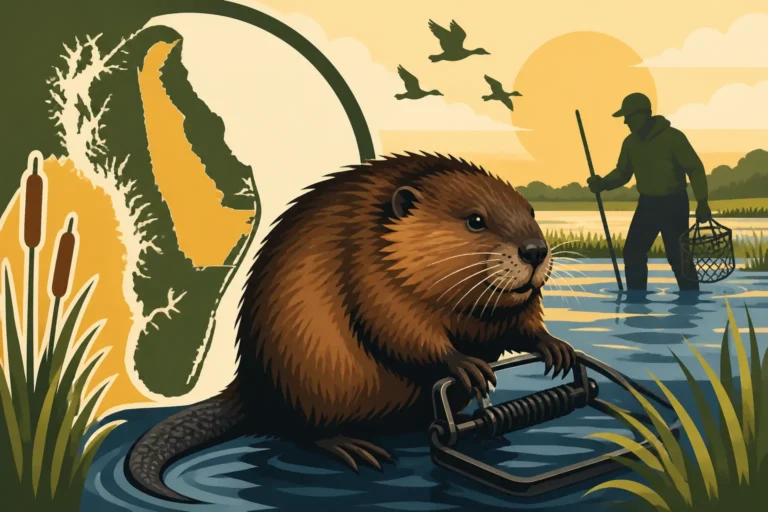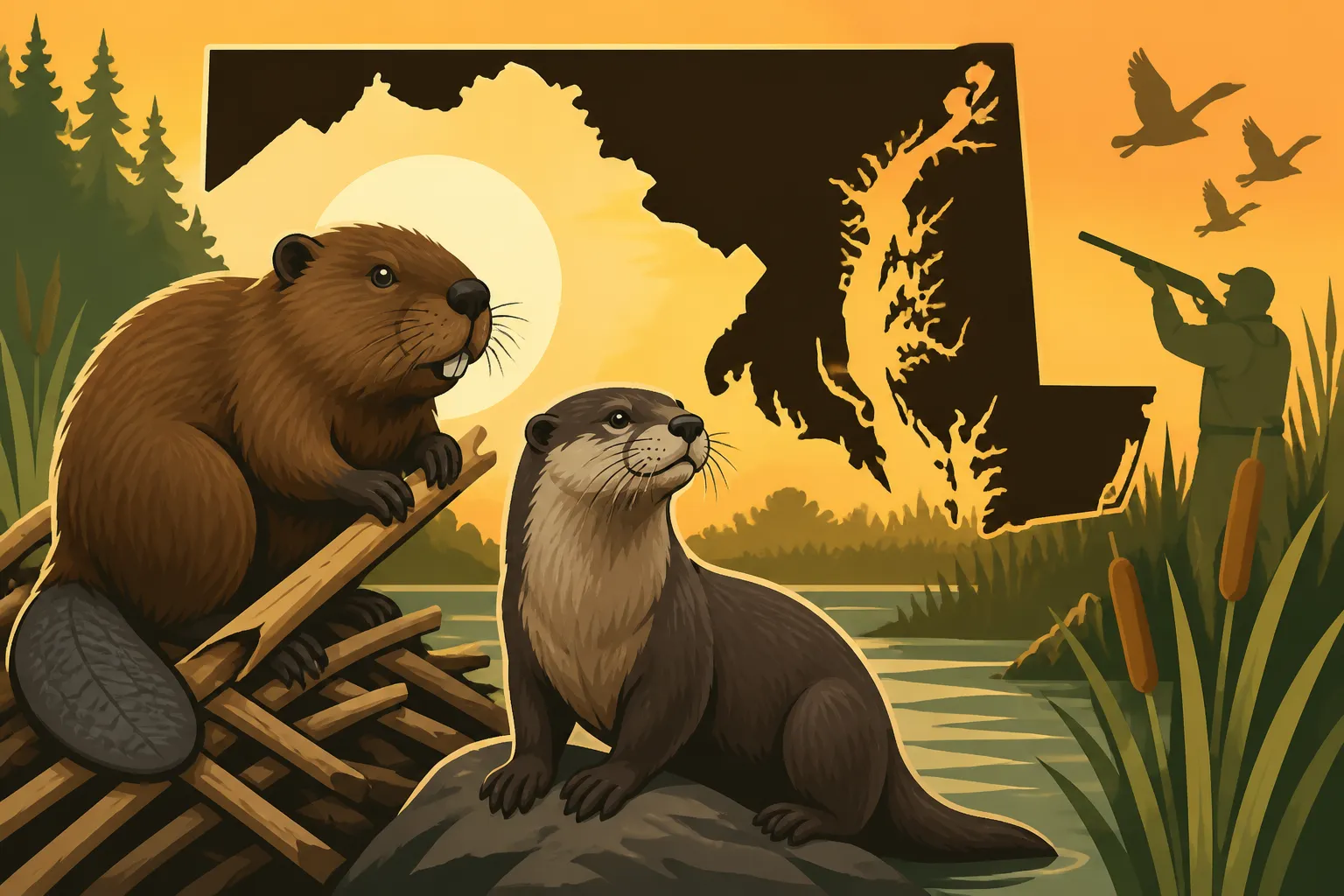
Beavers and Otters in Maryland
When you think about Maryland's diverse wildlife, deer and turkeys often steal the spotlight. But hidden in the quieter corners of our waterways and woodlands are two fascinating, and often misunderstood, creatures: beavers and otters. These aquatic mammals play vital roles in their ecosystems, and understanding their habits, habitats, and how they interact with the broader landscape can give you a much richer perspective on the Maryland outdoors, whether you're a hunter, trapper, or just a curious nature enthusiast. This guide will take a deep dive into the lives of these industrious dam builders and playful predators.
Understanding Maryland's Beaver Population and Impact
Beavers are true ecosystem engineers, shaping the landscape in profound ways. Their presence can transform a simple stream into a complex wetland, creating new habitats for countless other species, but also sometimes presenting challenges for landowners.
Historical Presence and Resurgence in Maryland
For a long time, beavers were largely absent from much of Maryland's landscape. Over-trapping during colonial times and westward expansion nearly eradicated them from many areas. It's a classic story of human impact, where a valuable resource was exploited without much thought for its long-term viability. Thankfully, through conservation efforts and reintroduction programs, beavers have made a remarkable comeback across the state. Today, you can find them in nearly every county, from the remote mountain streams of Western Maryland to the slow-moving tidal creeks of the Eastern Shore. This resurgence is a testament to nature's resilience, given a helping hand.
Their return hasn't been without its quirks, though. Unlike their historic distribution, modern beaver populations are often found closer to human habitation than one might expect. They've adapted to fragmented landscapes, finding suitable habitat in suburban stream corridors and agricultural drainage ditches. This adaptability is both impressive and, at times, problematic, leading to more frequent encounters with people.
Dam Building and Wetland Creation
The most iconic characteristic of beavers is their unparalleled ability to build dams. Using sticks, mud, rocks, and whatever else they can get their paws on, they construct intricate structures that impound water, creating ponds that serve as their homes and protection from predators. These lodges, often domed structures rising from the water, are complex marvels of natural engineering, complete with underwater entrances and dry living chambers.
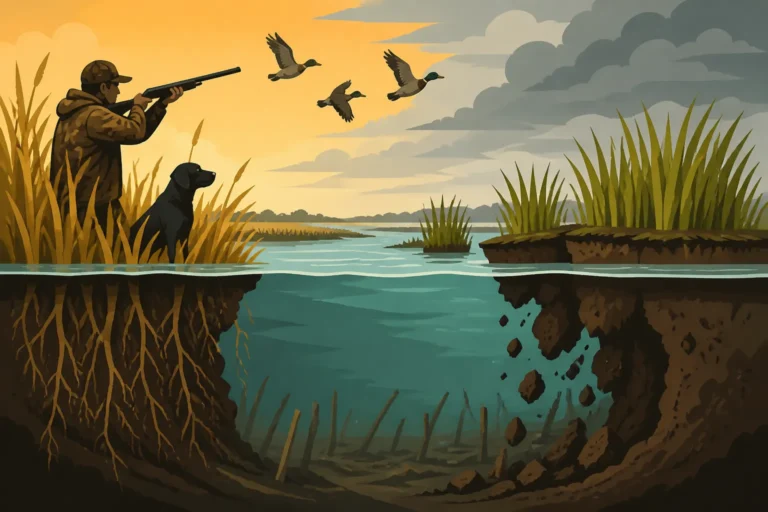
The wetlands created by beaver dams are ecological powerhouses. They slow down water flow, reduce erosion, filter pollutants, and recharge groundwater. More importantly for wildlife enthusiasts, these ponds create critical habitat for a vast array of species. Ducks and geese thrive in the calm waters, wading birds find ample foraging opportunities, and fish populations can flourish, which in turn attracts predators. For hunters, these beaver ponds can be magnets for waterfowl, drawing in species like wood ducks, mallards, and teal, offering fantastic opportunities, as detailed in our guide on Hunting a Beaver Pond for Wood Ducks.
Impact on Timber and Agriculture
While beavers are ecological benefactors, their activities can sometimes clash with human interests, particularly in timber and agriculture. Their constant need for woody material means they'll fell trees, sometimes valuable timber, and their dams can flood fields, roads, or even residential areas. It's a real frustration for landowners when a newly planted sapling grove is gnawed down or a low-lying pasture turns into a shallow lake overnight.
This isn't malicious on the beaver's part, of course; they're simply doing what beavers do. But for a farmer watching crops drown or a landowner with a meticulously managed woodlot, it can feel like a direct assault. Understanding the balance between their ecological benefits and potential for damage is key to managing these industrious creatures effectively. Often, it requires working with wildlife agencies to find solutions that protect property while respecting the beaver's place in the ecosystem.
The Elusive River Otter: Maryland's Aquatic Predator
If beavers are the engineers, river otters are the playful, acrobatic masters of Maryland's waterways, a swift and skilled hunter that brings life to our rivers and marshes.
Distribution and Preferred Waters
River otters are widespread across Maryland, thriving in healthy aquatic environments. You'll find them in coastal marshes, tidal creeks, freshwater rivers, and even larger streams, particularly those with good cover along the banks. They're equally at home in the murky waters of the Eastern Shore marshes as they are in the clearer mountain streams of Western Maryland. Their presence is often a good indicator of water quality, as they require clean, abundant food sources.
These sleek, muscular animals are perfectly adapted for life in the water. Their streamlined bodies, webbed feet, and powerful tails make them incredibly agile swimmers, capable of diving, twisting, and turning with impressive speed. While they spend much of their time in the water, they are not entirely aquatic and will travel overland between water bodies, especially when seeking new territories or food sources.
Diet and Hunting Habits
Otters are carnivores, with a diet primarily consisting of fish. They are opportunistic hunters, however, and will readily consume crayfish, frogs, turtles, muskrats, and even small birds or mammals when the opportunity arises. Their keen eyesight, excellent sense of smell, and quick reflexes make them formidable predators in their watery domain. They often hunt cooperatively, especially families, driving fish into shallows or corners where they are easier to catch.
Watching an otter hunt is truly a sight to behold—they are a whirlwind of motion, darting and weaving through the water with an almost joyful intensity. Despite their efficiency, they rarely pose a significant threat to game fish populations, generally targeting abundant, slower-moving species. Their role as a top-tier predator helps maintain the health and balance of aquatic ecosystems, ensuring that prey populations remain robust.
Social Structures and Movement
River otters are generally semi-social animals, often seen alone or in small family groups, particularly mothers with their pups. While they don't form large colonies like some other furbearers, they do maintain territories, which they mark with scent from glands, often at "latrines" along the water's edge. These social dynamics are part of what makes them such interesting creatures to observe.
Their movements can be quite extensive, especially for young otters dispersing from their birth territory. They follow waterways, sometimes traveling many miles in search of new hunting grounds or mates. These movements are often nocturnal or crepuscular, meaning they are most active at dawn and dusk, though they can be seen at any time of day. Their playful nature is legendary; they are often observed sliding down muddy banks, chasing each other, and generally exhibiting a zest for life that is captivating to witness.
Habitat Overlap: Where Beavers and Otters Share Territory
It might seem counterintuitive for two such distinct species to share space, but in Maryland, beavers and otters frequently coexist, often to their mutual benefit, especially in the rich tapestry of wetlands.
Shared Waterways and Food Sources
Beavers and otters, both being highly dependent on aquatic environments, naturally find themselves occupying many of the same waterways across Maryland. From the winding rivers that flow through Maryland's Western Mountain Forests to the vast marshlands of Maryland's Lower Eastern Shore Marshes, these two species are often neighbors. The key to their coexistence lies in their differing primary food sources and hunting styles. Beavers are vegetarians, gnawing on trees and aquatic plants, while otters are carnivorous hunters of fish and other small aquatic life.
While their direct dietary competition is minimal, they do share a reliance on the health of the overall aquatic ecosystem. Clear, unpolluted water is vital for both species, ensuring an abundance of plant life for beavers and a healthy fish population for otters. This shared need for clean, productive waterways often means that if you find healthy populations of one, the other is likely not far behind, indicating a vibrant habitat.
Beaver Ponds as Otter Havens
Perhaps the most significant interaction between beavers and otters is the way otter populations benefit directly from beaver activity. Beaver dams create ponds, and these ponds become prime habitat for otters. The deeper, more stable water conditions attract a greater diversity and abundance of fish, frogs, and crayfish—all staple foods for otters. The lodges and bank burrows created by beavers also provide excellent denning and resting sites for otters, offering protection from predators and the elements.
These beaver-engineered habitats offer ideal conditions for otters: plenty of food, stable water levels, and secure cover. It's not uncommon to observe otters swimming around a beaver lodge, or even using an abandoned beaver den as their own. This symbiotic relationship highlights the interconnectedness of wetland ecosystems, where the actions of one species can profoundly benefit many others, creating rich pockets of biodiversity that are a joy to discover while Scouting Maryland Public Land Before Season.
Winter Survival Strategies
Winter can be a challenging time for all wildlife in Maryland, but both beavers and otters have developed clever strategies to survive the colder months, often leveraging their shared environment. Beavers meticulously stock their underwater food caches, ensuring they have a supply of edible branches throughout the winter. They remain active under the ice, venturing out from their lodges through underwater tunnels.
Otters, too, remain active all winter, utilizing their dense fur and high metabolism to brave the cold. They are masters at finding open water, even in heavily iced-over areas, often using beaver channels or spring-fed sections of streams. Sometimes, they even take advantage of beaver activity, using the unfrozen areas around beaver lodges to access food. Their playful sliding isn't just for fun; it's an efficient way to travel across snow and ice, conserving energy as they move between hunting spots.
Identifying Sign: Telling Beaver from Otter Activity
Knowing the difference between beaver and otter sign can tell you a lot about the wildlife inhabiting an area. For hunters, trappers, or just curious observers, being able to read these clues on the landscape is an invaluable skill.
Beaver Chews and Lodges
The most unmistakable sign of beaver presence is their characteristic chewing on trees. Beavers use their powerful incisors to fell trees, strip bark for food, and cut branches for dam and lodge construction. Look for conical stumps with distinct chisel marks, or trees that have been partially girdled. The size of the chew marks can even give you an idea of the size of the beaver! You'll also see piles of freshly cut branches near the water's edge, often with the bark peeled off, indicating a food cache.
Then there are the dams and lodges themselves. Beaver dams vary in size, from small, almost imperceptible accumulations of sticks and mud across a ditch to massive, intricate structures that can span dozens of yards and create substantial ponds. Lodges are the beaver's home, typically a dome-shaped mound of sticks and mud rising from the water, often in the middle of a pond or firmly anchored to a bank. These are clear indicators of a resident beaver colony, a feature you might notice when using a mapping tool like GoHunt to analyze terrain.
Otter Slides and Spraint
Otter sign is quite different and often speaks to their playful and predatory nature. One of the most iconic signs is the "otter slide." These are smooth, worn paths down steep banks, especially muddy or snowy ones, where otters repeatedly slide into the water. If you find one, it's a sure sign of regular otter activity in the area. These slides are often found near good fishing spots or areas where otters frequently haul out.
Another important sign is "spraint," which is the fancy term for otter scat. Otter spraint often contains fish scales, bone fragments, and crayfish parts, and has a distinctive musky, fishy odor. Otters typically deposit spraint in prominent locations, such as rocks, logs, or small rises along the water's edge, creating what's known as an otter latrine. These latrine sites serve as territorial markers and communication hubs, providing valuable insight into their movements and diet. Finding these can be a critical step for trappers interested in Maryland's Furbearers and Where They Live.
Tracks and Trails
While less commonly seen or as distinctive as their other signs, both beavers and otters leave tracks and trails. Beaver tracks show large, webbed hind feet and smaller, non-webbed front paws. Their wide, dragging tail often leaves a distinct trail between their footfalls, especially in soft mud or snow. You'll typically find beaver tracks along pond edges, near dams, or leading to trees they've been felling.
Otter tracks are typically smaller and show five toes, often with claw marks. Their gait can vary, but in soft ground or snow, they often leave a bounding or sliding trail. Like beavers, their tails can leave a drag mark, though it's usually thinner and less pronounced than a beaver's. Otters often utilize specific travel routes along banks or through vegetation, creating subtle trails that can be identified by their tracks and occasional spraint deposits.
Here’s a quick overview to help distinguish their signs:
| Feature | Beaver Sign | Otter Sign |
|---|---|---|
| Primary Activity | Dam building, tree felling | Hunting, playing, sliding |
| Chewing | Conical stumps, peeled branches, distinct chisel marks | None |
| Structures | Dams, lodges (mounds of sticks/mud in water) | Dens (often repurposed burrows), no large structures |
| Movement Trails | Wide, often with heavy tail drag, near water/trees | Slides down banks, bounding trails, lighter tail drag |
| Scat (Spraint) | Pellets or amorphous piles, usually plant matter | Fish scales, bone, crayfish parts; musky, fishy odor |
| Preferred Habitat | Slow-moving water, ponds, wetlands, wooded banks | Clean rivers, streams, marshes with good cover |
Regulations and Interactions for Hunters and Trappers
Understanding the legal framework surrounding beavers and otters is crucial for anyone interacting with these species in Maryland, especially trappers and landowners dealing with nuisance animals.
Trapping Seasons and Permits
In Maryland, both beavers and otters are classified as furbearers and are managed through regulated trapping seasons. There is no hunting season for these species with traditional firearms or archery equipment. Trapping is the primary method for harvest and management, providing opportunities for licensed trappers while also helping to control populations where necessary. The specific dates for Trapping Season Dates by Species vary by region and can change, so it's absolutely vital to consult the current Maryland Guide to Hunting & Trapping for the most up-to-date information.
To participate in trapping, you must hold a valid Maryland trapping license, as detailed in Maryland Trapping License Requirements. This isn't just about legality; it's about ethical and responsible practices. Trappers play a critical role in wildlife management, ensuring healthy populations and mitigating conflicts. It’s a specialized skill that requires knowledge of animal behavior, trap placement, and humane handling.
Damage Control Permits for Landowners
When beaver activity, such as dam building and tree felling, causes significant damage to property—like flooding agricultural fields or destroying valuable timber stands—landowners often have recourse through nuisance wildlife permits. These permits allow landowners, or an agent acting on their behalf, to remove beavers outside of the regular trapping season to alleviate damage. This isn't a free-for-all; it's a targeted solution to specific problems.
The process usually involves contacting the Maryland Department of Natural Resources (DNR) to assess the situation and determine the appropriate course of action. They can provide guidance on effective, legal, and humane methods for removing nuisance beavers. For those looking to manage nuisance beaver activity or even explore trapping opportunities, knowing the precise boundaries of your property or the affected area is crucial, and a resource like GoHunt can help clarify property lines and avoid accidental trespassing, especially when managing beaver dams that often span property lines.
Safety and Ethics Near Beaver Dams
Whether you're fishing, kayaking, or scouting for deer, encountering beaver dams is a common occurrence in Maryland's waterways. It's important to approach these areas with a degree of caution and respect. While beavers are generally shy and will avoid humans, they are powerful animals. Approaching a lodge too closely or attempting to dismantle a dam without proper authorization can be risky. Dams can be unstable, and interfering with them can have unintended ecological consequences, potentially flooding areas downstream or draining a valuable wetland.
Ethically, it's about respecting the work these creatures do and understanding their role in the ecosystem. If you encounter a dam that appears to be causing problems, the best approach is always to report it to the landowner or the Maryland DNR, rather than attempting to resolve it yourself. For trappers, using humane traps and checking them regularly is paramount, adhering strictly to all regulations and best practices.
Conservation and Management Efforts for Aquatic Furbearers
Maryland's approach to beavers and otters is rooted in balancing their ecological importance with human interests, ensuring these valuable furbearers continue to thrive across the state.
Importance in the Ecosystem
Both beavers and otters are considered keystone species in their respective niches, meaning their presence has a disproportionately large effect on their environment. Beavers, through their dam-building, create and maintain wetlands that are vital for water quality, flood control, and biodiversity. These beaver-created habitats support everything from amphibians and insects to waterfowl and deer, enriching the entire ecosystem. They truly are nature's hydrologists.
Otters, as apex predators in aquatic food webs, help keep fish populations healthy by culling weaker individuals and preventing overpopulation of certain species. Their presence signifies a robust and clean aquatic environment. Without these two species, many of Maryland's wetlands and waterways would look very different and be far less diverse and resilient. Protecting them is integral to maintaining the overall health of Maryland's natural resources.
Monitoring and Research
The Maryland Department of Natural Resources (DNR) actively monitors beaver and otter populations across the state to ensure their long-term health and to inform management decisions. This involves surveys, harvest data analysis from trapping seasons, and habitat assessments. Understanding population trends, distribution, and overall health allows wildlife managers to adjust trapping regulations as needed, ensuring sustainable populations for future generations.
Research efforts also focus on understanding how these species interact with their environment and with human populations. For example, studies might look at how beaver activity impacts specific waterfowl nesting grounds or how otter movements are affected by changes in water quality. This scientific approach is critical for adaptive management, allowing the state to respond to environmental changes and new challenges effectively.
Coexisting with Wildlife
For many Marylanders, learning to coexist with wildlife like beavers and otters is a growing necessity, especially as human development encroaches on wild spaces. This often involves a combination of tolerance, preventative measures, and sometimes, targeted intervention. For landowners experiencing beaver damage, solutions like installing culvert guards or "beaver deceivers" can manage water levels without removing the beavers, allowing for coexistence.
For hunters and trappers, understanding these species enriches the overall experience. Knowing where to look for River Otters in Maryland Waters or how beaver activity affects waterfowl movements adds another layer to their time outdoors. Embracing these species as integral parts of Maryland's natural heritage, rather than just as nuisances or targets, fosters a deeper connection to the land and its wild inhabitants. Ultimately, the presence of beavers and otters speaks to the health and vitality of Maryland's diverse ecosystems, reminding us of the intricate balance that sustains all life here.
Disclaimer
This article is for general informational purposes only and does not constitute professional advice. Laws, prices and regulations vary by location and change over time. Consult a qualified professional for guidance on your specific situation.