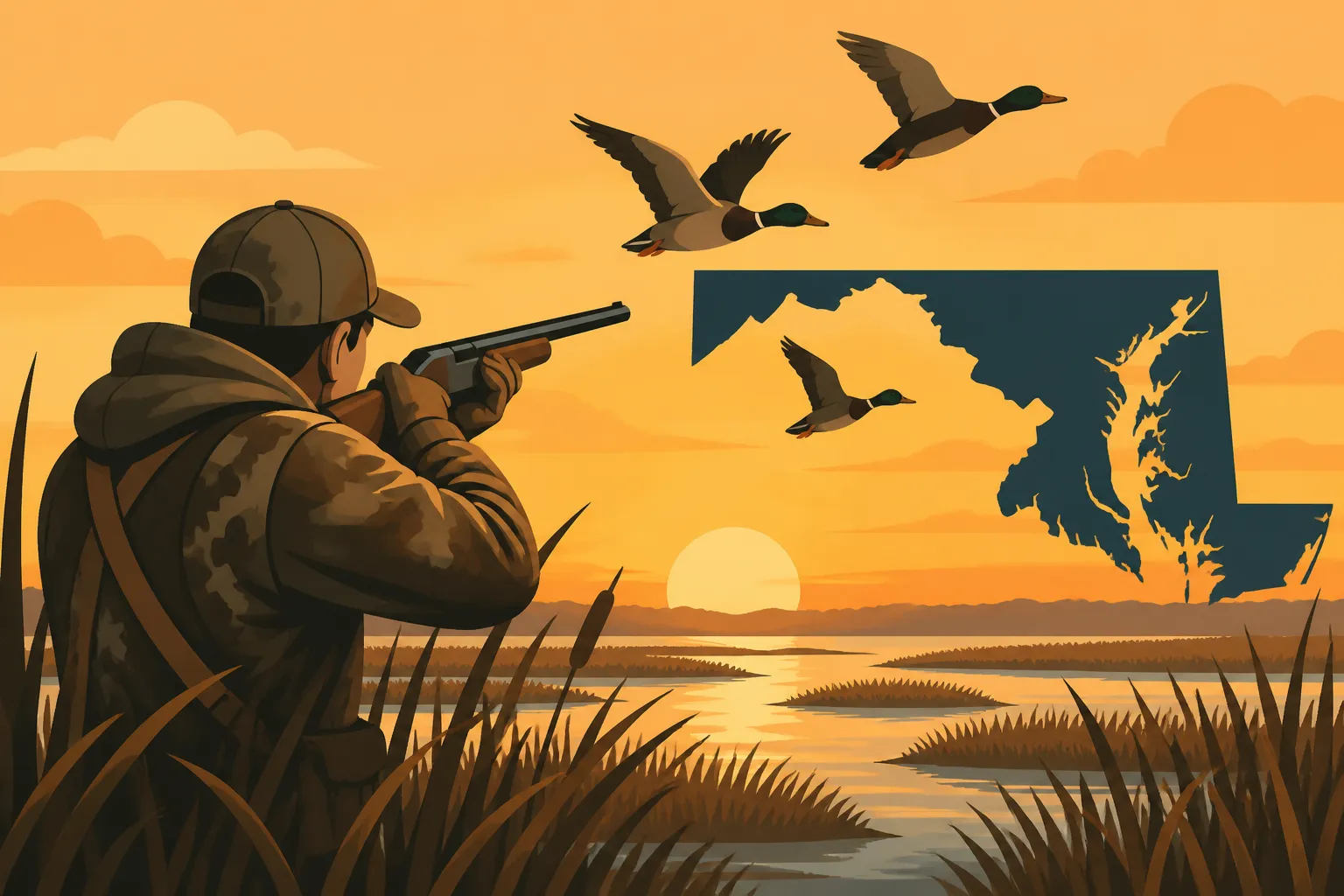
Hunting Maryland’s Lower Eastern Shore Marshes
The vast, winding marshes of Maryland's Lower Eastern Shore are an absolute labyrinth, a watery wilderness that can feel impenetrable to even seasoned hunters. The unique blend of saltmarsh, tidal guts, and scattered pine islands creates a hunting environment unlike almost anywhere else, and many hunters quickly become overwhelmed by the sheer scale, the tricky tides, and the often-deceiving terrain. This guide is designed to cut through that confusion, offering a comprehensive look at how to approach, navigate, and successfully hunt these incredible, wild landscapes, from the elusive sika deer to the abundant waterfowl.
The Allure and Challenges of Maryland's Lower Eastern Shore Marshes
The Lower Eastern Shore marshes hold a mystique that draws hunters back year after year, yet they present a distinct set of challenges that can easily frustrate the unprepared. It's a land where the water dictates the rhythm of life, and understanding that rhythm is the first step toward success.
Defining the Marsh Landscape: Beyond Just Water and Grass
When we talk about the Lower Eastern Shore marshes, we're not just envisioning flat, wet ground. This ecosystem is a complex tapestry woven from various elements. You'll find vast expanses of Phragmites australis, often referred to as common reed, which can grow over ten feet tall, forming an almost impenetrable wall of cover. Interspersed are areas of shorter, native marsh grasses like cordgrass (Spartina alterniflora) and saltmarsh hay (Spartina patens), especially closer to the open water of the Chesapeake Bay and its tributaries. Dotting this landscape are often higher ground "islands" of loblolly pine, dense thickets, and oak hammocks, providing critical refuge for game during high tides or harsh weather. These subtle elevation changes, even just a few feet, become incredibly significant when the tide rolls in.
Why These Marshes Draw Hunters: The Unique Game and Wild Experience
The primary magnet for many hunters to these marshes is undoubtedly the sika deer. These small, Japanese elk-like deer thrive in this environment, offering a unique hunting experience that is distinctly different from pursuing whitetails in the hardwoods. Beyond sika, the marshes are a waterfowl paradise. The Chesapeake Bay and its surrounding wetlands are critical wintering grounds for a myriad of duck species, including mallards, black ducks, canvasbacks, and buffleheads, alongside significant populations of Canada geese and snow geese. The isolation, the quiet whisper of the wind through the reeds, and the sheer wildness of the landscape contribute to an experience that feels truly primal and rewarding, far removed from the pressures of more accessible hunting grounds. Sika Deer Hunting in Maryland's Tidal Marshes is a particularly insightful read if you're keen on this unique pursuit.
Common Frustrations for New Marsh Hunters: Mud, Tides, and Lost Gear
For all their allure, the marshes can be incredibly frustrating, especially for newcomers. The tides are perhaps the biggest challenge; they dictate everything from access to game movement. What was walkable solid ground at low tide can become waist-deep muck a few hours later, isolating hunters or leaving them stranded. The mud itself is legendary – deep, grasping, and often hiding submerged obstacles. Hunters frequently get stuck, lose boots, or even find themselves having to abandon gear that succumbs to the sucking mud. Navigation can be a nightmare without a good GPS or mapping app like onX Hunt, as all points of reference look identical in the vast reed beds. Plus, the sheer physical exertion required to wade through thick cover and mud can be exhausting, quickly turning an exciting hunt into a grueling survival exercise if not approached with respect and preparation.
Unpacking the Ecosystem: Game Species and Their Habitat
To hunt the marshes effectively, you need to understand the animals that call this unique ecosystem home and how they utilize its features. Each species has adapted to the tidal rhythms, the specific vegetation, and the limited high ground available.
Sika Deer: The Marsh's Elusive Ghost
Sika deer are the undisputed kings of the Lower Eastern Shore marshes, particularly in Dorchester and Somerset counties. Unlike their whitetail cousins, sika are perfectly adapted to the wet, dense cover. They are smaller, allowing them to slip through thick Phragmites undetected, and their diet consists heavily of marsh grasses and aquatic vegetation. During the fall, especially around the rut, their distinctive "whistle" carries across the open marsh, a haunting call that is completely different from a whitetail's grunt. They use the dense reeds for bedding and security, often creating intricate tunnel systems through the vegetation. Higher ground, even subtle rises or scattered pine islands, becomes critical escape cover during exceptionally high tides, concentrating deer in predictable areas. Learning Where Sika Deer Bed in Phragmites can significantly improve your chances of locating these elusive animals.
Waterfowl Diversity: Ducks and Geese of the Tides
The marshes, particularly those bordering the Chesapeake Bay and its numerous tidal rivers and creeks, are a waterfowl magnet. You'll find a rich mix of dabbling ducks, like mallards and black ducks, which feed in the shallower water of the marsh guts and flooded edges. Black ducks, in particular, thrive in this brackish environment. Diving ducks, such as canvasbacks, redheads, and buffleheads, prefer the deeper, open waters of the Bay and larger tidal rivers but often utilize the mouths of marsh creeks for feeding and resting. Canada geese, both migratory Atlantic Population birds and resident geese, also frequent the marsh, especially where agricultural fields are nearby, using the marsh as a secure roosting area. Snow geese, in their massive flocks, will stage in open water and fly over the marshes to reach grain fields further inland, offering opportunities for pass-shooting. Understanding the habits of Ducks of Maryland's Chesapeake Bay is key to waterfowl success.
Other Marsh Inhabitants: Small Game and Furbearers
While sika and waterfowl are the main draws, the marshes offer other hunting and trapping opportunities. Cottontail rabbits can be found on the slightly higher ground and around the edges of thickets, providing fast-paced action. Raccoons and opossums are abundant, especially along the banks of creeks and ditches where they forage for crustaceans and other food items. For those interested in trapping, muskrats are a quintessential marsh species, building their conical lodges from marsh vegetation. Foxes, both red and gray, also patrol the edges of the marsh, preying on smaller animals. Even though not a primary target for many, these other species contribute to the rich biodiversity of the marsh and can offer additional hunting prospects, or simply add to the overall wild experience of your trip.
Mastering Access: Getting Into and Around the Marshes
Access is arguably the single biggest hurdle when hunting the Lower Eastern Shore marshes. Without a solid plan for getting in and out safely and efficiently, even the best hunting spots are unreachable.
The Crucial Role of Boats: Types, Safety, and Launch Strategies
For much of the vast marshland, particularly in areas like Fishing Bay or Deal Island, a boat isn't just an advantage—it's a necessity. Small, shallow-draft boats like jon boats, skiffs, or even specialized marsh boats are ideal. They allow you to navigate tidal guts, access remote islands, and transport decoys, stands, and game. Airboats are used by some professionals for extremely shallow or mucky areas but are less common for public hunters due to cost and specialized operation.
Safety is paramount. Always check the weather and tides before you launch. Marshes can go from calm to treacherous quickly with rising winds or unexpected squalls. Carry all required safety gear: personal flotation devices (PFDs) for everyone onboard, an anchor, navigation lights (if operating before sunrise or after sunset), and a means of communication (VHF radio or a fully charged cell phone in a waterproof case). Learn to read the water; submerged stumps, shallow mudflats, and sudden drops in depth are common. Boating Into a Sika Marsh at Low Tide requires precision and an understanding of the local channels. When planning, consider using a mapping application like onX Hunt, which often provides valuable layers showing navigable waterways and submerged obstacles, making your trip safer and more efficient.
Wading and On-Foot Navigation: When to Walk and What to Wear
While boats are critical, much of the actual hunting in the marsh involves wading or walking. This is where proper gear becomes non-negotiable. Chest waders are essential for keeping dry and navigating deeper guts. Neoprene waders offer insulation in colder weather, while breathable models are better for warmer early-season hunts. Don't skimp on durable boots with good ankle support, as the mud and uneven terrain will test them. Hip Boots Versus Chest Waders in Sika Country is a debate many marsh hunters have, but for serious penetration into the marsh, chest waders often win.
When wading, always shuffle your feet to avoid stepping on submerged objects or potentially startling a snake. Carry a sturdy wading staff or stick to probe the bottom ahead of you, gauge depth, and provide stability. Move slowly and deliberately. What looks like solid ground can be a deceiving crust over deep, sucking mud. When you find yourself in waist-deep water or mud, resist the urge to panic; slow, controlled movements are key. If you're on public land, many hunters also use GoHunt's mapping features to identify potential wading routes or firm ground, planning their approach well before stepping foot in the water.
Understanding Public vs. Private Access Points: Where You Can Legally Go
Maryland's Lower Eastern Shore is a patchwork of public and private lands. Many of the prime marsh hunting areas are part of state Wildlife Management Areas (WMAs) or federal refuges. These areas, like Fishing Bay WMA or Deal Island WMA, offer extensive public access but often come with specific regulations, such as sign-in requirements, permitted hunting dates, or restrictions on certain activities. Always check the Maryland Department of Natural Resources (DNR) website for the most current rules for any public land you plan to hunt.
Private marshland, on the other hand, requires explicit permission from the landowner. This can be challenging to obtain, as many private marshes are leased by waterfowl clubs or owned by individuals who may be wary of granting access. Respecting "No Trespassing" signs is crucial, and never assume that an unposted marsh is open for public use. Boundary lines in the marsh can be vague, so using GPS mapping software like onX Hunt or GoHunt with property line overlays is highly recommended to ensure you stay on legal ground. Always have your hunting license and any required stamps or permits with you, as DNR enforcement patrols these areas regularly.
Strategic Hunting Approaches for the Marsh Environment
Hunting the marshes requires a specific set of strategies, adapting traditional techniques to the unique challenges of the wet, dense landscape. What works in a hardwood forest or open field often won't translate here.
Sika Deer Tactics: Adapting to Tidal Movement and Thick Cover
Hunting sika deer in the marsh is a game of patience and understanding their subtle movements. They are incredibly wary and use the dense Phragmites as their primary defense. During the rut, typically in late September through October, calling becomes incredibly effective. Sika stags "whistle" rather than grunt, and mastering this call can draw them in. Many hunters use locator calls, then switch to aggressive bugles or a "cooing" sound to entice a stag closer. Calling Sika Stags During the September Whistle is a critical skill to develop.
Still-hunting is another productive method, especially in areas with slightly more open patches or along ditch banks. Move slowly, into the wind, constantly scanning ahead. Sika are small, and a 100-pound stag can disappear in reeds just a few feet high. Look for subtle movements, flicking ears, or the gleam of antlers. Stand placement can be challenging due to limited trees, but portable climbing stands or ladder stands can be deployed on the scattered pine islands or even on sturdy marsh-side trees. Focus on natural funnels, like narrow strips of higher ground between two large marsh sections, or areas where deer cross ditches. Understanding Reading a Marsh Trail for Sika Sign is vital, as their tracks, droppings, and wallows are the best indicators of their presence.
Waterfowl Strategies: Decoys, Blinds, and Flight Paths
Waterfowl hunting in the marshes is all about effective decoy spreads and concealment. For puddle ducks in shallow guts and flooded edges, small spreads of half a dozen to a dozen mallard and black duck decoys are often sufficient. Consider adding a spinning-wing decoy to grab attention. For divers in open water, larger spreads, sometimes with dozens of decoys, are necessary to attract birds. Layout blinds or permanent pit blinds (where allowed and licensed) offer excellent concealment in open areas. For many marsh hunters, however, natural blinds built from Phragmites or other marsh vegetation are the go-to. Cut stalks and weave them into a makeshift blind that blends seamlessly with the surroundings.
Understanding waterfowl flight paths is crucial. Ducks and geese often follow distinct routes along the edges of larger bodies of water, over marsh guts, or between feeding and roosting areas. Position your decoys and blind along these established lines. Jump-shooting ducks by slowly wading down marsh guts or along creek bends can also be productive, especially on a falling tide when birds are concentrated in shrinking water. Hunting a Chesapeake Bay Blind at First Light provides a great overview of typical setups.
The Art of Scouting Marshlands: Utilizing Tools like onX Hunt
Effective marsh hunting starts long before the season opens, with thorough scouting. Because the terrain can be so featureless from ground level, aerial reconnaissance is paramount. Satellite imagery, often available through mapping apps like onX Hunt or GoHunt, allows you to identify hidden guts, pine islands, patches of dense cover, and potential access routes. Look for subtle changes in vegetation, which might indicate higher ground, or areas of darker water, suggesting deeper channels.
When scouting on foot or by boat, pay close attention to the tidal charts. Visit at both high and low tide to understand how the landscape transforms. Note where deer trails are visible at low tide, as these become underwater highways at high tide. Look for signs of sika activity: fresh rubs on small trees or Phragmites stalks, distinctive sika droppings, and wallows where stags roll in the mud. For waterfowl, identify areas where ducks are feeding or roosting, and note prevailing wind directions to plan your blind placement. Scouting Maryland Public Land With Aerial Photos offers excellent tips for making the most of digital tools. Without diligent scouting, the marshes can quickly swallow up your hunting efforts.
Essential Gear and Safety for a Successful Marsh Hunt
The challenging nature of marsh hunting demands specific gear and an unwavering commitment to safety. Skimping on either can turn an adventure into a dangerous ordeal.
Dressing for Success: Waders, Layers, and Waterproof Everything
Staying dry is the ultimate key to comfort and safety in the marsh. As mentioned earlier, quality chest waders are non-negotiable. Opt for models with sturdy, insulated boots if hunting in cold weather. Layering is critical: synthetic base layers to wick moisture, insulating mid-layers for warmth, and a waterproof, windproof outer shell to protect against the elements. Even on warm days, a sudden squall can drop temperatures quickly.
Beyond your main attire, waterproof gloves, a warm hat (many hunters prefer blaze orange for safety, where permitted by season), and a waterproof backpack are essential. Pack extra dry clothes, just in case you take an unexpected plunge. Carry a headlamp or powerful flashlight, even for day hunts, as getting disoriented or having a delay can mean being out after dark. Remember, everything you bring into the marsh should either be waterproof or stored in a waterproof bag, because inevitably, something will get wet.
Navigation and Communication in Remote Areas: GPS, Radios, and Emergency Plans
The vast, homogeneous landscape of the marsh makes navigation incredibly difficult, especially in low light or fog. A reliable GPS unit or a smartphone with a robust mapping app (like onX Hunt or GoHunt) loaded with offline maps is absolutely critical. Mark your entry point, your intended hunting spots, and any hazards or subtle land features. Don't rely solely on your phone, as battery life can dwindle quickly in cold weather or with heavy use; a backup compass and physical map are wise additions.
Communication is also vital. Cell service can be spotty or nonexistent in remote marsh areas. Consider carrying a satellite messenger device, a VHF radio (especially for boat-based hunting), or a two-way radio if hunting with a partner. Always tell someone your detailed hunt plan, including where you're going, when you expect to return, and what to do if you don't check in. This simple step is perhaps the most important safety measure you can take in the marsh.
Weaponry and Ammunition Considerations for Saltwater Environments
The corrosive nature of saltwater and brackish marsh environments means your gear takes a beating. Stainless steel or synthetic-stocked firearms are highly recommended. If you're using a blued steel firearm, meticulous cleaning and oiling are necessary after every marsh hunt to prevent rust. Shotguns for waterfowl should be chambered for steel shot, as lead shot is illegal for migratory birds. Opt for higher quality steel or bismuth loads for better performance, especially on larger ducks and geese.
For sika deer, a variety of firearms are legal depending on the county, including rifles (in some Western Shore counties or specific Eastern Shore zones), muzzleloaders, shotguns with slugs, and archery equipment. Given the dense cover, shots are often at close range. A reliable, accurate rifle or shotgun slug gun is effective, but bowhunting in the thick Phragmites offers a thrilling challenge. Regardless of weapon, ensure it's well-maintained and protected from the corrosive marsh conditions.
Key Public Hunting Lands on the Lower Eastern Shore
Maryland's Department of Natural Resources (DNR) manages several excellent public hunting areas in the Lower Eastern Shore marshes, providing access to these unique environments. These areas are vital for both sika deer and waterfowl hunters.
Fishing Bay Wildlife Management Area: What Makes It a Premier Destination
Fishing Bay Wildlife Management Area (WMA), located primarily in Dorchester County, is arguably the crown jewel of Maryland's marsh hunting. Spanning over 29,000 acres, it's a vast expanse of tidal marsh, forested islands, and impoundments. It offers incredible opportunities for sika deer, with dense Phragmites and scattered pine islands providing ideal habitat. Many hunters access Fishing Bay by boat, navigating the intricate network of tidal guts and creeks to reach remote sections. It's also a fantastic waterfowl destination, particularly for black ducks, mallards, and various diving ducks, with numerous blind sites available through a lottery system or on a first-come, first-served basis. Hunting Fishing Bay's Marsh Guts by Boat provides insights into navigating this challenging area. Due to its size and diverse habitat, Fishing Bay often sees significant hunting pressure, especially on weekends and during peak sika rut or waterfowl seasons. Proper scouting and an understanding of the WMA's specific regulations are crucial for a successful hunt.
Deal Island Wildlife Management Area: Another Vast and Productive Marsh
Further south, in Somerset County, lies Deal Island Wildlife Management Area, another extensive marsh system covering over 13,000 acres. Like Fishing Bay, it's characterized by vast tidal marshes, interspersed with higher ground and a complex web of waterways. Deal Island is renowned for its waterfowl hunting, offering excellent opportunities for puddle ducks, divers, and resident Canada geese. Many hunters utilize shallow-draft boats to access blinds or to jump-shoot ducks along the numerous marsh guts. Sika deer are also present, though perhaps not in the same densities as Fishing Bay, offering hunters a chance at these elusive animals in a slightly less pressured environment. Hunting Deal Island's Tidal Marsh details the nuances of hunting this particular WMA. Similar to Fishing Bay, specific regulations, including hunting dates and methods, are in place, so always consult the DNR website before planning your trip.
Other Notable Marsh Access Points: A Broader Look at Options
While Fishing Bay and Deal Island are the largest and most well-known, other public lands offer marsh hunting opportunities. Portions of the Chesapeake Forest Lands, scattered across the Lower Eastern Shore, may include marshy areas, particularly along river corridors or adjacent to the Bay. These areas are often less managed for specific game species but can provide good, unpressured opportunities for sika and small game if you're willing to do the legwork. Blackwater National Wildlife Refuge, also in Dorchester County, offers limited permit-only hunting opportunities, often through a lottery system, for sika deer and waterfowl. These hunts are highly regulated and sought after, so applying well in advance is essential. Additionally, many smaller state-owned access points along tidal creeks and rivers might provide opportunities for jump-shooting ducks or accessing small pockets of marshland for sika, though these typically require more localized knowledge and scouting.
Planning Your Marsh Adventure: Tides, Weather, and Beyond
Successful marsh hunting is as much about meticulous planning as it is about in-the-field skill. Overlooking critical details like tides or weather can quickly turn a memorable hunt into a miserable, or even dangerous, experience.
Decoding the Tides: Your Most Important Tool
The tides are the single most influential factor when hunting Maryland's Lower Eastern Shore marshes. They dictate animal movement, access, and even safety. Sika deer will often move to higher ground as the tide rises, concentrating them in smaller, more predictable areas. At low tide, more marsh bottom is exposed, allowing deer to move through areas that would otherwise be submerged. Waterfowl, particularly dabbling ducks, will feed in newly flooded areas at high tide or concentrate in deeper guts at low tide.
Always consult a detailed tide chart for your specific hunting location. Many apps, like those often integrated into onX Hunt or GoHunt, provide real-time tide data. Understanding the "slack" tide (when the water is still, just before changing direction) and the speed of the current during ebb and flow is crucial for boat navigation and wading. A quickly incoming tide can cut off your return path, leaving you stranded. A strong outgoing tide can make wading difficult and even pull a small boat off anchor. Plan your entry and exit around favorable tidal conditions, often aiming to arrive at low tide to scout and set up, then waiting for the rising tide to bring game to you or allow for easier egress.
Weather's Impact: Wind, Fog, and Cold
Beyond tides, the weather itself presents a constant challenge and opportunity. Wind is a major factor. A strong wind can make boat travel dangerous, whip up whitecaps in open water, and make accurate shooting difficult. It also affects waterfowl flight patterns, often pushing birds lower or into sheltered areas. Fog can roll in quickly off the Bay, reducing visibility to mere yards and making navigation impossible without GPS. If fog sets in, anchoring and waiting it out is often the safest course of action.
Cold temperatures, especially when combined with wind and wet conditions, can quickly lead to hypothermia. Always dress in layers and carry extra dry clothing. In early season, warm weather can bring out swarms of mosquitoes and biting flies, requiring bug spray and head nets. Late season, ice can form in shallow guts, blocking boat access or making wading treacherous. Always check the forecast thoroughly and be prepared for rapidly changing conditions. There's a reason Hunting After a Maryland Cold Front is often discussed – the weather often dictates the action.
Post-Hunt Logistics: Game Recovery and Processing
Recovering game in the marsh is notoriously difficult. A downed sika deer can disappear into thick Phragmites in seconds, and finding it in dense cover, often with rising water, is a huge challenge. Always watch where your animal goes, mark the spot, and take your time tracking. If using a dog, ensure it's well-trained for marsh work and wears a protective vest. For waterfowl, a good retriever is invaluable, saving you from countless cold swims.
Once recovered, getting your animal out of the marsh can be an immense physical effort. For sika, many hunters will field dress them in the marsh to lighten the load, then quarter them for easier transport by boat or backpack. Recovering a Deer From a Tidal Marsh often requires teamwork and preparation. Transporting game back to your vehicle or boat ramp, especially in warm weather, requires planning for cooling to preserve the meat. Knowing where the nearest deer processor is located, or having a plan for home processing, is essential for every successful marsh hunt.
Disclaimer
This article is for general informational purposes only and does not constitute professional advice. Laws, prices and regulations vary by location and change over time. Consult a qualified professional for guidance on your specific situation.