Hunting the Wicomico Demonstration Forest
Finding quality public land to hunt in Maryland can often feel like searching for a needle in a haystack, especially if you're trying to escape the heaviest crowds. Many hunters overlook smaller, lesser-known areas that can offer fantastic opportunities if you know what to look for. This guide will take a deep dive into hunting the Wicomico Demonstration Forest, providing insights into its unique characteristics, the game you can pursue, and how to maximize your chances of success in this often-underestimated tract of state land.
Understanding the Wicomico Demonstration Forest
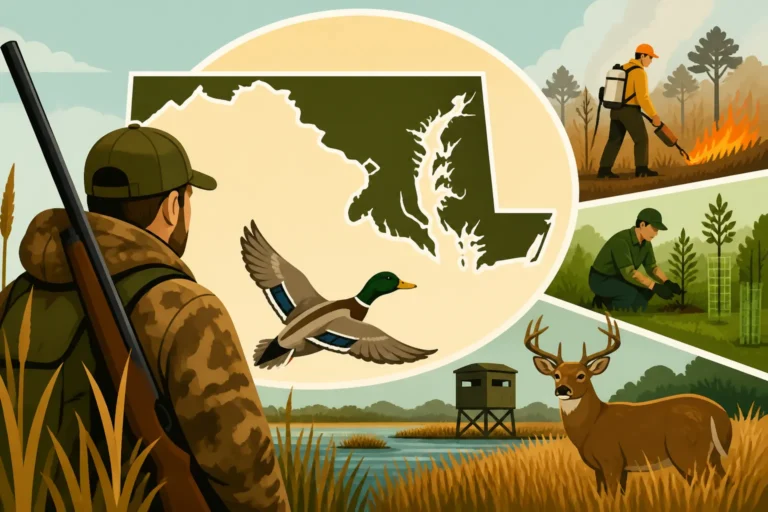
The Wicomico Demonstration Forest isn't as widely known as some of Maryland's larger Wildlife Management Areas (WMAs) or State Forests, and that's precisely why it holds a certain appeal for savvy hunters. Located in Wicomico County on Maryland's Lower Eastern Shore, this forest is managed by the Maryland Department of Natural Resources (DNR) with a dual purpose: demonstrating sustainable timber management practices and providing public recreational opportunities, including hunting. It's a prime example of how working forests can also be valuable wildlife habitat.
Unlike some vast, unbroken tracts of timber you might find in Western Maryland, the Wicomico Demonstration Forest is characterized by a mix of forest types, often interspersed with agricultural fields on adjacent private lands. You'll find stands of loblolly pine, various hardwoods like oaks and maples, and transitional areas that provide diverse cover and food sources for game. Its smaller size means that understanding its boundaries and the surrounding landscape is crucial, as deer and other game often move freely between the forest and nearby private properties. Hunting Maryland's Lower Eastern Shore Marshes often highlights specific characteristics of this region, and Wicomico's upland nature provides a different, yet equally rich, experience.
For many hunters, the idea of a "demonstration forest" might sound a bit too controlled or managed, leading them to believe it's less wild or productive. However, the active timber management actually creates a mosaic of habitats at different growth stages. Clear-cuts and regenerating stands provide thick bedding cover and browse, while mature timber offers acorn crops and open travel lanes. This patchwork environment is often far more attractive to deer, turkeys, and small game than a monoculture forest. It's a testament to how intelligent land management can enhance wildlife opportunities.
Navigating Access and Rules for the Forest
Getting into and around the Wicomico Demonstration Forest requires a bit of planning, but it's generally straightforward once you understand the lay of the land. Public access is typically via designated parking areas off main roads. Because it’s not as expansive as some other public lands, these access points are vital, and understanding the trail system or lack thereof can make or break your hunt. Before you even think about putting boots on the ground, always consult the official Maryland DNR website for the latest regulations, maps, and any specific permit requirements that might apply to this particular demonstration forest.
One of the best tools you can use for navigating public lands like this is a robust mapping app. Services like onX Hunt are incredibly helpful for visualizing property boundaries, identifying public access points, and understanding the topography and habitat types within the forest. You can mark potential stand locations, scout from your couch, and ensure you're always on public ground. This is especially important where public and private lands abut, which is common around the Wicomico Demonstration Forest. Scouting Maryland Public Land With Aerial Photos details how useful these digital tools are for pre-season planning.
Hunters often get frustrated by public land rules, and while Wicomico Demonstration Forest adheres to general state hunting regulations, there might be specific nuances. Always check for any unique rules regarding things like vehicular access, stand placement (are screw-in steps allowed, or must you use ladder stands or climbers?), and trail camera usage. Knowing these rules beforehand saves a lot of headaches and ensures you’re hunting ethically and legally. Maryland's general Maryland Hunter Education Requirements apply to all state lands, so make sure you're up to date on those too.
Parking and Entry Points
The Wicomico Demonstration Forest typically has a few well-marked parking areas, often gravel lots off the paved roads. These can fill up quickly during peak season, so plan to arrive early, especially during firearms deer season or popular turkey days. Once parked, you'll likely find a network of old logging roads or fire lanes that serve as primary access routes. These can be great for covering ground quickly, but don't be afraid to venture off the beaten path into the thicker timber where game often seeks refuge from pressure.
For hunters who appreciate detailed mapping, using a platform like GoHunt can provide an additional layer of insight. While onX Hunt might be your primary navigation tool, GoHunt often compiles specific land access information and success data that can help you prioritize where to focus your efforts, especially if you're traveling from outside the immediate area. Combining these resources gives you a powerful advantage in understanding and accessing these public parcels effectively.
Consider the time of year and weather when planning your entry. Wet conditions can make some of the unpaved logging roads muddy and difficult to traverse, even on foot. Additionally, being mindful of other users, such as hikers or birdwatchers, is important, especially on weekends. Public land is shared by many, and maintaining a respectful presence ensures everyone can enjoy the forest safely.
Game Species and Hunting Opportunities
The Wicomico Demonstration Forest, despite its relatively modest size, offers a surprising diversity of hunting opportunities. White-tailed deer are undoubtedly the main attraction for many, but the forest also supports healthy populations of wild turkeys and various small game species. Understanding the specific habits of these animals within this unique forest environment is key to a successful hunt.
White-tailed Deer
Deer hunting in the Wicomico Demonstration Forest can be very rewarding. The mix of pine plantations, hardwood ridges, and edges bordering agricultural fields creates excellent habitat. Deer here are often patterned around the regenerating clear-cuts for bedding and browsing, and they'll travel into the mature hardwoods for acorns when available. The proximity to private farmlands also means deer will often move between the forest and open fields, creating distinct travel corridors.
During archery season, focus on funnels between different timber types or pinch points where deer are forced into a smaller area. Early season bowhunters might target food sources like mast crops or natural browse, while later in the season, bedding areas become more crucial, especially after the leaves have fallen. Bowhunting Maryland's Long Archery Season emphasizes the importance of understanding deer movement throughout the various stages of the season. For rifle hunters, understanding the layout of the old logging roads and how deer use them as travel lanes can be highly effective. Remember to always be aware of Maryland's Deer Bag Limits and Antler Rule and the specific regulations for Wicomico County.
One common frustration on public land is hunting pressure. While Wicomico Demonstration Forest might not see the same crush of hunters as some larger WMAs, deer will still adapt to human presence. Don't be afraid to walk further than most, or target areas that are harder to access. Often, the biggest bucks will hold up in the nastiest, thickest cover that few hunters are willing to penetrate. Scout thoroughly, identify these sanctuaries, and plan your approach accordingly.
Wild Turkeys
Spring turkey hunting in the Wicomico Demonstration Forest offers exciting challenges. The mix of mature hardwoods for roosting and open areas/edges for strutting provides good turkey habitat. Turkeys can be found throughout the forest, but concentrating your efforts on areas with older trees near openings or along creek bottoms is often a good strategy. Spring Turkey Hunting in Maryland offers a broader look at turkey hunting, but these general principles apply here.
Calling turkeys in a managed forest environment can be tricky. They often hear more calls than birds in less pressured areas, so a subtle approach can sometimes be more effective than aggressive calling. Locate roosting birds before daylight, set up quickly and quietly, and be patient. Listen for their gobbling to pinpoint their location, and try to intercept them as they come off the roost or move through the woods.
Fall turkey season, if open in Wicomico County, presents a different challenge, often requiring hunters to locate flocks and try to break them up before calling them back together. This is a more active style of hunting compared to the stationary setups of spring, often involving a lot more walking and scouting for fresh sign.
Small Game
For those who enjoy a more relaxed pace or want to introduce new hunters to the sport, Wicomico Demonstration Forest provides excellent small game opportunities. Squirrels, rabbits, and other critters thrive in the diverse habitats. The hardwood sections are perfect for squirrel hunting, especially when the acorns are dropping. Focus on mature oaks and hickory trees, and be patient. Squirrel Hunting Maryland Hardwood Ridges provides excellent tips for this.
Rabbit hunting is best around the edges of thick cover, brush piles, and regenerating timber stands. These areas provide both food and protection from predators. Running beagles can be incredibly effective for rabbits, but still-hunting or jump-shooting along thick hedgerows and briar patches can also produce results. Rabbit Hunting Maryland Farm Hedgerows would be a relevant read if you find yourself on the fringes of the forest.
Hunting small game is a fantastic way to enjoy the forest, practice your woodcraft, and potentially fill the pot. It also allows you to scout for deer and turkey sign without putting excessive pressure on those animals. Always check the Small Game Season Dates and Daily Limits for Maryland before heading out to ensure you're hunting legally and within the set parameters.
Tactics for a Successful Hunt in Wicomico
Hunting successfully in any public land requires strategy, and the Wicomico Demonstration Forest is no exception. Given its unique management style and location on the Eastern Shore, some tactics will serve you better than others.
Thorough Pre-Season Scouting
This cannot be stressed enough: scout, scout, scout! Before hunting season even begins, spend time walking the Wicomico Demonstration Forest. Look for deer trails, rubs, scrapes, and bedding areas. Identify pinch points, funnels, and natural food sources. Pay attention to how the different timber types transition into one another and how they relate to adjacent private lands.
Using aerial maps from tools like onX Hunt during your scouting trips can help you connect the dots between what you see on the ground and the larger landscape. You might identify a thick clear-cut that's perfect bedding cover, or a ridge of mature oaks that will be a hotspot once acorns drop. During scouting, you're not just looking for game sign; you're trying to understand the deer's highway system, their preferred bedroom, and their dining areas. This is particularly important for Hunting Maryland's Two Deer Management Regions, as understanding specific local dynamics helps you plan better.
Consider how hunting pressure might funnel game. If there's a popular access point, deer might push deeper into the forest, or use specific escape routes to skirt around human activity. Knowing these patterns will help you position yourself for success when opening day arrives. Hunting Pressure on Maryland Public Land delves into strategies for dealing with crowded areas.
Adapting to Timber Management
The "demonstration forest" aspect means there will be active timber management, which translates to a constantly changing landscape. What was a thick pine plantation last year might be a clear-cut this year, and vice-versa. This can be frustrating if you rely on static knowledge of an area. However, it also creates incredible opportunities.
New clear-cuts, after a year or two of regrowth, provide dense cover and abundant forage that deer absolutely love. They might be nearly impenetrable to walk through, but if you can find the edges or interior travel lanes, they can be phenomenal spots, especially for daytime deer movement. Conversely, older, mature timber stands will be more open but may lack the thick bedding cover. Deer will use these areas primarily for feeding on mast crops or as travel corridors between bedding and feeding areas.
Stay flexible in your approach. If you scout a promising area and return to find it's been logged, don't give up. Instead, view it as a new opportunity. The disturbance often temporarily displaces game, but they'll quickly adapt to the new cover and food sources. The key is to recognize these changes and adjust your strategy accordingly.
Silence and Stealth
Like all public land hunting, minimizing your impact and maximizing your stealth is paramount. Deer and turkeys in the Wicomico Demonstration Forest are often acutely aware of human presence. Park well off the road, walk quietly, and avoid unnecessary noise. Early morning approaches, particularly before daylight, require extra care to avoid spooking game as they move from nighttime feeding to daytime bedding.
Consider your entry and exit routes. Can you get to your stand without crossing a known bedding area? Can you leave after your hunt without alerting game that might be moving at dusk? Wind direction is always critical, but it's especially so in areas where game is pressured. Play the wind, use natural terrain features to break up your silhouette, and move slowly and deliberately. When Hunting a Chesapeake Bay Blind at First Light or any public land, quiet entry is essential.
By respecting the landscape, understanding the game, and applying sound hunting ethics, the Wicomico Demonstration Forest can provide rewarding hunting experiences. It's a reminder that good hunting doesn't always require vast, remote wilderness, but often thoughtful application of strategy in well-managed public spaces.
Comparative Overview of Wicomico Demonstration Forest Hunting
| Feature | White-tailed Deer | Wild Turkey | Small Game (Squirrels, Rabbits) |
|---|---|---|---|
| Primary Habitat | Mixed hardwoods, pine plantations, clear-cut edges | Mature hardwoods, forest edges, open clearings | Hardwoods (squirrels), thickets, briar patches (rabbits) |
| Best Seasons | Archery, Firearms, Muzzleloader | Spring (gobblers), Fall (flocks) | Early Fall (squirrels), Late Fall/Winter (rabbits) |
| Key Tactics | Scouting for sign, playing wind, thick cover | Roosting, calling, patient setups | Still-hunting, jump-shooting, dog use (rabbits) |
| Pressure Level | Moderate to High (during peak seasons) | Moderate | Low to Moderate |
| Access Tips | Use mapping apps, walk deeper, locate funnels | Early morning entry, listen for gobblers | Target dense cover near edges, use old roads |
Disclaimer
This article is for general informational purposes only and does not constitute professional advice. Laws, prices and regulations vary by location and change over time. Consult a qualified professional for guidance on your specific situation.