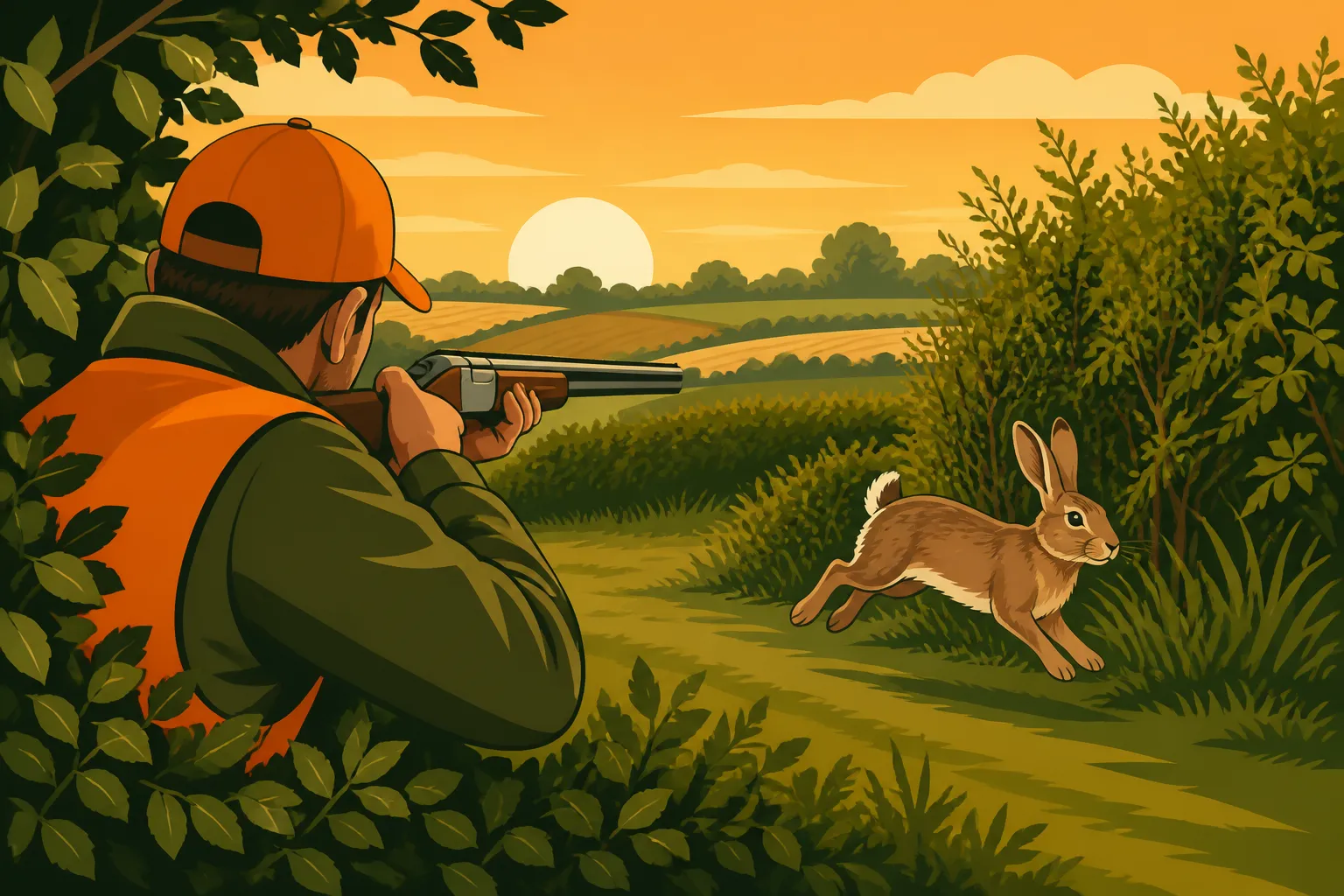
Rabbit Hunting Maryland Farm Hedgerows
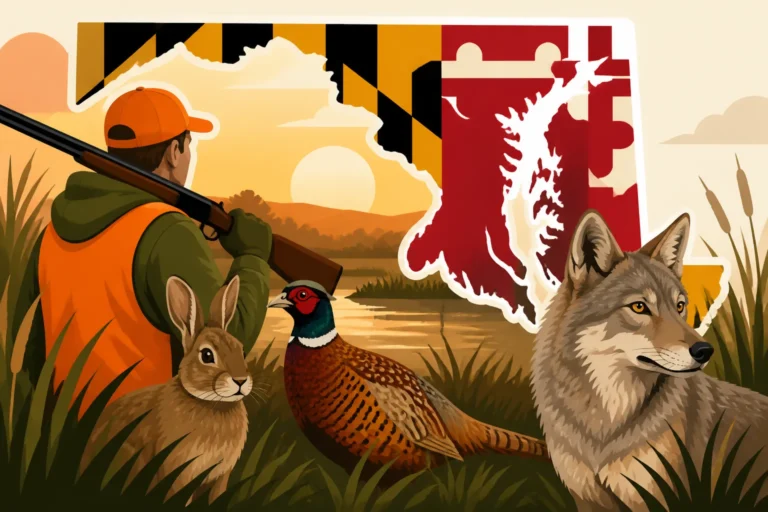
For many of us who grew up in rural Maryland, chasing cottontails through overgrown fields and thickets was a rite of passage. But today, with development sprawling and agricultural practices shifting, finding those classic rabbit haunts can feel like a real challenge. You’re often left wondering where the heck those elusive bunnies are hiding these days, especially when you’re not looking to run a pack of beagles. This guide is all about honing in on one of Maryland’s most overlooked, yet consistently productive, rabbit habitats: farm hedgerows, and how you can effectively hunt them, whether you've got dogs or not.
The Underrated Value of Maryland Farm Hedgerows for Rabbits
When you think about rabbit hunting, images of brush piles, multiflora rose thickets, and overgrown pastures often come to mind. While those are certainly prime spots, the humble farm hedgerow often gets overlooked, and that’s a real shame for Maryland hunters. These linear strips of vegetation, often separating crop fields or acting as property lines, are absolute magnets for cottontail rabbits. They provide an incredible blend of cover, food, and travel corridors, making them essential real estate for our furry friends.
Why Hedgerows Are Ideal Rabbit Habitat
Hedgerows offer a unique combination of elements that make them perfect for rabbits. They’re like miniature ecosystems, self-contained havens that meet almost all of a rabbit's needs within a small footprint. This makes them incredibly efficient to hunt once you understand what to look for.
Think about it: a rabbit's life is pretty simple – eat, hide, and breed. Hedgerows deliver on all three fronts with remarkable consistency. They typically consist of a dense mix of shrubs, small trees, briars, and various herbaceous plants. This layered structure provides both overhead protection from avian predators like hawks and owls, and ground-level concealment from foxes and coyotes. The dense undergrowth, especially thick brambles and multiflora rose, forms an impenetrable barrier that offers a safe refuge where rabbits can escape danger. It’s not just about hiding, though. These dense tangles also regulate temperature, providing shade in summer and insulation in winter, which is crucial for survival.
Beyond cover, hedgerows are also a buffet for rabbits. They border agricultural fields, meaning there's often spilled grain, clover, or young shoots readily available for grazing. Within the hedgerow itself, you'll find a variety of tender shoots, bark, and seeds. This constant, varied food source, combined with fresh water sources often found in nearby ditches or low spots, means rabbits don't have to travel far to eat, reducing their exposure to predators. For a rabbit, minimal travel equals maximum safety.
Common Hedgerow Types and Their Rabbit Potential
Not all hedgerows are created equal, and understanding the subtle differences can help you identify the most promising spots. In Maryland, especially across the Eastern Shore and the Piedmont regions, you'll encounter a few distinct types, each with its own characteristics that appeal to rabbits.
- Shrub-Dominated Hedgerows: These are often the best, characterized by a dense tangle of species like multiflora rose, honeysuckle, greenbrier, and blackberry canes. The key here is density. The thicker and thornier, the better. Rabbits thrive in these thorny fortresses because few predators are willing or able to push through such thick cover. Look for sections that are wider and haven't been aggressively trimmed. These are classic rabbit hideouts. You can often find a good concentration of rabbits when you're Rabbit Hunting Maryland Farm Hedgerows.
- Mixed Tree and Shrub Hedgerows: These hedgerows incorporate some taller trees like oak, maple, or cedar, often interspersed with the dense understory shrubs. While the trees themselves don't provide direct rabbit cover, their canopy can create shaded areas where ground cover thrives, and fallen leaves add to the bedding material. The crucial element remains the dense undergrowth at rabbit level. If the base of the trees is open and clean, it's less appealing. If it's a thick, impenetrable wall of briars and brush beneath the trees, you're in business.
- Grassy Hedgerows: These tend to be less productive than their brushier counterparts. They might be dominated by tall grasses, fescue, or lespedeza, with fewer woody plants. While rabbits will use these for travel and quick feeding, they offer less secure escape cover from predators. You'll likely find rabbits here if there's a nearby patch of thicker cover they can quickly dive into, but they aren't usually primary bedding areas. Think of these more as travel lanes between better cover.
Understanding these variations is key to efficient scouting. When you’re using a mapping app like GoHunt, pay close attention to the visual texture of hedgerows – look for darker, thicker lines that suggest dense woody growth rather than just grassy strips.
Deciphering Rabbit Behavior in Hedgerows
Rabbit hunting in hedgerows isn't just about walking and hoping; it's about understanding how these small game animals live and react within their linear homes. Their behavior is largely dictated by their need for safety, food, and efficient movement, and these factors change throughout the day and the season. Knowing these patterns will dramatically increase your success.
Daily Movement and Feeding Patterns
Rabbits are crepuscular, meaning they are most active during dawn and dusk. During these times, you'll find them venturing out of the dense cover of the hedgerow to feed in adjacent crop fields or grassy edges. They're looking for tender greens, clover, or spilled grains. This is often when they are most exposed and, consequently, most vulnerable.
- Early Morning/Late Evening: This is prime time to find rabbits actively moving and feeding. They might be just at the edge of the hedgerow, nibbling on grass, or a few yards into the field. If you’re hunting without dogs, slowly still-hunting these edges during low light conditions can be very effective. Be prepared for a quick shot as they bolt back to cover.
- Mid-day: As the sun rises and activity from other creatures increases, rabbits retreat deep into the thickest parts of the hedgerow. They'll bed down in dense briar patches, under fallen logs, or in burrows. Flushing them out during this time requires a more aggressive approach, often with dogs, or a very thorough, slow push through the densest cover. This is when they're hunkered down, feeling safe.
Understanding this daily rhythm allows you to plan your hunt for optimal success. If you're hoping to jump rabbits without dogs, focus on the edges during the golden hours. If you're bringing beagles, mid-day can be incredibly productive as the dogs work the thick cover to push out bedded rabbits. You can learn more about Running Beagles on Maryland Rabbits if you're considering that approach.
Seasonal Shifts and Habitat Use
A hedgerow's appeal to a rabbit also changes with the seasons, especially as Maryland experiences its distinct weather patterns.
- Early Season (Fall): As Maryland's archery season opens in September, rabbits are abundant, but the ground cover is still incredibly thick. Hedgerows are packed with dense foliage, making rabbits harder to spot and flush. They might be less inclined to seek deep cover immediately as there's plenty of hiding everywhere. Look for them on the edges of fields still producing late-season forage.
- Mid-Season (Late Fall/Early Winter): This is often considered prime time for rabbit hunting. After a few hard frosts, much of the herbaceous cover in fields dies back, forcing rabbits to rely more heavily on the permanent, woody cover of hedgerows. Leaves fall from deciduous trees and shrubs, improving visibility slightly, but the briars and evergreens within the hedgerow remain dense. This concentration makes hedgerows even more productive. Rabbits will still feed on spilled crops or winter greens, but their primary refuge will be the hedgerow itself.
- Late Season (Winter): Once snow hits and temperatures drop, rabbits become even more dependent on substantial cover. The thermal insulation provided by dense hedgerows, especially those with evergreen components, becomes critical. They might also utilize old groundhog holes or burrows within or along the hedgerow more frequently. Their feeding might be limited to whatever green browse they can find, or digging through snow for seeds. Hunting after a fresh snow can be excellent, as rabbit tracks clearly reveal their travel patterns and feeding spots along the hedgerow.
| Season | Rabbit Behavior | Optimal Hedgerow Location | Hunting Strategy Notes |
|---|---|---|---|
| Early Fall | Active feeders, abundant but well-hidden due to thick foliage. | Edges of green fields, thicker, wider hedgerows. | Focus on dawn/dusk, slow pushes through heaviest cover. Expect quick flushes. |
| Late Fall | Concentrate in dense, permanent cover as field foliage dies back. More predictable. | Any dense, thorny hedgerow, especially those bordering harvested fields. | Excellent for dogs. Walk-ups should focus on methodical, thorough pushes. Rabbits may hold tighter. |
| Deep Winter | Seek thermal cover and burrows. May dig for food. Tracks visible in snow. | Densest sections of hedgerows, areas with evergreen shrubs, near groundhog holes. | Snow tracking is highly effective. Beagles will work well in tight cover. Rabbits will be reluctant to leave cover, so pushes need to be persistent. Good time for Reading Sign in Maryland Mountain Timber if you're in the western counties, though hedgerows are more Eastern Shore/Piedmont. |
Scouting and Identifying Productive Hedgerows
Before you even think about loading your shotgun, a little bit of legwork—or should I say, map-work—can save you a ton of frustration and dramatically improve your chances. Scouting productive hedgerows in Maryland requires a keen eye, a good understanding of habitat, and increasingly, the use of modern mapping tools. This isn't just about finding a hedgerow; it's about finding the right hedgerow, the one holding a healthy population of cottontails.
Using Mapping Tools for Initial Reconnaissance
In today's hunting world, digital mapping applications are indispensable, especially for small game hunters looking to pinpoint overlooked areas. Services like GoHunt, OnX Hunt, or even Google Earth can give you a significant advantage before you ever step foot in the field.
Start by looking at aerial imagery. Zoom in on agricultural areas, particularly those with mixed crop fields (corn, soybeans, wheat) and pastures. What you're looking for are those thin, often darker green lines crisscrossing the landscape – those are your hedgerows. Pay close attention to:
- Density and Width: Visually assess the apparent density. Are they uniformly thin lines, or do some sections appear wider and more entangled? Wider, thicker hedgerows with irregular edges usually indicate more established, diverse vegetation, which means better cover.
- Connectivity: Do the hedgerows connect to other patches of cover, like small woodlots, brushy creek bottoms, or fallow fields? Rabbits often use hedgerows as safe travel corridors between different food sources and larger bedding areas. A well-connected hedgerow system will likely hold more rabbits.
- Proximity to Food Sources: Examine the adjacent fields. Are they actively farmed? What crops are typically grown there? Hedgerows bordering corn or soybean fields (especially after harvest for spilled grain), or fields with clover, offer readily accessible food. Even a nearby unkempt ditch or brushy field edge can be a significant food source.
- Water Sources: While rabbits don't need a standing water source like deer, proximity to a damp ditch, stream, or low-lying area ensures lush vegetation, which is both food and moisture.
Once you’ve identified a few promising hedgerows on your map, mark them as points of interest. This gives you a clear plan for your ground scouting. Remember, most of these productive hedgerows will be on private land, so the next crucial step is securing permission. This is where your virtual scouting pays off, as you can approach landowners with specific areas in mind, showing you've done your homework. Finding access to hunt in Maryland can be a challenge, so being prepared is key.
Reading Rabbit Sign on the Ground
There's no substitute for getting your boots on the ground and seeing what the rabbits themselves are telling you. Even the best aerial map can't show you fresh sign. When you’re walking the perimeter of a hedgerow (preferably with permission!), look for these indicators:
- Droppings: Rabbit droppings are small, round pellets, often found in clusters or lines along frequently used trails. Fresh droppings will be dark and moist, while older ones will be drier and faded. Concentrated areas of droppings suggest a favored resting or feeding spot.
- Tracks: While harder to spot on dry ground, tracks become obvious after a rain or, even better, a fresh snowfall. Look for the characteristic pattern: two front feet landing slightly behind each other, with the larger hind feet landing in front. Tracks entering and exiting the hedgerow, especially in the thickest sections, are prime indicators.
- Clipped Vegetation: Rabbits are notorious for nipping off tender shoots at an angle. Examine small saplings, briar canes, and herbaceous plants along the edges of the hedgerow. Freshly clipped stems with a clean, diagonal cut are a sure sign of recent feeding.
- Trails and Runs: In denser hedgerows, rabbits will create small, tunnel-like trails through the thick vegetation. These "runs" are often only a few inches wide and indicate regular travel routes. Look for these paths leading into the thickest cover from feeding areas. You might even find where they've been Rabbit Hunting Maryland Farm Hedgerows recently.
- Burrows and Hiding Spots: While rabbits don't dig extensive burrows like groundhogs, they will use abandoned groundhog holes, brush piles, or natural depressions for cover. Keep an eye out for these potential bolt holes.
When scouting, focus on the interior and edges of the hedgerow. The goal is to identify the sections that offer the best combination of dense cover and access to food. These are the areas where rabbits are most likely to bed down and where you'll want to concentrate your hunting efforts. Sometimes, a hedgerow might only be productive in certain segments, so don't assume the entire length is equally good.
Effective Hunting Strategies for Hedgerow Rabbits
Hunting rabbits in Maryland farm hedgerows offers a variety of approaches, each with its own rhythm and requirements. Whether you're a traditionalist with a pack of beagles or a solo hunter who prefers the quiet stalk, understanding the right strategy for the situation will make all the difference. The key is knowing how to effectively push rabbits out of their dense cover and get a shot.
Hunting with Beagles: The Classic Method
For many, rabbit hunting is beagle hunting. There's nothing quite like the music of a pack of hounds on a hot rabbit trail, and hedgerows are perfectly suited for this classic approach. Beagles are exceptionally good at working thick cover, tirelessly sniffing out rabbits hunkered down deep in the briars.
- Deploying the Dogs: Start your beagles at one end of the hedgerow, allowing them to work their way through. Their keen noses will pick up the scent of bedded rabbits, and their enthusiastic barking will push the rabbits out. The linear nature of a hedgerow often funnels rabbits along its length or out into the adjacent fields.
- Positioning the Shooters: This is crucial. Station hunters, often called "standers," strategically along the hedgerow. If the hedgerow is particularly wide, some standers might walk slowly just outside the cover. The most effective spots for standers are typically at the ends of the hedgerow, at significant breaks or junctions, or at points where the hedgerow narrows or connects to another cover type. Rabbits pushed by dogs will often run the length of the hedgerow before trying to escape across an open field, or they'll dart across a narrow section to another patch of cover.
- Understanding the Chase: Rabbits tend to run in circles when pursued by dogs, especially in good habitat. If a rabbit gets jumped and runs the length of the hedgerow, it might eventually circle back towards where it was originally flushed. Be patient, listen to the dogs, and be ready for a quick, ethical shot. The excitement of Running Beagles on Maryland Rabbits is truly something else. Always be aware of your surroundings, especially if you're hunting near roads or other property lines.
Walk-Up and Still-Hunting Without Dogs
Don't have a pack of beagles? No problem! Many successful rabbit hunters effectively work hedgerows without canine assistance. This approach requires a different kind of patience and strategy, often favoring smaller groups or solo hunters.
- The "Block and Push" Method: This is great for a small group (2-3 hunters). One or two hunters, the "pushers," walk slowly and deliberately through the densest parts of the hedgerow, kicking at brush piles and stomping through briars. The other hunter(s), the "blockers" or "standers," position themselves at the ends or along the sides of the hedgerow where they anticipate rabbits will try to escape. The pushers' job is to make enough noise and commotion to get the rabbits moving.
- Solo Still-Hunting: If you're hunting alone, this requires extreme stealth and patience. Slowly walk the edge of the hedgerow, pausing frequently to scan ahead and listen. Rabbits will often hold incredibly tight, especially in dense cover. Focus on areas where you've seen fresh sign. When you spot a rabbit, it might be hunkered down, or it might burst out. The key is to move at a snail's pace, constantly scanning for that tell-tale twitch of an ear or flicker of fur. When hunting this way, remember that rabbits often burst out unexpectedly, so be ready for a fast, instinctive shot. This method can also be used effectively when hunting Small Game and Predator Hunting in Maryland.
Important Tip: When walking through dense hedgerows, whether with or without dogs, maintain situational awareness. Know where your hunting partners are at all times, wear plenty of blaze orange, and identify safe shooting lanes. Never shoot at sound or movement you haven't positively identified as a rabbit.
Essential Gear and Safety for Hedgerow Hunting
Rabbit hunting in Maryland's farm hedgerows is typically a close-quarters affair, often involving dense cover and quick shots. Having the right gear, combined with a strong focus on safety, is paramount to a successful and enjoyable day afield. You'll be pushing through briars, stepping over downed logs, and navigating potentially uneven terrain, so being prepared is key.
Shotguns, Ammunition, and Choke Choices
For rabbit hunting, the vast majority of hunters opt for a shotgun, and for good reason. It provides the spread necessary to hit fast-moving targets in thick cover.
- Gauge: A 12-gauge or 20-gauge shotgun is ideal. Both offer plenty of knockdown power for cottontails. A 20-gauge is often favored by newer hunters or those who prefer a lighter firearm for easier maneuverability in dense brush. Smaller gauges like 28-gauge or .410 can work, but require a higher degree of shooting proficiency due to their smaller pattern.
- Action: Pump-action and semi-automatic shotguns are popular due to their quick follow-up shot capability, which can be crucial when multiple rabbits flush or a rabbit dodges cover. Over-and-under or side-by-side break-action shotguns are also excellent choices, offering reliability and often lighter weight.
- Ammunition: For rabbits, lead shot in sizes 6 or 7 ½ is standard and highly effective. These smaller shot sizes create a dense pattern, increasing the chances of hitting a fast-moving target without over-penetrating and ruining too much meat. Avoid larger shot sizes like 4s or 5s, which are generally overkill for rabbits and can result in too much damage.
- Choke: An Improved Cylinder or Modified choke is generally perfect for hedgerow hunting. These chokes provide enough spread for close-range shots in tight cover, but still offer sufficient density for slightly longer shots when a rabbit might break into an open field. Full chokes are usually too tight for the typical distances encountered in hedgerows, making it harder to hit the target cleanly.
Remember to always carry your shotgun safely, pointed in a safe direction, and with the safety engaged until you are ready to shoot. Be particularly mindful of your muzzle when navigating dense brush and thorny tangles.
Clothing, Footwear, and Other Necessities
Your clothing and footwear choices can make or break your comfort and safety in the thorny world of hedgerows.
- Protective Clothing: Heavy-duty brush pants or chaps are an absolute must. Maryland hedgerows are often packed with multiflora rose, greenbrier, and blackberry brambles that will shred regular hunting pants and skin. Look for briar-proof materials that will stand up to constant abuse. A durable, briar-resistant jacket or vest is also highly recommended.
- Blaze Orange: Safety first! Maryland law requires hunters to wear a minimum of 250 square inches of solid fluorescent orange on the head, chest, and back during certain seasons, but even when not legally required, it's always a good idea when hunting small game in thick cover, especially with a group. A blaze orange vest and hat are essential to make you visible to your hunting partners and other potential users of the area. Familiarize yourself with Maryland Blaze Orange Requirements.
- Footwear: Waterproof, comfortable boots with good ankle support are crucial. You'll be walking through potentially wet, uneven, and thorny terrain. Insulated boots are a plus for late-season hunts in cold weather.
- Gloves: Thick, thorn-resistant gloves will save your hands from countless scrapes and punctures when pushing through dense cover or retrieving a rabbit.
- Game Vest/Pouch: A comfortable game vest or a pouch attached to your belt is ideal for carrying harvested rabbits, extra shells, and any other small essentials.
- Water and Snacks: Even on a cold day, pushing through thick brush is hard work. Stay hydrated.
- First-Aid Kit: A small kit with bandages, antiseptic wipes, and pain relievers is always a good idea for minor cuts and scrapes.
- Knife/Small Game Shears: Useful for field dressing if you choose to do so immediately, or for quickly dispatching a wounded animal if necessary.
- GPS/Map App: Even if you've scouted, it's easy to get disoriented in dense cover. Your mapping app (like GoHunt) can help you stay on track and confirm property lines.
Safety Considerations in Dense Cover
Hunting in hedgerows, by its very nature, can present unique safety challenges.
- Know Your Backstop: Always be acutely aware of what is beyond your target. Hedgerows often border open fields, roads, or even homes. Ensure your shot will safely impact the ground or a natural barrier.
- Communication: If hunting with a group, communicate constantly. Use verbal calls ("Hunter to my left!", "Rabbit's out!") to keep everyone informed of positions and game movement.
- Muzzle Control: When pushing through thick brush, it's easy for your shotgun's muzzle to get snagged or pointed in an unsafe direction. Practice carrying your firearm safely, with the muzzle pointed up or down, never towards another person.
- Obstacles: Be mindful of unseen obstacles like stumps, holes, and tangled vines underfoot. A fall with a loaded firearm can be extremely dangerous.
- Permission: Always ensure you have explicit permission from the landowner to hunt on private property. Trespassing is illegal and gives all hunters a bad name. Understanding Maryland Trespass and Permission Law is fundamental.
- Wildlife: While unlikely, be aware of other wildlife you might encounter, such as snakes, foxes, or even deer that might be using the same cover.
By prioritizing safety and coming prepared with the right gear, you can ensure your Maryland hedgerow rabbit hunt is not only productive but also safe and enjoyable for everyone involved.
Post-Hunt Considerations and Regulations
So, you’ve had a successful day pushing through those thorny hedgerows, and your game vest feels a little heavier. Congratulations! But the hunt doesn’t truly end until you’ve properly cared for your harvest and ensured you’ve followed all of Maryland’s regulations. This final stage is just as important as the hunt itself.
Field Dressing and Care for Rabbit Meat
Proper care of your rabbit immediately after the shot is essential for good-tasting table fare. Rabbits are small, so they cool down quickly, but during warmer hunting days (especially early season), prompt field dressing is still a good idea.
- Quick Field Dress: Many hunters simply make an incision in the rabbit’s belly and remove the entrails as soon as possible. This helps the meat cool down, reduces the chance of bacterial growth, and removes any digestive material that could taint the meat. You can simply hold the rabbit by its hind legs, make a small cut around the anus, and then slice up the belly, pulling out the internal organs. Discard them responsibly away from human paths or water sources.
- Cooling: Once field dressed, place the rabbit in your game vest or a breathable bag to allow for airflow. Avoid putting it directly into a sealed plastic bag, especially if it’s still warm, as this can trap heat and promote bacterial growth. If you’re hunting on a warm day, consider bringing a cooler with ice for the trip home.
- Skinning and Cleaning: Back home, skinning a rabbit is a relatively straightforward process. Many hunters make a cut across the back, grab the fur on either side, and pull the skin off like a sweater. You'll then typically butcher it into pieces – front legs, hind legs, and saddle (the loin). Rinse the meat thoroughly under cold water to remove any loose fur or blood clots, then pat it dry.
- Cooking: Rabbit meat is lean and versatile, often compared to chicken. It can be fried, stewed, roasted, or braised. Many traditional recipes involve slow cooking to tenderize the meat, especially the legs.
Maryland Rabbit Season Dates and Bag Limits
Staying on the right side of the law is crucial for all hunters. Maryland has specific regulations for rabbit hunting, including season dates and daily bag limits, which can be found in the annual Maryland Guide to Hunting & Trapping. Always double-check the most current regulations before heading afield, as they can change annually.
- Season Dates: Rabbit season in Maryland typically opens in early November and runs through late January or early February. There are often split seasons, so pay close attention to the specific dates for your chosen hunting method and region. For instance, the dates for Rabbit Season Dates and Daily Limit are clearly outlined by the Maryland Department of Natural Resources (DNR).
- Daily Bag Limit: Maryland generally has a daily bag limit of four rabbits per hunter. This means you can legally harvest up to four cottontails in a single day.
- Possession Limit: There is usually no possession limit for rabbits, meaning you can have more than the daily bag limit in your freezer, as long as you obtained them legally over multiple hunting days.
It's your responsibility as a hunter to know and abide by these rules. Ignorance of the law is not an excuse. You can often find a digital copy of the hunting guide on the Maryland DNR website, or you can pick up a physical copy wherever hunting licenses are sold. Many hunters use apps like GoHunt to quickly access regulations on their phone while in the field.
Licensing Requirements for Small Game
Before you even step out the door, ensure your licensing is up to date. To hunt rabbits in Maryland, you'll need a valid Maryland hunting license.
- Resident vs. Non-Resident: Maryland offers different license options for residents and non-residents. Non-residents will pay a higher fee. You can find detailed information on Maryland Resident Hunting License Cost and Maryland Nonresident Hunting License Cost.
- Age Requirements: Junior hunters have specific license rules and age limits, often requiring supervision by a licensed adult. Maryland also has apprentice hunting options for those new to the sport.
- Hunter Education: Most new hunters are required to complete a Maryland Hunter Education course before they can purchase a hunting license. There are exceptions for apprentice hunters, but ultimately, everyone needs to meet the requirements. Understanding Maryland Hunter Education Requirements is vital.
- Purchasing Licenses: Licenses can typically be purchased online through the Maryland COMPASS system, at a variety of retail agents (like sporting goods stores or bait shops), or through the Maryland DNR's regional offices.
Make sure you carry your physical license or a digital copy on your phone while hunting. It's not just a legal requirement; it's a badge of responsibility. Following all regulations ensures the continued health of Maryland's rabbit population and preserves our hunting heritage for future generations.
Disclaimer
Please be aware that hunting regulations, season dates, and license requirements can change. Always consult the most current Maryland Department of Natural Resources (DNR) hunting guide or website before planning any hunt. This guide is for informational purposes only and does not supersede official state regulations. Hunt safely and ethically.