Where Maryland Turkeys Live Best
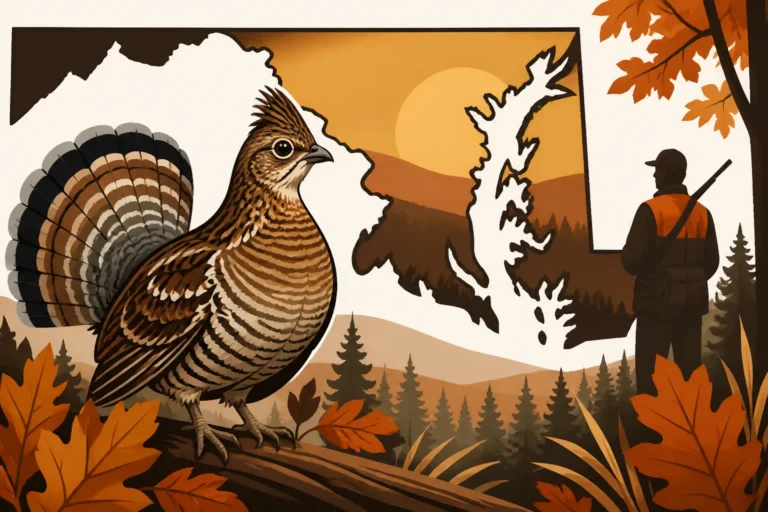
It's incredibly frustrating to spend countless hours scouting, driving miles, and hitting the woods only to find sparse turkey sign or hear nothing but crows when you expect to hear a gobbler. Maryland's wild turkey populations are thriving in many areas, but knowing where those areas are and what makes them ideal is the secret sauce. This comprehensive guide will pull back the curtain on the specific habitats and geographical regions across Maryland where turkeys don't just exist, but truly flourish, helping you narrow down your search for those elusive longbeards.
Understanding Maryland's Wild Turkey Habitat Needs
Wild turkeys aren't just random wanderers; they're incredibly particular about their surroundings. To truly understand where Maryland's turkeys live best, you first need to get inside their heads and grasp their core needs: food, water, cover for roosting and protection, and areas for breeding and foraging. When an area checks all these boxes, you're likely to find a healthy, resident flock.
The Importance of Diverse Forest Types
Maryland's varied landscape, from its western mountains to its coastal plains, offers a mosaic of forest types, and a healthy turkey population thrives on diversity. They absolutely depend on mature hardwoods for much of their fall and winter food supply. Think sprawling oak and hickory stands in the mountains and Piedmont, dropping a bounty of acorns and nuts that turkeys will gorge on. These dense, caloric mast crops are crucial for turkeys to build up fat reserves before winter. Without consistent mast production, turkey numbers can fluctuate, which is something we've seen impact Maryland Wild Turkey Population Trends in certain years.
Beyond just food, turkeys also need different types of timber for protection and roosting. Mixed forests, often featuring pockets of pines or hemlocks, offer essential thermal cover during harsh winter storms or scorching summer days. These evergreens provide a dense canopy that traps warmth in winter and offers shade in summer, giving turkeys a sanctuary. The edges where these diverse forest types meet – say, a hardwood ridge transitioning into a pine stand – are often prime locations for turkeys to move between feeding and roosting areas, making them excellent spots for hunters to focus their efforts.
Water Sources and Roosting Sites
You won't find turkeys far from a reliable water source. While they don't drink constantly like some other game animals, access to creeks, rivers, ponds, or even consistent seepages is non-negotiable for their daily hydration. In the spring, these water sources often coincide with lush green-up, providing early insect protein for hens and their poults. A gobbler might strut through a field, but he's never far from a place to grab a drink.
Perhaps even more critical than daily water access are their chosen roosting sites. Turkeys prefer to fly up into tall, sturdy trees to spend the night, safe from ground predators. Mature hardwoods, towering pines, or even old sycamores lining a creek bottom are typical choices. These trees often have strong, horizontal limbs that provide a secure perch. Locating these consistent roosting sites is a goldmine for spring turkey hunters, as it tells you exactly where the birds will be at first light. You can often hear them gobbling from the limb before they fly down, giving you a distinct advantage in setting up your morning ambush.
Openings and Foraging Areas
While dense woods are vital for cover, turkeys also need open spaces for key activities, especially during the breeding season and for raising their young. Farm fields, power line clearings, old logging decks, and even carefully managed food plots provide essential foraging opportunities. In spring, hens lead their poults through these areas, pecking for insects, spiders, and tender new growth, which are packed with the protein and nutrients vital for rapid growth. You'll often see hens with broods dusting themselves in dry, open soil patches in these areas, another sign of healthy habitat. This bugging behavior is a critical part of What Maryland Turkeys Eat in Spring and their overall development.
During the spring strutting season, gobblers often choose elevated, open areas to display for hens. A high point overlooking a field or a clearing in the timber allows them to be seen and heard from a distance. These strutting zones are where the real show happens, and smart hunters will position themselves with a good view, knowing that a gobbler wants to be seen and heard by as many hens as possible. These openings are also fantastic for gobblers to escape the immediate cover of dense woods and gain visibility, though they still prefer to be relatively close to the safety of the timber.
Maryland's Prime Turkey Regions: Western Mountains
When most folks think about Maryland's turkey hunting, their minds often drift to the expansive, rugged terrain of the western mountains. And for good reason – this region consistently boasts some of the highest turkey populations and offers vast tracts of public land, a rare commodity in such a densely populated state.
Allegany and Garrett Counties' Mountainous Terrain
The backbone of Maryland's western turkey hunting lies squarely in Allegany and Garrett counties. Here, you'll find the largest contiguous blocks of state forest land, including the renowned Green Ridge State Forest and Savage River State Forest. These areas are characterized by steep, winding ridges, deep hollows, and vast stretches of mature hardwood timber, interspersed with thick stands of conifers. This rugged topography creates a natural haven for turkeys, providing an abundance of their preferred habitat. Hunters who aren't afraid to put in the legwork and tackle challenging terrain can often find less pressured birds deep within these mountains.
The sheer size of these public land holdings means that scouting is absolutely paramount. While some areas are easily accessible, the real gems often lie a mile or two off the beaten path, up a logging road or across a couple of steep draws. Using advanced mapping tools like GoHunt can be invaluable here, helping you identify promising timber stands, terrain features like saddles and benches, and potential roosting areas. If you're looking for a true wilderness feel to your turkey hunt, the western mountains offer it in spades. You can spend days exploring and Still-Hunting Western Maryland Mountain Timber, immersing yourself in the experience.
Food Sources and Cover in the Highlands
The food situation in the western mountains is largely dictated by the mast crop. During good acorn years, the mature oak and hickory ridges become a veritable buffet for turkeys from late summer through fall. Birds will concentrate heavily in these areas, making them predictable for late season hunters. Conversely, a poor mast year might see birds spread out more, relying on other food sources like wild grapes, berries, and agricultural fields found lower in the valleys. This reliance on mast is a significant factor in Fall Turkey Hunting Maryland's Western Counties, as hunters often key in on these food sources.
Winter cover is also critical in these higher elevations where snow can be deep and temperatures biting. Turkeys will utilize dense stands of mountain laurel, rhododendron thickets, and pine plantations for thermal cover, hunkering down out of the wind and elements. These areas also provide escape cover from predators like bobcats and coyotes. Recent logging operations, while initially disruptive, can create excellent new foraging habitat in the long term, as the disturbed ground encourages new growth and insect activity. Turkeys are quick to capitalize on these new food sources once the immediate disturbance subsides, leading to shifts in their distribution within the vast timber.
The Piedmont and Central Maryland Hotspots
Moving east from the mountains, Maryland's Piedmont region, which includes counties like Frederick, Carroll, Howard, and Montgomery, presents a different but equally compelling turkey hunting landscape. Here, the rolling hills and fertile valleys are a patchwork of agriculture, woodlots, and suburban development. While access can be more challenging due to private land ownership, the habitat conditions are often ideal for turkeys, leading to robust populations.
Mixed Agricultural and Woodland Environments
In the Piedmont, turkeys thrive in the transition zones where expansive farm fields meet mature woodlots and stream corridors. These areas provide the perfect balance: open fields for bugging, strutting, and feeding on waste grain, and dense timber for roosting and security. Counties like Frederick and Carroll, with their rich agricultural heritage, offer a surprising amount of quality turkey habitat. You'll often find birds using creek bottoms as travel corridors, moving between different woodlots and fields throughout the day.
The biggest hurdle for hunters in this region is often access. Much of this prime habitat is on private land, meaning successful hunting hinges on securing permission from landowners. This often involves patience, polite requests, and building relationships over time. Knocking on doors and making a good impression is key, as highlighted in strategies like Knocking on Doors in Maryland Farm Country. Once you gain access, these areas can offer fantastic, often less-pressured hunting opportunities compared to heavily used public lands.
Suburban Pockets and Deer Management Areas
It might sound counterintuitive, but some of the most consistent turkey populations can be found in the suburban fringes around metropolitan areas like Baltimore and Washington D.C. Counties such as Montgomery and Anne Arundel, despite their dense human populations, have significant green spaces, parks, and large private land holdings that act as refuges for wildlife. Turkeys in these areas often experience less hunting pressure, allowing their numbers to flourish.
These "suburban pockets" are often managed through special deer management programs, creating unique hunting opportunities for turkeys as well. The lack of predator control and heavy vehicle traffic means birds can often become quite comfortable. However, hunting here requires strict adherence to local regulations, often involving specific permits, weapon restrictions, and close communication with landowners or park managers. Using mapping platforms like GoHunt can be immensely helpful in identifying these fragmented parcels and understanding their ownership, which is crucial for gaining permission. These suburban areas can offer incredible action, especially for archers, in the same way that hunters find success Hunting Maryland's Suburban Deer Management Hunts.
Eastern Shore and Southern Maryland Opportunities
Don't let the flat terrain of the Eastern Shore or the slower pace of Southern Maryland fool you; both regions hold significant, often overlooked, turkey populations. While different from the western mountains, these areas offer unique habitat blends that turkeys readily exploit.
Timber Stands and Farm Fields of the Eastern Shore
Maryland's Eastern Shore, encompassing counties from Cecil down to Dorchester and Worcester, is primarily known for its waterfowl and deer hunting. However, scattered among the vast agricultural fields and tidal marshes are substantial blocks of timber – often loblolly pine plantations mixed with mature hardwoods – that provide excellent turkey habitat. Birds thrive where these timber stands abut corn, soybean, or wheat fields, utilizing the edges for feeding and strutting. The Pocomoke River bottomlands, for example, offer extensive woodland corridors that turkeys inhabit.
The key to finding turkeys here is to focus on the larger, contiguous blocks of timber, especially those bordering creeks and rivers. While the terrain is generally flat, these areas still provide plenty of cover and food. Hens will nest in the dense undergrowth of these woods, and gobblers will loudly announce their presence from roost trees along the water's edge. Some hunters note that Why Eastern Shore Turkeys Act Differently might be due to a generally flatter landscape and different predator pressures, requiring slightly adjusted hunting tactics compared to mountain birds.
Southern Maryland's Wooded Creek Drainages
Southern Maryland, including Charles, St. Mary's, and Calvert counties, shares some habitat characteristics with the Piedmont, with a mix of agriculture, residential areas, and significant wooded areas, particularly along creek and river drainages. The Patuxent River corridor, for instance, provides a lengthy stretch of ideal turkey habitat, offering mature timber, water access, and open fields. State forests like Cedarville and Doncaster also offer substantial public land opportunities for turkey hunters.
Turkeys in Southern Maryland will often follow these natural corridors, moving between woodlots on private farms and larger blocks of public or state-owned land. They utilize the mature oaks and poplars along the creek banks for roosting and feed in adjacent fields. As with the Piedmont, gaining private land access is a major advantage here, as it can open up access to less-pressured birds. Public lands like those found in Hunting Southern Maryland's Woods and Creeks are consistent producers if you're willing to scout and get away from easy access points.
Factors Influencing Local Turkey Distribution
Even within these prime regions, turkey distribution can vary significantly from one woodlot to the next. Understanding the localized factors that influence where turkeys choose to live can drastically improve your scouting and hunting success. It’s not just about the big picture, but the subtle details on the ground.
Hunting Pressure and Refuge Areas
Just like any game animal, wild turkeys react strongly to hunting pressure. In areas that receive heavy hunter traffic, particularly on easily accessible public lands, birds can become wary, silent, and quickly shift their patterns. They might move deeper into impenetrable thickets, utilize private land as a refuge, or simply go silent after the initial morning fly-down, making them incredibly challenging to locate. This phenomenon is a common reality when facing Hunting Pressure on Maryland Public Land.
Conversely, areas with less pressure—whether due to difficult access, limited public knowledge, or extensive private land buffers—can hold more vocal and less skittish birds. This is why gaining private land permission can be so valuable, as these properties often act as sanctuaries where turkeys can thrive relatively undisturbed. Learning to identify these "refuge areas" and understanding how turkeys use them to escape pressure is a vital skill for any successful turkey hunter.
Food Availability and Weather Patterns
Food is a primary driver of turkey movement and distribution. A booming mast crop in the fall will concentrate turkeys in hardwood forests, sometimes making them easier to locate. If the mast crop fails, however, turkeys will disperse more widely, seeking alternative food sources like waste grains in farm fields, wild berries, or subterranean tubers. This variability means that a spot that was hot one year might be cold the next, entirely dependent on what Mother Nature provides.
Weather also plays a significant role. Harsh winters with deep snow can limit food access and increase mortality, impacting subsequent spring populations. Droughts can reduce insect populations, which are crucial protein for poults. Conversely, a mild winter can mean a strong spring hatch. Hunters should always consider recent weather patterns when scouting, as they can explain changes in turkey numbers and behavior. For example, a prolonged cold snap in early spring might delay the peak gobbling activity, making early season hunts more challenging.
Access and Land Ownership Patterns
Maryland's blend of public and private land creates a complex tapestry for turkey hunters. In many prime areas, land ownership is fragmented, with numerous small parcels changing hands. This fragmentation, while a challenge for access, can also create incredible opportunities for turkeys, as certain parcels may rarely be disturbed. Effectively navigating this mosaic requires not only an understanding of local regulations but also keen spatial awareness.
Modern mapping tools, like the one offered by GoHunt, have revolutionized how hunters approach this. They allow you to overlay property lines, landowner information, and various habitat layers onto aerial imagery. This capability is invaluable for identifying potential access points, locating specific habitat features (like a remote food plot or a dense roosting block), and even determining which landowners to approach for permission. This digital scouting, akin to Scouting Maryland Public Land With Aerial Photos, saves countless hours of boots-on-the-ground searching and allows hunters to make informed decisions about where to focus their limited time in the field. Ultimately, understanding who owns what and what type of land it is can be the difference between a successful hunt and a frustrating one.
Regional Turkey Habitat Characteristics
To give you a clearer picture, here's a breakdown of key turkey habitat characteristics across Maryland's regions:
| Region | Primary Forest Types | Key Food Sources (Fall) | Key Foraging Areas (Spring) | Typical Roosting Sites | Access Challenge |
|---|---|---|---|---|---|
| Western | Mature Oak/Hickory, Mixed Conifers | Acorns, Wild Grapes | Clear-cuts, Logging Roads | Tall Oaks, Pines on Ridge Tops | Rugged Terrain, Distance |
| Piedmont | Mixed Hardwood/Pine Woodlots | Acorns, Waste Grain, Berries | Farm Fields, Stream Edges | Large Hardwoods along Stream Bottoms | Private Land Permission |
| Eastern Shore | Loblolly Pine, Mixed Hardwoods | Acorns, Waste Grain | Crop Fields, Pine Plantations | Tall Pines, Poplars near Water | Fragmented Woodlots |
| Southern | Mixed Hardwoods, Bottomland Forests | Acorns, Berries | Crop Fields, River/Creek Edges | Mature Hardwoods along Waterways | Private Land Permission |
This table illustrates that while turkeys adapt to different environments, their fundamental needs remain consistent. The diversity in Maryland's landscape provides ample opportunity, but knowing which habitat features to prioritize in each region is what separates a consistent hunter from someone just hoping for luck.
Disclaimer
Please remember that hunting regulations, season dates, and access rules can change frequently. Always consult the most current Maryland Department of Natural Resources (DNR) hunting guide before planning any hunt. This article is for informational purposes only and does not constitute legal advice.