Why Sika Deer Whistle Instead of Grunting
Many Maryland deer hunters, especially those new to the unique challenges of the Eastern Shore, find themselves completely thrown off when they venture into sika country. You're out there, expecting the familiar grunts and bleats you've learned to associate with whitetails, only to hear something entirely different – a sharp, piercing whistle that sounds more like an elk bugle than anything a deer should make. It can be incredibly confusing and even frustrating, leaving you wondering if you're even hunting the right animal. This guide is here to unravel that mystery, diving deep into why sika deer communicate with whistles instead of grunts and how understanding their unique language can transform your hunting success in Maryland's marshes and pine thickets.
Understanding Sika Deer Vocalizations: A World Apart
If you've spent any time chasing whitetails, you've likely become accustomed to their vocal repertoire: the soft doe bleats, the aggressive buck grunts, the alarm snorts. These sounds are ingrained in our understanding of deer communication. Then you step into a sika marsh or a loblolly pine stand, and suddenly, everything you thought you knew about deer sounds is turned on its head. Sika deer, often affectionately called "Japanese elk" by locals, are an entirely different breed when it comes to talking amongst themselves, and it’s a critical difference for any hunter to grasp.
The Unique Sika Whistle: More Than Just a Call
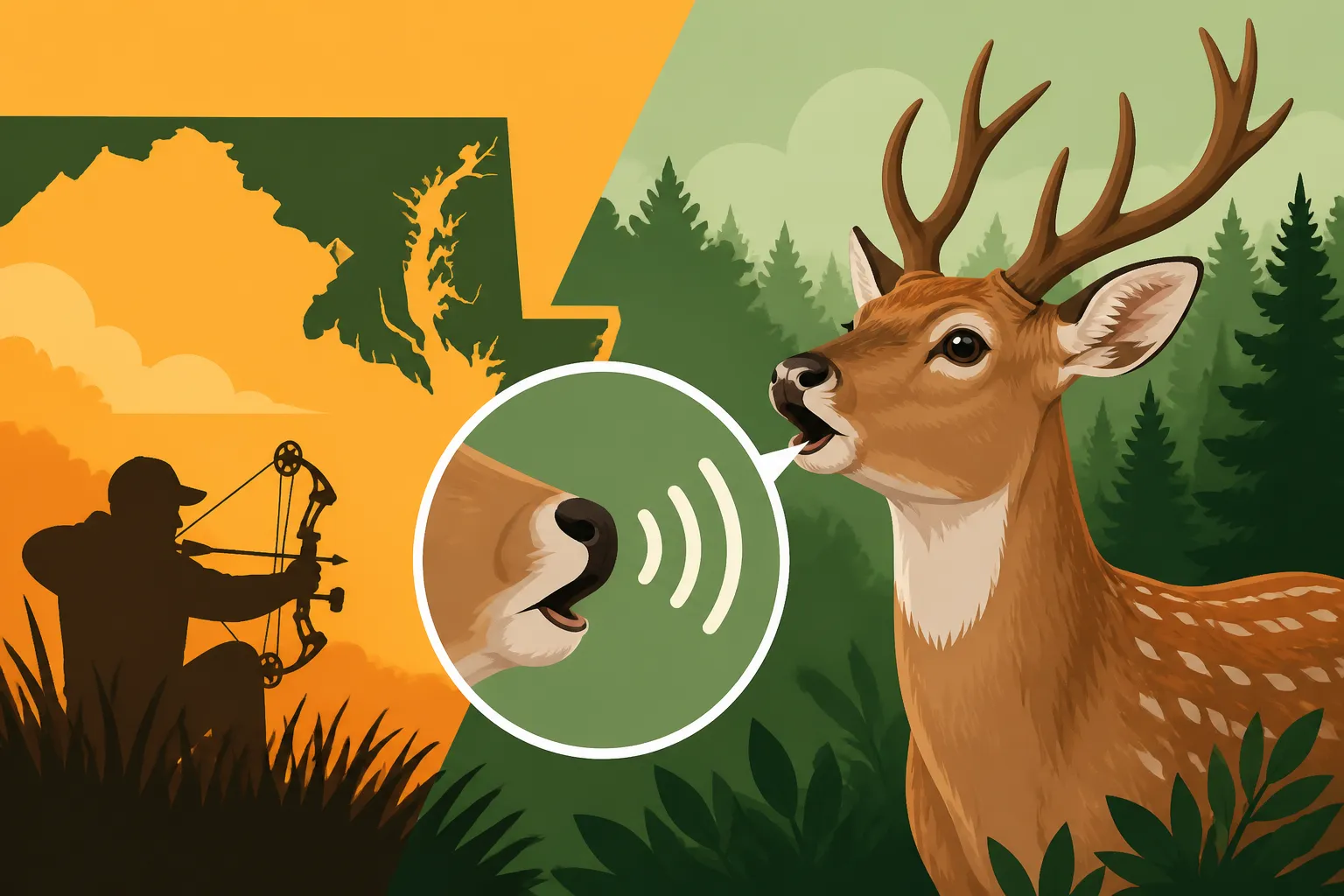
The sika whistle is arguably the most distinctive sound you'll hear in their habitat. It's not a mere squeak or a gentle breathy sound; it’s a full-throated, often loud, and highly resonant call that can travel surprising distances through thick cover or across open marsh. For the uninitiated, it can be startling, sometimes even intimidating, because it sounds so unlike any other deer species found in North America. These whistles aren't just for alarm either; they serve a complex array of purposes, from asserting dominance to attracting mates, and even just simple communication within a group. Imagine sitting in a dense phragmites stand, the air still and quiet, when suddenly a piercing whistle rips through the silence, making the hair on your arms stand up. That's the sika experience.
Why No Grunt? Evolutionary Differences
The absence of the familiar grunt in sika deer is a fascinating evolutionary divergence. While both sika and whitetails are deer, they belong to different genera and evolved in distinct environments, which shaped their communication methods. Whitetails (genus Odocoileus) evolved in North and South American forests, where their grunts, bleats, and snorts are effective in dense cover and allow for communication over shorter distances or during close encounters. Sika deer (genus Cervus), on the other hand, originated in East Asia, inhabiting diverse landscapes including dense forests and open grasslands, and sharing ecosystems with larger cervids like red deer and elk. Their vocalizations, particularly the stag's "whistle" or "bugle," are strikingly similar to those of their larger cousins, allowing them to communicate over greater distances and through more varied terrain. This powerful, carrying sound is simply more effective in their ancestral habitats for asserting territory and attracting mates. It's a testament to how environment and competition can shape even the most fundamental behaviors, like how an animal chooses to speak.
Comparing Sika Sounds to Whitetail Vocalizations
To truly appreciate the sika's unique language, it helps to put it into context with the whitetail's communication. Picture a Maryland whitetail buck in the rut: you might hear a low, guttural grunt as he trails a doe, or a more aggressive "snort-wheeze" if he's challenging another buck. These are generally short-range, direct communications. Now, visualize a sika stag during the peak of the rut: you'll hear the iconic whistle, which can transition into a series of staccato barks, sometimes ending in a full-blown "roar" or "bugle." This complex series of sounds can be heard much further away and serves to advertise the stag's presence, fitness, and territory to both rival stags and potential mates across a wider area. It's a completely different acoustic profile, and understanding this contrast is key to successfully hunting both species, especially if you're Hunting Maryland Whitetails on the Same Ground as Sika.
Here’s a quick comparison of their primary rutting season vocalizations:
| Vocalization Type | Sika Deer (Stag) | White-tailed Deer (Buck) |
|---|---|---|
| Primary Rut Call | Whistle, often escalating into a series of barks/roars | Grunt (single, trailing, aggressive) |
| Dominance Display | Whistle-roar sequence, aggressive barks | Snort-wheeze, aggressive grunt, rattling antlers |
| Alarm/Warning | Sharp, explosive bark | Snort, stomp |
| Social Calls | Various mews and contact calls | Bleats (doe, fawn, contact) |
| Range/Volume | High-pitched, piercing, carries long distances | Lower frequency, guttural, shorter to medium distances |
| Common Use | Attracting mates, challenging rivals, territorial | Trailing does, asserting dominance in close quarters |
This table highlights just how distinct their auditory worlds truly are.
The Sika Rut and Whistle Taxonomy
The sika rut is a spectacle unlike any other in Maryland, largely defined by the intense vocalizations of the stags. If you’re planning a hunt in the Sika Deer Hunting in Maryland's Tidal Marshes or looking to target these deer, understanding their unique calling patterns is absolutely crucial. You might think deer are deer, but the sika will quickly disabuse you of that notion with their wild, piercing calls echoing through the misty mornings.
Whistle Types and Their Meanings
The term "sika whistle" is actually a bit of an oversimplification, as stags employ a range of distinct calls that all fall under this general category. Just like a turkey hunter learns to differentiate between a gobble, a cluck, and a yelp, a sika hunter needs to learn the nuances of their whistling language. There's the high-pitched, drawn-out "locating whistle" that a stag might make while cruising for does or staking out his territory. Then, as he gets more agitated or encounters a rival, that whistle can become shorter, more frequent, and more aggressive, often breaking into a series of sharp barks. This can then build into a guttural "roar" or "bugle," a truly primal sound designed to intimidate other stags and advertise his presence to every receptive doe in the vicinity. Using tools like GoHunt's sound library can really help you get familiar with these different vocalizations before you ever step foot in the marsh. Knowing these variations helps you pinpoint what a sika is doing and how best to respond.
When and Where to Hear the Whistle
While sika deer can vocalize year-round, the infamous whistle becomes a prominent feature of the landscape during their rut. The sika rut in Maryland typically peaks from late September through October, often overlapping with the earlier stages of the whitetail rut. This is when the marshes, pine islands, and scattered woodlots of Dorchester, Wicomico, and Somerset counties come alive with sound. You'll hear the whistles early in the morning, often before first light, as stags are most active at dawn and dusk. They'll continue sporadically throughout the day, especially if a stag is actively tending a doe or challenging another male. Understanding these patterns is key to successful hunting, and many hunters specifically plan their trips around Calling Sika Stags During the September Whistle or later in the rut to capitalize on this vocal activity. Look for areas with dense cover, like thick phragmites or young pine regeneration, interspersed with feeding areas, as these are prime locations for stags to set up their territories and engage in calling battles.
The "Roar" or "Bugle" of a Sika Stag
Perhaps the most impressive and surprising vocalization from a sika stag is what many describe as a "roar" or "bugle." Unlike the clean, bugle of a bull elk, the sika stag's equivalent is often more ragged, guttural, and concludes with a series of distinct grunts or barks. It typically starts with a high-pitched whistle, which then descends into a raspy, deep guttural sound that can truly make the hair on your neck stand up. This full-on bugle is a powerful display of dominance, typically reserved for when stags are in close proximity to rivals or actively herding a harem of does. Hearing this up close is an experience you won't soon forget, and it's a clear indicator that a mature stag is in the area and actively engaged in the rut. It’s during these intense vocalizations that hunters often have their best chances, as the stag is so focused on his display that he might be less cautious of his surroundings.
Hunting Implications and Strategies
Knowing that sika deer whistle instead of grunt isn't just a fun fact; it fundamentally changes how you approach hunting them. If you come into their territory expecting whitetail behaviors and sounds, you're likely to be confused and less successful. Maryland's sika country, particularly the expansive marshes and thick cover, demands a different set of skills and a keen ear for their unique language.
Calling Sika: Adapting Your Techniques
Because sika deer don't grunt, your typical whitetail grunt tube is going to be largely ineffective. Instead, sika hunters need specialized calls designed to mimic their whistles and barks. There are various commercial sika calls available, but many seasoned hunters develop their own techniques, often using their mouth and hands to reproduce the whistling sound. The key is to learn to make a convincing high-pitched whistle that transitions into a lower, more guttural bark or roar. During the rut, an aggressive calling sequence can effectively challenge a dominant stag, often bringing him charging in looking for a fight. Sometimes, softer contact calls or mews can lure in a curious doe or younger stag. It's a learned skill, but one that pays huge dividends when you're wading into a Dorchester marsh before daylight. Just like with whitetail calling, less is often more, and listening to the real thing, perhaps on GoHunt's media section, is the best teacher.
Scouting for Sika Beyond Traditional Sign
While sika deer will leave traditional deer sign like rubs, scrapes (though their scrapes can look a bit different, often smaller and more torn up), and tracks, their vocalizations offer an entirely different dimension to scouting. If you're trying to figure out Where Sika Deer Bed in Phragmites or how they're moving through a loblolly pine edge, listening becomes paramount. Before the season, or even during scouting trips, pay close attention to where you hear whistling activity. This can pinpoint rutting territories and travel corridors more accurately than just relying on visual sign. A cluster of fresh rubs combined with consistent whistling in a certain area tells you a stag is actively claiming that spot. Using tools like GoHunt's satellite imagery can help you identify potential travel routes between dense bedding cover and food sources, and then you can use your ears on the ground to confirm sika presence and activity. Understanding these sound patterns is an invaluable asset when you're trying to piece together a sika puzzle.
Interpreting Sika Vocalizations in the Field
The ability to interpret what a sika's whistle or bark truly means is an advanced skill that comes with experience. Is that a challenge whistle from a stag looking for a fight, or a social contact call? Is that a short bark an alarm, or just a stag communicating with his harem? Generally, a sustained, loud whistle escalating into barks and roars indicates a highly agitated or dominant stag, likely in the midst of rutting activity. A short, sharp bark often signals alarm, meaning the sika has detected something amiss and is warning others. Softer mews or bleats are typically social calls, indicating a doe or fawn. If you hear an aggressive whistle-roar sequence, especially if it sounds like it's coming from a specific thicket, you know you're in a prime position to set up and try to call that stag in. This auditory intelligence gives you a significant advantage in figuring out what the sika are doing and how to react in real-time.
Deeper Dive into Sika Biology and Behavior
Understanding why sika deer communicate the way they do goes beyond just hunting tactics; it delves into their fundamental biology and the unique niche they've carved out in Maryland's ecosystem. Their distinctive vocalizations are not just arbitrary sounds but are deeply intertwined with their social structure, habitat use, and overall survival strategy.
Sika Deer Social Structure and Communication
Sika deer typically live in smaller, more fluid social groups compared to some other deer species. Harem-forming is common during the rut, where a dominant stag will gather and defend a group of does. This dynamic directly influences their vocalizations. The loud, carrying whistle-roars of stags are crucial for establishing and maintaining these harems, deterring rival males, and advertising their prowess across potentially vast or visually obstructed territories, such as a sprawling marsh. Does and fawns also have their own set of quieter mews and bleats for close-range communication, ensuring group cohesion and alerting each other to danger. This complex vocal array allows them to navigate their social lives, from the intense competition of the rut to the more subtle daily interactions, all while adapting to their specific Maryland environment, whether you're Hunting a Loblolly Pine Island in the Marsh or tracking them along a ditch bank.
Habitat Influence on Vocalization
The habitat sika deer occupy in Maryland – primarily the dense, often impenetrable marshes, pine thickets, and mixed woodlands of the lower Eastern Shore – plays a significant role in why their vocalizations are so distinct. In such visually challenging environments, auditory communication becomes far more effective than visual cues over distance. A loud, high-pitched whistle can cut through the dense phragmites, penetrate a thick pine stand, and travel across open water or marshland much better than a low grunt or a visual display. This ability to communicate across difficult terrain helps stags maintain their territories and locate does, and it allows does to keep track of their fawns or alert others to predators. The very structure of their home drives their need for long-range, piercing sounds, which is especially important for understanding how to hunt them when Reading a Marsh Trail for Sika Sign. It’s a classic example of adaptation, where their voice is perfectly suited to their environment.
The Future of Sika in Maryland and Their Sounds
Sika deer are an established part of Maryland's ecosystem, particularly on the Eastern Shore. While initially an introduced species, they have carved out a significant niche, and their population, and therefore their unique vocalizations, are here to stay. As their range continues to expand, albeit slowly, more hunters across Maryland might encounter these fascinating deer and their unusual calls. Ongoing research and habitat management efforts aim to understand and manage their impact on the local environment and co-exist with whitetail populations. For hunters, this means that learning the distinct sika whistle is not just a niche skill for the Eastern Shore but an increasingly valuable part of a broader Maryland hunting education. With resources from state wildlife agencies and platforms like GoHunt, hunters can stay informed about sika movements and behavior, ensuring they're prepared for the unique challenges and rewards these "Japanese elk" offer. Their haunting whistles will continue to be a defining sound of Maryland's wild places for generations of hunters to come.
Disclaimer
This article is for general informational purposes only and does not constitute professional advice. Laws, prices and regulations vary by location and change over time. Consult a qualified professional for guidance on your specific situation.