Knocking on Doors in Maryland Farm Country
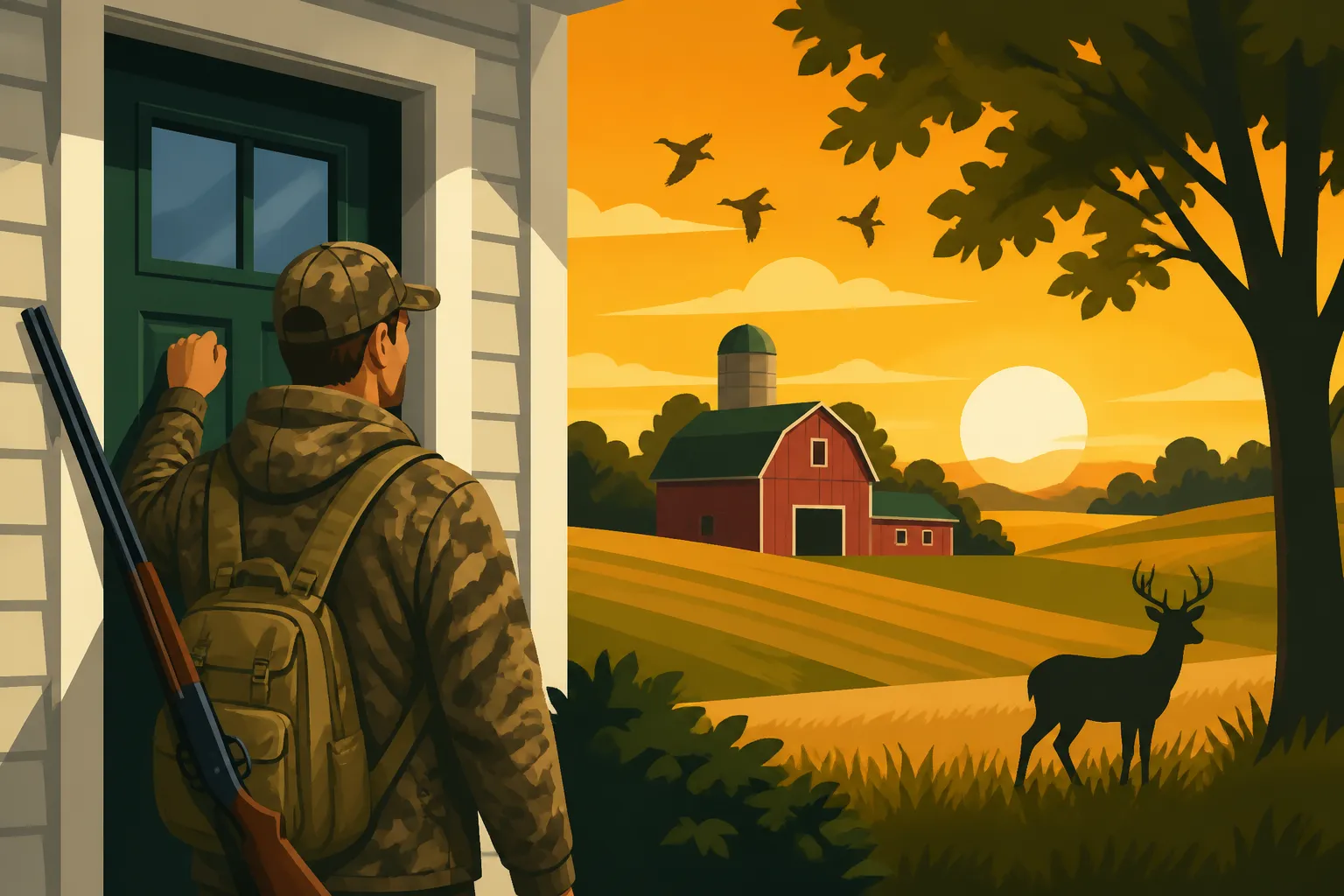
Finding prime hunting ground in Maryland can feel like an impossible task, especially when public lands are getting more crowded every year. You've probably driven past countless promising fields and woodlots, wishing you could just get access. But don't give up! Many of the best opportunities lie behind the gate of private property, and often, the only way in is to simply ask. This guide is all about giving you the confidence and practical advice to successfully Asking a Maryland Landowner for Permission by knocking on doors in Maryland farm country and gain access.
The Mindset and Preparation Before You Go
Overcoming the Intimidation Factor
It's totally natural to feel a knot in your stomach when you pull up to a stranger's farmhouse, isn't it? We’ve all been there, wondering if we’re bothering someone, or if we’ll just get a polite but firm "no." But here's the honest truth: most landowners are simply good people who appreciate honesty and respect. They're not monsters, and often, they're just busy or have had bad experiences in the past. Your goal isn't to demand access, but to open a dialogue and build a potential relationship. Think of it less as a cold call and more as an opportunity to be a good neighbor, even if you don't live next door.
One of the biggest hurdles is the fear of rejection. You’re going to get turned down sometimes, and that’s perfectly fine. Not every property is available, and not every landowner is open to it, regardless of how friendly you are. Don't take it personally. Just like a hunter might pass on a small buck to wait for a bigger one, you might need to pass on a property that isn't a good fit or where the landowner isn't receptive. Every "no" is just valuable practice for when you find that perfect "yes." The more doors you knock on, the better your chances become.
Keep your focus on the reward. Imagine the satisfaction of earning access to a fantastic piece of Maryland ground, knowing you put in the effort to make it happen. You might find less pressured deer, a prime turkey roost, or even a hidden patch of rabbit habitat that hasn't seen a hunter in years. This kind of hard-won access often leads to the most memorable hunts and a deep sense of connection to the land and its owner. It’s an investment, not just of time, but of genuine goodwill.
Many experienced hunters will tell you that the best hunting memories aren't always about the biggest buck, but about the connections made and the lessons learned. Approaching landowners is part of that journey. It builds character and hones your communication skills, which are useful far beyond the hunting woods.
Researching Potential Properties
Before you even think about pulling up a driveway, you need to do your homework. Just driving around and picking a random spot is like throwing darts blindfolded. Start with detailed aerial maps and parcel data. Tools like GoHunt's mapping platform or similar services are invaluable here. You can zoom in and identify key features: field edges, thick woodlots, drainages, potential travel corridors, and even specific areas that might hold Late Season Food Sources for Maryland Deer. Look for that perfect Standing Corn Field Edge for Deer or a dense cedar thicket that provides bedding.
Pay close attention to property lines. Knowing exactly where one property ends and another begins is critical for understanding who owns what and for showing respect once you potentially get access. You can often see historical land use patterns, old logging roads, or even abandoned structures that might indicate past activity or current wildlife movement. Also, consider the species you’re targeting. If you're after a specific type of game, like sika deer in the marshes, you'll be looking for different habitat features than if you're targeting whitetails in the mountains.
Identifying the actual landowner is a crucial step. Many county tax assessor websites are public and allow you to search properties by address or even by drawing on a map. Sometimes, the person living in the farmhouse might be a tenant, and the actual owner lives elsewhere. Knowing the correct name when you knock, or if you need to call, makes a powerful first impression. It shows you're not just some random person; you've taken the initiative.
Think about the context of the land. Is it part of a larger agricultural operation, or is it smaller acreage bordering a subdivision? Landowners who are farming might have different concerns than those with a few wooded acres. For example, a farmer dealing with crop damage might be more receptive to a hunter offering to help with deer management. Conversely, if you're looking for deer, you'll want to avoid properties that are heavily grazed by livestock, as deer movement might be limited. Consider areas like Hunting Maryland's Upper Eastern Shore Farm Country where agriculture and hunting often go hand-in-hand.
What to Carry When You Knock
Your toolkit for door-knocking should be neat, organized, and professional. Think of it like a job interview – you want to convey responsibility and trustworthiness. A clean folder is perfect for this. Inside, you should have your current Maryland hunting license, any required stamps (like the Archery Stamp Cost and Who Needs One if you’re a bowhunter), and your hunter education certificate. Having these readily available demonstrates that you're a legal, educated, and safe hunter.
A simple, one-page hunting "resume" can be incredibly effective. This isn't a formal work resume, but rather a concise summary of your hunting experience, your commitment to safety, and perhaps a reference from another landowner if you’ve had permission elsewhere. Include your contact information. It tells your story quickly and professionally. Also, having a printed aerial map of their specific property, perhaps generated from your GoHunt app, is a fantastic visual aid. You can point out features, discuss specific areas, and visually show you understand the boundaries.
Don't forget a small notepad and pen. This allows you to jot down the landowner's name, their contact information, any specific rules they lay out, and details about their property. It shows you're taking their words seriously and are committed to remembering the details. A polite, brief letter of introduction can also be handy to leave behind if no one answers the door. This keeps you from being just a nameless person who stopped by.
Finally, consider a small, thoughtful gesture. It doesn't have to be expensive – maybe a gift card to a local coffee shop, a bushel of fresh local produce if you have some, or even a neatly packaged sample of your homemade jerky. This is offered not as a bribe, but as a genuine sign of respect for their time and consideration. It sets a positive tone right from the start.
The Art of the Knock: Making a Good Impression
Timing Your Visit Right
When you approach a landowner, timing is absolutely everything. Showing up at 6 AM on a Saturday or during their dinner hour is a sure-fire way to get a quick "no" before you've even fully stated your case. People are often busy with chores, family, or just relaxing during certain times. Aim for late morning or mid-afternoon on weekends, or perhaps late afternoon on a weekday when farm work might be winding down. You want them to have the time and mental space to actually listen to what you have to say.
Think about the calendar, not just the clock. The week before deer season opens is probably the worst time to ask for permission. Landowners might already have family or friends lined up, or they might just be overwhelmed with pre-season preparations. The ideal time to start this process is typically in the late spring or early summer. This gives them months to consider your request, get to know you, and for you to potentially help out with tasks before the season even begins. It shows forethought and respect for their planning.
Be observant when you arrive. Are there tractors in the fields, indicating active work? Is there a family gathering happening in the yard? If so, consider returning another day. You want to avoid being an inconvenience at all costs. A quick wave and a friendly nod from the road, indicating you'll return, can sometimes be a better approach than interrupting.
Knowing when not to knock is as important as knowing when to. If you notice "no hunting" signs, or signs indicating a commercial hunting lease, respect that and move on. Don’t waste your time or theirs. This is where understanding Maryland Hunting Lease Costs or how Maryland Hunting Clubs and How to Join operate can give you context for existing arrangements.
Your Appearance and Demeanor
Just like preparing your materials, preparing yourself physically is key. You don't need to wear a suit, but clean, presentable casual clothes are essential. No mud-splattered boots, no ripped jeans, and certainly no full camo unless you're coming straight from (or going straight to) a hunting trip – and even then, consider changing. You want to look like a respectful, responsible member of the community, not someone who's already scouting for a kill. Park your vehicle somewhere discreet that doesn't block their driveway or create a hazard on the road.
When you walk up to the door, make sure you approach alone. Having a large group with you can be intimidating. Make good eye contact, offer a firm but polite handshake (if appropriate), and introduce yourself clearly. State your name and your purpose directly: "Hello, my name is [Your Name], and I was hoping to speak with you about the possibility of deer hunting on your property this coming season." Be confident, but not aggressive; polite, but not timid.
The most important thing you can do once you start talking is listen. Really listen to what the landowner says. They might have concerns about safety, specific areas they want off-limits, or past negative experiences with hunters. Validate their feelings and concerns. This isn’t a sales pitch where you just talk about yourself; it’s a conversation. Show genuine interest in their farm and their concerns. For example, if they mention nuisance deer, that's your cue to talk about how you can help with herd management, perhaps by explaining the impact of Maryland's Three-Point Antler Restriction on local buck populations.
Demonstrate that you're a knowledgeable and responsible individual. You can subtly drop in that you understand the rules for Maryland's Legal Weapons by County or that you're keenly aware of local game dynamics. Showing this level of detail without lecturing demonstrates a serious approach to hunting.
Crafting Your Pitch
When you finally get to articulate your request, be crystal clear and specific. Don't just say "I want to hunt." Specify what you want to hunt (deer, turkey, small game), how you plan to hunt (bow only, shotgun, muzzleloader), and when you'd like to hunt (e.g., "during the archery season in October and November," or "just for spring turkeys"). Vague requests create uncertainty. If they have crop damage, explicitly offer to help reduce the deer population. This is a common problem in Maryland farm country.
Safety is paramount. Emphasize your commitment to safety for their family, their livestock, and their property. Explain that you always identify your target and what's beyond it, and that you would never shoot towards buildings, roads, or fences. This addresses a major concern for many landowners. Mentioning that you respect property lines and understand What Maryland's Posted Land Rules Require can also reassure them.
Consider offering a trade. Beyond just respecting their land, what tangible benefits can you offer? Many hunters offer to help with chores: mending fences, clearing brush, helping with small repairs, or even sharing labor during harvest. For deer hunters, offering to share venison from a harvested animal is often a big hit. "If I'm fortunate enough to harvest a deer, I'd be happy to share some fresh venison with you and your family."
If the landowner is hesitant, propose a trial period. "How about I just bowhunt for a few weeks this fall, and if everything goes well, we can revisit it for next year?" This lowers the stakes for them. Also, offer to sign a written agreement. This can be a simple document outlining the agreed-upon terms, boundaries, and liability. It shows professionalism and clarifies expectations for both parties, answering questions like Do You Need Written Permission in Maryland?.
Building Trust and Long-Term Relationships
What to Offer in Return
Remember, gaining permission is just the first step; maintaining it requires ongoing effort and gratitude. Think of yourself as a partner to the landowner, not just a guest. What skills or time can you offer? Many Maryland farmers are stretched thin. Can you help with repairing a broken fence post, lending a hand during planting or harvest, or even just keeping an eye on the property when they're away? These gestures build a relationship far beyond just hunting.
Being an extra set of eyes and ears on their property is a huge asset. Report anything suspicious you notice – unusual vehicles, dumping, or signs of trespassing. This shows you're not just there for yourself but care about the security and well-being of their land. It demonstrates that you view their property as a valuable resource, worthy of your respect and vigilance.
If you have an interest in land management, offer to help with habitat projects. This could involve clearing invasive species, planting beneficial native trees or shrubs, or even establishing a small food plot (with their explicit permission and input). Demonstrating an understanding of game needs, perhaps by discussing the importance of Late Season Food Sources for Maryland Deer, shows you're invested in the health of the local wildlife and the land itself. This could be a win-win, benefiting both the landowner and the local ecosystem. You could even discuss the potential benefits of Planting a Fall Food Plot on Maryland Ground for their property.
Sharing the bounty of the hunt is a classic way to show appreciation. If you harvest a deer, offering to process some venison for the landowner, or even just giving them a cut of the meat, can be a highly valued gesture. Many farmers appreciate fresh, organic meat and it reinforces the positive connection between hunting and their land.
Respecting the Land and Rules
This is non-negotiable. Once you've secured permission, adhere strictly to every single rule and boundary the landowner establishes. If they say no driving on certain paths, walk. If they specify certain times you can hunt, respect those hours. Even small infractions can quickly erode trust and jeopardize your access. Remember, their property is their livelihood and their home, and you are a guest.
Practice "leave no trace" ethics at all times. Pack out all your trash, including spent shell casings, food wrappers, and anything else you brought in. If you harvest an animal, make sure you know how to properly Field Dressing a Deer in Warm September Weather and dispose of the gut pile discreetly and away from trails, homes, or water sources. Your goal is for the landowner to barely know you were there, except for your respectful presence.
Communication is key. Always inform the landowner when you plan to be on their property and when you've left. This isn't just a courtesy; it's a safety measure for everyone involved. A quick text or phone call can go a long way. If you use a tree stand or ground blind, follow their specific instructions about placement and removal. Some landowners prefer no permanent structures, while others might be fine with a camouflaged blind that's regularly checked.
Be mindful of their routines and their livestock. If they have cattle, sheep, or horses, understand their temperament and avoid disturbing them. Close all gates you open, even if they look like they might have been left open before. Showing a keen awareness of their daily operations demonstrates a deep level of respect for their farm life and their livelihood. You might even discover opportunities to assist with tasks like Deer Drives on Maryland Private Ground if they have management needs.
Follow-Up and Gratitude
Your interactions shouldn't end when the season does. A sincere "thank you" should be a regular part of your routine. A handwritten card at the end of the season, a thoughtful gift during the holidays, or an offer to help with a spring chore can reinforce your appreciation. This isn’t just about getting permission for next year; it’s about building a genuine, lasting relationship with another person.
Keep the landowner in the loop. If you see something interesting while hunting – a particularly large buck, signs of wild turkeys, or even just some unique wildlife activity – share those observations. It shows you're engaged with their land and its wildlife beyond just pulling a trigger. If you harvest an animal, be sure to follow all Maryland regulations, including Registering a Maryland Deer by Phone or App promptly, and perhaps share a photo with the landowner.
Even if you weren't successful in harvesting an animal, or even if you didn't get permission in the first place, always send a thank you note for their time and consideration. Leaving a positive impression, regardless of the outcome, is crucial. You never know when circumstances might change, and that good impression could be the key to future access or a valuable connection.
Consider the long game. Many hunters dream of having consistent, reliable access to private land. This isn't usually a one-and-done deal. It's a relationship that you nurture over years. The goodwill you build through consistent respect, thoughtful communication, and genuine gratitude can lead to not just hunting access, but true friendships and a deeper connection to the agricultural heart of Maryland.
Essential Items for a Successful Knock
| Essential Items for Door-Knocking | Why It's Important |
|---|---|
| Clean, Presentable Attire | First impressions matter; shows respect. |
| Hunting License & Stamps | Proves legitimacy and responsibility. |
| Hunter Education Card | Demonstrates safety knowledge. |
| Property Map (e.g., GoHunt app) | Shows you've done homework, respects boundaries. |
| Hunting Resume (1-page) | Highlights experience and good record. |
| Pen and Small Pad | For notes, landowner contact info, rules. |
| Polite Introduction Letter | For leaving if no one is home. |
| Small, Thoughtful Thank You Gift | Shows appreciation (e.g., gift card, local produce). |
| Handshake (Firm & Sincere) | Establishes connection and confidence. |
| Knowledge of Maryland Trespass Law Requires | Demonstrates understanding of legal aspects and respect. |
Disclaimer
Hunting is an activity that carries inherent risks. Always prioritize safety, adhere to all local, state, and federal hunting regulations, and ensure you have the appropriate licenses and permits. The information provided here is for educational purposes and should not replace professional advice or personal due diligence.