Are Bobcats Legal to Hunt in Maryland?
It’s a common question that pops up in conversations around campfires and coffee shops across Maryland: can you hunt bobcats here? You see trail cam photos, hear whispers of sightings in the deep woods, and naturally, if you're a hunter, your mind might wander to the possibility of pursuing such an elusive and beautiful animal. But the reality in Maryland is quite specific, and it’s critical for every outdoors enthusiast to understand the actual legal status of these wild felines. This guide will dive deep into the bobcat's presence in our state, the rules governing their interaction with humans, and how you can appreciate them responsibly without running afoul of the law.
The Elusive Maryland Bobcat
There’s something truly captivating about a bobcat. Their stealth, their piercing gaze, and their uncanny ability to seemingly disappear into thin air make them a creature of legend for many who spend time in Maryland's wilder places. But for a long time, seeing one in our state was more of a dream than a reality.
A History of Decline and Recovery
Maryland’s bobcats weren't always so rare. Historical records show them roaming widely across the state, playing their part as apex predators in our ecosystems. However, as human populations expanded, habitats were fragmented, and unregulated hunting and trapping pressure took a heavy toll throughout the 19th and early 20th centuries. By the mid-20th century, bobcats had largely vanished from most of Maryland, retreating to the most remote corners of the western mountains. It was a bleak time for these incredible animals, and many feared they might be gone from our state for good.
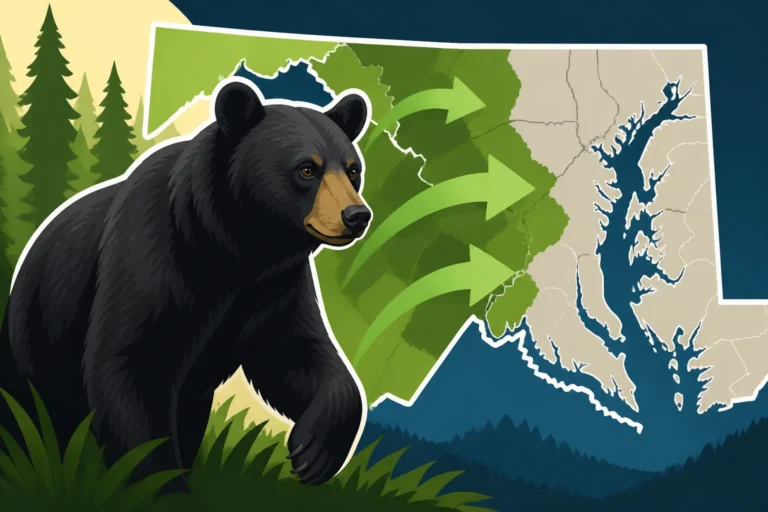
Thankfully, with a growing understanding of wildlife conservation and stricter regulations, efforts began to protect what little population remained. Legal protections were put in place, and as forests began to recover in parts of Western Maryland, the bobcat slowly but surely started to make a comeback. Their return is a testament to nature's resilience and the importance of conservation. Today, while still far from abundant, they are gradually expanding their range, primarily thriving in the rugged, forested terrain of counties like Garrett and Allegany. If you want to dive deeper into their preferred stomping grounds, check out Where Bobcats Live in Western Maryland. They favor dense forests, rocky outcroppings, and areas with plenty of undergrowth, providing ample cover for hunting and denning.
Identifying a Bobcat in the Wild
Spotting a bobcat is a rare treat, and often, what people think is a bobcat might actually be something else entirely. These animals are masters of camouflage and stealth, making positive identification tricky. However, there are some key features to look for. Bobcats are medium-sized wild cats, significantly larger than a domestic housecat but much smaller than a mountain lion (which, by the way, are not native to Maryland). They typically weigh between 15 and 30 pounds, though some larger males can push 40 pounds. Their fur is usually tan to reddish-brown, often adorned with distinct spots or streaks, particularly on their legs and belly.
One of their most defining characteristics is, of course, their tail. It's short, or "bobbed," usually only 4 to 7 inches long, with a black tip on top and often white underneath. This is a dead giveaway compared to a long-tailed domestic cat or the longer, bushier tail of a coyote or fox. Their ears are pointed, sometimes with small tufts, and they often have a white spot on the back of each ear. Their powerful hind legs are adapted for pouncing, giving them a slightly hunched appearance when walking. When you're out in the woods, especially in dense cover, always be on the lookout for these signs, but remember, they are incredibly elusive and rarely stay visible for long.
Maryland's Regulations on Bobcat Hunting
This is the big question, and it's one we need to address directly and unequivocally to ensure everyone is operating within the bounds of the law. There's a lot of misunderstanding, perhaps because bobcats are hunted in other parts of the country.
The Legal Status: A Protected Species
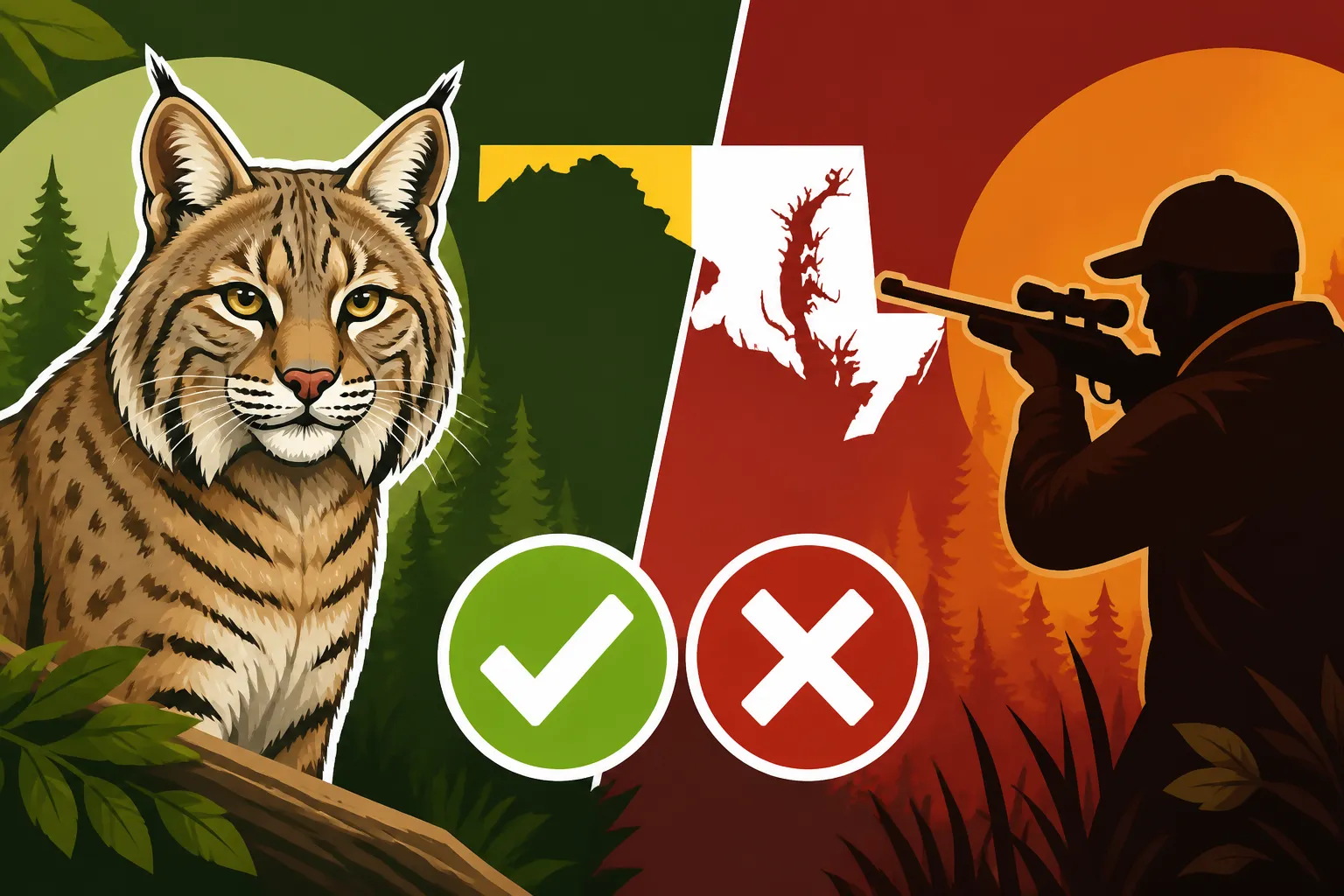
Let's cut right to the chase: no, bobcats are not legal to hunt in Maryland. They are classified by the Maryland Department of Natural Resources (DNR) as a "fur-bearing animal," but they currently have a closed season. This means that intentionally hunting, trapping, or harming a bobcat is prohibited by state law. Maryland has maintained this protective status for a long time, a decision rooted in the historical population decline and the ongoing efforts to ensure their continued recovery and re-establishment across suitable habitats. The state views its bobcat population as a precious component of its natural heritage, and their numbers are still considered too low to sustain any form of regulated harvest.
This protection is a clear directive: leave them alone. While other furbearers like fox, raccoon, and otter have specific hunting and trapping seasons, the bobcat is explicitly excluded from any legal take. This is crucial for anyone venturing into Maryland's wilderness. You might encounter one while hunting deer or turkey, but your interaction must be one of observation and respect, not pursuit. Understanding this fundamental rule is a cornerstone of responsible wildlife interaction in Maryland.
Exceptions and Misconceptions
While the general rule is clear – no hunting bobcats in Maryland – people often wonder about exceptions, and this is where misconceptions can arise. It's important to understand that the term "protected" doesn't necessarily mean "never to be touched under any circumstance." For instance, in rare cases where a bobcat is causing verifiable and severe damage to agricultural property or livestock, a depredation permit might be issued by the Maryland DNR. However, these permits are extremely uncommon, highly regulated, and only granted after all other non-lethal deterrents have been attempted and failed. Furthermore, such a permit is not a "hunting license"; it's a specific authorization for control, usually carried out by wildlife professionals or authorized agents, and it's a far cry from recreational hunting.
Another area of confusion might come from trapping activities. If a bobcat is accidentally caught in a trap set legally for another furbearer, the trapper is required by law to release the animal unharmed immediately. Failure to do so, or intentionally targeting bobcats, can result in significant penalties. So, while other states may have regulated bobcat seasons, often tied to fur harvests, Maryland's approach is distinctly different, prioritizing population recovery over any form of recreational or commercial take. Always verify the specific regulations for any game species or furbearer you intend to pursue. You can learn more about general furbearer rules in Maryland's Furbearers and Where They Live.
Encountering Bobcats Responsibly
For most of us, seeing a bobcat in the wild is a once-in-a-lifetime experience. Given their protected status and natural elusiveness, it's essential to know how to react if you are lucky enough to spot one.
What to Do if You See a Bobcat
If you're out in the woods, perhaps on a scouting trip or Hunting Maryland's Western Mountain Forests, and you glimpse a bobcat, consider it a truly special moment. The primary rule is simple: enjoy the sighting from a respectful distance and do not disturb the animal. Bobcats are naturally wary of humans and will almost always try to avoid confrontation. They are not typically aggressive towards people, but like any wild animal, they can defend themselves if cornered or if they perceive a threat.
Resist the urge to approach for a closer look or a better photo. Give the animal plenty of space to continue its activities or move away. You should never attempt to feed a wild bobcat, as this can habituate them to humans and lead to dangerous situations for both the animal and people. Instead, observe quietly. If you have a camera or phone with you, a quick, respectful photo from a distance is fine, but prioritize the animal's comfort and your safety. Reporting your sighting to the Maryland DNR can also be incredibly valuable. Wildlife biologists use these public reports to track population trends and distribution, helping them to better understand and manage these important animals.
Coexisting with Wildlife in Maryland
Living alongside a recovering predator like the bobcat means understanding and practicing good wildlife stewardship. While bobcats are less likely than, say, black bears or coyotes to become a "nuisance" animal around human habitations, the general principles of coexisting with all wildlife apply. This means securing trash cans, avoiding leaving pet food outdoors, and generally removing any potential attractants that might draw wild animals closer to homes.
For hunters and outdoor enthusiasts, understanding the role of predators like bobcats in a healthy ecosystem is key. They help maintain balance by preying on smaller animals like rabbits, squirrels, and rodents. A robust predator population is often an indicator of a healthy environment overall. When we talk about Predators and Nuisance Species in Maryland, it's important to differentiate between an animal that naturally inhabits an area and one that becomes problematic due to human actions. By respecting their space and understanding their place in nature, we contribute to a more harmonious environment for all. Responsible outdoor ethics, including adhering to all hunting regulations and understanding which species are protected, ensure that Maryland's wild places remain healthy and diverse for generations to come.
Tracking and Learning About Bobcats
Even though we can't hunt bobcats in Maryland, that doesn't mean we can't learn about them or track their movements. In fact, understanding their behavior and habitat can make you a better overall woodsman, whether you're chasing deer, turkeys, or just enjoying nature.
Reading Bobcat Sign
Bobcats are incredibly secretive, so actually seeing one is rare. However, finding their sign in the woods is a more common occurrence for the keen observer. Learning to identify bobcat tracks, scat, and other indicators can give you a fascinating glimpse into their world. Their tracks are typically roundish, about 2 inches long, and feature four distinct toe pads with no claw marks visible (unlike canids like coyotes or foxes, which usually show claws). You might also notice a leading toe, slightly ahead of the others. These prints are neat and well-defined, often found along old logging roads, game trails, or near water sources.
Beyond tracks, look for bobcat scat. It's usually segmented, often resembling dog scat but with more hair and bone fragments, reflecting their carnivorous diet. They might also create "scrapes," small piles of leaves or dirt where they deposit urine or scat to mark territory. When you're Reading Sign in Maryland Mountain Timber or exploring dense creek bottoms, keep your eyes peeled. Bobcats often use natural travel corridors, such as game trails paralleling stream beds, thick hedgerows, or rocky ridges, which provide them cover and easy movement. Using mapping tools like those offered by GoHunt can help you identify these kinds of terrain features—steep ravines, dense forest blocks, or extensive swamps—that bobcats are likely to inhabit, even if you’re primarily scouting for deer or other game. This adds another layer of understanding to your outdoor experience.
Camera Trapping for Observation
One of the best, most non-invasive ways to "hunt" a bobcat in Maryland (in the observational sense, of course!) is through the use of trail cameras. These devices allow you to peek into the secret lives of nocturnal and crepuscular animals without disturbing them. Setting up trail cameras in known bobcat habitats – those dense, remote areas, particularly in Western Maryland – can yield incredible results. Place cameras along established game trails, at the base of large trees, or near natural funnels where animals are likely to travel. They often use old logging roads or trails that run through thick cover.
While specific "baiting" for bobcats for observation isn't common outside of research, positioning your camera in areas with high rodent or rabbit activity, or near a fresh deer carcass (if legal and ethical in your specific location and context), might increase your chances of capturing a bobcat on film. Remember, the goal here is purely observational. This practice not only provides thrilling images or videos of these elusive cats but also contributes to your understanding of local wildlife patterns. Using a reliable trail camera, much like relying on mapping software for scouting, can significantly enhance your connection to the wild places you visit. Always make sure your camera placement adheres to any public land regulations, which you can often learn more about in resources like Where to Hang a Camera on a Maryland Field Edge. It's a fantastic way to engage with nature's hidden inhabitants respectfully and ethically.
Disclaimer
This article is for general informational purposes only and does not constitute professional advice. Laws, prices and regulations vary by location and change over time. Consult a qualified professional for guidance on your specific situation.