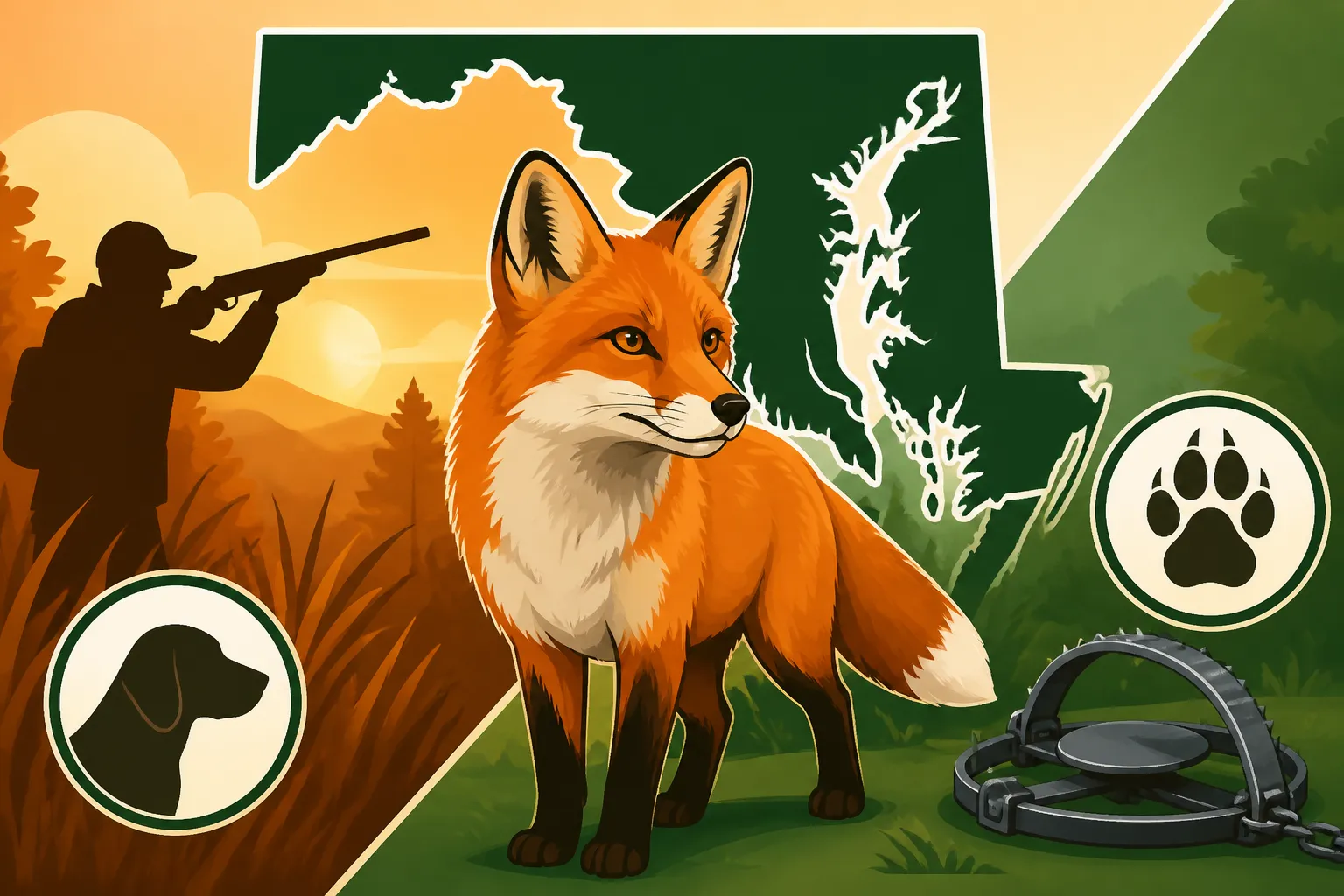
Fox Hunting and Trapping Rules
Trying to figure out the ins and outs of fox hunting and trapping in Maryland can feel like you're trying to read sign in the dark. The rules, seasons, and methods aren't always straightforward, leading to a lot of head-scratching for folks just looking to enjoy their time outdoors responsibly. This guide will meticulously break down everything you need to know about pursuing red and gray foxes in the Old Line State, from understanding the specific regulations to ethical practices, ensuring you're both legal and effective in your endeavors.
Understanding Maryland's Fox Species and Their Status
Before you even think about heading afield, it's vital to know a bit about the foxes you'll encounter in Maryland. We primarily have two species here: the red fox and the gray fox. While they might look similar to the untrained eye, they have distinct characteristics and habitats, and importantly, their status as game or furbearer dictates how and when you can pursue them. It’s not just about what gun you carry, but what you’re pursuing.
Red Foxes Versus Gray Foxes in Maryland
The red fox (Vulpes vulpes) is probably what most people picture when they think of a fox – a reddish-orange coat, black "stockings" on its legs, and a striking white-tipped tail. These adaptable canids thrive in a variety of habitats, from dense woodlands to farmlands, and even the fringes of suburban areas. They're often seen around agricultural lands, taking advantage of abundant small game and rodents. Historically, the red fox was introduced to some areas for sport hunting, and they've since become well-established across much of Maryland. They are cunning creatures, known for their elusive nature and keen senses, making them a challenging quarry for any hunter or trapper.
On the other hand, the gray fox (Urocyon cinereoargenteus) has a salt-and-pepper gray coat, with reddish-brown highlights on its neck, flanks, and legs, and a black-tipped tail. What truly sets them apart, beyond their coloration, is their unique ability to climb trees, a trait almost unheard of in other canids. This arboreal skill allows them to escape predators and forage for food in places red foxes can't reach, giving them an advantage in heavily wooded or brushy areas. You'll typically find gray foxes in dense forests and swampy regions, especially in the western and southern parts of the state, where their climbing prowess serves them well. Both species are considered important parts of the ecosystem, acting as natural predators that help control populations of rodents and other small animals.
Maryland's Classification of Foxes
In Maryland, both red and gray foxes are classified as furbearers, which means they are managed for their fur as well as for population control. This classification comes with specific hunting and trapping seasons, bag limits, and licensing requirements that differ from typical small game or deer seasons. It’s crucial not to confuse their status; you can't just head out with your squirrel gun and start targeting foxes outside of these designated furbearer seasons. This distinction is paramount because it directly impacts your legal ability to hunt or trap them. If you’re familiar with Maryland's Furbearers and Where They Live(), you'll know that the regulations for these animals are often quite specific, designed to ensure sustainable populations while providing opportunities for harvest.
For instance, if you're out deer hunting and a fox crosses your path, you cannot legally take it if it's outside the designated fox season, even if you have a valid hunting license. Your license allows you to pursue specific species during specific times. The Department of Natural Resources (DNR) sets these seasons and rules annually, balancing conservation efforts with recreational opportunities. Staying informed about these specific designations is your responsibility as a hunter or trapper. You can check the current hunting and trapping guide provided by the Maryland DNR for the most up-to-date information, or utilize resources like GoHunt, which often compile these details for easy access, so you’re never caught off guard.
Legal Seasons and Methods for Fox Hunting
Hunting foxes in Maryland isn't a free-for-all; it's governed by specific seasons and methods, much like any other game animal. These rules are in place to ensure fair chase, promote ethical hunting practices, and manage fox populations effectively. Knowing these details can be the difference between a successful, legal hunt and a frustrating, even costly, misstep.
Open Seasons for Fox Hunting
Maryland typically has separate hunting seasons for foxes, often split between a fall/winter period and a spring period for certain furbearers, though foxes are usually concentrated in the colder months. Generally, the fox hunting season opens in the fall, often aligning with or shortly after some of the other small game seasons, and extends through the late winter. These dates are crucial, and they can sometimes vary slightly year to year, so always confirm with the latest Maryland DNR hunting guide. For example, if you're interested in Small Game and Predator Hunting in Maryland(), you'll find foxes often grouped within the broader predator hunting category, but with their own distinct calendar.
During the open season, hunting is usually permitted from one-half hour before sunrise to one-half hour after sunset. However, specific counties or public lands might have additional restrictions, so always double-check local regulations. It's also important to note that the season dates are designed to coincide with periods when fox fur is prime, offering a better quality harvest for those interested in that aspect, or when populations can sustain a take without impacting breeding cycles. Don't assume that because squirrel season is open, fox season is, too. Each species has its own precise window of opportunity.
Legal Weapons and Hunting Methods
When it comes to hunting foxes, Maryland allows a range of legal weapons, primarily shotguns, rifles, and bows. However, there are very specific restrictions on where certain weapons can be used, particularly rifles. For example, many counties, especially in the more populated central and eastern parts of the state, have restrictions or outright bans on rifle use for hunting due to safety concerns in densely populated areas. In these regions, shotguns, muzzleloaders, or archery equipment are often the only legal options. It's imperative to know Maryland's Legal Weapons by County() before you head out, as a .22 rifle might be perfectly fine in Garrett County but entirely illegal for deer (or fox) hunting in Anne Arundel County.
Common hunting methods include calling, stalking, and stand hunting. Predator calling, using electronic or mouth calls to mimic rabbit distress or other prey sounds, can be highly effective for bringing a curious fox into range. Stalking, particularly in areas with fresh snow or dense cover, requires patience and keen observation. Stand hunting, often done from a treestand or ground blind near known travel corridors or den sites, can also yield results. No matter your method, camouflage, scent control, and an understanding of fox behavior will greatly increase your chances of success. Just like Coyote Calling in Maryland Farm Country(), calling strategies for foxes require a nuanced understanding of their vocalizations and how they react to different sounds.
One unique aspect of fox hunting in Maryland is the option for night hunting under specific conditions, primarily for nuisance control or by permit. However, this is NOT a general open season privilege. Generally, night hunting for foxes requires a special permit from the DNR, usually granted to address specific depredation issues on livestock or poultry. This isn't something a recreational hunter can typically do on a whim. Always verify specific rules for night hunting, as they are much more stringent and limited than daytime hunting regulations.
Fox Trapping Regulations and Best Practices
Trapping foxes is an entirely different endeavor from hunting, with its own distinct set of rules, equipment, and responsibilities. Maryland has detailed regulations to ensure humane practices and prevent conflicts with non-target species. If you're considering trapping, understanding these rules is non-negotiable.
Licensing and Seasons for Trapping
To trap foxes in Maryland, you absolutely need a valid Furbearer Trapping License. This is a separate license from a general hunting license and indicates that you've demonstrated an understanding of trapping regulations and ethical practices. While some hunters might also trap, the licenses are distinct. You'll also need a regular hunting license to purchase the trapping license in many cases, so make sure you have all your ducks – or rather, foxes – in a row. Information on Maryland Trapping License Requirements() is readily available through the DNR and is essential reading for any aspiring trapper.
The trapping season for foxes usually runs concurrent with the hunting season, but often extends longer into the winter months. This extended season allows trappers to take advantage of prime fur conditions and offers more opportunities to manage populations. Again, consult the most current Trapping Season Dates by Species() from the Maryland DNR, as these dates are subject to change annually. It's not uncommon for trapping seasons to close slightly later than hunting seasons for furbearers, reflecting the different management objectives for each method.
Permitted Trap Types and Setting Requirements
Maryland law is very specific about the types of traps you can use and how you must set and tend them. Generally, foothold traps (also known as leg-hold traps) and body-gripping traps (like Conibear-style traps) are permitted, but there are strict size limitations and regulations on their placement. Snares are also legal but often come with more stringent restrictions on cable size, break-away points, and placement to prevent harm to larger non-target animals like deer.
- Foothold Traps: These traps must be set in a way that minimizes injury to the animal. Many trappers opt for padded jaw traps or use offset jaws to reduce the risk of broken bones. There are also specific rules about how close to a public road or dwelling you can set a trap, which vary by county.
- Body-Gripping Traps (Conibears): These are typically allowed in water sets or elevated land sets to target specific furbearers and minimize risks to domestic animals or pets. Using them on dry land at ground level is highly restricted or prohibited in many areas to protect non-target species.
- Snare Traps: Snares must be constructed with certain cable diameters and often require a break-away device to prevent the snared animal from dying or injuring itself if it's too large for the target species. They also have height restrictions for their loop openings.
All traps must be checked at least once every 24 hours. This is a critical legal and ethical requirement. Checking traps daily ensures that any captured animal is either humanely dispatched or released quickly, minimizing suffering and preventing damage to the fur. Neglecting a trap can lead to fines and loss of trapping privileges. Location and visibility of your traps also matter; all traps must be tagged with the trapper's DNR identification number or license number. This allows authorities to identify the trapper in case of issues and helps track trapping activity. You might find services, like those offered by GoHunt, useful for mapping out your trap lines and ensuring you comply with setback rules from property lines or roads, especially if you're managing multiple traps across different parcels.
Important Considerations and Ethical Practices
Hunting and trapping foxes, like all forms of wildlife management, come with significant ethical responsibilities. Beyond just following the law, a good hunter or trapper strives to minimize suffering, respect landowners, and ensure the long-term health of the resource.
Safety and Visibility Requirements
When hunting foxes, especially in wooded or brushy areas, safety is paramount. Maryland's Maryland Blaze Orange Requirements() dictate that during certain firearms seasons, hunters must wear specific amounts of fluorescent orange. While fox hunting specifically might not always fall under the strictest of these rules, particularly outside of general deer firearms seasons, it is always a wise practice to wear blaze orange or pink. This greatly enhances your visibility to other hunters, especially if you're on public land or hunting property where others might also be present. It's a simple step that can prevent accidents, even if it feels like it might hinder your stealth.
Beyond visibility, always be absolutely certain of your target and what lies beyond it before taking a shot. Foxes, being smaller animals, can often be obscured by brush or terrain, and mistaken identity is a real risk. Make sure your backdrop is safe and that no domestic animals, other hunters, or structures are in your line of fire. Following the basic rules of firearm safety is non-negotiable, every single time.
Gaining Access to Hunting and Trapping Grounds
One of the biggest challenges for any hunter or trapper in Maryland, particularly those targeting furbearers like foxes, is gaining access to suitable land. Much of Maryland's prime fox habitat is on private property. Therefore, Getting Private Land Permission in Maryland() is often your best bet for consistent access. This means knocking on doors, introducing yourself to landowners, and building trust. Always secure written permission when hunting or trapping on private land to avoid any misunderstandings or trespass issues. A signed permission slip can save you a world of trouble.
While there is some public land where fox hunting and trapping might be permitted, it's often more crowded, and specific regulations for furbearers on public land can vary. Always check with the managing authority of any state forest, wildlife management area, or national refuge before assuming you can hunt or trap foxes there. Many public lands require specific permits or have different season dates for furbearers. Using mapping tools, like those found in GoHunt, can be incredibly helpful for identifying potential private land parcels, understanding property boundaries, and seeing public land designations, giving you a strategic advantage in your search for access.
Ethical Harvest and Nuisance Control
Ethical treatment of animals is a core tenet of responsible hunting and trapping. If you harvest a fox, ensure it is dispatched quickly and humanely. When trapping, this means checking your traps regularly and having a plan for dispatch if you catch an animal. If you catch a non-target animal, such as a domestic pet or a species that is out of season, you are legally and ethically obligated to release it unharmed if possible. Knowing how to safely handle and release these animals is part of being a responsible trapper.
For situations where foxes are causing problems – say, preying on chickens or small livestock – they may be taken as nuisance animals. However, even in these cases, there are usually specific guidelines. You can't just indiscriminately kill foxes if they're causing issues. Often, a nuisance permit from the DNR is required, or you might need to employ non-lethal deterrents first. Always check with the DNR regarding nuisance wildlife regulations, as taking an animal outside of legal season or methods, even if it's causing damage, can lead to serious penalties. The goal is always to manage the resource responsibly, whether for sport, fur, or conflict resolution.
| Season Type | Typical Dates | Legal Methods | Key Requirements |
|---|---|---|---|
| Hunting | Nov. – Feb. (approx.) | Shotgun, Rifle (county-dependent), Bow, Muzzleloader | Valid Hunting License, adherence to county weapon rules, blaze orange recommended |
| Trapping | Nov. – Mar. (approx.) | Foothold traps, Body-gripping traps, Snares | Valid Furbearer Trapping License, 24-hour trap checks, landowner permission |
| Nuisance | Year-round (with permit) | Varies by permit conditions | Nuisance Permit from DNR, often specific to site and method |
Remember that these are general guidelines, and specific dates and regulations can vary. Always consult the current Maryland DNR Hunting & Trapping Guide for the most accurate and up-to-date information.
Disclaimer
Please be aware that hunting and trapping regulations are subject to change by the Maryland Department of Natural Resources. This guide is intended for informational purposes only and should not be considered a substitute for the official Maryland hunting and trapping regulations. Always consult the current year's Maryland Guide to Hunting & Trapping or the DNR website for the most accurate and up-to-date information before engaging in any hunting or trapping activities. It is your responsibility to understand and comply with all applicable laws and regulations.