Where Maryland Releases Pheasants Each Fall
It can be really frustrating for upland bird hunters in Maryland. We all yearn for those classic pheasant flushes, the whirring of wings as a bird explodes from cover. But let's be honest, wild pheasant populations are practically non-existent in most parts of our state. This reality can make planning a traditional pheasant hunt feel like a pipe dream. Thankfully, Maryland offers a fantastic solution through its fall pheasant release program, providing accessible and exciting opportunities for those who know where to look. This guide will break down exactly where these birds are released, why the program exists, and how you can make the most of these unique hunting experiences.
The Enduring Appeal of Pheasant Hunting in Maryland
There's something undeniably captivating about pheasant hunting. The vibrant colors of a rooster pheasant, the explosive flush, the challenge of working a bird dog through dense cover—it's an experience deeply ingrained in hunting tradition. For many, it conjures images of Midwestern fields, but here in Maryland, we have our own version of this cherished pursuit, albeit through a managed approach. The state's pheasant release program isn't just about putting birds out; it's about preserving a cultural hunting practice that would otherwise fade away due to habitat changes and other ecological factors affecting wild populations.
Why Maryland Opts for Released Pheasants
The simple truth is that Maryland's landscape, particularly in many of its highly developed areas, just doesn't support self-sustaining wild pheasant populations anymore. Changing agricultural practices, increased development, and a lack of the diverse, interconnected habitat pheasants need to thrive have all contributed to their decline. This isn't a unique problem to Maryland; it's a trend seen across much of the Eastern Seaboard. Without intervention, pheasant hunting would essentially cease to exist here.
This is where the Maryland Department of Natural Resources (DNR) steps in with its program. By releasing pen-raised pheasants, they create immediate hunting opportunities for sportsmen and women. It's a pragmatic solution that ensures folks still have a chance to experience the thrill of chasing these beautiful birds. Think of it as a way to keep the tradition alive, introduce new hunters to upland bird hunting, and provide a fun outing for experienced hunters and their dogs. It helps bridge the gap between our desire for upland action and the ecological realities of our state.
Fostering Upland Hunting Tradition and Participation
The pheasant release program does more than just offer a target; it actively fosters the tradition of upland hunting. For many families, these days afield are their primary exposure to bird hunting. It's a perfect scenario for mentoring new hunters, especially younger generations. Imagine taking a youngster out, teaching them about gun safety, how to walk through cover, and the excitement of a dog on point, all culminating in a pheasant flush. These are the kinds of memories that build a lifelong passion for the outdoors.
Moreover, these hunts often draw hunters from various backgrounds, some without access to extensive private lands. It democratizes the sport, ensuring public land users also have a dedicated upland opportunity. It also encourages responsible dog training and field etiquette, as hunters often share areas. It's a vital component of Maryland's diverse hunting calendar, giving small game enthusiasts something exciting to look forward to each fall. You might find yourself alongside someone else working their dog, and there’s a shared camaraderie in that pursuit.
Key Locations for Maryland's Fall Pheasant Releases
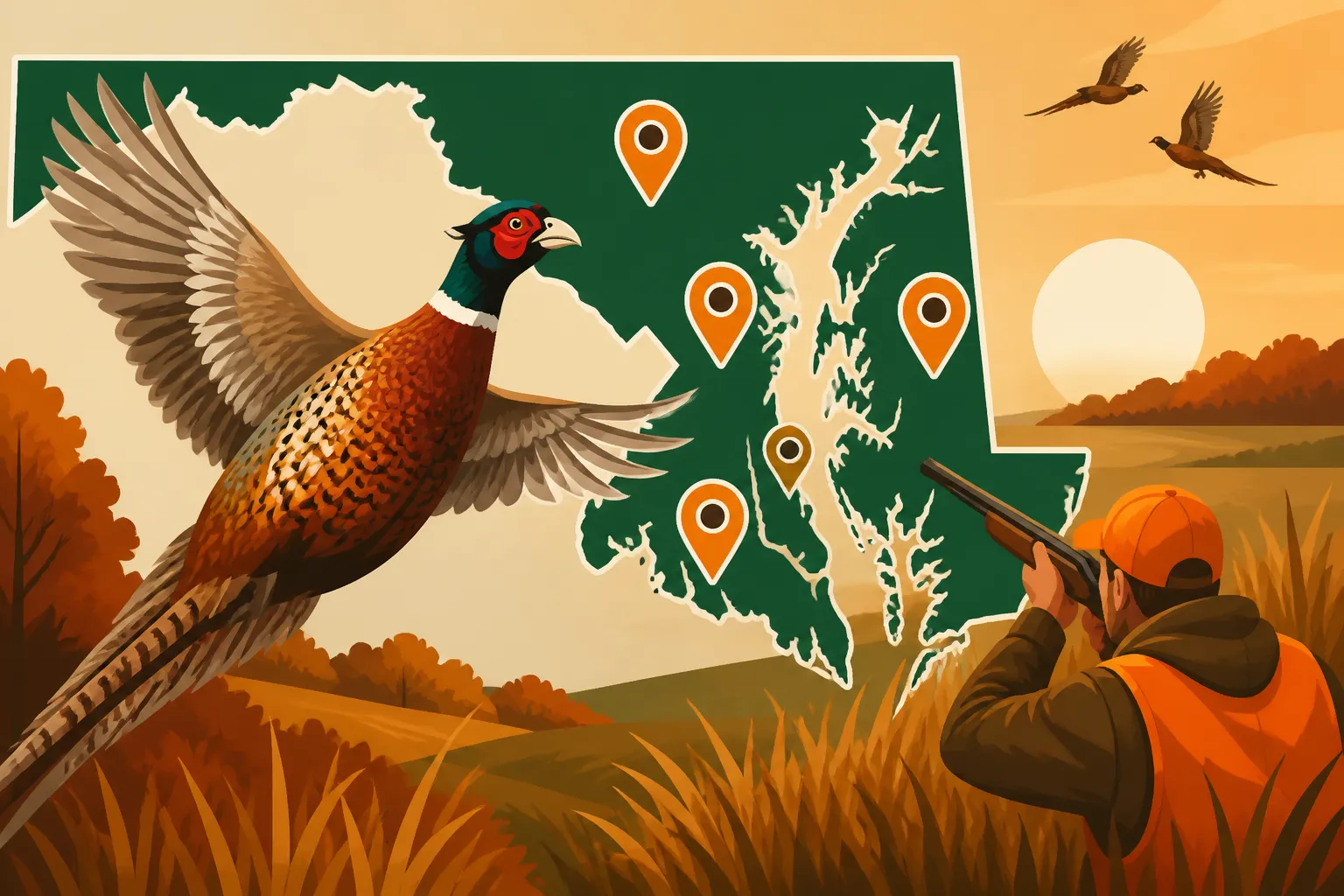
Now, let's get to the brass tacks: where exactly can you find these pheasants? Maryland focuses its pheasant releases on specific Wildlife Management Areas (WMAs) and State Forest lands, carefully chosen for their suitable habitat, public accessibility, and management capabilities. These locations are specifically managed to provide the kind of cover pheasants seek, making them ideal for these hunts.
Designated Wildlife Management Areas for Pheasant Releases
The Maryland DNR typically announces the specific WMAs and dates for pheasant releases each fall. These locations are often characterized by a mix of old fields, brushy hedgerows, standing grain, and woodlands, providing ample cover for pheasants to spread out and offer a sporting challenge. It's not like shooting birds in a barrel; these pheasants can fly strong and make for exciting targets.
Here are some of the primary WMAs where pheasants are commonly released in Maryland:
| Wildlife Management Area (WMA) | County(ies) Involved | Primary Features for Pheasants |
|---|---|---|
| Idylwild WMA | Caroline | Mix of agricultural fields, brushy edges, and pine stands. |
| Millington WMA | Kent | Managed fields, hedgerows, and timber pockets. |
| Myrtle Grove WMA | Charles | Open fields, forested edges, and diverse shrub cover. |
| Gwynnbrook WMA | Baltimore | Agricultural fields, thickets, and mixed woodlands. |
| Belle Grove WMA | Allegany | Rolling terrain with fields, brush, and forested areas. |
| Strider WMA | Montgomery | Fields, dense cover patches, and edge habitat. |
| McKee-Beshers WMA | Montgomery | Extensive fields, dense saplings, and wooded corridors. |
It's always a smart move to check the official Maryland DNR website or publications each year for the most current schedule and specific regulations for each site. They often have maps and detailed information that can make planning your trip a lot easier. A reliable mapping application like GoHunt can be incredibly helpful for scouting these WMAs beforehand, allowing you to examine aerial photos for good cover, access points, and potential holding areas for birds. You can drop pins and plan your routes right from your phone, giving you a distinct advantage.
What to Expect When Hunting a Release Site
Hunting a pheasant release site isn't quite the same as pursuing wild grouse or rabbits in secluded timber. These areas can see significant hunter pressure, especially on opening days or weekends. You'll likely encounter other hunters, many with their dogs, all eager for their chance. This means safety is paramount. Always be aware of your surroundings, know where other hunters are, and prioritize safe shooting lanes. Blaze orange is a must, not just for safety, but often as a legal requirement on public lands. You can find more details on what's required in Maryland Blaze Orange Requirements.
The pheasants themselves are often released in suitable cover, but they're still domestic birds put into a wild setting. Some will hold tight, offering classic points for a dog, while others might run or flush wild. Don't expect every bird to act like a seasoned wild pheasant; embrace the unpredictability. The objective here is participation and fun, not necessarily replicating a truly wild bird experience. However, when a rooster does get up cackling, it's still an exhilarating moment, no matter where it came from.
Preparing for a Successful Maryland Pheasant Hunt
Going into a pheasant hunt on a release site unprepared can quickly lead to frustration. While these aren't wilderness expeditions, a little planning goes a long way. Thinking about your gear, your dog (if you have one), and the specific regulations for these unique hunts will set you up for a much more enjoyable and potentially successful day afield.
Essential Gear and Dog Considerations
First, let's talk about gear. You'll want durable clothing. Briar pants or chaps are highly recommended, as you'll be pushing through thick cover like multiflora rose, honeysuckle, and tall grasses. A good upland vest with a game bag is invaluable for carrying your birds, extra shells, and water. Comfortable, waterproof boots are also key, as these areas can be damp, especially in the fall. For your shotgun, a 12 or 20 gauge with improved cylinder or modified choke is generally ideal, and shells in 6 or 7.5 shot will be appropriate for pheasants.
If you're bringing a dog, ensure they are in good physical condition and understand basic commands. Even on release sites, a well-behaved dog makes the experience infinitely better. Bring plenty of water for your dog, especially on warmer fall days, and consider a blaze orange vest for them for safety. You'll want to review what's expected in terms of dog training on these areas, as some WMAs have specific rules. Learning more about Small Game and Predator Hunting in Maryland can also give you a broader understanding of Maryland's small game landscape.
Navigating Regulations and Seasons
Like all hunting in Maryland, pheasant hunting on release sites comes with its own set of rules. You'll need a valid Maryland hunting license and the appropriate stamps. You can find a detailed breakdown of costs and requirements in Maryland Hunting Licenses and What They Cost. It's crucial to know the specific season dates for released pheasants, which can differ from general small game seasons. There will also be daily bag limits that you must adhere to. The DNR provides clear information on this, often updated annually, and understanding Maryland's Released Pheasants and Where They Go is paramount.
Additionally, pay close attention to shooting hours. Most hunting in Maryland is restricted to certain times of day, so knowing Maryland Shooting Hours and Legal Light will ensure you're hunting legally. Lastly, be aware of any specific WMA permits or check-in procedures. Some public lands require you to sign in or obtain a free permit before hunting, which helps the DNR track usage and manage the resource. Always double-check these details before heading out, as rules can vary slightly between locations.
Maximizing Your Chances and Enjoying the Experience
Even on a managed release hunt, there are strategies you can employ to increase your odds and make the day more enjoyable. It's not just about showing up; it's about smart hunting, respect for others, and embracing the overall experience.
Smart Scouting and Hunting Strategy
While pheasants are released, they don't just sit there waiting. They'll quickly move to find the best cover, often seeking out thick brush, tall weeds, and the edges of fields. Before you even step foot on the WMA, spend some time studying aerial maps. Look for transitions in cover, dense thickets, and areas that might provide a barrier or funnel birds. Applications like GoHunt are excellent for this, allowing you to analyze topography and vegetation from your couch. You can identify potential areas where pheasants might hold tight.
When you're actually hunting, don't just walk randomly. Hunt into the wind if possible, as it helps your dog scent birds and can make for a quieter approach. Work cover thoroughly and systematically. Don't be afraid to push through dense patches that other hunters might skip. Pheasants are notorious for holding incredibly tight, only flushing when you're practically on top of them. Being patient and persistent will often pay off. Remember, Hunting Maryland's Youth Waterfowl Days and other special seasons highlight the importance of specific timing and conditions, and pheasant releases are no different in requiring a bit of thought.
Respecting Fellow Hunters and the Resource
Due to the nature of released pheasant hunts, you're going to encounter other people. It's an opportunity to practice good sportsmanship and share the resource. Maintain a safe distance from other hunting parties, and communicate if you're working in the same general area. If a bird flushes between two groups, the general etiquette is that the bird belongs to the group that flushed it, though clear communication prevents any confusion. A good rule of thumb is always to err on the side of caution and courtesy.
Be mindful of the habitat too. Don't leave trash, and pack out everything you pack in. The DNR puts a lot of effort into these programs, and respecting the land ensures these opportunities continue. Consider taking a new hunter with you, perhaps on Junior Deer Hunt Days and Who Qualifies or a similar youth-focused event, to pass on not just hunting skills but also proper etiquette and a love for conservation. These shared experiences are what truly make hunting special, fostering a community that cares for both the sport and the environment.
Disclaimer
This article is for general informational purposes only and does not constitute professional advice. Laws, prices and regulations vary by location and change over time. Consult a qualified professional for guidance on your specific situation.