What Sika Venison Tastes Like
You’ve heard the whispers, seen the pictures of those compact, feisty Sika deer from Maryland’s marshes, and perhaps you're even contemplating a hunt for them. But a big question always looms in a hunter’s mind after the shot: what does Sika venison actually taste like? Is it going to be like the whitetail you’re used to, or something entirely different? This guide aims to demystify the culinary experience of Sika venison, helping you prepare for a truly unique and often surprisingly delicious table fare.
The Distinctive Flavor Profile of Sika Venison
When you bring home a Sika deer, especially one from the tidal marshes of Maryland’s Eastern Shore, you're not just getting venison; you're getting a unique culinary experience. Unlike the often varied taste of a whitetail, Sika venison tends to be remarkably consistent in its quality and flavor, leaning towards a milder, less "gamey" profile that often surprises first-time consumers.
Lean and Fine-Grained Texture
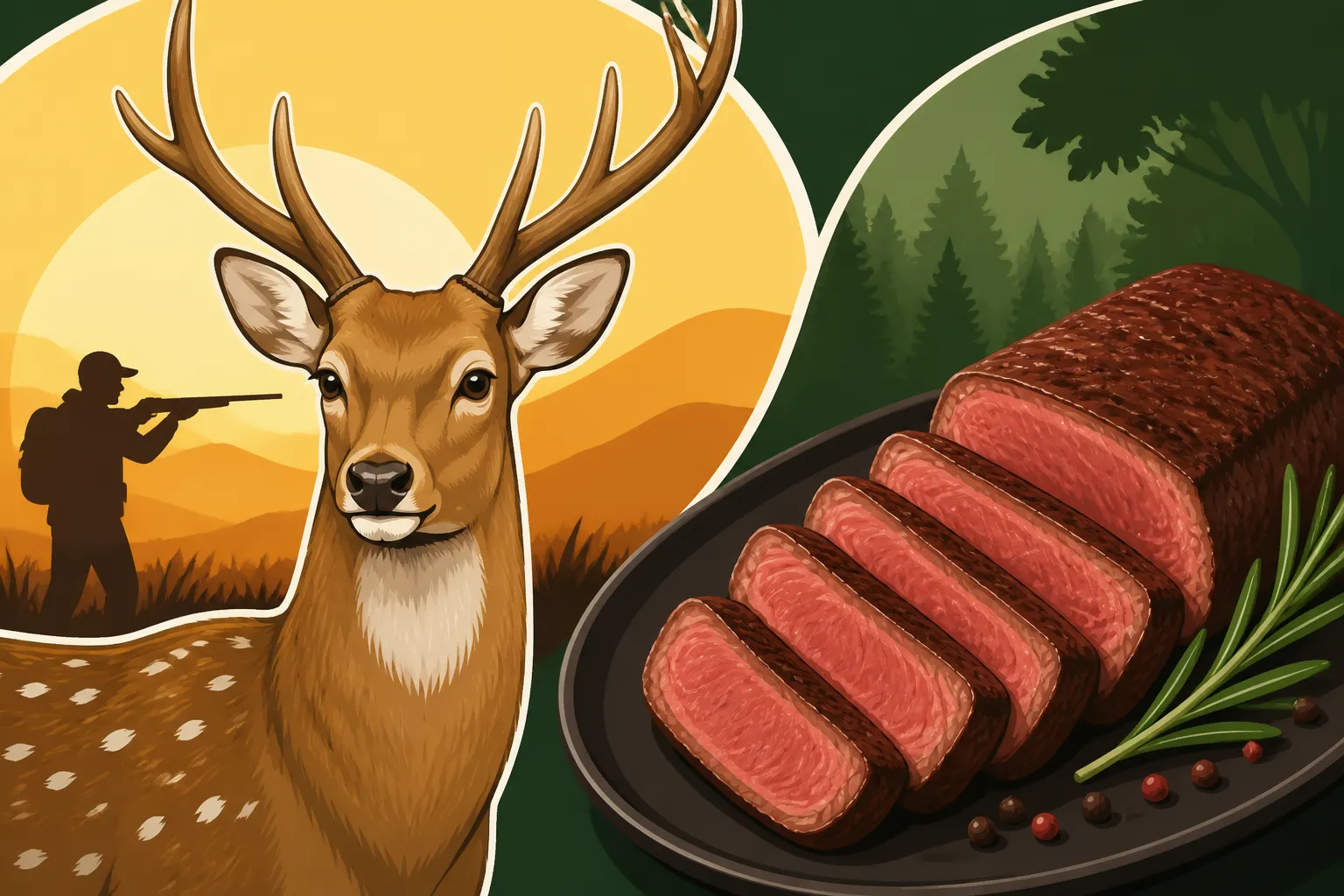
One of the first things you'll notice about Sika venison is its texture. It's incredibly lean, with very little intramuscular fat, which means the meat itself is quite fine-grained. This isn't just a visual characteristic; it translates directly to how the meat feels in your mouth. Think of it more akin to a high-quality beef tenderloin in terms of its tightness and lack of stringiness, rather than some of the coarser cuts you might encounter from an older whitetail buck. This lean nature means it cooks quickly and can dry out if overcooked, so gentle, moist-heat methods or quick searing are often recommended. If you're used to cooking whitetail steaks, you'll want to adjust your timing for Sika to avoid a tough meal.
Subtle Earthy and Sweet Notes
The flavor of Sika venison is often described as subtle, with earthy undertones that speak to its marshland diet. You won't typically find the strong, sometimes mineral-like taste that can characterize whitetail from certain regions or older animals. Instead, there’s a distinct sweetness to Sika meat, almost a hint of a buttery quality, especially in the prime cuts like the backstraps and tenderloins. This sweetness isn't sugary; it’s a natural, deep flavor that pairs wonderfully with robust herbs and savory accompaniments. It’s a flavor that can stand on its own with just salt and pepper, allowing its inherent qualities to shine through. Many hunters find it to be among the finest wild game meat they've ever tasted, even preferring it to whitetail.
Comparing Sika Venison to Whitetail and Other Game Meats
It's natural to compare Sika venison to what you're most familiar with. For many Maryland hunters, that's whitetail. However, Sika often stands apart, even from its larger deer cousins.
Sika Versus Whitetail: A Notable Difference
The most common comparison is between Sika and whitetail venison. While both are deer, their meat profiles can be quite different. Whitetail venison can vary widely in flavor and tenderness depending on the deer's age, diet, and how it was handled after the shot. Older whitetail bucks, especially during the rut, can have a stronger, more intense "gamey" flavor that some find off-putting. The fat on a whitetail can also carry a distinct, strong taste.
Sika, on the other hand, consistently offers a milder, sweeter flavor. Its fat is minimal and doesn't tend to carry the same strong flavors as whitetail fat, making it less necessary to trim aggressively. Many hunters describe Sika venison as cleaner-tasting, almost beef-like in its approachability, but with a unique wild essence. It truly holds its own against what many consider the standard for venison. If you're looking to understand more about the deer species themselves, you might find Sika Deer Versus Whitetail Differences to be an interesting read.
How Sika Stacks Up Against Other Wild Game
Beyond whitetail, Sika venison holds its own against a range of other wild game. Compared to elk or moose, Sika is considerably less robust in flavor, lacking the deeper, richer notes of those larger cervids. It's a much more delicate meat. For those who hunt waterfowl, for example, Sika venison is a world apart from the rich, sometimes iron-heavy taste of a canvasback or the unique flavor of Why Sea Ducks Taste Different.
It's also generally less "gamey" than some upland birds or older, tougher wild hogs. Some even compare its mildness to axis deer or fallow deer, two species also celebrated for their excellent venison quality. The fact that Sika maintains such a consistent, high-quality flavor profile makes it a favorite among many who have had the chance to try it.
Here’s a quick comparison of general characteristics you might find:
| Feature | Sika Venison | Whitetail Venison (General) |
|---|---|---|
| Flavor Profile | Milder, sweeter, earthy, less "gamey" | Varies (can be robust, "gamey," mineral-like) |
| Texture | Very fine-grained, lean | Can be coarser, varies with age/cut |
| Fat Content | Very low, less flavorful | Higher, can carry strong "gamey" flavor |
| Color | Deep red, consistent | Deep red, can vary |
| Tenderness | Generally tender, especially if cooked right | Varies greatly with age and cut |
| Preferred Use | Steaks, roasts, ground meat, charcuterie | Stews, roasts, ground meat, sausage |
Factors Influencing Sika Venison Flavor
While Sika venison is known for its consistent quality, several factors can subtly influence its flavor, just like any other wild game. Understanding these can help you appreciate the nuances and ensure you're getting the best possible meal from your harvest.
Diet and Habitat
One of the primary drivers of Sika venison flavor is their diet, particularly in Maryland. Sika deer are often found in the extensive tidal marshes of Dorchester and Somerset counties, where they graze on a variety of marsh grasses, sedges, and forbs. This diet, rich in aquatic and semi-aquatic vegetation, contributes to the clean, somewhat sweet notes in their meat. Unlike whitetail that might be heavily browsing on acorns, agricultural crops, or woody browse, the marsh-specific forage gives Sika a unique taste. If you're interested in their eating habits, What Sika Deer Eat in a Tidal Marsh provides more context. Deer that feed predominantly on sweet mast crops, like acorns, might have a slightly different flavor profile than those that are heavily into a browse diet. The unique ecosystem where Sika thrive, as discussed in How Sika Deer Use Phragmites for Cover, certainly plays a role in their distinct flavor.
Age and Sex of the Deer
As with any deer species, the age and sex of a Sika can influence the meat. Younger Sika, whether hinds (females) or spike stags, tend to offer the most tender and mildest meat. Their muscles haven't been put through as much strain, and their hormonal levels are lower. Mature stags, especially during the peak of the rut, can have slightly tougher meat and a more pronounced flavor. This isn't to say they're "gamey" in the way an old whitetail buck might be, but the sweetness might be less pronounced, and the texture a bit firmer. However, even a mature Sika stag typically yields excellent table fare. Hunters often consider What a Maryland Sika Stag Weighs when assessing their quarry, and this weight can also give clues about the deer's age and potential meat quality.
Field Care and Processing
Perhaps the most significant factor in venison quality, regardless of species, is how the animal is handled immediately after the harvest. Rapid cooling and clean processing are paramount. Failing to properly field dress and cool the animal, especially during warmer Field Dressing a Deer in Warm September Weather hunts, can lead to off-flavors and spoilage. Quick bleeding, gutting, and skinning, followed by quartering and getting the meat on ice or in a cooler, will preserve the best possible flavor and tenderness.
When processing, it's critical to remove all fat and any blood-shot meat. While Sika fat is generally less problematic than whitetail fat, it’s still best practice to remove it, especially if you plan to freeze the meat for extended periods. For those who track their success and plan their hunts diligently, tools like GoHunt can help assess weather conditions and plan for effective field care, ensuring your hard-earned venison is of the highest quality.
Best Practices for Processing and Preparing Sika Venison
So, you’ve harvested a Sika, and you're ready to enjoy its unique flavor. Proper processing and careful cooking methods are key to maximizing the culinary potential of this magnificent game animal.
Field Dressing and Initial Processing
The first step, as touched on, is immediate and thorough field dressing. Once the animal is down, get to work quickly. Bleed it out if necessary, and remove the entrails as soon as possible. The goal is to bring the core body temperature down rapidly to prevent bacterial growth. During warmer weather, this might mean quartering the deer in the field and immediately placing the meat in coolers filled with ice. For Hunting Sika Deer in Maryland's Tidal Marshes, where conditions can be humid, this quick action is even more vital. Some hunters will even opt for specific processing techniques suitable for smaller deer, as Why Sika Deer Run Smaller Than Whitetails explains.
When you're butchering, take your time to trim away all connective tissue, silver skin, and any remaining fat. As we discussed, Sika fat is minimal, but removing it ensures a purer flavor. Separate your cuts: backstraps and tenderloins for steaks or roasts, hindquarters for roasts or stew meat, and front shoulders for grinding. A good understanding of basic butchering techniques will serve you well. Many successful hunters use resources like GoHunt to plan out the entire hunt, including post-harvest logistics, ensuring they have the right equipment and knowledge for clean processing.
Cooking Methods to Highlight Sika's Flavor
Given its lean and fine-grained nature, Sika venison benefits from cooking methods that don't overdry it. You want to preserve that natural sweetness and tenderness.
- Quick Seared Steaks: Backstraps and tenderloins are phenomenal simply seared in a hot pan or grilled quickly to medium-rare. A simple seasoning of salt, pepper, and perhaps a touch of garlic or rosemary is often all you need. Don't overcook it – rare to medium-rare is ideal for maximum tenderness and flavor.
- Roasts: Larger cuts from the hindquarters can be roasted. Consider wrapping them in bacon or larding them with fat to add moisture, as Sika is very lean. Low and slow cooking methods, or even using a meat thermometer to pull it at precisely the right internal temperature, will help keep it from drying out.
- Ground Meat: The remaining meat, especially from the front shoulders and neck, is excellent for grinding. Sika ground meat makes fantastic burgers, chili, meatloaf, or sausage. For burgers, you might want to add a bit of beef fat or bacon fat to the grind to enhance moisture.
- Stewing and Braising: Tougher cuts or those with a bit more connective tissue can be transformed into incredibly flavorful stews or braises. The low and slow cooking process breaks down the tissues, resulting in fall-apart tender meat infused with the flavors of your broth and vegetables.
Remember, Sika venison is a premium wild game meat, deserving of careful preparation. Experiment with your favorite venison recipes, but always keep in mind its inherent leanness. Whether you're tracking Sika through the marsh or a whitetail in the hardwoods, knowing that you're bringing home quality meat is part of the reward. Resources like GoHunt can help you scout and plan effectively, increasing your chances of a successful and delicious harvest. Don't forget that if you're hunting in the same areas, you might also be Hunting Maryland Whitetails on the Same Ground as Sika, offering a direct taste comparison!
Disclaimer
This article is for general informational purposes only and does not constitute professional advice. Laws, prices and regulations vary by location and change over time. Consult a qualified professional for guidance on your specific situation.