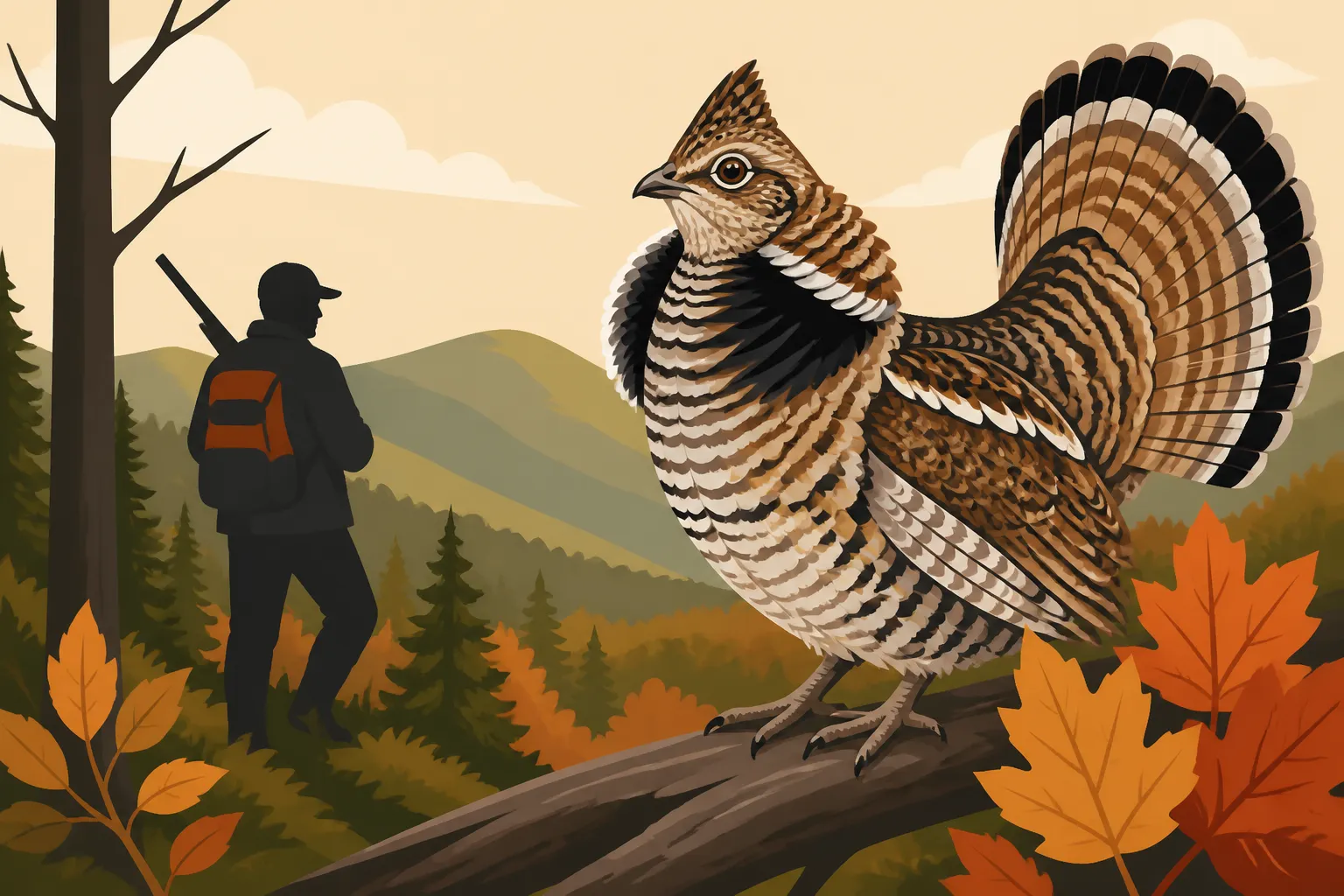
Ruffed Grouse in Western Maryland
For many Maryland hunters, the ruffed grouse feels like a ghost, a bird whispered about in hushed tones by older generations but rarely seen, let alone hunted, by today's sportsmen. It's a real shame, because finding and successfully hunting these incredible upland birds in our Western Maryland mountains presents a challenge unlike any other, demanding unique skills and a deep understanding of their dwindling habitat. This guide aims to pull back the curtain on grouse hunting in Maryland, helping you understand where they still hold on, what they need to survive, and how you might just intercept one of these "thunderbirds" yourself.
Where Maryland's Ruffed Grouse Still Hold On
Let's be honest, talking about ruffed grouse in Maryland can feel like a conversation about a vanishing dream. The days of consistent flushes across much of the state are, sadly, behind us. However, that doesn't mean they're entirely gone. The resilient ruffed grouse still hangs on, clinging to specific pockets of habitat, primarily within the rugged, forested landscapes of Western Maryland. It's a hunt that requires dedication, perseverance, and often, a willingness to hike through some seriously thick stuff.
The Remaining Strongholds: Garrett and Allegany Counties
If you're going to dedicate time to pursuing ruffed grouse in Maryland, your focus needs to be squarely on Garrett and Allegany counties. These are our most mountainous, heavily forested regions, offering the kind of vast, unbroken woodlands that grouse need to thrive. Think about the sprawling acreage of places like Savage River State Forest or Green Ridge State Forest. These aren't your typical Eastern Shore flatlands; they are steep, rocky, and often remote. Within these large public land tracts, the key isn't just forest cover, but the right kind of forest cover. Areas with a diverse mix of tree ages, particularly those with regenerating clear-cuts or storm-damaged timber, tend to be the most promising. You're looking for that messy, difficult-to-walk-through stuff that most other hunters avoid.
While grouse populations here are certainly lower than they once were, these counties represent the last best hope for a Maryland grouse hunter. Don't expect to flush dozens of birds in a day, but with enough effort and a keen eye for habitat, you might just get a few thrilling encounters. It’s about savoring those moments, knowing you're in a special place where these iconic birds still exist, even if precariously. These areas often coincide with excellent deer hunting, so you might even scout for deer and keep an eye out for grouse sign simultaneously. For those considering a trip, understanding the terrain is crucial, and mapping tools like GoHunt can be invaluable for identifying potential grouse coverts before you even step foot in the woods.
Spotting Subtle Signs of Grouse Presence
Hunting ruffed grouse often feels less like hunting and more like a treasure hunt, searching for subtle clues in the vast forest. Unlike deer, which leave prominent tracks and rubs, grouse sign is much more delicate and easily overlooked. The most obvious sign, of course, is the bird itself flushing with an explosive burst of wings, startling you half to death. But before that moment, you can look for other indicators. Droppings, which are small, dark, and often coiled or elongated, can be found near drumming logs or under preferred roosting trees. Feathers, especially after a hawk or owl has made a meal, are another good indicator.
Beyond direct sign, you're primarily reading the habitat. Look for areas with a dense understory of young saplings, often mixed with older timber, providing both cover and food. The presence of specific food sources, like wild grapes, greenbrier, sumac, or the catkins of aspen and birch trees, can draw grouse. The most exciting sign for a dedicated grouse hunter, though, is the "drumming log." Male grouse use these elevated logs (or sometimes rocks) to perform their territorial display, a deep, rhythmic thumping sound made by rapidly beating their wings. Finding a well-used drumming log, often identifiable by worn bark or droppings on top, tells you a male grouse considers this spot home. It's a rare find, but a rewarding one, suggesting you're in productive territory.
Understanding Ruffed Grouse Habitat Needs
The decline of ruffed grouse across much of their range, including Maryland, is almost entirely a story of habitat loss. These birds aren't like deer that adapt readily to suburban fringes or fragmented woodlots. They are specialists, requiring very specific types of forest structure to survive and reproduce. Understanding these needs is paramount if you hope to find them.
The Importance of Early Successional Forests
Ruffed grouse thrive in what's known as "early successional forest" – young, regenerating woodlands typically 10 to 25 years old. Think of clear-cuts that have grown back into a thick tangle of saplings, shrubs, and briars, or areas where timber has been harvested or damaged by natural events like ice storms. This dense, impenetrable cover provides critical protection from aerial predators like hawks and owls, and ground predators like foxes and coyotes. It's tough for a hunter to walk through, and it's even tougher for a predator to navigate quietly. As forests mature beyond this stage, becoming more open and park-like, they lose their appeal to grouse, which simply don't have enough places to hide.
Unfortunately, much of Maryland's forested landscape has matured beyond this ideal stage. Forest management practices often prioritize mature timber or aesthetically pleasing, open woods, rather than the messy, diverse conditions grouse prefer. This is why public lands that actively manage timber, creating periodic clear-cuts or select harvests, offer the best hope. When you're scouting, look for those recent logging operations, the ones that are now choked with young growth. They might seem uninviting to the casual hiker, but to a grouse, they're prime real estate. Finding a good spot for grouse hunting often means locating these less-traveled areas where the forest has been disturbed and is now in its dense, regenerating phase.
Drumming Logs and Coverts
Beyond the general need for early successional forest, grouse utilize specific features within that habitat. "Coverts" are discrete pockets of dense cover that grouse use for roosting, feeding, and escaping danger. These can be specific thickets of mountain laurel, rhododendron, greenbrier, or dense stands of young pines within a broader hardwood forest. They offer both overhead and horizontal cover, creating a safe haven. It's these coverts that you'll want to target and systematically work through when hunting. A good covert often borders more open areas where grouse might feed, creating a quick escape route.
The "drumming log" is another iconic habitat feature. Male grouse select a fallen log, rock, or even a tree stump that provides a slightly elevated position and a clear line of sight, often surrounded by dense saplings for concealment. From this perch, they perform their drumming display, a low-frequency sound that attracts hens and declares their territory. Finding an active drumming log is like finding a grouse's living room. These logs are often well-worn on top, indicating repeated use, and you might find droppings nearby. They are more frequently used during the spring breeding season, but a resident male will often be found in the vicinity throughout the year. Experienced hunters know to slowly and carefully approach these drumming log areas, as a grouse might be hunkered down nearby, ready to burst out.
Food Sources Throughout the Seasons
Just like any wildlife, ruffed grouse need reliable food sources, and these change with the seasons. Understanding what they're eating can help you predict where they might be found at different times of the year.
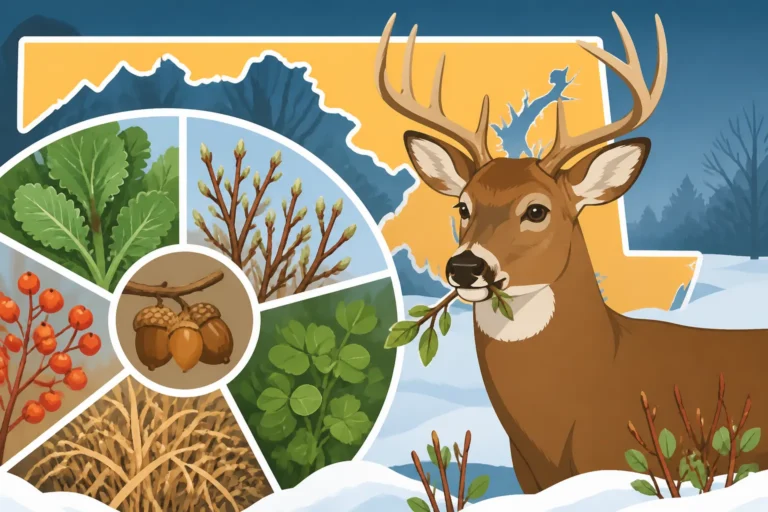
- Spring & Summer: In spring, as new growth emerges, grouse feed on a variety of tender buds, catkins, ferns, and succulent greens. Insects become a more important part of their diet during the summer, especially for growing chicks, which require protein. Areas rich in berries like blueberries and serviceberries are also utilized.
- Fall: As fall approaches and leaves begin to turn, grouse shift their diet to include a wider range of fruits, seeds, and buds. Wild grapes, dogwood berries, sumac berries, and hawthorn fruits are all important. Acorns, when available, are also a favored food. This is often a good time to find grouse near fruit-bearing shrubs and trees, especially along the edges of clearings or old logging roads.
- Winter: During the lean winter months, grouse rely heavily on buds and catkins from trees like aspen, birch, apple, and cherry. They also feed on persistent fruits like those of greenbrier. The ability of grouse to digest tough, woody browse is crucial for their survival through deep snow and cold temperatures. Look for groves of these trees, particularly on sunny slopes where snow might melt quicker, exposing more food.
Recognizing these key food sources in the habitat you're hunting can dramatically increase your chances of finding birds. A great way to identify these food sources and promising coverts is to use a robust mapping application like GoHunt, which can layer satellite imagery with topographic maps, allowing you to identify habitat features and plan your routes effectively. It helps you scout from your armchair before you even put boots on the ground, making those long hikes more productive.
Timing Your Hunt for Maryland Grouse
Unlike deer, where the rut often dictates the best hunting times, grouse hunting success is heavily influenced by factors like foliage, weather, and the general temperament of the birds. Getting your timing right can make all the difference between a productive day and a long, quiet walk in the woods.
Early Season Tactics: Before the Leaves Fall
Maryland's grouse season typically opens in October, which, for many, is still a time of heavy foliage in Western Maryland. This early season can be incredibly challenging but also rewarding. The dense leaf cover makes seeing flushing birds extremely difficult, often reducing your shooting window to a mere fraction of a second. Grouse blend in perfectly, and you'll often only hear the explosive flush before they vanish into the green tunnel. The birds themselves might not be as "jumpy" as they become later in the season, meaning they might hold tighter, but that tight hold is often in impenetrable cover.
The strategy here often revolves around systematic covert flushing. You need to walk slowly, almost painstakingly, through prime habitat, forcing birds to flush. Consider hunting with a partner or two, spreading out slightly to cover more ground and increase the chances of a bird flushing into a shooting lane for someone. Focus on the edges of thickets, along old logging roads, and near water sources. Pay close attention to the wind, as it can muffle the sound of a flush or carry your scent. While it's tough, the early season offers milder weather and a unique challenge that many upland hunters relish. It's a true test of reflexes and patience, often rewarding those who spend the most time in the thick stuff.
Late Season Challenges: Snow and Hardwoods
As the season progresses into November and December, and especially after the leaves have fallen, grouse hunting takes on a different character. The bare hardwoods open up the forest, making it easier to see flushing birds. However, the birds also become warier, often flushing further out. Snow on the ground can be a double-edged sword: it makes tracking grouse easier (though rarely necessary for a flush), but it can also make walking more difficult and birds might be concentrated around specific food sources or thermal cover.
Late season grouse hunting often means focusing on conifer stands (like hemlock or dense young pines) for thermal cover, or areas with persistent food sources like greenbrier or winter buds. On cold, windy days, grouse will often seek shelter in the thickest cover available, making those dense tangles even more important. When the snow comes, look for tracks leading to these protected spots. The colder temperatures also mean you need to be prepared with appropriate gear for Still-Hunting Western Maryland Mountain Timber or long hikes in potentially harsh conditions. While the visibility improves, the difficulty of the hunt remains high, requiring keen observation and a methodical approach.
Hunting Strategies for Western Maryland Grouse
Successfully hunting ruffed grouse in Western Maryland is less about pinpointing exact locations and more about understanding how to systematically work promising habitat. It's a game of pattern recognition, patience, and persistence.
Walking the Old Logging Roads and Trails
Old logging roads, skid trails, and even old hiking paths can be fantastic starting points for grouse hunting in Western Maryland. These pathways, especially those that are no longer actively maintained, often provide excellent access into otherwise impenetrable terrain. While you might not flush grouse directly on the open road, the edges of these paths often transition into the dense, regenerating cover that grouse prefer. Think of these roads as arteries that give you a way to dissect larger blocks of timber.
When walking these roads, move slowly and deliberately. Stop frequently, listen, and scan the edges. Grouse will often feed near these open strips before ducking back into the safety of the thick stuff. The sudden sound of your approach might cause them to flush from the adjacent cover. These roads are also great places to find droppings or other subtle signs of grouse activity. A good strategy is to walk the road for a stretch, then cut off into the thick cover for a systematic "grid" search, before returning to the road further down. This allows you to cover ground efficiently while still working prime habitat. Just remember, these roads can be steep and rocky, so good footwear is essential.
Working the Thickets and Regenerating Cuts
This is where the real work—and often the real rewards—of grouse hunting happen. You simply have to get into the thickest, nastiest cover you can find. This includes clear-cuts that are 5-15 years old and now choked with saplings, mountain laurel thickets, greenbrier patches, and areas with dense pockets of young conifer trees. These areas are tough to walk through, will grab your clothes, and often require pushing aside branches just to move a few feet. But this is exactly what grouse want: cover that frustrates predators and provides abundant food.
The key to effectively working these thickets is to move slowly and methodically. Don't rush. Pause often. Grouse are masters of holding tight, relying on their camouflage until you are almost on top of them. A good strategy is to use a zigzag pattern, or a series of short, deliberate pushes through the densest cover. Pay particular attention to transitions – where one type of cover meets another, or where a thicket meets a slightly more open area. These edges are often prime locations for grouse. Be ready for a flush at any moment, because when they go, they go fast. This kind of hunting is physically demanding, but the thrill of a grouse bursting from a thicket at your feet is unmatched.
Hunting With a Dog vs. Still-Hunting
The decision to hunt with a dog or still-hunt is a personal one, and both approaches can be effective for ruffed grouse.
- Hunting With a Dog: A well-trained bird dog, especially a pointer or a flushing spaniel, can dramatically increase your chances of success. Dogs cover more ground, penetrate thick cover more easily, and most importantly, they can pinpoint a bird's location before it flushes, giving you a crucial advantage. A dog's nose can find birds that you would undoubtedly walk past. The joy of watching a dog work, lock up on point, or meticulously flush a bird is a huge part of the grouse hunting experience for many. However, a good grouse dog takes years of training and experience in specific cover. They also need to be durable enough for the rough terrain and dense cover.
- Still-Hunting/Walk-Up Hunting: If you don't have a dog, "still-hunting" (or more accurately, "walk-up hunting" for grouse) is your primary method. This involves moving slowly and deliberately through cover, stopping frequently to listen and scan. The goal is to surprise the grouse, causing it to flush within shooting range. This requires extreme patience, a keen eye for cover, and an understanding of where grouse are likely to be. You'll often be pushing through the same dense cover a dog would, but without the benefit of its nose. This method is incredibly challenging, and you'll likely flush more birds unseen, but the few you do get a shot at will be hard-earned trophies. For new hunters or those without a bird dog, this is the accessible way to start, and mapping tools like GoHunt are crucial for identifying prime walking routes and coverts to target.
| Hunting Method | Pros | Cons | Ideal Conditions |
|---|---|---|---|
| With a Bird Dog | Locates birds efficiently, points/flushes | Requires trained dog, dog endurance, expensive | Any dense cover, especially thick briars |
| Still-Hunting | Accessible to all, stealthy, satisfying | Lower flush rate, harder to see birds in thick cover | Open hardwoods (late season), focused covert work |
Gear and Essentials for Grouse Hunting
Grouse hunting in Western Maryland isn't your average stroll in the park. The terrain is rugged, the cover is thick, and the weather can be unpredictable. Having the right gear isn't just about comfort; it's about safety and efficiency.
Shotguns and Ammunition Choices
When it comes to shotguns for grouse, fast-handling and quick-pointing are key. Flushes are often explosive and brief, giving you precious little time to react. A lightweight 20-gauge or 28-gauge shotgun is a popular choice among grouse hunters due to its lighter weight for long hikes and its ability to swing quickly. Over-and-unders or side-by-sides are traditional favorites for their balance and two quick shots, but pumps and semi-automatics are also perfectly capable. The important thing is familiarity and comfort with your chosen firearm.
For ammunition, typically fine shot sizes like 7.5 or 8 are preferred. Grouse aren't large birds, and these smaller pellets create a dense pattern, increasing your chances of connecting with a fast-flying bird in tight cover. You'll want a load that produces a consistent pattern at close to medium ranges, as most grouse shots will be fairly close. Choke selection is also important; many grouse hunters opt for an improved cylinder or skeet choke for the first shot for a wide, fast-opening pattern in thick cover, followed by a modified choke for a potential second, longer shot. Carrying extra shells is always a good idea, as you never know when you'll hit a hot streak, or simply need more practice shots!
Apparel and Footwear for Mountain Hunting
Your clothing and footwear choices for Western Maryland grouse hunting can make or break your day. Given the dense, thorny cover, durable briar-resistant pants or chaps are non-negotiable. Seriously, without them, you'll be shredded and miserable within an hour. Look for heavy-duty canvas, nylon, or Cordura materials. A good upland vest or game bag with plenty of pockets for shells, water, and a bird or two is also essential. Layering is key, as you'll be working hard and building heat, but then standing still or moving slower in cooler temperatures. Start with moisture-wicking base layers, add a fleece or wool mid-layer, and finish with a tough, briar-resistant outer shell.
For your feet, forget about casual hiking boots. You need sturdy, waterproof boots with excellent ankle support and aggressive traction. The terrain is steep, rocky, and often muddy or slick with wet leaves. Consider boots designed for mountaineering or heavy-duty backpacking. A comfortable, well-broken-in pair will save you from blisters and potential ankle injuries. Given the varying temperatures, wool socks are a lifesaver, providing warmth even when wet and helping to wick away sweat. Don't forget a blaze orange hat or vest, as required by Maryland regulations, especially during firearms seasons for other game. Safety is always paramount, and being visible to other hunters is critical.
Navigation and Safety in Remote Areas
Western Maryland's forests, while beautiful, can be disorienting, especially when you're crashing through thickets with your eyes on the ground or a flushing bird. Navigation is crucial, and relying solely on your memory or a paper map isn't always enough. A GPS unit or a reliable mapping app on your phone (like GoHunt, which I swear by for scouting and in-the-field navigation) is an absolute must. These tools allow you to pinpoint your location, track your path, mark potential grouse coverts, and ensure you can find your way back to your vehicle. Remember to download offline maps, as cell service can be spotty to non-existent in many remote areas.
Beyond navigation, general safety precautions are paramount. Always let someone know where you're going and when you expect to return. Carry a whistle in case you get separated from a hunting partner or need to signal for help. A small first-aid kit, a headlamp (even if you plan to be out before dark, things happen), a fire starter, and extra water and snacks are all smart additions to your pack. Given the potential for encountering other hunters, especially during overlapping seasons, strict adherence to firearm safety rules is non-negotiable. Hunting alone can be incredibly peaceful, but it also means you're solely responsible for your own safety and preparedness.
Conservation Efforts and the Future of Grouse in Maryland
The state of ruffed grouse in Maryland is a serious concern for many upland hunters and conservationists. Their decline is a stark reminder of how sensitive certain species are to changes in their environment.
Habitat Management for Grouse
Recognizing the critical role of early successional forest, the Maryland Department of Natural Resources (DNR), alongside organizations like the Ruffed Grouse Society (RGS), has been working on habitat management initiatives. These efforts often involve selective timber harvesting, prescribed burns, and other forestry practices designed to create and maintain the young, brushy cover grouse need. On public lands like Savage River State Forest or Green Ridge State Forest, you might see evidence of these efforts in recent logging operations or areas marked for future work.
These habitat projects are long-term investments. They don't yield immediate results, but over time, they aim to create a mosaic of forest ages, providing continuous suitable habitat for grouse, as well as other wildlife that benefits from early successional conditions. However, the scale of these efforts often struggles to keep pace with the broader trend of forest maturation and development pressures. Supporting organizations dedicated to upland habitat conservation and participating in public comment periods for forest management plans are ways that hunters can directly contribute to these efforts. Understanding Hunting Maryland's Western Mountain Forests is a step toward understanding the broader ecological picture that impacts grouse.
The Challenges of Declining Populations
The challenges facing Maryland's ruffed grouse population are multi-faceted and complex. Habitat loss, as discussed, is the primary driver. As forests age and become more uniform, grouse lose their protective cover. Additionally, fragmentation of habitat due to development further isolates populations, making it harder for birds to move and find mates. Predation, while a natural part of the ecosystem, can have a greater impact on smaller, isolated populations. Disease can also play a role, though it's less understood for grouse.
Another significant factor is climate change, which can impact snowfall patterns, insect populations (a crucial food source for chicks), and the timing of budding and fruiting trees. The cumulative effect of these pressures means that Maryland's grouse population faces an uphill battle. While dedicated hunters still pursue them, the numbers are undoubtedly lower than they once were. For serious grouse enthusiasts, keeping up with studies and initiatives, and even considering volunteer efforts on public lands, can make a tangible difference in the future of these remarkable birds. It’s a sad reality that Why Ruffed Grouse Declined in Maryland is a question many hunters lament, but understanding it is the first step towards trying to help.
Disclaimer
This article is for general informational purposes only and does not constitute professional advice. Laws, prices and regulations vary by location and change over time. Consult a qualified professional for guidance on your specific situation.