Bobwhite Quail in Maryland
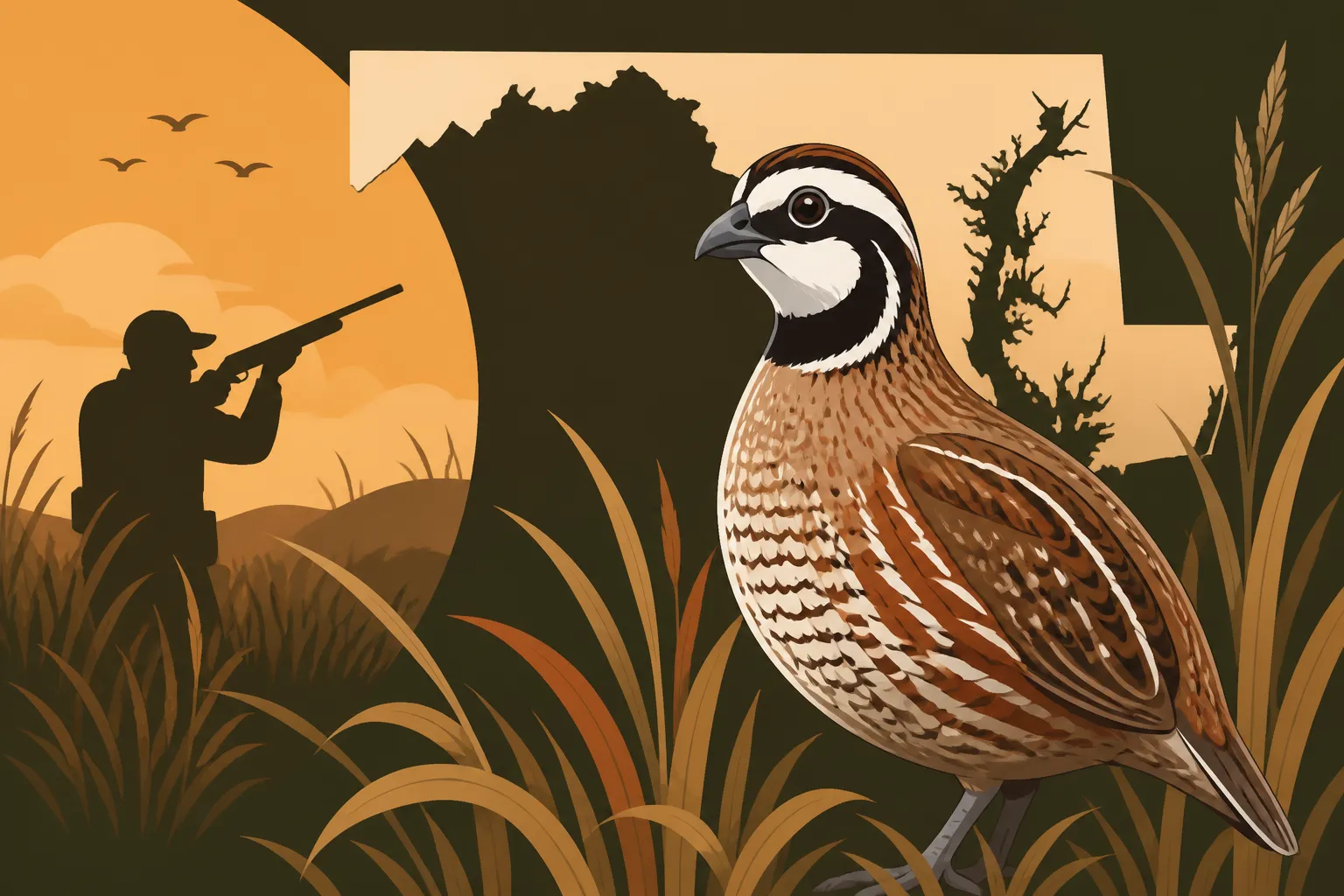
If you've spent any time at all around Maryland's older hunters or leafed through historical hunting journals, you've likely heard wistful tales of a time when the crisp, clear whistle of the bobwhite quail was a common sound across the state's farmlands and field edges. Today, for many, the very idea of hunting bobwhites in Maryland feels like a distant dream, a relic of a bygone era. This comprehensive guide aims to peel back the layers of history, habitat loss, and dedicated conservation efforts to understand what happened to Maryland's bobwhite quail, where a few still persist, and what dedicated efforts are underway to bring back the iconic 'bob-white' call to our landscapes.
The Ghost of Maryland's Past: A Look at Bobwhite Quail History
For generations, the northern bobwhite quail was an integral part of Maryland's rural tapestry. Their distinctive call and explosive flush were as much a part of the autumn landscape as falling leaves and corn shocks. They represented a hunting tradition cherished by many, a pursuit that relied on well-trained dogs, keen observation, and an understanding of the subtle nuances of agricultural and forest edges.
From Abundance to Rarity: What Happened?
The decline of the bobwhite quail across Maryland, and much of its eastern range, isn't a single event but rather a complex story of habitat transformation. Imagine the Maryland landscape a century ago: a mosaic of small farms, hedgerows, fallow fields, and open woodlands. This diverse environment provided exactly what quail needed: dense cover for nesting and escape, open ground for foraging insects and seeds, and thickets for winter shelter. Hunters would find coveys in these varied settings, often walking miles and flushing multiple groups in a single day.
However, as agricultural practices modernized and land use shifted, that perfect mosaic began to break apart. Small family farms consolidated into larger operations, hedgerows were torn out to accommodate bigger machinery, and fields were planted fence row to fence row with single crops, offering little diversity or shelter for ground-dwelling birds. The gradual loss of these critical habitat elements slowly but surely chipped away at quail populations, making it harder for them to find food, raise young, and escape predators.
The Allure of the Bobwhite: Why They're Missed
For those who experienced it, hunting bobwhite quail wasn't just about the harvest; it was an experience steeped in tradition and connection to the land. The sight of a good bird dog locked on point, the anticipation, and the sudden roar of wings as a covey exploded from cover—these moments are etched into the memories of many. It was a gentleman's hunt, often involving camaraderie, good dogs, and an appreciation for the natural world.
Beyond the hunt, quail served as an ecological indicator. Their presence signaled a healthy, diverse landscape rich in native grasses, wildflowers, and insects—the very ingredients of a vibrant ecosystem. Their decline is a stark reminder of broader changes in our environment and why so many conservationists and hunters are deeply invested in seeing their numbers rebound. The absence of that familiar "bob-white" call leaves a void, not just for hunters, but for anyone who cherishes the sounds of Maryland's wild places.
Habitat Hurdles: Why Quail Struggle in Maryland
The primary reason for the bobwhite quail's struggle in Maryland boils down to one critical factor: habitat. These birds have very specific needs, and unfortunately, the modern landscape often falls short of providing them. Understanding these habitat hurdles is the first step in addressing the problem.
Loss of Early Successional Habitat
Bobwhite quail thrive in what we call "early successional habitat." Think of it as land that's in a transitional phase—not quite an open field, not yet a mature forest. This includes old fields reverting to brush, young pine plantations, brushy fencerows, and woodland edges that are frequently disturbed or managed. These areas are rich in native weeds, shrubs, and insect life, providing crucial food sources, nesting cover, and protection from predators.
In Maryland, much of this type of habitat has simply disappeared. As forests mature, they become too dense for quail. As open fields are converted to subdivisions or continuously cultivated, they offer no suitable cover. Many traditional practices, like periodic burning or selective timber harvesting that created these transitional zones, have also become less common. Without these dynamic, messy, and diverse landscapes, quail struggle to find a place to call home. When you're trying to piece together a picture of viable habitat, online mapping tools and even services like GoHunt can be invaluable for understanding terrain and land cover, helping you identify potential areas that could support quail if managed correctly.
Agricultural Changes and Monoculture
The evolution of agriculture has played a significant, albeit often unintentional, role in the quail's decline. Maryland's fertile soils historically supported a patchwork of small fields with varied crops, interspersed with brushy borders, woodlots, and uncultivated areas. This created natural travel corridors and diverse food sources for quail.
Today, however, vast tracts of land are often devoted to monoculture—planting a single crop like corn or soybeans fence row to fence row. While efficient for farming, this creates a biological desert for quail. There's no escape cover in a towering cornfield during nesting season, and after harvest, the bare ground offers no shelter from winter winds or aerial predators. The extensive use of herbicides also reduces the crucial weed seed base that quail rely on for food. The table below illustrates some of these key habitat differences:
| Habitat Feature | Historic Maryland Farmland (Ideal Quail) | Modern Maryland Farmland (Challenges) |
|---|---|---|
| Field Size | Small, irregular patches | Large, contiguous fields |
| Field Edges | Diverse, brushy hedgerows, tree lines | Clean, mowed, often bare |
| Crop Diversity | Varied crops, fallow fields | Monoculture (corn, soy) |
| Weed/Insect Food | Abundant native weeds, insects | Reduced by herbicides, pesticides |
| Nesting Cover | Native grasses, shrubs, dense thickets | Limited, often only crop residue |
| Winter Shelter | Dense brush, plum thickets | Minimal, open stubble fields |
| Predator Concealment | Excellent, multi-layered cover | Poor, exposed |
Predation and Other Environmental Pressures
While habitat loss is the undeniable Goliath for bobwhite quail, increased predation and other environmental pressures also play a part. Without adequate cover, quail are far more vulnerable to a range of predators, both avian and mammalian. Hawks, owls, foxes, raccoons, opossums, and even domestic cats and dogs can take a heavy toll on exposed coveys and nests. When the habitat isn't providing natural protection, predation rates naturally increase.
Furthermore, factors like harsh winter weather can decimate already struggling populations, especially when winter cover is scarce. Prolonged periods of deep snow or ice can cut off access to food and force birds into exposed areas. Disease, though less studied in wild quail populations, can also be a localized issue, especially in fragmented habitats where birds might be more stressed. Climate shifts leading to changes in rainfall or extreme temperatures can affect insect populations, which are a vital protein source for quail chicks. It's a cascade effect: poor habitat weakens populations, making them more susceptible to every other challenge.
Maryland's Efforts to Bring Back the Bobwhite
Despite the challenges, there's a dedicated core of conservationists and hunters in Maryland who refuse to give up on the bobwhite quail. Their efforts, often in partnership with state agencies and private landowners, are focused on reversing decades of decline through strategic habitat restoration and population management.
Conservation Initiatives and Habitat Projects
Maryland's Department of Natural Resources (DNR) and various conservation groups have been actively engaged in projects specifically aimed at quail recovery. These initiatives often focus on creating and maintaining the early successional habitats that quail desperately need. This might involve selective timber harvesting to open up forest canopies, prescribed burning to stimulate native plant growth and control invasive species, or planting native warm-season grasses and shrub thickets along field borders. These efforts are often concentrated on public lands, such as some of the state's Wildlife Management Areas, where larger, contiguous tracts allow for more impactful restoration.
One key aspect of these projects is a long-term commitment. Restoring quail habitat isn't a one-time fix; it requires ongoing management, monitoring, and adaptation. It's about rebuilding the ecological framework that supports not just quail, but a host of other ground-nesting birds and small game species, like the cottontail rabbits that often share similar cover needs.
Public Land Focus Areas for Quail Recovery
While finding huntable populations of wild quail on public land in Maryland is a rarity, some WMAs are being managed with quail recovery in mind. These areas are not necessarily opened for active quail hunting today, but they represent a vital investment in the future. Managers might be experimenting with different rotational planting schemes, controlled burns, or brush hogging to create the mosaic of cover, food, and nesting sites that quail require.
Hunters interested in seeing these efforts firsthand, or even volunteering for habitat projects, can reach out to the DNR. Understanding where these efforts are concentrated gives insight into the long-term vision for quail in Maryland. Programs like those aimed at managing areas like Habitat Work on Maryland Wildlife Management Areas are often central to these broader ecological goals.
Private Landowner Programs and Incentives
Given that a significant portion of Maryland's land is privately owned, engaging landowners is absolutely crucial for bobwhite quail recovery. State and federal programs exist to provide technical assistance and financial incentives to private landowners willing to implement quail-friendly practices on their property. This could include establishing conservation buffers, planting native hedgerows, converting marginal cropland to native grasslands, or practicing delayed mowing to protect nesting birds.
These programs often focus on benefits beyond just quail, such as soil health, water quality, and habitat for pollinators. For landowners, it's a way to contribute to conservation while potentially receiving financial support for land management. Initiatives like these create vital corridors and larger blocks of suitable habitat, allowing small, isolated quail populations to potentially expand and connect. If you're a landowner curious about how you might plant a fall food plot on Maryland ground, for example, there are resources that can guide you to species beneficial for quail and other small game.
Where a Maryland Hunter Might Still Encounter Quail (or Hope To)
The question on every small game hunter's mind is, "Can I still find wild quail in Maryland?" The honest answer is: it's incredibly challenging, but not entirely impossible in certain, very specific circumstances. However, expectations need to be realistic.
Remnant Populations and Pockets of Hope
Wild bobwhite quail in Maryland exist in extremely low densities and are highly localized. You won't find large, widespread populations. Instead, what remains are often small, isolated coveys in areas that, by sheer luck or intentional, sustained management, have retained some semblance of their preferred habitat. These "pockets of hope" are typically found on large private tracts of land that have resisted the modern trends of intense agriculture or development, often managed for other wildlife or with a strong conservation ethic.
These areas might feature old field succession, long-abandoned orchards, extensive brushy fencerows, or specific timber cuts that have grown back into dense, young growth. Finding these elusive spots requires extensive scouting, often years of observation, and usually, the goodwill of a landowner. It’s important to remember that these are often fragile populations, and ethical considerations for their long-term survival should always come first.
Hunting Opportunities: Realities and Regulations
For the vast majority of Maryland hunters, pursuing wild bobwhite quail is not a practical endeavor. The populations are simply too low and too scattered to sustain significant hunting pressure. Any accidental flush of a covey on public land, for instance, is typically a rare and exciting surprise rather than a targeted hunt. If you happen to be out for other small game, perhaps rabbit hunting Maryland farm hedgerows, you might occasionally bump into a quail covey.
The state does have a hunting season for bobwhite quail, but it's largely symbolic given the rarity of wild birds. Hunters should always check the most current regulations for season dates and bag limits, which are usually very conservative. The reality is that if you encounter quail in Maryland today, it's more likely to be a sign of successful habitat work or a released bird, rather than a robust, self-sustaining wild population that can withstand regular hunting.
The Role of Preserve Hunts and Released Birds
For hunters who genuinely wish to experience a bobwhite quail hunt in Maryland, shooting preserves offer the most realistic and often the only opportunity. These private preserves stock pen-raised quail and release them into managed habitats, providing a controlled hunting experience. These hunts can be a fantastic way to train young dogs, introduce new hunters to the sport, and enjoy the thrill of a covey rise without impacting wild populations.
These preserves are generally well-maintained, offering good cover and simulating natural hunting conditions. While it's not the same as pursuing truly wild birds, it provides a valuable outlet and keeps the tradition of quail hunting alive. For those interested, looking into Maryland's Released Pheasant Days might offer a similar context, where released birds provide a hunting opportunity in specific managed areas.
The Future of Bobwhite Quail in Maryland
The road to bobwhite quail recovery in Maryland is long and steep, but it's not without hope. The future of these iconic birds hinges on sustained, collaborative efforts focused on their most fundamental need: suitable habitat.
Long-Term Goals and Challenges
The long-term goal for bobwhite quail in Maryland is to establish healthy, self-sustaining populations across their historical range, particularly in areas where habitat restoration is feasible and has the greatest impact. This involves creating larger blocks of early successional habitat, connecting existing fragments with brushy corridors, and ensuring a diverse food supply throughout the year. It's a vision that requires significant resources, both financial and human, and a commitment that spans decades, not just seasons.
However, many challenges remain. Continued development pressure, climate change impacts, and the sheer scale of habitat needed are formidable obstacles. Convincing landowners to adopt quail-friendly practices on a broad scale requires ongoing outreach and education. Furthermore, managing predator populations can be a contentious issue, but it's a factor that must be considered when attempting to re-establish vulnerable ground-nesting birds in fragmented landscapes.
How Hunters and Conservationists Can Help
For hunters and conservationists who want to see the bobwhite quail thrive in Maryland once more, there are several avenues to contribute.
Firstly, support conservation organizations that are actively working on habitat restoration projects in Maryland. Groups dedicated to quail or broader small game habitat often rely on membership dues and donations to fund their work.
Secondly, get involved locally. Many wildlife management areas and state forests host volunteer workdays focused on habitat improvement. This could involve planting trees and shrubs, removing invasive species, or assisting with prescribed burns. Hands-on participation is a powerful way to make a difference. Finding Maryland ground others walk past and helping to restore its habitat can be incredibly rewarding.
Thirdly, if you are a landowner, consider enrolling in conservation programs. Even small changes, like establishing native grass buffers around fields or allowing a fencerow to grow wild, can create vital micro-habitats for quail. Resources are available to help guide these efforts, and they often align with broader goals like improving soil health and water quality.
Finally, continue to educate yourself and others about the plight of the bobwhite quail. Share their story, advocate for policies that support habitat conservation, and remind people of the rich natural heritage we stand to lose if these efforts don't succeed. The spirit of the chase, the thrill of the covey flush, and the haunting call of the 'bob-white' are worth fighting for in Maryland's wild future.
Disclaimer
This article is for general informational purposes only and does not constitute professional advice. Laws, prices and regulations vary by location and change over time. Consult a qualified professional for guidance on your specific situation.