What Maryland Deer Eat Through Winter
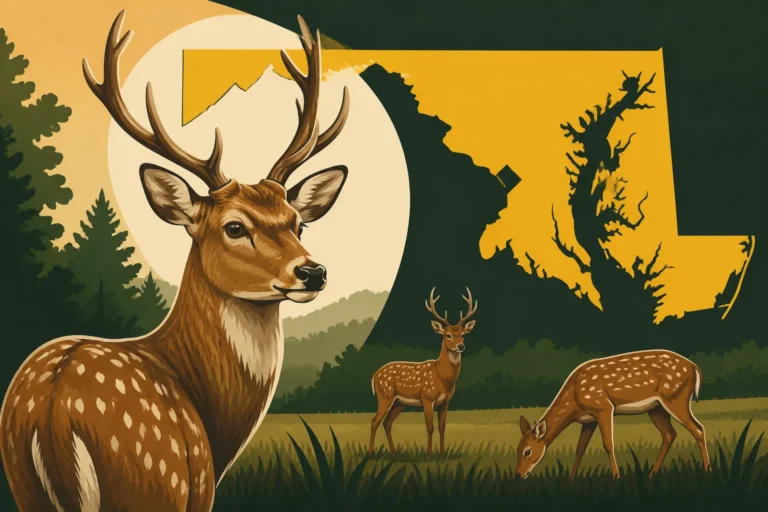
As the last leaves fall and the woods grow stark, many Maryland deer hunters find themselves scratching their heads, wondering where the deer have gone. The vibrant food plots and abundant acorns of early fall seem like a distant memory, and suddenly, locating deer feels like a monumental challenge. Understanding what Maryland deer eat through winter is absolutely critical for consistently finding them when the temperatures drop and the snow flies, and this guide is here to shed some light on those crucial late-season food sources.
Natural Winter Forage: The Wild Pantry
When the lush green buffet of spring and summer fades, Maryland's white-tailed deer pivot to a different kind of diet. They're still looking for energy, but the sources become more scattered and require more effort to find. It's a testament to their adaptability, but it also means hunters need to adjust their thinking from the high-traffic areas of early fall to the more subtle draws of winter.
Hard Mast and What's Left of It
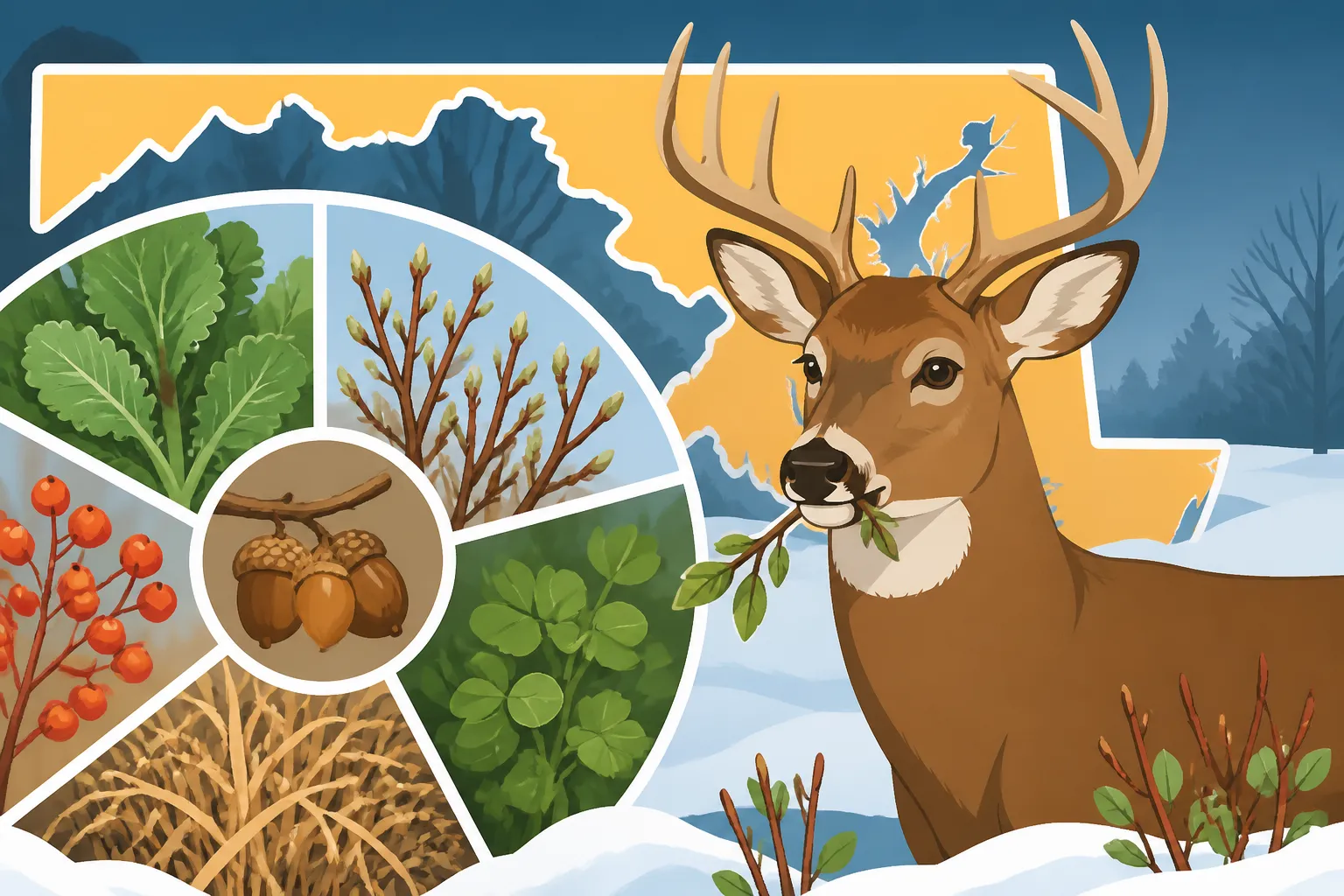
We all know the power of an acorn crop in the early season. Deer literally gorge themselves, packing on fat for the lean months ahead. But what happens when those acorns are gone, either eaten or buried under a layer of leaves and snow? Well, sometimes, there are still reserves. Certain oak species, like pin oaks or some of the white oaks, might drop later, providing a lingering food source well into early winter. Or, if the mast crop was absolutely phenomenal, there might simply be more than the deer (and squirrels, and turkeys) could consume during the peak fall.
Imagine a stand of mature white oaks in Allegany County. In October, it was crawling with deer. By December, the ground might seem bare, but a diligent deer will still paw through the frozen leaves, hoping to uncover a forgotten gem. These aren't high-energy feasts anymore; they're more like snack breaks, but every calorie counts. Beech nuts, though less common than acorns, are another form of hard mast that can sustain deer if available. Deer will work hard to get to these, especially if the pickings are slim elsewhere. The key is knowing which trees drop when, and assessing if there was enough of a crop to last. If you're wondering what drives deer movement during the early part of the season, you'll want to read up on What Acorn Crops Do to Maryland Deer Movement.
The Importance of Winter Browse
Once the acorns and other easily accessible soft mast are gone, deer turn heavily to browse. This term refers to the tender twigs, buds, and leaves of woody plants. While not as calorie-dense as acorns or agricultural crops, browse is readily available and forms the backbone of a deer's winter diet. Think of it as their staple, their everyday meal when the gourmet options are off the menu.
In Maryland, deer will target a variety of species. Greenbrier is a huge one—those thorny vines that seem to grow everywhere. Deer absolutely love the young shoots and leaves of greenbrier, even pawing through snow to get to it. Honeysuckle, an invasive but prolific plant, also provides a decent amount of evergreen browse, particularly in milder winters or sheltered areas. Young saplings of various hardwoods, like maples, oaks, and even some pines, will show signs of browsing, with the tips of branches nipped off. You can often see the browse line in heavily deer-populated areas, where everything edible up to about five feet off the ground has been trimmed clean. This is especially true along Working a Maryland Creek Bottom Late in the Season where diverse vegetation often thrives. Look for thickets and dense cover, as these areas often hold a higher concentration of preferred browse, providing both food and shelter from the elements.
Persistent Green Undergrowth
Even in winter, some plants manage to hold onto their green, nutritious leaves, offering a vital source of vitamins and minerals for deer. These persistent greens are incredibly valuable when everything else is dormant or covered in snow. Think of patches of winter wheat, sometimes planted by farmers as a cover crop, or even forgotten clover food plots that manage to stay green under a layer of snow.
In sheltered spots, you might find certain forbs or grasses that retain some nutritional value. Deer will actively seek these out, especially after a cold snap. A particularly valuable persistent green in some parts of Maryland is often overlooked: specific types of briars or low-growing evergreen shrubs. While not providing a huge amount of bulk, they offer essential nutrients that deer simply can't get from woody browse alone. This is where a hunter really needs to pay attention to subtle changes in the landscape. A small patch of green on an otherwise brown and white forest floor can be a magnet for hungry deer, particularly Late Season Food Sources for Maryland Deer.
Agricultural Offerings: Field Sustenance
Beyond the wild woods, Maryland's rich agricultural landscape plays an undeniable role in sustaining deer populations through the winter. For deer, a farmer's field isn't just a place to cross; it's a potential lifeline, offering concentrated calories when natural forage is scarce.
Leftover Standing Crops
One of the biggest draws for deer in agricultural areas during winter is residual standing crops, especially corn and soybeans. After the combines have run through, there's always going to be some grain left behind, whether it's dropped ears of corn, shattered beans, or even standing stalks with a few forgotten kernels. For a deer, this waste grain is a goldmine of carbohydrates and fats, providing the energy needed to stay warm and survive.
Deer will spend countless hours pawing through cut cornfields, picking up individual kernels. They’ll also hit soybean fields for any beans that didn’t make it into the bin. The beauty of these fields from a deer's perspective is the sheer quantity of food in one spot, which means less energy spent searching. This is particularly true if you are Hunting a Standing Corn Field Edge for Deer. If the weather turns harsh, like after Hunting After a Maryland Cold Front, these fields become even more critical. Landowners who leave some standing corn or delayed harvesting can create an absolute magnet for winter deer. For hunters, scouting these fields meticulously for tracks, droppings, and feeding craters is essential.
Dedicated Winter Food Plots
While not as widespread as natural forage or waste grain, food plots specifically designed for winter consumption can be incredibly effective at concentrating deer. These aren't your typical clover plots from early fall, though clover can persist. We're talking about brassicas (like turnips, kale, or rape), winter rye, or winter wheat. These plants are specifically chosen for their cold-hardiness and their ability to provide high-energy forage even under a blanket of snow.
Brassicas, for instance, often get sweeter after a hard frost, making them even more attractive to deer. Deer will dig through snow to get to the leaves and even the underground bulbs of turnips. Winter rye and wheat provide green forage that continues to grow (albeit slowly) through the colder months, offering a consistent food source. These plots are a huge investment for a landowner or hunting club, but they pay dividends by keeping deer healthy and holding them on the property. When planning your late-season hunts, always consider properties with active winter food plot management, especially if you enjoy Hunting a Clover Plot on a Maryland Farm that might still have some green left.
Environmental Factors Driving Deer to Food
It's not just what deer eat, but where and when they eat it, which is heavily influenced by the unforgiving realities of a Maryland winter. Weather and hunting pressure work in tandem to dictate deer movement and feeding patterns.
The Role of Snow and Ice
Snowfall, especially deep or prolonged snow, dramatically alters the availability of food for deer. A light dusting might just make it harder to find acorns, but a foot of snow can bury most ground-level forage entirely. When this happens, deer are forced to rely almost exclusively on browse, and they'll expend more energy to find it. This is where dense thickets and areas with abundant greenbrier or honeysuckle become absolutely vital.
Ice, on the other hand, can create an impenetrable barrier to food. A thick crust of ice over snow means deer can't paw through to reach anything beneath. It can also make travel dangerous and energy-intensive. During these times, deer will seek out any sheltered areas where the ice might not have formed as thickly, or where browse is more exposed. They also become more nocturnal, conserving energy during the day and moving to feed when temperatures might ease slightly after dark. The deeper the snow, the more you'll find deer "yarding up" in protected areas with sufficient food and cover.
Pressure and Thermal Cover
Hunting pressure is another significant factor that dictates where and when deer feed, even in winter. If a particular field or woodlot is heavily hunted, deer will quickly learn to avoid it during daylight hours, opting to feed there only under the cover of darkness. They'll also seek out areas with dense thermal cover—places where thick pines, cedars, or briar patches offer shelter from biting winds and cold.
These areas of dense cover often grow alongside prime winter food sources. Think of a thick fencerow along a cut cornfield, or a loblolly pine stand adjacent to a marsh. Deer can bed down in the warmth and security of the cover, then make short forays into the food source when they feel safe. This is why when you're Hunting a Fencerow for Late Season Deer, you're often targeting the travel corridor between bedding and feeding, not just the food itself. Understanding these security needs is just as important as knowing their dietary preferences when trying to pattern deer in the late season.
Locating Winter Food Sources
Finding deer in winter isn't about blind luck; it's about strategic scouting and understanding the landscape. When the leaves are off the trees, the woods tell a clearer story, but you need to know how to read the signs.
Reading the Landscape and Deer Sign
In the starkness of winter, deer sign stands out much more vividly. Look for distinct tracks in any snow or mud, especially around potential food sources. Droppings, too, will be visible and often tell a tale of recent feeding. More importantly, look for browse lines – the tell-tale nipped ends of branches up to a deer's reach. This is an undeniable sign that deer are actively feeding in that specific area.
When scouting, don't just focus on the obvious. Check south-facing slopes, which get more sun and might have less snow cover, making browse more accessible. Look along creek bottoms and ravines, where diverse vegetation can thrive, as mentioned in Working a Maryland Creek Bottom Late in the Season. Consider areas of thicker cover, like dense conifer stands or heavy briar patches, that provide both thermal cover and browse. Sometimes, finding the warmest, most sheltered bedding area will lead you directly to their preferred winter food. For those Reading Sign in Maryland Mountain Timber, these subtle clues become even more critical in vast landscapes.
Utilizing Scouting Tools and Technology
In today's hunting world, we have incredible tools at our disposal to help pinpoint those crucial winter food sources. Aerial photos and topographical maps are invaluable for identifying potential hotspots from the comfort of your home. You can easily spot cut fields, dense cover, and potential travel corridors. Look for the contrast between harvested fields and adjoining woodlots, or identify those hidden thickets that might offer thermal cover. Tools like GoHunt can overlay property lines, showing you exactly where those prime fields and bedding areas lie, whether you're looking at public or private ground. This can save you countless hours of walking and help you focus your efforts.
Furthermore, trail cameras aren't just for velvet bucks anymore. Placing cameras on known or suspected winter food sources can give you real-time intelligence on deer movement, telling you when and how often deer are hitting a particular patch of browse or a leftover cornfield. This is especially helpful for Scouting Maryland Public Land With Aerial Photos, where identifying less-pressured pockets can make all the difference. Combining these technological aids with diligent on-the-ground scouting will exponentially increase your chances of finding deer in their winter feeding patterns. Remember, deer in winter are creatures of efficiency; they want the most calories for the least effort, and they want to feel safe while getting it.
| Food Source Type | Examples | Nutritional Value | Typical Winter Availability | Deer Preference | Scouting Tip |
|---|---|---|---|---|---|
| Hard Mast | Acorns (late drop), Beech Nuts | High Carbs/Fats | Limited, early winter | High | Look for pawed-up leaves under mature oaks/beeches. |
| Woody Browse | Greenbrier, Honeysuckle, Maple/Oak Tips | Moderate Fiber/Vits | Widespread, consistent | Moderate-High | Check for nipped twigs and browse lines in thickets. |
| Persistent Greens | Winter Wheat, Clover, Certain Forbs | High Vits/Minerals | Patchy, but valuable | High | Scan for green patches in fields/woodlots, especially south-facing. |
| Agricultural Crops | Leftover Corn, Soybeans, Brassicas | Very High Carbs/Fats | Concentrated, varies by farm | Very High | Observe cut fields for tracks and feeding sign. |
Disclaimer
This article is for general informational purposes only and does not constitute professional advice. Laws, prices and regulations vary by location and change over time. Consult a qualified professional for guidance on your specific situation.