How Many Canada Geese Winter in Maryland
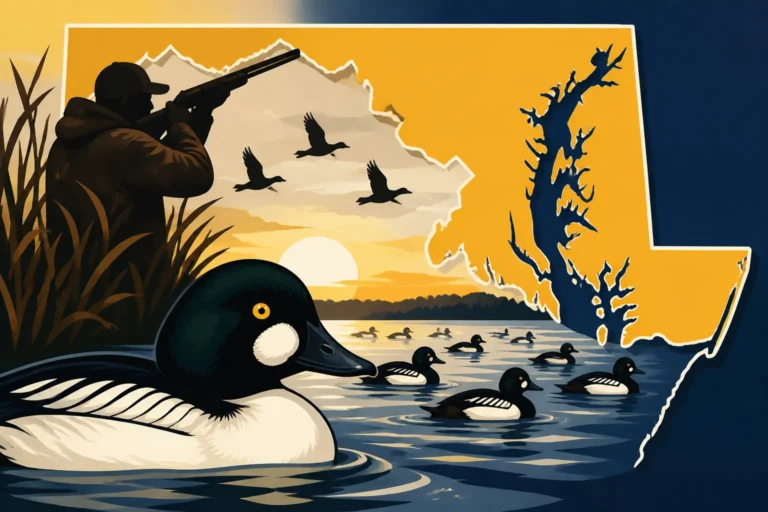
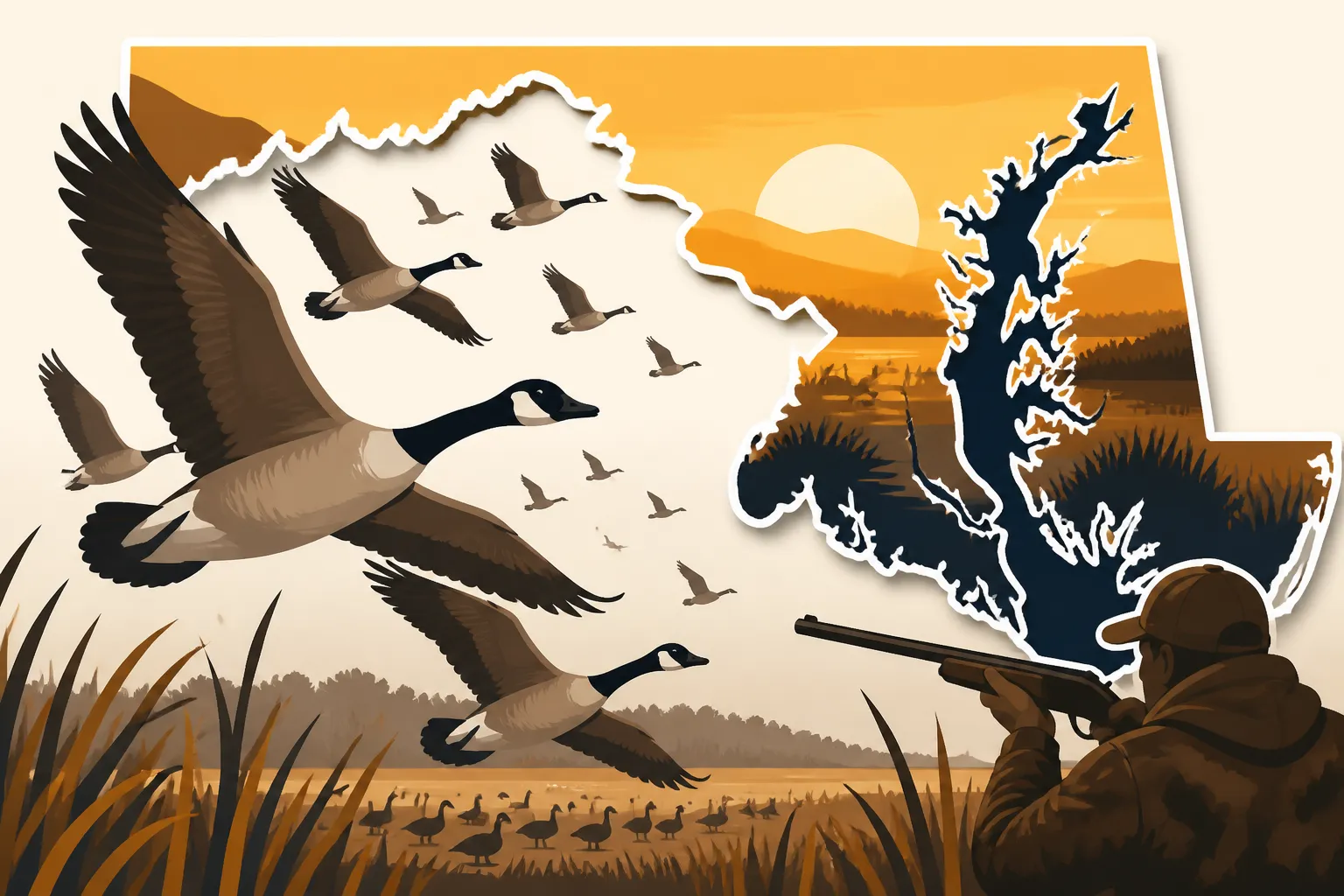
You know that feeling when you're glassing a vast expanse of cut corn on the Eastern Shore, or looking out over a wide-open section of the Chesapeake Bay, and you see geese for miles? It begs the question: just how many Canada geese actually decide to spend their winter here in Maryland? It's not just a casual curiosity; for many hunters, understanding these numbers can shape entire seasons, from scouting efforts to figuring out where the birds might be concentrated. This guide is here to shed some light on the incredible journey and sheer volume of Canada geese that grace our state each winter, and how those numbers fluctuate based on factors we can and can't control.
Understanding Maryland's Wintering Canada Goose Populations
When we talk about "Canada geese" in Maryland during the colder months, it's actually a bit more complex than just one big flock. Our state is a critical wintering ground, but the birds that arrive here come from different places and behave in distinct ways. It's truly fascinating when you dig into it.
The Two Main Goose Populations Affecting Maryland
To truly grasp the dynamics of wintering goose numbers, you have to understand that there are essentially two different groups of Canada geese that utilize Maryland. First, and perhaps most iconic for many of us, are the migratory Canada geese, specifically those belonging to what's known as the Atlantic Population (AP). These are the birds that breed in the vast tundras and boreal forests of northern Quebec and Labrador, undertaking epic migrations south as winter sets in. They're the ones you see in massive V-formations, honking their way overhead, a sure sign that cold weather is on its way.
Then, we have the resident Canada geese. These are descendants of birds released in various parts of the country, or those that simply opted not to migrate back north, finding suitable breeding and nesting habitat right here in Maryland and other mid-Atlantic states. They've adapted incredibly well to our suburban ponds, golf courses, agricultural fields, and even urban parks. These birds don't pack up and head for the Arctic each spring; they're here year-round. This distinction is absolutely crucial because their management, their population trends, and ultimately, their numbers contributing to our winter population are handled very differently. While the Atlantic Population numbers are carefully monitored for conservation reasons across the entire flyway, resident geese often present different challenges, sometimes even overpopulating local areas. It's a testament to their adaptability, but it means the total number you see isn't just one static figure—it's a blend of these two groups. You can learn more about Resident Canada Geese in Maryland to get a better handle on this local population.
Seasonal Flux: Why Numbers Are Never Static
If you've spent any time hunting or even just observing waterfowl in Maryland, you know that the numbers aren't fixed from week to week, let alone year to year. The Canada goose population here in winter is incredibly dynamic. Think about it: these birds are constantly responding to a complex interplay of environmental cues, with weather being a massive driver. A harsh, early winter up in New England or New York can push a flood of Atlantic Population geese into Maryland sooner than expected. Conversely, a mild winter further north might mean fewer birds feel the need to push all the way down to the Chesapeake Bay, causing what hunters sometimes call "short-stopping."
Beyond the broad strokes of cold fronts and snow lines, even within Maryland, geese are always on the move. They shift between feeding areas, fly from roosting sites on open water to distant grain fields, and adjust their patterns based on hunting pressure. One field might hold thousands of geese one day, and be completely barren the next, simply because they've been shot at and decided to move on to a quieter spot. This constant movement makes accurately counting them a monumental task, and it's why annual estimates are always just that—estimates, snapshots in time rather than definitive, real-time figures. Hunters who spend time in the field will tell you that predicting goose movement is often more art than science, requiring keen observation and a lot of patience.
Estimating Wintering Goose Numbers: The Science Behind the Count
So, if these populations are always moving and fluctuating, how do wildlife biologists even begin to count them? It's not like they're lining up for a roll call! The process is incredibly detailed, involving coordinated efforts across states and a lot of dedicated people.
The Mid-Winter Waterfowl Survey MWS
One of the most vital tools for estimating wintering waterfowl populations, including Canada geese, is the Mid-Winter Waterfowl Survey, or MWS. This survey is a colossal undertaking conducted annually, typically in early January, by state and federal wildlife agencies across the entire Atlantic Flyway. Imagine planes flying systematic transects over major waterways, agricultural fields, and known wintering grounds, with skilled observers counting every bird they see. It's a massive aerial census, meticulously planned to cover as much critical habitat as possible.
The MWS provides a snapshot of where migratory birds are wintering, giving biologists a crucial piece of data to assess population health and inform hunting regulations for the upcoming seasons. It's not about counting every single goose, but rather establishing a statistically sound estimate of the overall population trend. Maryland's Department of Natural Resources (DNR) participates actively in these surveys, focusing on our vast expanses of the Chesapeake Bay, its tributaries, and the extensive agricultural lands on the Eastern and Western Shores. Despite its scientific rigor, the MWS isn't without its challenges. Adverse weather, like heavy fog or snow, can obscure visibility and impact counts. Birds might be hidden in dense cover or shift locations just before a survey flight. But even with these limitations, it remains the backbone of our understanding of wintering waterfowl numbers. For hunters looking to deepen their understanding of wildlife patterns and data, resources like GoHunt can be invaluable in visualizing land features and potential concentrations of birds, though GoHunt doesn't conduct these surveys itself. Knowing where birds might be based on habitat data can be a game-changer.
Tracking Resident Goose Growth
While the MWS primarily focuses on migratory populations, the resident Canada goose population is tracked through a combination of other methods throughout the year. Since these birds nest within Maryland and surrounding states, biologists can conduct breeding pair surveys in spring, counting nesting pairs and broods to estimate reproductive success. Banding efforts are also critical. Trapping and banding geese, then tracking band returns from hunters, provides valuable data on survival rates, movement patterns, and harvest rates.
The growth of the resident goose population has been a phenomenal success story in terms of wildlife recovery, but it also presents unique management challenges. These birds thrive in human-modified landscapes, leading to conflicts in suburban areas, parks, and agricultural fields. Because they don't migrate far, they are often subjected to different hunting season structures, like special September seasons, designed to help manage their numbers more effectively while protecting their migratory cousins. This dual approach to monitoring—large-scale aerial surveys for migratory birds and more localized banding and breeding surveys for residents—is what allows wildlife managers to craft the complex regulations we see for Maryland Canada Goose Season Dates and Atlantic Population Versus Resident Goose Zones.
Factors Influencing Maryland's Winter Goose Numbers Annually
It's not just about how many geese can winter here, but how many do in any given year. Several crucial factors conspire to dictate the numbers we see, making each winter a unique experience for goose hunters and wildlife observers alike.
The Role of Weather and Habitat
Weather patterns, both locally and far to our north, are perhaps the most significant determinant of how many migratory Canada geese choose to winter in Maryland. If the breeding grounds in Quebec and Labrador experience a successful nesting season, that means more birds are produced. But whether those birds make it all the way to Maryland depends heavily on the weather they encounter along the Atlantic Flyway. A mild winter throughout the Northeast can mean that a significant portion of the Atlantic Population might "short-stop" in states like Pennsylvania or New Jersey, where open water and accessible food sources remain available further north. They simply don't need to burn the energy to fly all the way down to the Chesapeake Bay.
Conversely, a severe winter, with heavy snow and prolonged freezes in states north of us, will often push those birds further south, leading to an influx of geese into Maryland. When the Susquehanna Flats or other northern bay tributaries freeze solid, those thousands upon thousands of divers and dabblers, along with Canada geese, are forced to seek open water farther south, bringing them into our core wintering areas. Beyond migration, local weather is also key. Prolonged cold spells can freeze over smaller ponds and even parts of the Bay, forcing geese to concentrate on the remaining open water or to venture further into fields for food. The availability of diverse habitat—from vast expanses of open water for roosting to nutrient-rich agricultural fields for feeding—is what makes Maryland such an attractive winter haven in the first place. Hunters often use tools like GoHunt to scout and understand available habitat, which can be critical when predicting where geese might concentrate given the weather.
Food Availability Across the State
What's a goose going to do without a good meal? Food availability is a massive magnet for wintering geese, and Maryland's agricultural landscape, particularly the Eastern Shore, offers an irresistible buffet. Waste grain in cut cornfields, leftover soybeans, winter wheat, and various cover crops provide essential energy reserves for these birds during the lean winter months. The amount and accessibility of this food can fluctuate significantly from year to year. A highly efficient harvest by farmers might leave less waste grain in the fields, potentially scattering goose concentrations or encouraging them to move more frequently in search of sustenance. Heavy snow cover, while sometimes pushing more birds south, can also lock up food sources, making them inaccessible.
Maryland's coastal marshes also offer natural forage, but for the sheer volume of wintering geese, especially the field-feeding Atlantic Population, the agricultural fields are paramount. Hunters know this intimately; finding where the geese are feeding is often the first step in planning a successful hunt. Hunting a Maryland Grain Field Edge might initially focus on deer, but the principles of scouting for preferred food sources are universal for field-feeding waterfowl. Farmers in certain areas, particularly on the Eastern Shore, can attest to the sheer volume of geese that descend upon their fields, sometimes leading to significant crop damage, which further emphasizes the magnitude of the wintering population.
Hunting Pressure and Management Strategies
Human influence, specifically hunting pressure and carefully crafted management strategies, also plays a substantial role in shaping wintering goose numbers. The Atlantic Flyway Council and the U.S. Fish and Wildlife Service, in conjunction with state agencies like Maryland DNR, work tirelessly to set season dates, bag limits, and quotas for migratory waterfowl based on population data. If the Atlantic Population shows signs of decline, more restrictive seasons might be implemented across the flyway, potentially leading to more geese surviving the hunting season and returning to their breeding grounds, which in turn could mean larger populations in subsequent years.
Conversely, for resident Canada geese, where numbers are often robust and sometimes even excessive, management strategies often involve more liberal hunting seasons, including longer seasons, higher bag limits, and special early seasons like the September Resident Goose Season. These efforts aim to control local populations and mitigate conflicts with agriculture and urban areas. The boundaries for Maryland's Late Western Goose Zone or the specific bag limits in the Atlantic Population zone directly reflect these strategic decisions. This pressure, along with the constant presence of hunters in key areas, can also cause birds to become warier, shift their patterns, or move to refuge areas where they are safe from hunting, thus impacting where and in what numbers they are seen by hunters.
Here's a quick look at the two main Canada goose populations in Maryland:
| Feature | Atlantic Population (Migratory) | Resident Population (Non-Migratory) |
|---|---|---|
| Origin | Breeds in northern Quebec & Labrador | Breeds locally in MD and surrounding states |
| Migration Pattern | Long-distance migration to wintering grounds (e.g., Maryland) | Stays year-round or makes short, localized movements |
| Population Trend | Varies annually based on breeding success and flyway conditions | Generally stable to increasing; managed for control in some areas |
| Primary Habitat | Open water (Chesapeake Bay), large agricultural fields | Ponds, golf courses, parks, suburban areas, agricultural fields |
| Hunting Season Impact | Managed by flyway-wide regulations and quotas | Managed by local regulations, often with liberal seasons |
The Impact of Geese on Maryland's Landscape and Hunters
The presence of thousands upon thousands of Canada geese in Maryland each winter isn't just a number on a biologist's spreadsheet; it has real, tangible impacts on our environment, our economy, and, of course, on the hunting community.
Balancing Conservation and Opportunity
Maryland has always been a hub for waterfowl, and the story of Canada geese is one of both remarkable conservation success and ongoing management challenges. Decades ago, the Atlantic Population faced significant declines, leading to stricter regulations and concerted conservation efforts across the flyway. Those efforts paid off, and the population rebounded. Today, the focus is often on managing for sustainable harvest for hunters while also addressing the impacts of large resident goose populations, which can sometimes be considered overabundant in certain areas. This means striking a delicate balance. On one hand, hunters cherish the opportunity to pursue these magnificent birds, enjoying traditions like Decoying Canada Geese on the Upper Eastern Shore or Setting a Goose Spread in Cut Corn. These opportunities contribute to local economies through licenses, gear sales, and guide services.
On the other hand, a high density of resident geese can lead to damaged crops, fouled recreational areas, and even pose risks to aviation near airports. This creates a constant need for active management, with wildlife agencies constantly evaluating population data and public feedback to set appropriate hunting seasons and other control measures. It’s a testament to the success of conservation that we now have the "problem" of having too many geese in some places, particularly resident birds, a stark contrast to the concerns of earlier generations.
Hunting Strategies for Wintering Geese
For the Maryland goose hunter, understanding these population dynamics isn't just academic; it directly informs how they approach their season. Knowing that migratory birds might "short-stop" up north during a mild winter might encourage a hunter to travel further south or focus more on resident goose opportunities closer to home. Conversely, a deep freeze in the north can signal that prime hunting opportunities are likely on the way, especially in the big agricultural fields of the Eastern Shore.
Hunting these wintering geese successfully requires keen observation, knowledge of their habits, and often, quite a bit of specialized gear. Whether it’s Layout Hunting Canada Geese on the Upper Shore from a low-profile blind in a cornfield, or trying to intercept birds as they fly to feed by Pass-Shooting Geese Over Cut Corn, understanding where the bulk of the birds are, and why, is critical. Hunters constantly scout for fresh sign, track weather patterns, and consult resources to gain an edge. Tools like GoHunt are valuable for hunters to research public and private land, understand property boundaries, and pinpoint potential feeding and roosting locations, allowing them to make more informed decisions when the geese are flying. Ultimately, while the exact number of Canada geese wintering in Maryland varies each year, one thing remains constant: our state is and will continue to be a vital sanctuary and a premier hunting destination for these incredible birds.
Disclaimer
This article is for general informational purposes only and does not constitute professional advice. Laws, prices and regulations vary by location and change over time. Consult a qualified professional for guidance on your specific situation.