Junior Deer Hunt Days and Who Qualifies
One of the biggest hurdles many parents and mentors face when trying to introduce youngsters to deer hunting is finding the right opportunity. It’s not just about getting them in the woods; it’s about making it enjoyable, safe, and truly their own experience, without the overwhelming pressure of crowded opening days or complicated regulations. That's exactly why Maryland's Junior Deer Hunt Days exist – to carve out dedicated time for our younger generation to learn and fall in love with the tradition of deer hunting. This guide will walk you through everything you need to know about these special days, who qualifies, and how to make the most of them for your junior hunter.
Understanding Maryland's Junior Deer Hunt Days
Maryland’s Junior Deer Hunt Days are a fantastic initiative designed to foster a love for hunting in the next generation. They provide a unique window of opportunity, specifically for young hunters, often preceding or extending beyond the regular adult seasons. This dedicated time aims to reduce hunting pressure, allow for more focused mentorship, and ultimately, make the overall experience less intimidating and more successful for kids. It’s a chance for them to really connect with nature, learn responsible hunting practices, and create memories that will last a lifetime.
What are Junior Deer Hunt Days?
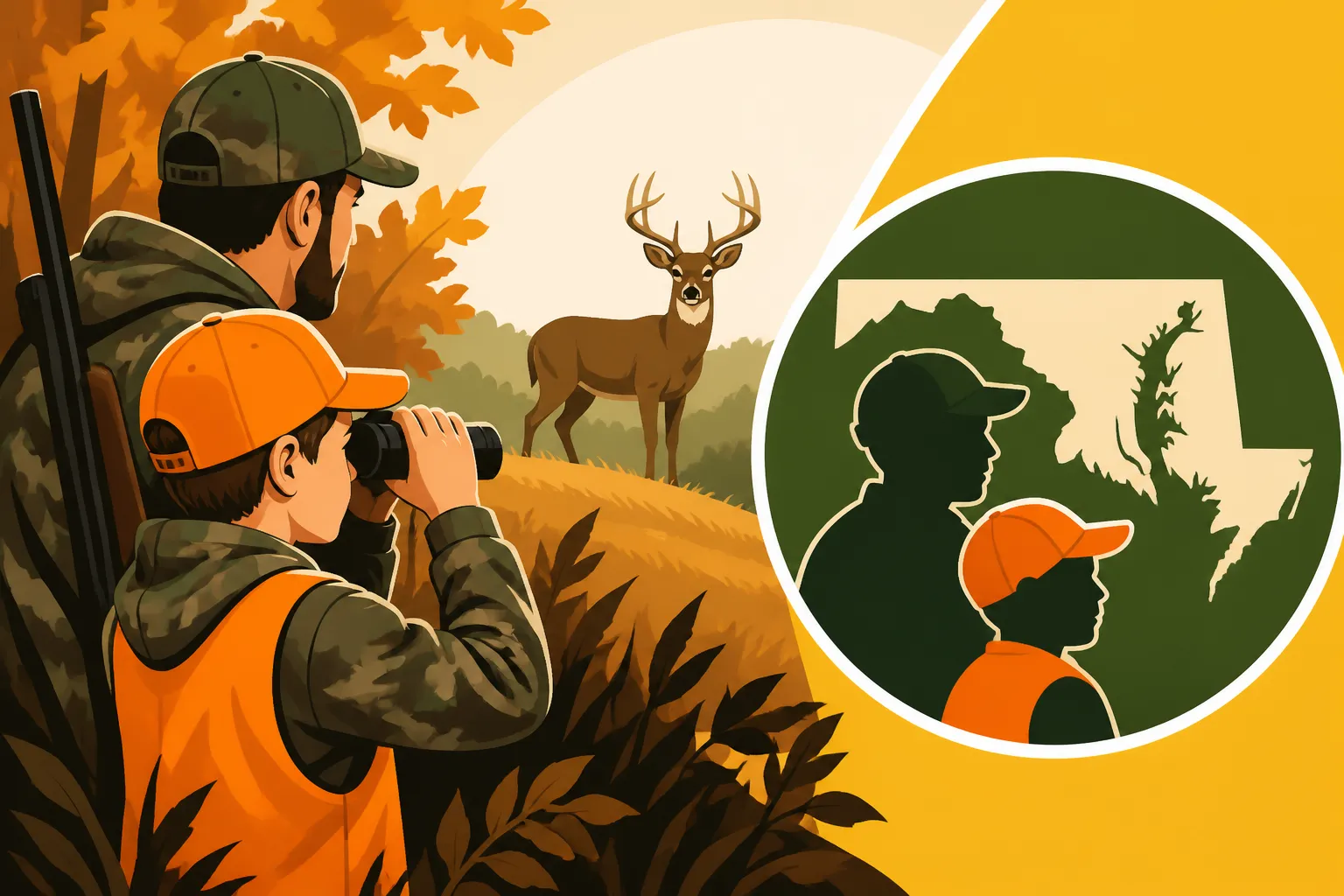
Imagine a crisp autumn morning, the woods quiet except for the rustle of leaves, and your child, eyes wide with anticipation, is the only one in your hunting party carrying a firearm or bow. That's the essence of Junior Deer Hunt Days. These are specific dates set aside by the Maryland Department of Natural Resources (DNR) where only eligible junior hunters can pursue deer. These days are typically structured to offer a less crowded environment, allowing mentors to focus entirely on teaching and guiding without the competitive feel that can sometimes accompany regular season openers. The idea is to create a positive, low-pressure introduction to deer hunting, emphasizing education, safety, and ethical conduct above all else. It's not just about taking a deer; it’s about instilling a lifelong passion for wildlife and conservation.
Historically, these days have been incredibly successful in bringing new hunters into the fold. They offer a unique "first hunt" experience, often during prime conditions, giving young hunters a real advantage. The reduced competition means that deer might be less wary, increasing the chances of seeing game and building a junior hunter's confidence. This initiative underscores Maryland's commitment to preserving its hunting heritage by investing in its future participants.
Eligibility Requirements for Junior Hunters
So, who exactly qualifies for these special days? The eligibility requirements are straightforward and designed to ensure safety and proper mentorship. To participate in Maryland's Junior Deer Hunt Days, the hunter must be 16 years of age or younger. This age cut-off ensures that the program truly targets youth and early teenagers who are still learning the ropes.
Beyond age, there are other crucial requirements. Every junior hunter must possess a valid Maryland hunting license. Depending on the weapon they plan to use, they will also need the appropriate stamp: a Bow and Arrow Stamp for archery equipment, a Muzzleloader Stamp for muzzleloaders, or a Firearms Stamp for shotguns or straight-wall rifles. Furthermore, completion of a certified Maryland Hunter Education Requirements course is mandatory for all first-time hunters, regardless of age. This course covers vital topics like firearm safety, wildlife identification, conservation ethics, and hunting regulations, providing a foundational understanding before they step into the field. These requirements might seem like a lot, but they are absolutely essential for ensuring a safe and ethical hunting experience, not just for the junior, but for everyone in the woods. You can easily purchase these licenses and stamps through the Maryland COMPASS online portal or at any authorized license agent.
The Mentorship Aspect
This is arguably the most critical component of Junior Deer Hunt Days. A junior hunter must be accompanied by an unarmed adult who is 18 years of age or older and holds a valid hunting license. Let's be very clear about "unarmed" – this means the accompanying adult cannot carry any weapon capable of taking deer, whether it's a bow, a muzzleloader, or a firearm. Their sole purpose is to supervise, instruct, and ensure the safety of the junior hunter. This isn't a chance for the adult to hunt alongside the child; it's a dedicated teaching moment.
The mentor's role goes far beyond just sitting in the stand. They are responsible for teaching firearm handling, identifying legal game, understanding shot placement, and reinforcing ethical behavior. This often means patiently answering questions, pointing out animal tracks, discussing wind direction, and explaining the nuances of the hunt. It's a fantastic opportunity for an adult to pass down knowledge, share stories, and instill a deep respect for wildlife and the outdoors. A good mentor will emphasize the entire experience, not just the harvest, focusing on the joy of simply being in nature. For families and mentors, tools like GoHunt can be invaluable in planning and reviewing scouting efforts, helping to educate junior hunters on different terrain types and deer behavior before they even set foot in the woods.
Navigating the Regulations and Season Dates
Understanding the specific dates and regulations for Junior Deer Hunt Days is key to a successful outing. Maryland's DNR makes an effort to provide clear guidelines, but it's up to us, the mentors, to ensure we're fully informed and compliant. These special days offer unique advantages, especially when it comes to weapon choices and bag limits, which differ slightly from the general seasons.
Key Season Dates and Zones
Maryland's Junior Deer Hunt Days are strategically placed to offer prime hunting opportunities. Typically, there are two distinct periods for junior hunters: one in the fall, often in late October, and another in winter, usually in late January. These dates often precede the full firearms season or fall during a lull, once again ensuring less pressure and more exclusive access for youth. It's crucial to check the official Maryland DNR hunting guide each year for the precise dates, as they can shift slightly.
Maryland is divided into two deer management regions: Region A and Region B Deer Rules. Region A covers the westernmost counties (Garrett and Allegany), characterized by mountainous terrain, while Region B encompasses the rest of the state, including the Eastern Shore, Southern Maryland, and the central Piedmont. While the junior hunt days are generally statewide, there might be subtle differences in how they apply to specific counties, especially concerning weapon types. For instance, in some suburban areas of Region B, firearms might be restricted to specific types or not allowed at all, even during junior days. Always consult the county-specific regulations, which can be found in the annual Maryland hunting guide or through a reputable resource like GoHunt's state-specific information. This ensures you're not caught off guard by local nuances.
Legal Weapons and Equipment
During Junior Deer Hunt Days, qualified youth hunters can use a variety of legal deer hunting weapons, provided they have the correct stamps and follow county-specific restrictions. These typically include bow and arrow (including crossbows), muzzleloaders, and firearms (shotguns and straight-wall rifles). It’s important to remember that not all weapons are legal in all counties for deer hunting. For example, centerfire rifles are generally restricted in many parts of Region B, but straight-wall cartridge rifles have expanded legal use in some counties. Always double-check Maryland's Legal Weapons by County before you go.
For archery, standard broadheads are required. For muzzleloaders, appropriate calibers and projectiles are necessary. If using a shotgun, slug ammunition is typically required for deer. Ensure the junior hunter is proficient and comfortable with their chosen weapon. Practicing at a shooting range well in advance is non-negotiable. The firearm or bow must fit the junior hunter properly – recoil should be manageable, and they should be able to hold and aim it safely and accurately. Never force a junior to use a weapon that is too heavy or has excessive recoil; this can quickly turn them off hunting forever.
Bag Limits and Antler Rules for Juniors
This is where Junior Deer Hunt Days offer a significant advantage and simplification compared to adult hunting regulations. During these special days, a junior hunter can typically take one antlered deer and one antlerless deer. The most notable aspect for antlered deer is that the statewide three-point antler restriction does NOT apply to junior hunters during these dedicated days. This means a junior hunter can harvest an antlered deer with any number of points on one antler, or even spikes. This rule exemption is designed to increase opportunities for young hunters, allowing them to gain valuable experience without the added pressure of complex antler judging in the field. It’s a huge relief for both the junior and the mentor, letting them focus on shot placement and ethical harvesting.
However, all harvested deer, whether antlered or antlerless, must still be properly registered within 24 hours of harvest. This can be done conveniently through the Maryland DNR's COMPASS online portal or by phone. Keeping track of bag limits and ensuring proper registration are vital steps in responsible hunting and contribute to Maryland's wildlife management efforts.
| Junior Deer Hunt Days | Fall Season (Late Oct) | Winter Season (Late Jan) |
|---|---|---|
| Eligible Age | 16 years old & younger | 16 years old & younger |
| Accompanying Adult | Unarmed, 18+ with license | Unarmed, 18+ with license |
| Legal Weapons | Archery, Muzzleloader, Firearms (shotgun/straight-wall, county-specific) | Archery, Muzzleloader, Firearms (shotgun/straight-wall, county-specific) |
| Antlered Bag Limit | 1 Antlered Deer (3-point rule waived) | 1 Antlered Deer (3-point rule waived) |
| Antlerless Bag Limit | 1 Antlerless Deer | 1 Antlerless Deer |
| Blaze Orange Req. | Varies by weapon and season (often required for firearms) | Varies by weapon and season (often required for firearms) |
Preparing for a Successful Junior Deer Hunt
A successful junior deer hunt isn't just about bagging a deer; it's about the entire experience, from the planning stages to the ethical completion of the hunt. Preparation is key, especially when you're guiding a young, impressionable hunter. This includes everything from the gear they wear to how you scout and even how you handle the post-harvest process.
Essential Gear and Safety Considerations
When hunting with a junior, safety must always be the paramount concern. Start with appropriate clothing: layers are crucial for Maryland's unpredictable fall and winter weather. Make sure the junior hunter is warm, dry, and comfortable. For firearm seasons, How Much Blaze Orange Maryland Requires is critical – typically, visible blaze orange on the head, chest, and back is mandatory. This makes them highly visible to other hunters, which is especially important on public land, though Junior Hunt Days usually mean fewer people.
Beyond clothing, pack a first-aid kit, plenty of water, snacks, and a reliable form of communication (fully charged cell phone, two-way radio). Ensure the junior hunter wears appropriate eye and ear protection when shooting. Before going afield, conduct a thorough safety briefing: review safe firearm handling, zone of fire, target identification, and what to do in an emergency. Discuss the hunting plan in detail so the junior understands expectations. It’s also wise to practice essential skills like blood trailing with them, even before a shot is fired, as part of your Maryland Hunter Education Requirements. A confident and prepared junior hunter is a safe and successful one.
Scouting and Stand Placement with a Junior
Scouting isn’t just for adults; it’s an incredible learning opportunity for junior hunters. Before the season, take your child out to Scouting Maryland Public Land Before Season or private properties to look for deer sign. Teach them how to identify tracks, rubs, scrapes, and bedding areas. Explain why deer use certain travel corridors or feed in particular spots. This makes them active participants in the hunt planning process, rather than just passive observers. Using mapping tools, like those found on GoHunt, can help illustrate concepts like food sources, bedding areas, and potential travel routes, making the scouting process more engaging and educational.
When it comes to stand placement, comfort and safety for the junior are paramount. Ground blinds can be an excellent choice for junior hunters, as they offer warmth, concealment, and allow for movement without spooking deer. If using a treestand, ensure it's a two-person stand rated for both your weights, and always use full-body harnesses. Choose a spot with easier access and egress, minimizing long, difficult walks in the dark. Opt for areas with good visibility but also natural backstops. The goal is to maximize their comfort and ability to focus, not test their endurance or patience.
The Importance of Post-Harvest Steps
If a junior hunter is fortunate enough to harvest a deer, the steps immediately following are just as important as the hunt itself. First, safely unload the weapon and secure it. Approach the deer cautiously, ensuring it is expired. This is a critical teaching moment about respect for the animal. Explain the importance of a quick, humane harvest and how to properly field dress the animal. In warm September weather, especially during early bowhunting opportunities, proper and quick field dressing is even more important to preserve the meat.
Next comes registration. Teach your junior how to Registering a Maryland Deer by Phone or App using the COMPASS system. This reinforces their responsibility as a hunter and contributes to crucial wildlife data. Finally, celebrate their success! Whether it’s sharing stories, taking photos, or enjoying the venison together, acknowledge their achievement. The way you handle these post-harvest steps will greatly influence their perception of hunting and their desire to continue.
Maximizing the Experience Beyond the Harvest
While harvesting a deer is often the tangible goal, the true value of Junior Deer Hunt Days lies in the holistic experience. It’s about building character, forging connections, and instilling a deep appreciation for the natural world. Focusing on these broader aspects will ensure your junior hunter develops a lifelong passion for the outdoors, regardless of whether they punch a tag every time they go out.
Building Skills and Confidence
Hunting with a junior is an extended classroom. Every moment in the woods is an opportunity to teach and for them to learn. Beyond shooting accuracy, teach them tracking skills, how to interpret deer sign like rubs and scrapes, and how to read the wind. Explain the importance of patience and stillness. Point out other wildlife – a flock of Maryland Wild Turkey Population Trends moving through the woods, or squirrels scampering up an oak. These observations build their overall knowledge of the ecosystem.
The confidence a child gains from spending time in nature, observing, learning, and participating in a responsible harvest, is invaluable. It’s a confidence that extends far beyond the hunt itself, fostering self-reliance, problem-solving skills, and a deeper connection to their surroundings. Even if the hunt doesn't result in a harvest, the act of spending time quietly observing and understanding the intricate workings of the natural world is a profound lesson.
Instilling Conservation Ethics
Hunting is one of the oldest forms of conservation, and it’s vital to pass this understanding on to the next generation. Explain to your junior hunter that hunters contribute directly to wildlife management through license fees and excise taxes on hunting equipment. Discuss the concept of sustainable harvesting and why proper bag limits are in place. Teach them about habitat preservation and how hunters play a crucial role in maintaining healthy wildlife populations.
This is also an excellent opportunity to teach respect for the land and animals. Talk about leaving no trace, respecting private property boundaries, and the ethical use of game. Emphasize that hunting is not just about taking, but about giving back to nature and ensuring its health for future generations. Tools like GoHunt often include mapping layers that highlight conservation areas and public land access, reinforcing the idea of shared resources and responsible use.
Creating Lasting Memories
Ultimately, Junior Deer Hunt Days are about creating indelible memories. These are the stories that will be retold around campfires and family dinners for years to come. It’s the feeling of anticipation before dawn, the shared quiet moments in the stand, the excitement of spotting a deer, and the pride in a successful, ethical harvest. It’s also about the laughs, the lessons learned from mistakes, and the unique bond forged between mentor and mentee in the heart of nature.
Make the experience fun and positive. Don't put undue pressure on them to harvest an animal. Focus on the journey – the sights, sounds, and smells of the woods. Bring hot cocoa in a thermos, tell stories, and cherish the time together. Whether they take a monster buck or simply enjoy watching a squirrel bury an acorn, these shared outdoor experiences are what truly matter and will keep them coming back year after year, building a lifelong appreciation for Maryland Hunting Licenses and What They Cost and the rich traditions that come with it.
Disclaimer
Please note that hunting regulations, season dates, and license requirements in Maryland can change annually. While this guide provides comprehensive information, always consult the most current official Maryland Department of Natural Resources (DNR) hunting guide or website before planning and participating in any hunt. Local ordinances and specific land access rules may also apply. Safety should always be your top priority in the field.