Region A and Region B Deer Rules
If you've spent any time at all looking into deer hunting in Maryland, you've probably stumbled across references to "Region A" and "Region B" and immediately felt a wave of confusion wash over you. It's a common point of frustration for hunters, new and seasoned alike, trying to navigate the sometimes complex regulations that govern our deer seasons. You're not alone in wondering why things aren't just simpler, but there are good reasons for these distinctions. This comprehensive guide is here to unravel the mysteries of Maryland's deer management regions, helping you understand the rules, why they exist, and how they impact your hunting strategy.
Understanding Maryland's Deer Management Regions
Maryland, much like many other states, doesn't have a one-size-fits-all approach to managing its deer population. The diverse landscape, from the sprawling farms of the Eastern Shore to the rugged mountains of Western Maryland and the densely populated suburbs surrounding our major cities, presents a unique set of challenges and opportunities for wildlife managers. This is precisely why the state is divided into two distinct deer management regions: Region A and Region B. These regions are a direct response to varying deer populations, habitat types, and human-wildlife conflicts across the state.
Why We Have Two Regions
The primary reason for dividing Maryland into Region A and Region B boils down to population density and the ecological capacity of the land. In simple terms, some areas of the state can sustain a much larger deer herd without causing significant issues for agriculture, forests, or human safety (think deer-vehicle collisions), while other areas cannot. In areas with abundant natural forage and less development, deer populations tend to thrive and can sometimes grow to numbers that become problematic. Conversely, in more mountainous, forested regions, the habitat might be less productive, or severe winters could limit herd growth naturally.
Wildlife biologists constantly monitor deer numbers, harvest data, habitat health, and feedback from landowners and the public to inform these management decisions. They aim for a balance: a healthy deer population that provides ample hunting opportunities while minimizing negative impacts. The two-region system allows for more nuanced and effective management strategies tailored to the specific needs of each area, rather than a blanket approach that might be too restrictive in one place and too liberal in another. It's all about trying to manage a wild resource responsibly in a state with a lot of people and a lot of different types of land.
The Dividing Line
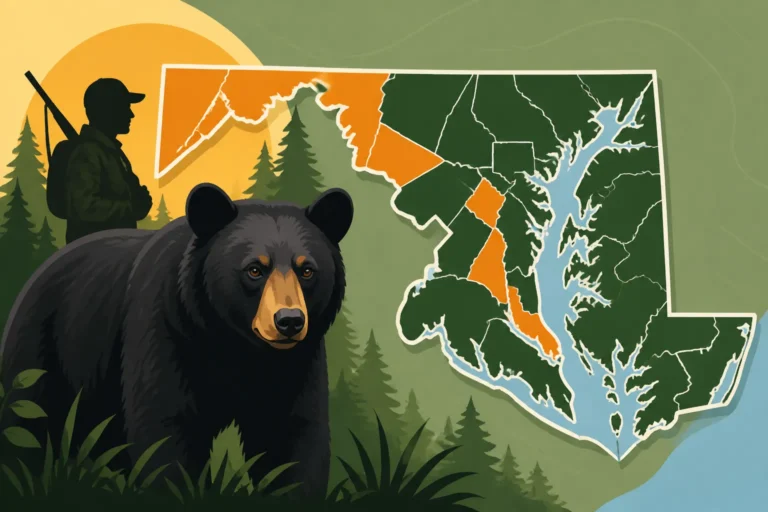
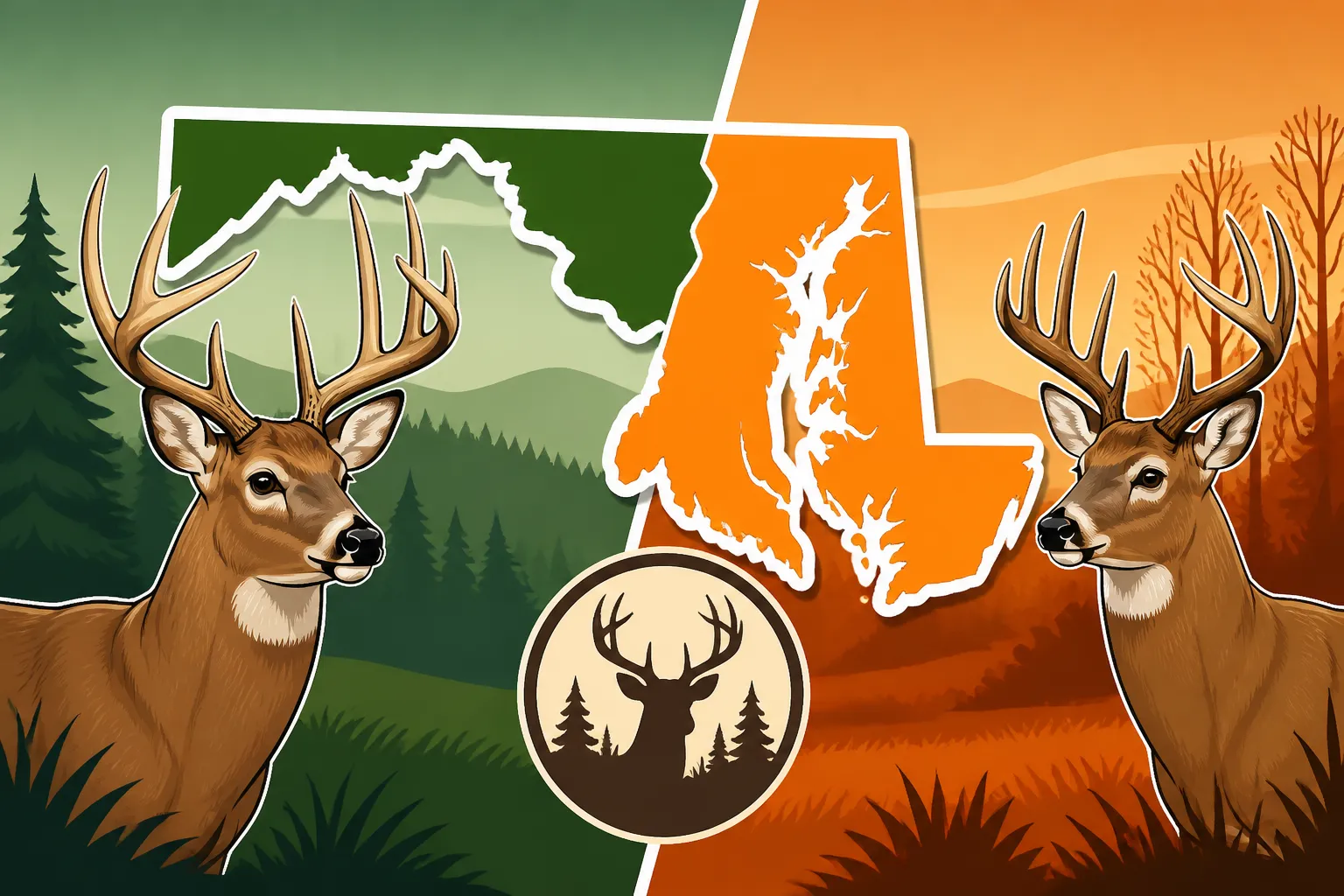
Understanding where one region ends and the other begins is absolutely crucial for any deer hunter in Maryland. The dividing line isn't just an arbitrary squiggle on a map; it follows natural and man-made boundaries that are relatively easy to identify. Generally speaking, Region A encompasses the mountainous, more heavily forested counties of Western Maryland, while Region B covers the rest of the state, including the agricultural lands of the Eastern Shore, Southern Maryland, and the central Piedmont region, stretching all the way to the suburban fringes.
Specifically, the counties that fall into Region A are Garrett, Allegany, and Washington counties. This trio of counties forms the westernmost part of Maryland, characterized by its Appalachian ridges and valleys, extensive state forests like Savage River State Forest and Green Ridge State Forest, and smaller agricultural plots nestled between timberlands. The rest of Maryland's 20 counties are designated as Region B. This distinction is critical because the rules for bag limits, season lengths, and even how you manage your antlered deer tags can differ significantly depending on which side of the line you're hunting. If you're planning a hunt, checking Which Maryland Counties Fall in Region A can give you a clear visual. It's always a good idea to double-check county lines, especially if you hunt near the borders of these regions, to ensure you're always in compliance with the local regulations.
The Basic Philosophical Differences
At its heart, the difference between Region A and Region B reflects two distinct management philosophies driven by the ecological and social landscapes of each area. Region A, with its larger tracts of public forest and historically lower deer densities, generally operates under a more conservative management approach. The goal here is often to maintain a healthy, stable deer population, providing quality hunting experiences without necessarily focusing on aggressive population reduction. The habitat in these western counties is often less productive for deer than the rich agricultural areas to the east, and deer populations tend to grow more slowly.
Region B, on the other hand, faces higher deer populations, more intensive agriculture, and greater suburban expansion. Here, the management philosophy leans towards population control. Deer in Region B thrive on the diverse food sources provided by farms and suburban landscaping, leading to higher numbers and increased potential for agricultural damage, deer-vehicle collisions, and impacts on forest regeneration. Therefore, Region B regulations are designed to facilitate a higher harvest, particularly of antlerless deer, to keep the population in check and mitigate these human-wildlife conflicts. This distinction informs everything from bag limits to season lengths, making it vital for hunters to understand the underlying goals for each region.
Diving Deep into Region B Deer Rules
When most people think of deer hunting in Maryland, they're often thinking about Region B. This vast area covers the majority of the state and includes the highly productive farmlands and suburban woodlots that support thriving deer populations. As such, the rules in Region B are generally designed to encourage a higher overall harvest, especially of antlerless deer, to manage the herd effectively.
Antlerless Opportunities and Bag Limits
One of the most defining characteristics of hunting in Region B is the generous opportunity for harvesting antlerless deer. For hunters in Region B, the emphasis is heavily placed on managing the female segment of the deer population, which is the primary driver of herd growth. Maryland offers substantial antlerless bag limits, often allowing hunters to take multiple antlerless deer per season using various weapons, including archery, muzzleloader, and firearms. For instance, an individual hunter, often with the appropriate stamps, can typically harvest a good number of antlerless deer during the regular archery season alone, which provides ample opportunity to fill the freezer and contribute to herd management.
The reasoning behind these liberal limits is straightforward: to prevent overpopulation. High deer densities can lead to overbrowsing of forests, which impacts other wildlife and future timber growth, and it certainly doesn't make farmers happy when deer are munching their crops. Plus, the risk of deer-vehicle collisions escalates significantly in densely populated areas. By encouraging the harvest of does, the state helps keep the population in balance with the available habitat and reduces negative interactions with humans. It's a critical tool in managing deer in an agricultural and suburban landscape. You can find more specific details on How Many Antlerless Deer Region B Allows directly from the Maryland DNR website or hunting guide.
Antlered Deer Regulations in Region B
While antlerless opportunities are plentiful, antlered deer regulations in Region B aim to manage the buck population in a way that supports a healthy age structure while still providing ample hunting chances. The most significant rule here, and one that often generates a lot of discussion among hunters, is Maryland's "three-point antler restriction." This rule states that an antlered deer, to be legally harvested, must have at least three points on one antler. A "point" is defined as any projection of antler at least one inch long. This rule is designed to allow younger bucks (often 1.5-year-olds) to survive another year, theoretically leading to an older age structure and potentially larger-antlered bucks in the herd.
However, it's not quite that simple, and Maryland DNR understands that. There are nuances to this rule, including the "bonus antlered deer stamp" which allows a hunter to take an additional antlered deer beyond their regular tag, often with specific timing or weapon restrictions. Furthermore, there's a vital exception: hunters are generally allowed to harvest one antlered deer per license year that does not meet the three-point rule, essentially providing an "any buck" tag. This exception often applies to your initial statewide antlered deer tag. This helps accommodate hunters who might encounter a younger buck and prefer to harvest it, or those simply looking to fill a tag. For more on this, you'll definitely want to read up on Maryland's Three-Point Antler Restriction and also Why One Buck Can Skip the Three-Point Rule to ensure you're squared away on all the details.
Sunday Hunting and Extended Seasons
Maryland has made significant strides in recent years to expand hunting opportunities, and this is particularly evident in Region B with its more liberal Sunday hunting rules and extended seasons. For a long time, Sunday hunting was a highly restricted activity in Maryland, limited to certain counties or specific scenarios. However, the landscape has changed, and most counties in Region B now permit Sunday deer hunting, albeit often with specific hours or weapon restrictions. This expansion acknowledges the reality that many hunters have limited time during the week and that Sunday provides a crucial extra day in the woods, further aiding in herd management.
Beyond Sundays, Region B often boasts longer hunting seasons across all weapon types compared to Region A. The archery season, for instance, is famously long, running from early September well into January, with a split firearms season in between. This extended timeframe provides maximum opportunity for hunters to get out, scout, and successfully harvest deer. This longer season, combined with Sunday hunting opportunities, is a direct reflection of the state's efforts to manage the robust deer population in Region B. Always check the current hunting guide for specific county rules and dates, as these can sometimes vary or be adjusted year to year. Knowing the specifics about Maryland Sunday Hunting Rules by County is essential before you head out.
Navigating Region A Deer Rules
Venturing westward into Maryland's Region A offers a different kind of hunting experience, largely due to a more conservative approach to deer management. The rugged terrain, extensive public land, and lower deer densities here shape the rules, making it crucial for hunters to understand these distinctions before planning their trip to Garrett, Allegany, or Washington counties.
The More Conservative Approach to Antlerless Deer
In stark contrast to Region B, antlerless deer opportunities in Region A are considerably more restricted. While still available, the bag limits for antlerless deer are typically much lower, often limited to one or two per season, depending on the weapon type and specific permit requirements. This conservative stance reflects the differing ecological conditions of Western Maryland. The mountainous, heavily forested habitat generally supports a naturally lower deer density, and the deep snows of winter can be a significant limiting factor for herd survival.
The goal in Region A isn't aggressive population reduction, but rather the maintenance of a stable, healthy herd that aligns with the carrying capacity of the land. Over-harvesting does in these areas could quickly lead to a decline in the overall deer population, impacting future hunting opportunities. Therefore, hunters in Region A need to be much more mindful of their antlerless tags and prioritize their harvest carefully. It’s a completely different mindset from the more liberal limits you find in the rest of the state, requiring careful planning and adherence to the specific rules outlined in the annual hunting guide.
Antlered Deer in Region A
When it comes to antlered deer, Region A generally follows the same statewide three-point antler restriction rule as Region B. This means that, for most of your antlered tags, the buck you intend to harvest must have at least three points on one antler. This rule is applied consistently across both regions, reflecting a statewide goal of allowing younger bucks to mature.
However, similar to Region B, hunters in Region A also typically have one "any buck" tag per license year that allows them to harvest an antlered deer regardless of the three-point rule. This is usually tied to your initial statewide antlered deer tag. While the core antler restrictions are the same, hunters in Region A might find fewer opportunities for "bonus" antlered deer tags or special permits compared to Region B, further reinforcing the conservative management philosophy. It's not about prohibiting buck harvest, but rather about managing it thoughtfully within the context of a less dense deer population and different habitat dynamics. Always double-check the current year's regulations to confirm exact tag structures, especially if you're traveling from Region B to hunt in Region A.
Specific Season Dates and Weapon Restrictions
Another key differentiator for Region A hunters involves specific season dates and, in some cases, weapon restrictions. While the archery season is still quite long, encompassing much of the fall and winter, other seasons, particularly firearms, may have slightly shorter durations compared to their Region B counterparts. For instance, the muzzleloader season might run for a slightly different timeframe or have fewer days. These adjustments again tie back to the conservative management strategy, aiming to reduce overall harvest pressure.
Furthermore, hunters need to be hyper-aware of legal weapons by county. While many parts of Maryland are open to modern centerfire rifles for deer hunting, some counties, even within Region B, still have restrictions like "shotgun-only" zones. However, in the mountainous terrain of Region A, centerfire rifles are generally permitted, which is a major draw for many hunters. Even so, it's vital to check the specific county regulations you plan to hunt in, as even within a region, local ordinances or public land rules can sometimes impose additional restrictions. Always consult Maryland Legal Deer Rifles by County to ensure you're carrying a legal firearm for your hunt location. This level of detail is why a robust mapping tool like GoHunt can be invaluable, helping you verify boundaries and specific regulations overlaid on the terrain.
Practical Implications for Maryland Hunters
Understanding the Region A and Region B rules isn't just about memorizing facts; it's about translating that knowledge into practical decisions for your hunting season. From how you plan your trips to what gear you bring and how you manage your hard-earned tags, these regional distinctions play a significant role.
Planning Your Hunt Across Regions
For many Maryland hunters, the deer season isn't confined to a single county or even a single region. You might have access to private land on the Eastern Shore (Region B) and also enjoy the challenge of hunting public land in Western Maryland (Region A). Successfully navigating both regions requires careful planning and a deep understanding of the regulations. Firstly, you'll need to purchase the appropriate licenses and stamps. Maryland has a clear system for Maryland Hunting Licenses and What They Cost, but understanding which stamps are required for antlered versus antlerless deer, and whether they are region-specific, is vital.
When planning to hunt both regions, you need to be acutely aware of your statewide bag limits. For example, if you harvest your one "any buck" tag in Region B, you cannot then shoot another non-three-point buck in Region A, even if you still have an antlered tag left. Your overall antlered deer bag limit applies statewide, regardless of the region where you harvested it. The antlerless limits, however, are often defined by the region and specific permits. Using a robust mapping system like the one offered by GoHunt can be incredibly helpful here. You can usually overlay public land boundaries, parcel lines, and even mark regional divides to visually confirm you're in the right place and adhering to the correct rules. This kind of preparation helps prevent accidental violations and ensures a smooth, legal hunting experience.
Gear and Strategy Adjustments
The distinct characteristics of Region A and Region B demand different hunting strategies and, at times, different gear. In Region B, particularly in the agricultural and suburban areas, deer often move between dense cover and food sources like crop fields or residential landscaping. Your strategy might involve Hanging a Stand on a Maryland Farm Edge, focusing on choke points, or utilizing grunt calls in Maryland hardwoods during the rut. Given the high deer density, tracking can be crucial, but usually in more open terrain.
Conversely, hunting in Region A, with its rugged, expansive forests, often calls for a more physically demanding approach. Still-hunting vast timber tracts, covering ground to locate sign, or focusing on natural funnels between mountain ridges might be your primary tactics. The gear you bring can also reflect these differences. While a climber stand might be perfect for a Region B woodlot, a lightweight hang-on stand or simply hunting from the ground might be more appropriate for the mobile, exploratory style of hunting common in Region A. Additionally, colder temperatures and potential snow in Western Maryland mean you'll need more robust insulation and waterproof gear. Scouting Maryland Public Land Before Season becomes even more critical in Region A, where deer densities are lower and finding fresh sign is paramount.
License and Tag Management
Managing your Maryland hunting licenses and deer tags can feel like a full-time job, especially when you're jumping between regions. The first step, of course, is purchasing your basic hunting license, which typically covers your primary antlered and antlerless tags. However, beyond that, things can get specific. You might need to purchase additional "Bonus Antlered Deer Stamps" for extra bucks or specific antlerless permits for certain seasons or public lands. It's not uncommon for hunters to have multiple stamps and permits that dictate what they can harvest and where.
Keeping track of your tags is paramount. Most modern systems, like Maryland's COMPASS portal, allow you to manage your licenses and register your deer electronically. Immediately after harvesting a deer, you're required to register it within a specific timeframe, typically 24 hours. This process generates a confirmation number, which must remain with the deer until it is processed. This system helps the DNR track harvest data by region, weapon, and sex, providing valuable information for future management decisions. Familiarize yourself with Registering a Maryland Deer by Phone or App to ensure you're prepared. Ignoring these regulations, even by accident, can lead to fines and legal trouble, so staying organized and informed is key.
| Feature | Region A (Garrett, Allegany, Washington) | Region B (Rest of State) |
|---|---|---|
| Antlerless Bag Limit | More conservative (e.g., 1-2 per season) | More liberal (e.g., multiple per season) |
| Antlered Deer Rule | 3 points on one antler (statewide rule) | 3 points on one antler (statewide rule) |
| "Any Buck" Exception | 1 per license year (statewide) | 1 per license year (statewide) |
| Sunday Hunting | Varies by county, often restricted | Generally allowed, often with specific hours/weapon rules |
| Firearms Season | Potentially shorter season dates | Generally longer season dates |
| Weapon Types | Generally allows centerfire rifles | Varies by county; some areas shotgun/straight-wall cartridge only |
| Deer Population | Lower density, naturally slower growth | Higher density, robust growth |
| Management Focus | Maintain healthy, stable population | Population control, mitigate human-wildlife conflict |
Frequently Asked Questions and Common Misconceptions
Despite all the information available, the regional deer rules in Maryland can still leave hunters scratching their heads. Let's tackle some of the most common questions and clear up a few persistent misconceptions.
"Can I use a Region B tag in Region A?"
This is a really common question, and it highlights a fundamental misunderstanding some hunters have about how tags and regions interact. The short answer is: generally, no, not directly in the way you might be thinking. When you purchase your Maryland hunting license and associated deer stamps, you receive tags that are often "statewide" for antlered deer, but the antlerless tags, particularly those for specific zones or management areas, can be quite regional or even site-specific.
Your statewide antlered deer tags (which usually include your "any buck" tag and any bonus antlered tags) are typically valid in either Region A or Region B. The key is that your statewide bag limit for antlered deer applies no matter where you harvest them. So, if you've harvested your maximum number of antlered deer for the year, you cannot take another, regardless of the region.
However, antlerless tags are where the regional differences become most pronounced. Antlerless permits often specify the county or region where they are valid. For example, an antlerless tag that applies to a certain management area in Dorchester County (Region B) cannot be used to harvest a doe in Garrett County (Region A). You must use the appropriate antlerless tags for the region you are hunting in, adhering to those region's specific bag limits. Always check the official Maryland hunting guide for the current year, as these rules can have subtle changes.
Understanding the Three-Point Rule's Exceptions
The three-point antler restriction is a defining feature of Maryland deer hunting, and it's probably the rule that causes the most confusion and debate. The rule states that, with certain exceptions, an antlered deer must have at least three points on one antler to be legal to harvest. A point, as previously mentioned, must be at least one inch long. This rule is designed to allow yearling bucks (1.5 years old) to survive and potentially grow into larger, more mature deer, theoretically improving the overall age structure and trophy potential of the herd.
However, there are crucial exceptions that every Maryland deer hunter needs to know. The most significant one, and one that trips many people up, is that one antlered deer per license year can be harvested without meeting the three-point rule. This is often referred to as your "cull buck" or "any buck" tag, and it's typically tied to your regular statewide antlered deer tag. This means you can, for instance, shoot a spike or a fork-horn as your first buck of the season, regardless of the three-point restriction. After that, any subsequent antlered deer you attempt to harvest must meet the three-point rule.
Other exceptions also exist for specific groups. Junior hunters, for example, often have more liberal antler restrictions or are exempt from the three-point rule, encouraging youth participation. Similarly, hunters participating in the Apprentice Hunting Program may also have different rules. It's critical to understand these nuances. Reading Why One Buck Can Skip the Three-Point Rule will give you a detailed breakdown of these exceptions, ensuring you're confident in the field.
Why Some Counties Have Different Rules Even Within a Region
You might think that once you understand Region A and Region B, you've got all the rules down pat. But wait, there's another layer! Even within a single region, particularly Region B, individual counties can have unique regulations, most notably concerning legal weapons for deer hunting. While many parts of Maryland allow modern centerfire rifles, there are still counties, especially those closer to metropolitan areas or with higher population densities, where deer hunting with rifles is restricted.
For example, some counties like Anne Arundel, Baltimore, Harford, Howard, Montgomery, and Prince George's counties, among others, may only allow shotguns, muzzleloaders, or specific straight-walled cartridge rifles for deer hunting during the firearms seasons. These restrictions are often a safety measure, aimed at reducing the risk of projectiles traveling long distances in more populated or developed areas. These county-specific rules override the broader regional allowance.
Additionally, certain public lands, even within counties that allow rifles, might have their own specific weapon restrictions or require special permits. State parks and certain Wildlife Management Areas (WMAs) sometimes have more conservative rules than the surrounding private land. The only way to be absolutely sure is to consult the most current Maryland Hunting & Trapping Guide published by the Maryland Department of Natural Resources (DNR) and check the specific county and public land rules for your intended hunting area. An excellent online resource for this is a mapping app like GoHunt, which often integrates these specific regulations directly onto property maps, making it easy to identify where certain weapons are permitted or restricted. It's a layer of complexity, but one that is absolutely vital for safe and legal hunting.
Disclaimer
The information provided in this guide is for general informational purposes only and is not intended as legal advice. Hunting regulations in Maryland are subject to change, and county-specific rules can vary. Always consult the most current Maryland Department of Natural Resources (DNR) Hunting & Trapping Guide and local ordinances before engaging in any hunting activities. It is the hunter's responsibility to know and abide by all applicable laws and regulations.