Why One Buck Can Skip the Three-Point Rule
It can be incredibly frustrating to be out in the Maryland woods, see a legal antlered deer, but then hesitate because you’re trying to count points under pressure, unsure if it meets the state's antler restriction. Many hunters, especially those new to Maryland or coming from states without such rules, struggle with the specific regulations. This guide will clarify Maryland's unique "one buck" exception to the three-point antler rule, helping you understand precisely when and how you can harvest a buck that might not traditionally meet the standard antler criteria.
Understanding Maryland's Three-Point Antler Rule
Maryland's deer hunting regulations, particularly concerning antlered deer, can feel a bit complex at first glance. The most talked-about rule is often the "three-point antler restriction," which aims to manage the deer herd effectively. It's designed to promote older, more mature bucks within the population, but it's important to know the nuances before you head into the field.
The Logic Behind the Rule
The core idea behind the three-point antler rule, often shortened to the "3-point rule," is pretty straightforward: let young bucks grow. By requiring an antlered deer to have at least three points on one antler (excluding the brow tine), the Maryland Department of Natural Resources (DNR) helps ensure that a significant portion of yearling bucks (typically 1.5 years old) survive to a more mature age class. Yearling bucks often only sport spikes or small forked antlers. Without this rule, many of them would be harvested, leading to a younger overall buck population with smaller antlers. This strategy, implemented across much of the state, supports a healthier herd age structure, potentially leading to larger-bodied deer and more impressive racks for those patient enough to let them walk. It's about long-term herd management and improving the quality of the hunting experience over time.
How to Count Points
Counting antler points in the heat of the moment can be challenging, even for seasoned hunters. Maryland's definition of a point is crucial: it must be at least one inch long, measured from its tip to the nearest edge of the main beam. Crucially, the brow tine is not included when determining if an antler has three points for the restriction. So, if a buck has a brow tine and two other points on one side, that counts as three points. If it has a brow tine and just one other point, that side only counts as two. You only need one side to meet the three-point minimum for the buck to be considered legal under the general rule. This attention to detail is why many hunters spend time studying antler configurations and practicing quick assessments before the season begins. Knowing exactly how to count points before you're staring down a deer can save you a lot of grief and prevent an illegal harvest. You can read more about the specifics in our guide on Counting Antler Points Before You Shoot.
The "One Buck" Exception Explained
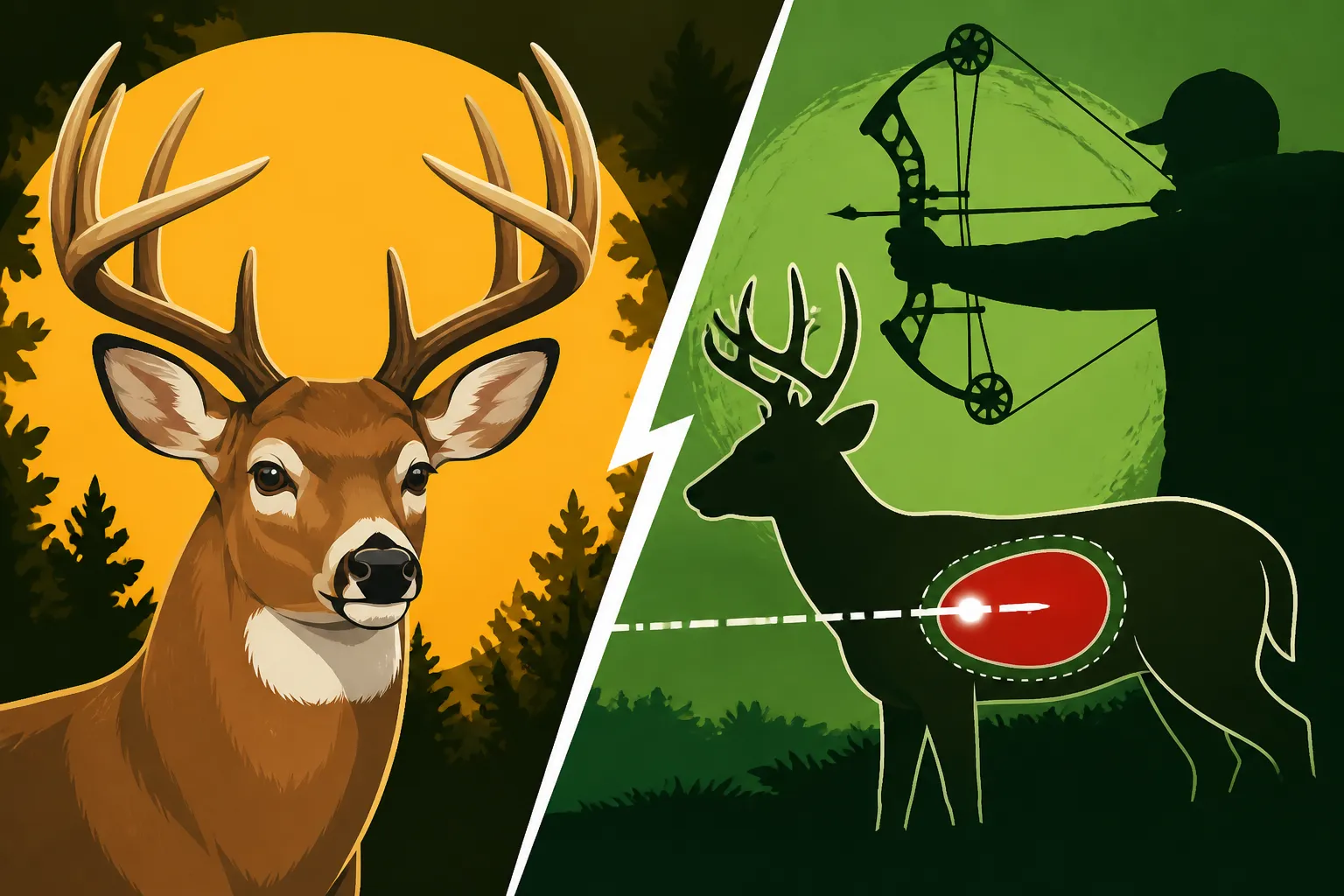
Here's where many hunters find a bit of relief and flexibility within Maryland's antler regulations. While the three-point rule is generally in effect for most antlered deer harvested, the state wisely provides an exception that allows hunters to take one "unrestricted" antlered deer per license year. This means you have the option, for one buck, to bypass the three-point minimum.
Your Choice of an Unrestricted Buck
This "unrestricted" buck is sometimes referred to as your "hunter's choice" buck because you get to decide when and how to use this special tag. Every hunter who purchases a base hunting license and the necessary deer stamps in Maryland receives an opportunity for one antlered deer without the three-point restriction. This is a significant detail, especially for hunters who might see a beautiful spike or a small forked buck they'd be proud to take, but which doesn't meet the general rule. It's your personal allowance to harvest a buck that might be younger or simply has a unique antler configuration that doesn't fit the 3-point criteria. This option recognizes that not every hunter is solely focused on trophy antlers, and it provides flexibility for those who prioritize other aspects of the hunt, like introducing a new hunter or simply filling the freezer. It ensures that if you see that perfect "meat buck" or a small deer on your last day, you still have a chance. This rule essentially means that you always have at least one valid antlered deer tag that is good for any antlered deer, regardless of points. This is separate from any additional bonus antlered deer stamps you might purchase, which would then fall under the three-point rule.
Season and Weapon Considerations
The beauty of this "one buck" exception is its versatility across the various hunting seasons in Maryland. Whether you're bowhunting in the early season, carrying a shotgun during firearms season, or using a muzzleloader, this unrestricted buck tag applies.
For instance, during Maryland Archery Season Opening Day in September, if you're out and about and a beautiful two-point buck steps into your shooting lane, you can elect to use your unrestricted tag on that animal. The same holds true for the general Maryland Firearms Season Opening Day in November or during the specific Maryland Muzzleloader Season Dates. It doesn't matter what weapon you're using, or which specific season you're hunting within; the "one buck" exception is tied to your individual hunting license year, not a particular method or time frame.
This flexibility is great for planning. Perhaps you want to save your unrestricted buck tag for a specific scenario – maybe you're really hoping for a mature deer during the rut and want to pass on smaller bucks, but know you have that unrestricted tag as a fallback. Or maybe you're introducing a new hunter during one of the Junior Deer Hunt Days and Who Qualifies and want them to have the best chance at success, regardless of antler size. This rule gives you that strategic advantage. Just remember, once you use that "unrestricted" tag, any subsequent antlered deer must meet the three-point minimum if you have additional antlered tags, or if you're in an area where special deer management rules might apply, such as certain suburban hunts.
Practical Application and Planning Your Hunt
Understanding the "one buck" rule is one thing, but knowing how to apply it practically in the field is another. This is where experience, patience, and good scouting come into play.
Making the Decision in the Field
Imagine you're tucked into your stand on a crisp October morning, enjoying the peaceful quiet. Suddenly, a small buck, maybe a spike or a fork horn, steps out into a clearing. It's a clean shot, and you know it's a legal antlered deer, but it clearly doesn't have three points on one side. This is precisely the moment when you engage your "one buck" decision. Do you take it? If you've already harvested a three-point-or-better buck, then the answer is no, you must let this one walk (unless it's an antlerless deer). But if this is your first antlered deer of the season, and you still have your unrestricted buck tag available, you can choose to harvest it.
This decision often boils down to your personal hunting goals for the season. Are you primarily focused on filling the freezer? A smaller buck can provide excellent venison. Are you hoping for a trophy, but the season is winding down, and this might be your only shot at an antlered deer? The unrestricted buck option gives you that flexibility. It's about weighing your opportunities and priorities in real-time. Sometimes, passing on a smaller buck to hold out for a larger one can be a tough call, especially if it means potentially going home empty-handed. The "one buck" rule provides a safety net, allowing you to harvest an antlered deer you’re proud of, even if it’s not a record book animal. Many hunters reserve this tag for late in the season, during the January Firearms Reopening, when opportunities might be fewer and far between.
Utilizing Scouting Tools
Smart hunting isn't just about what happens in the stand; it starts long before the season even opens. Scouting is paramount, and modern tools can make a huge difference, especially when strategizing how to use your "one buck" tag. Services like GoHunt provide invaluable resources for hunters to better understand their hunting areas. You can use aerial imagery to identify bedding areas, food sources, and travel corridors, helping you predict where deer, including those smaller bucks, might be moving.
For example, if you're targeting a specific public land area, perhaps during Scouting Maryland Public Land Before Season, GoHunt's mapping layers can show you property boundaries, topography, and even recent satellite imagery to spot clear-cuts or standing water that might attract deer. This can help you decide if a particular area has a higher likelihood of producing a three-point buck or if it's an area where you might more readily encounter a smaller deer that you'd use your unrestricted tag on. Whether you're exploring new ground or familiar territory, leveraging GoHunt to analyze terrain, pinpoint potential stand locations, and understand deer movement patterns can drastically improve your odds. It helps you make informed decisions about when and where to deploy your unrestricted buck tag most effectively. Many hunters also use such tools to identify suitable entry and exit routes, minimizing disturbance, a crucial factor when targeting deer that might otherwise be pressured.
Registering Your Deer Under the Exception
So, you’ve made the shot, and your unrestricted buck is on the ground. Congratulations! But the hunt isn't over until you’ve properly registered your deer. Maryland has clear guidelines for this, and it’s critical to follow them to avoid any issues.
The Registration Process
Once you’ve harvested your deer, regardless of whether it met the three-point rule or was your "one buck" exception, the registration process is the same. You must register your deer within 24 hours of harvest. The most convenient ways to do this are either online through the Maryland DNR COMPASS portal or by phone. When you register, you’ll be asked to provide details about your license, the date and time of harvest, the county, and the species (white-tailed deer or Sika deer). For antlered deer, you'll also indicate if it was an antlered deer, and the system automatically tracks your tags, including your unrestricted buck.
The system will then issue you a confirmation number, which is your proof of legal harvest. Make sure to record this number, as it’s essential for transporting the deer and for any subsequent processing. Even if you're taking advantage of the "one buck" exception, you don't need to specify that during registration; the system is designed to manage your available tags and automatically deducts the correct one. The key is to simply declare it as an antlered deer, and the system handles the rest, knowing you have one antlered deer tag that is unrestricted. You can find more details in our guide on Registering a Maryland Deer by Phone or App.
Avoiding Common Mistakes
The biggest mistake hunters make regarding this exception is simply not understanding it. Some hunters might mistakenly believe that all antlered deer they harvest must meet the three-point rule, leading them to pass on legal bucks they could have taken. Conversely, some might incorrectly assume they can take any number of bucks that don't meet the rule, which is also false. Remember, it's one unrestricted buck per license year.
Another common pitfall is miscounting points in the field, leading to an illegal harvest if you've already used your unrestricted tag. Always be certain of your target and its antler configuration before pulling the trigger, especially if you're going for a second or third buck under the standard three-point rule. Also, failing to register your deer within the 24-hour window is a serious violation that can result in fines and penalties. Always double-check your license and stamp requirements beforehand; our article on Maryland Hunting Licenses and What They Cost can help clarify this. Proper preparation, understanding the rules, and careful execution are the hallmarks of a responsible and successful hunt in Maryland.
Here's a quick reference to help you keep things straight:
| Rule Aspect | Description | Application |
|---|---|---|
| Three-Point Rule | Antlered deer must have at least 3 points, one inch long, on one antler (excluding brow tine). | Applies to all antlered deer harvested, except your single unrestricted buck. |
| "One Buck" Exception | One antlered deer per license year may be harvested regardless of point count. | This is your "hunter's choice" buck, allowing for spikes or smaller forks. |
| License Year | The period from August 16 to August 15 of the following year. | Your "one buck" exception resets with each new license year. |
| Registration | All harvested deer must be registered within 24 hours via phone or online. | You do not specify "unrestricted" during registration; the system tracks your tags. |
| Impact on Herd | Encourages younger bucks to grow, supporting a healthier age structure. | Offers hunter flexibility while still promoting overall deer management goals. |
Navigating Maryland's Diverse Deer Zones
Maryland is a state of varied landscapes, from the mountains of the west to the tidal marshes of the Eastern Shore. With these diverse habitats come different deer populations and, sometimes, slightly varied hunting regulations. Understanding how these regional differences might interplay with the three-point rule and your "one buck" exception is key to a successful hunt.
Region A vs. Region B Considerations
Maryland is primarily divided into two deer management regions: Region A and Region B. These regions have distinct deer populations, habitat types, and consequently, different bag limits and sometimes specific regulations. Region A, encompassing the westernmost counties, typically has fewer deer and more expansive, mountainous timberland. Region B covers the rest of the state, including the heavily populated central areas, the flat farmlands, and the marshy Eastern Shore, where deer numbers are generally much higher.
While the "one buck" exception applies statewide, regardless of whether you're hunting in Region A or Region B, the overall deer management goals for these regions might subtly influence your strategy. For instance, in Region B, where deer populations are robust and antlerless harvest is often encouraged to control numbers, you might feel more inclined to pass on smaller bucks, knowing you have plenty of opportunities for antlerless deer, and that your second antlered tag will need to meet the 3-point rule. Conversely, in Region A, where deer can be harder to come by, you might be more strategic about using your unrestricted buck tag on the first legal antlered deer you encounter, regardless of its size, knowing that opportunities might be limited. Our detailed guide on Hunting Maryland's Two Deer Management Regions offers more insight into these distinctions.
Special Management Areas and Permits
Beyond the general Region A and B classifications, Maryland also has specific areas with unique deer management programs. These can include suburban deer management hunts, often in state parks or local municipalities, as well as controlled hunts on federal lands like Blackwater National Wildlife Refuge. While these hunts often have their own application processes and specific rules, the "one buck" exception typically still applies to your statewide antlered deer bag limit.
However, always double-check the specific regulations for any special permit hunt you participate in. Sometimes, these hunts might have different antler restrictions or require the use of specific tags not directly tied to your general hunting license. For example, some managed hunts might allow for an "any deer" harvest, but that doesn't necessarily mean it counts as your statewide unrestricted buck tag. Using a platform like GoHunt can be incredibly useful here, as it often integrates public land boundaries and sometimes even permit hunt information, helping you stay informed about localized rules that might impact your decision to use your unrestricted buck tag. Being aware of these localized rules ensures you're always hunting legally and ethically, making the most of your time in the field, whether you're in a heavily hunted area or a secluded mountain hollow.
Disclaimer
Always consult the most current Maryland Department of Natural Resources (DNR) hunting regulations before heading afield. Hunting laws and regulations can change, and it is the hunter's responsibility to stay informed and compliant. This article is intended for informational purposes only and should not be considered legal advice.