Deer Management Permits for Farm Damage
If you're a landowner, especially a farmer or someone managing a substantial piece of property in Maryland, you've likely experienced the soul-crcrushing frustration of deer damage. It's not just a minor nuisance; it can devastate crops, landscaping, and even timber, leading to significant financial losses and endless headaches. This guide is here to walk you through Maryland's Deer Management Permit (DMP) program, a crucial tool designed to help landowners mitigate these impacts and protect their livelihood.
Understanding Deer Management Permits
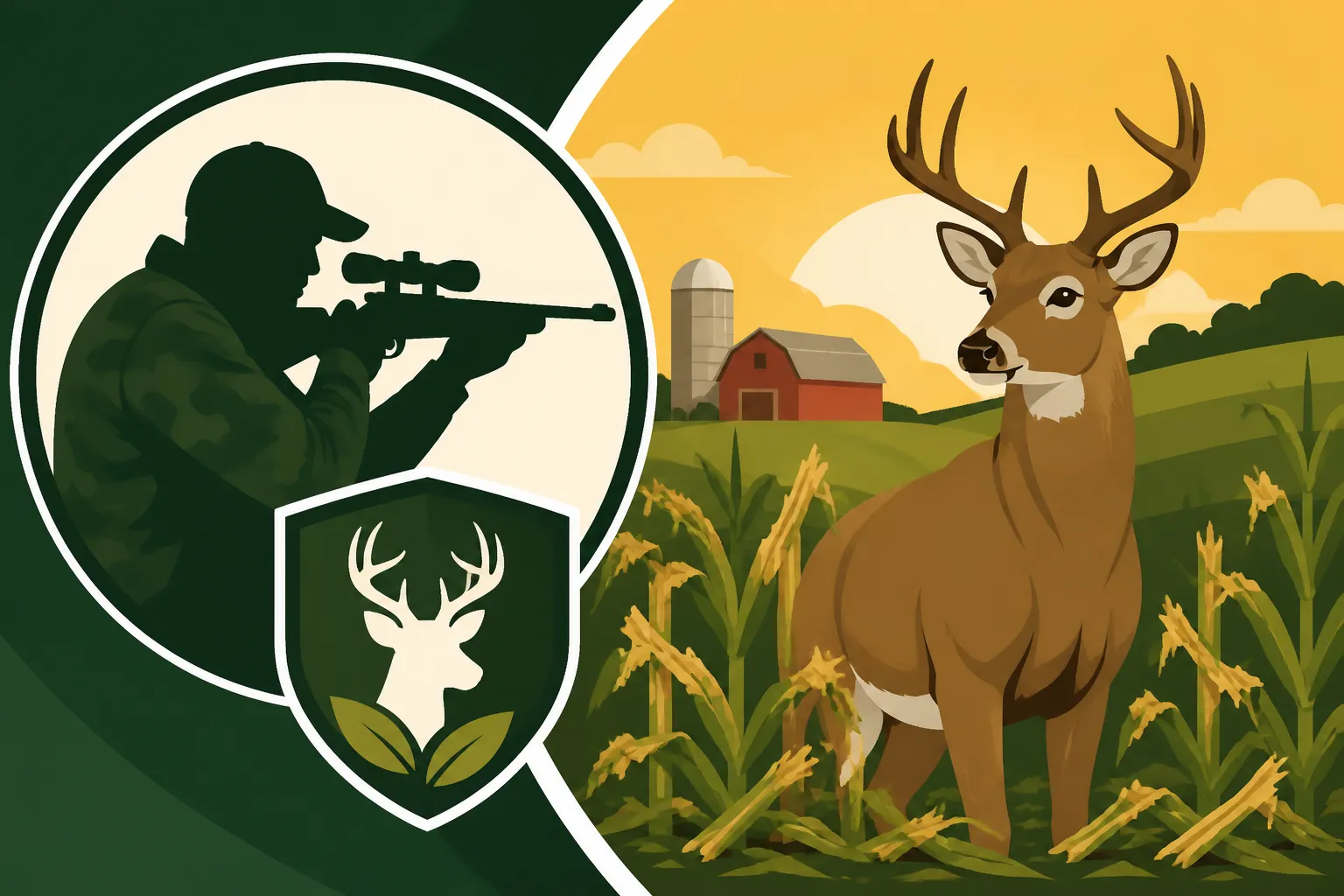
Deer are beautiful animals, no doubt about it. But when their population surges in certain areas, the balance shifts, and they can become a serious problem for agricultural operations and private property. Maryland's deer herd, particularly the white-tailed deer, has thrived, often to the point where they are causing substantial damage to crops, orchards, timber stands, and even suburban gardens. This isn't just about a few nibbled plants; we're talking about entire fields of corn being decimated, young fruit trees stripped bare, or valuable timber species unable to regenerate.
The Maryland Department of Natural Resources (DNR) recognizes this profound challenge. That's where Deer Management Permits (DMPs) come into play. These permits are not just another hunting license; they are a targeted management tool specifically designed for landowners who are experiencing significant deer damage on their property. The intent behind DMPs is to allow for the removal of deer outside of, or with modified regulations during, the regular hunting seasons to alleviate property damage, protecting agricultural interests and maintaining ecological balance where deer populations are overabundant. It's a pragmatic solution for a very real, very costly problem that many folks face year after year.
The Purpose Behind DMPs
Let's be clear: DMPs aren't just for casual deer removal. They are issued with a specific goal in mind: to reduce or prevent damage caused by deer. Think of it as a crucial line of defense for a farmer whose entire year's income could be jeopardized by a persistent deer herd. The DNR understands that traditional hunting seasons, with their specific dates, weapon restrictions, and bag limits, might not be sufficient to address severe, ongoing damage. For instance, if you have deer habitually ravaging your soybean field in July, waiting until the archery season opens in September, or even later for Maryland's Split Firearms Deer Season, simply isn't an option. The damage will already be done.
DMPs provide the flexibility needed to address these situations. They allow landowners, or their designated agents, to take deer when and how it's most effective for preventing damage, often outside conventional hunting parameters. This could mean taking deer during closed seasons, using different weapon types than typically allowed for that time of year, or exceeding standard bag limits. The focus is entirely on management and damage control, ensuring that those who bear the brunt of overpopulation have a practical means to protect their investments and way of life. It’s a recognition that wildlife management needs to be adaptable to real-world impacts.
Who Qualifies for a DMP?
This isn't a free-for-all; there are specific criteria to ensure DMPs are used appropriately and only where genuinely needed. Generally, DMPs are issued to landowners, or their authorized agents, who own or manage property experiencing substantial deer damage. This means you can't just apply because you saw a deer eating your azaleas once. The DNR needs to see evidence of significant damage. This usually involves commercial agricultural operations, timber growers, or large private landowners whose properties are under genuine threat from deer overpopulation.
The size of the property is also a consideration, as smaller residential lots typically don't qualify unless they're part of a larger agricultural enterprise. The DNR will assess the extent of the damage, the type of property, and the history of deer problems. They want to make sure these permits are going to the folks who truly need them for serious management efforts, not just for recreational hunting or minor issues. It’s a process that ensures accountability and addresses the most pressing issues of deer damage.
The Application Process for Deer Management Permits
Navigating government permits can sometimes feel like trying to find your way through a thicket without a compass. But for Deer Management Permits, the process, while requiring attention to detail, is quite straightforward once you understand the steps. It's all about demonstrating a genuine need and providing the necessary information to the Maryland DNR. Remember, these permits are a privilege, not a right, and they require proper application and adherence to rules.
Eligibility Requirements and Property Assessment
Before you even think about filling out paperwork, you need to ensure your property and situation meet the basic eligibility requirements. As mentioned, DMPs are typically for commercial agricultural operations, including crop farmers, orchard owners, timber managers, and sometimes large landowners with significant landscaping or property damage issues. The key here is "significant damage." The DNR will often require evidence of this damage, which could include photos, crop yield loss statements, or even a site visit from a DNR wildlife biologist. They want to see that non-lethal deterrents, like fencing or repellents, have been tried or are impractical for the scale of your operation.
The size of your property is also a factor. While there isn't a hard-and-fast acreage minimum across the board, properties generally need to be substantial enough to warrant a management plan. A small backyard garden, unfortunately, won't typically qualify for a DMP. The intent is to address large-scale damage that impacts livelihoods or significant natural resources. It's important to differentiate between general deer nuisance and severe damage that requires population control. This upfront assessment by DNR helps ensure the program's integrity and effectiveness.
Step-by-Step Application Procedures
The application process usually involves contacting your local Maryland DNR wildlife biologist or regional office. They are your primary point of contact and will guide you through the specifics. You can often find contact information on the official Maryland DNR website.
- Initial Contact: Reach out to the DNR to express your interest in a DMP and explain your situation. Be ready to describe the type of damage you're experiencing, the species of deer (usually white-tailed, but sometimes sika deer in specific areas), and the affected acreage.
- Site Visit/Documentation: A DNR official may schedule a site visit to assess the damage firsthand. This is your opportunity to show them the extent of the problem – the chewed-down crops, the stripped saplings, the evidence of deer trails, and feeding patterns. If a site visit isn't feasible, you'll likely need to submit detailed photographic evidence and possibly written statements of loss.
- Application Form Completion: Once your eligibility is confirmed, you'll receive an application form. This form will ask for detailed information about your property, the type of damage, the proposed number of deer to be removed, and the methods you intend to use. You'll also need to identify the individuals who will be taking the deer (the permit holder and any designated agents).
- Permit Issuance: If your application is approved, the DNR will issue a Deer Management Permit. This permit will specify the authorized individuals, the number of deer that can be taken, the allowed weapon types, the effective dates, and any special conditions or restrictions. It's absolutely crucial to read and understand every detail on this permit.
It’s worth noting that using a tool like GoHunt or similar mapping applications can be incredibly helpful during this stage. You can use it to pinpoint exact damage locations, measure acreage, and even identify deer travel corridors on your property, which can be valuable information for the DNR biologist reviewing your application. Having this detailed information ready can streamline the assessment process significantly.
Rules, Regulations, and Reporting for DMP Holders
Getting a Deer Management Permit is just the first step. The real responsibility begins once you have it in hand. These permits come with specific rules and regulations that must be meticulously followed. Ignoring them can lead to serious penalties, not to mention jeopardizing your ability to obtain future permits. It’s all about ethical management and accountability to ensure the program functions as intended.
Seasonality, Weapon Types, and Bag Limits
One of the primary benefits of a DMP is the flexibility it offers outside of standard hunting seasons and limits. However, this flexibility isn't boundless; it's explicitly outlined in your permit. Your DMP will specify the exact dates during which you are authorized to remove deer. This often extends beyond the regular Bowhunting Maryland's Long Archery Season or Muzzleloader Deer Hunting in Maryland dates, allowing you to react to damage as it occurs.
Regarding weapon types, your permit will dictate what you can use. While traditional firearms, bows, and crossbows are common, some DMPs might allow for the use of methods not typically permitted during standard seasons, such as certain airguns or even specific calibers not generally legal for deer in all counties, provided they are deemed appropriate for the situation. It's vital to check your permit for county-specific regulations, as Maryland's Legal Weapons by County can vary, even for DMPs. Always ensure the individuals performing the take are properly licensed and have completed their Maryland Hunter Education Requirements.
Perhaps the most significant difference from regular hunting is the bag limit. DMPs often allow for a higher number of deer to be taken than what's permitted under standard deer regulations, or even an unlimited number, depending on the severity of the damage and the management goals. Again, this will be clearly stated on your permit. Critically, these deer are typically antlerless, as the goal is population control to mitigate damage, not trophy hunting. While Maryland has an Maryland's Deer Bag Limits and Antler Rule for regular season bucks, DMP deer are usually exempt from antler restrictions.
Designated Agents and Public Safety
If you, as the landowner, aren't personally going to take all the deer, your permit allows you to designate agents. These agents could be trusted hunters, family members, or employees who will assist in the deer removal. It is YOUR responsibility as the permit holder to ensure that any designated agent fully understands and complies with all the rules outlined in the DMP. They must also meet all standard hunting license and hunter education requirements. This isn't a way to bypass regulations; it’s a way to expand your capacity to manage the problem effectively.
Public safety is paramount. Even when operating under a DMP, you must adhere to all safety regulations, including setback distances from roads and occupied dwellings. If hunting with firearms, consider the surrounding area and potential for ricochets. If your property is near suburban areas, working with the DNR on a specific safety plan is often a requirement. For instance, properties involved in Hunting Maryland's Suburban Deer Management Hunts face unique challenges and require extra vigilance. Remember, even with a permit, trespassing laws still apply, and you cannot retrieve game from neighboring property without permission, as outlined in Maryland Trespass and Permission Law.
Mandatory Reporting and Carcass Disposal
Accountability is a cornerstone of the DMP program. Every deer taken under a DMP must be reported to the Maryland DNR. Your permit will specify the reporting method and timeframe, which could be through the COMPASS online portal, a dedicated phone line, or specific forms. This is similar to how hunters register deer during regular seasons; you can often use the same process, like Registering a Maryland Deer by Phone or App. This reporting is crucial for the DNR to track deer removal efforts and assess the effectiveness of the program. Failure to report can result in fines or revocation of your permit.
Carcass disposal is another important consideration. You cannot simply leave deer carcasses wherever you please, especially on properties close to residential areas. Your permit may have specific guidelines for disposal. Generally, carcasses should be buried, properly rendered, or taken to an approved deer processor. In areas within Maryland's CWD Management Area Counties, there may be additional regulations regarding carcass movement and disposal to prevent the spread of Chronic Wasting Disease. Always check for the latest guidelines.
Beyond Permits: Integrated Deer Management Strategies
While Deer Management Permits are a powerful tool, they are often most effective when integrated into a broader, comprehensive deer management strategy. Landowners dealing with persistent deer damage usually find that a multi-faceted approach yields the best long-term results. Relying solely on DMPs without considering other options might lead to an endless cycle of damage control.
Non-Lethal Deterrents and Habitat Management
Before resorting to lethal removal, many landowners explore non-lethal deterrents. These can range from physical barriers to chemical repellents, though their effectiveness varies depending on the scale of the operation and the persistence of the deer.
- Fencing: High-tensile exclusion fences, often eight feet tall or more, are highly effective but can be extremely costly for large agricultural fields. For smaller areas, electric fences or even double-row fences can deter deer.
- Repellents: Commercial deer repellents, often containing foul-tasting or smelling substances, can work for specific plants or smaller gardens. However, they require frequent reapplication, especially after rain, and deer can eventually habituate to them.
- Guard Animals: In some farming operations, LGDs (Livestock Guardian Dogs) can help deter deer, but this is less common for crop protection.
- Habitat Manipulation: This involves making your property less attractive to deer, though it can be challenging on larger scales. For example, if deer are drawn to specific Late Season Food Sources for Maryland Deer on your property, you might consider altering those areas or planting less appealing crops. Conversely, if you're trying to draw deer away from sensitive areas, strategically placed food plots (like those in Planting a Fall Food Plot on Maryland Ground) on other parts of your property might help.
It's about making your land a less appealing buffet for deer, or at least directing their feeding elsewhere. Using GPS mapping tools like GoHunt can help you analyze deer movement patterns and identify key damage hotspots, allowing for more strategic placement of deterrents or focused management efforts.
Working with the Maryland DNR and Local Hunters
The Maryland DNR is a valuable resource. Their wildlife biologists are experts in deer behavior and management techniques specific to Maryland. Don't hesitate to reach out to them for advice, even if you're not applying for a DMP. They can often provide insights into deer populations in your specific area, suggest appropriate management strategies, and connect you with resources. They might even recommend a What a Deer Cooperator Permit Covers, which is another permit type that allows for regulated deer removal, often during specific seasons, to assist with management goals.
Another crucial partner in deer management is the local hunting community. Hunters, especially those seeking access to private land, can be an immense asset. Offering access to responsible hunters, perhaps through a Maryland Farm Lease Your First Season arrangement or simply by Knocking on Doors in Maryland Farm Country to invite ethical hunters, can significantly help reduce deer numbers over time. Many hunters are eager to help landowners manage deer herds, and they bring their own expertise and equipment. They can help remove deer during regular seasons, complementing your DMP efforts. It's a win-win: hunters get access, and you get deer removed. Just make sure anyone hunting on your property understands and adheres to your specific rules and all state regulations.
Long-Term Planning and Community Involvement
Effective deer management is not a one-time fix; it's an ongoing process. Developing a long-term deer management plan for your property, in consultation with the DNR, can help ensure sustainable results. This plan might include rotating crops, selectively harvesting timber to promote less deer-preferred species, and continuing to monitor deer populations and damage levels.
Furthermore, consider engaging with your neighbors. Deer don't recognize property lines, and a coordinated effort across multiple properties or even a whole community can be far more effective than individual actions. Forming a neighborhood deer management group, where landowners share information and coordinate hunting or deterrent efforts, can address the problem more broadly. Sometimes, addressing deer overpopulation requires a collective approach, especially if deer are simply moving from one property to another to avoid pressure.
Table of Maryland Deer Management Permit Key Features
| Feature | Description |
|---|---|
| Purpose | To alleviate significant deer damage to agricultural crops, timber, and property where traditional hunting seasons are insufficient. |
| Eligibility | Landowners (or designated agents) with documented, substantial deer damage on commercial agricultural or large private properties. Site assessment or evidence usually required. |
| Application Process | Contact Maryland DNR wildlife biologist; potential site visit; formal application; permit issuance with specific conditions. |
| Seasonality | Dates specified on permit, often outside regular hunting seasons, to allow for timely damage control. |
| Weapon Types | Specified on permit (e.g., firearms, bows, crossbows); may include methods not generally allowed during standard seasons. Must comply with safety rules. |
| Bag Limits | Higher than standard limits, or unlimited, as dictated by the permit to achieve management goals. Typically focused on antlerless deer. |
| Reporting | Mandatory reporting of all harvested deer to the Maryland DNR via COMPASS portal, phone, or specified forms. Failure to report can result in penalties. |
| Designated Agents | Landowners can authorize agents (hunters, employees) to take deer under the permit. Agents must be properly licensed and understand all permit rules. |
| Carcass Disposal | Must be done responsibly, adhering to permit conditions and local regulations. Special rules may apply in CWD Management Areas. |
| Public Safety | Strict adherence to all safety regulations, including setback distances from homes and roads, is required. |
Ultimately, managing deer damage requires diligence, persistence, and a willingness to utilize all the tools available. Deer Management Permits are a vital component of that toolkit, empowering landowners to protect their land and livelihoods from the impacts of overabundant deer.
Disclaimer
This guide is intended for informational purposes only and does not constitute legal advice. Maryland hunting laws and regulations, including those pertaining to Deer Management Permits, can change. Always consult the most current Maryland Department of Natural Resources (DNR) regulations and contact your local DNR office for specific guidance before engaging in any hunting or wildlife management activities. Adherence to all local, state, and federal laws is the responsibility of the individual.