Which Maryland Counties Fall in Region A
It's incredibly frustrating when you're trying to plan a deer hunt in Maryland, and you keep running into talk about "Region A" and "Region B" without a clear, concise explanation of what that actually means for you as a hunter. This can be especially confusing for new hunters or those accustomed to simpler statewide rules. This guide is here to untangle the complexities of Maryland's deer management regions, specifically identifying which counties fall into Region A and explaining how these distinctions directly impact your hunting strategy and opportunities.
Deciphering Maryland's Deer Management Regions
Maryland, much like many states with diverse landscapes and population densities, has adopted a regional approach to managing its white-tailed deer population. This isn't just bureaucratic jargon; these regions have real, tangible impacts on bag limits, antler restrictions, and even the types of hunting opportunities you'll find. Ignoring these distinctions can lead to missteps in the field, so understanding them is paramount to a successful and legal hunt.
Region A: The Western & Central Upland Counties
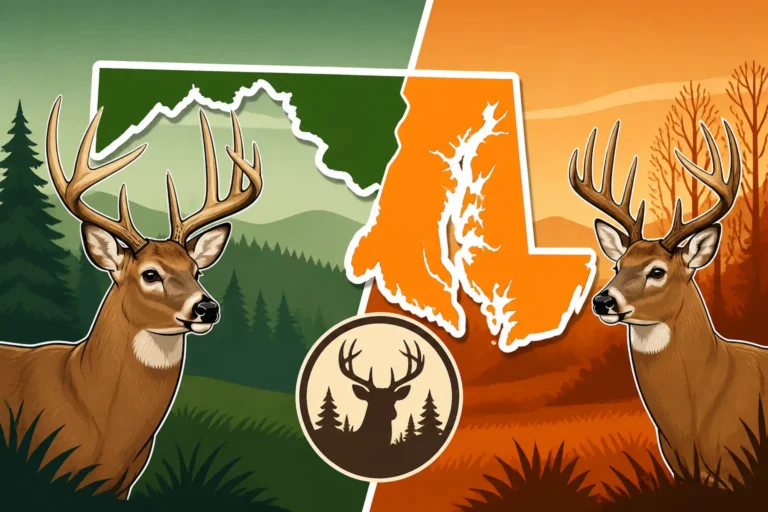
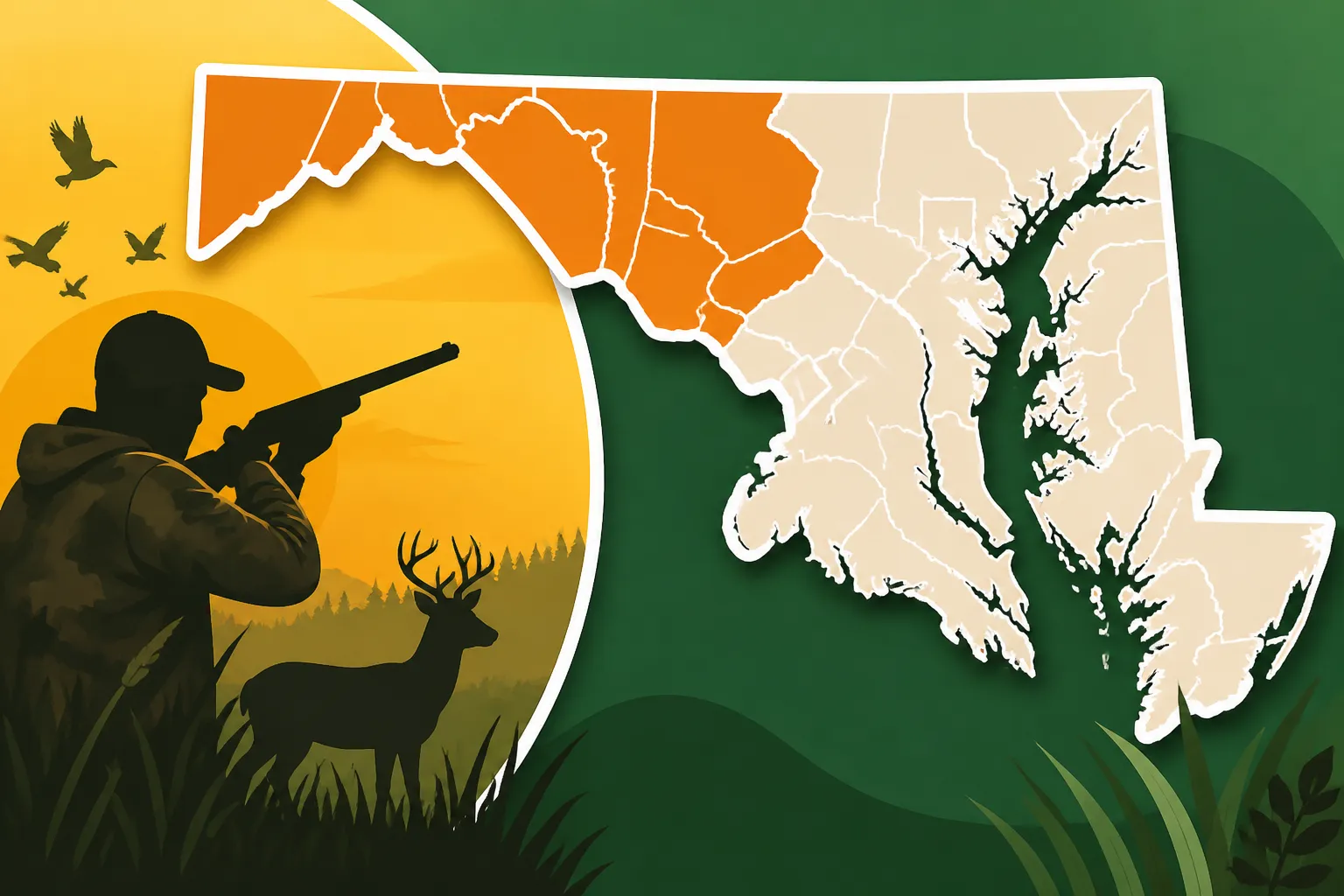
When the Maryland Department of Natural Resources (DNR) refers to Region A, they're talking about a specific set of six counties: Allegany, Carroll, Frederick, Garrett, Montgomery, and Washington. It's a common misconception, especially for those new to Maryland hunting, to assume "Region A" might signify the most densely populated or suburban areas due to alphabetical order or perhaps an intuition that "A" implies primary focus. However, in Maryland's deer management, Region A encompasses a mix of mostly mountainous, heavily forested terrain in the western part of the state, along with some central counties that also have specific management needs.
These counties present a varied landscape, from the rugged Appalachian Mountains of Garrett and Allegany, known for their sprawling public forest lands, to the more rolling hills and agricultural pockets of Frederick and Carroll. Even Montgomery, often associated with dense suburban sprawl, has significant rural sections and state-managed parks that offer hunting opportunities. The common thread among these Region A counties often relates to a different deer density profile and habitat type compared to the state's eastern and southern reaches, which fall under Region B.
Why These Regional Distinctions Exist
The DNR implements these regional distinctions for very practical and ecological reasons. Deer populations and their interactions with human environments vary dramatically across the state. In the western counties of Region A, for example, vast tracts of public forest land might support a healthy deer population, but perhaps at a lower density per square mile than the rich agricultural fields and fragmented woodlots of the Eastern Shore. The management goals, therefore, have to adapt.
Region A's management often focuses on maintaining a balanced deer population within these diverse habitats, considering factors like forest health, agricultural damage, and vehicle collisions. This means the rules—particularly regarding antlerless deer harvests—are generally more conservative than in Region B, where higher deer populations and more agricultural conflict often warrant more aggressive antlerless harvest strategies. Hunters need to recognize that these regulations are not arbitrary but are carefully designed to sustain the deer herd and mitigate potential issues unique to each region.
A Closer Look at Region A Counties
Understanding which counties are in Region A is one thing, but truly grasping their character helps you anticipate the kind of hunting experience you can expect. These six counties offer a surprisingly diverse range of terrain, population densities, and hunting challenges. It's not a monolithic hunting landscape; each county brings its own flavor to the table.
Allegany, Garrett, and Washington Counties
These three counties truly represent Western Maryland's rugged beauty and extensive forest land. Garrett County, in particular, is synonymous with the Appalachian Mountains, boasting elevations and timber that feel a world away from the flat farmlands of the Eastern Shore. Here, you'll find expansive public lands like Savage River State Forest and Green Ridge State Forest, offering thousands of acres for hunters seeking a more traditional big woods experience. Deer densities in these areas can be lower than in other parts of the state, meaning success often comes down to persistent scouting, quiet still-hunting, and covering significant ground. Hunting Maryland's Western Mountain Forests can be a physically demanding but incredibly rewarding experience, offering a sense of solitude rarely found elsewhere in Maryland.
Washington and Allegany counties, while still very much part of the Appalachian landscape, often feature a mix of forest and agricultural valleys. This can lead to different deer patterns, as animals move between bedding cover in the timber and feeding areas in farm fields. Hunters in these counties might find opportunities on both public and private land, often requiring different tactics. Accessing private land here, as in many places, means building relationships with landowners.
Frederick, Carroll, and Montgomery Counties
Moving eastward within Region A, Frederick, Carroll, and Montgomery counties present a different set of challenges and opportunities. While they still possess significant rural and forested areas, they are also closer to Maryland's major metropolitan centers. Frederick County, for instance, offers a blend of rolling farmland, extensive woods, and growing communities. Carroll County retains a more rural, agricultural feel but is also experiencing increasing development pressures. Montgomery County, often perceived as almost entirely suburban, actually has large park systems, agricultural preserves, and private land that support healthy deer populations, though often under stricter management.
Hunting in these counties can involve navigating unique circumstances, such as finding access in fragmented woodlots, adhering to specific regulations in suburban management zones, and often relying heavily on archery equipment where firearms are restricted. For instance, in areas like Montgomery County, Bowhunting Maryland Suburbs Where Rifles Are Banned becomes a primary method of deer control. These counties highlight the diverse management needs within Region A, demonstrating that "Region A" isn't solely about remote wilderness but also about adapting to areas with a human footprint.
Understanding Deer Regulations in Region A
The primary reason to understand which counties fall into Region A is that the regulations for deer hunting, particularly regarding bag limits and antler restrictions, differ significantly from those in Region B. It's not just a matter of geography; it's a matter of law and responsible hunting practice. Misinterpreting these rules can lead to citations, so paying close attention here is critical for any Maryland deer hunter.
Antlered Deer Bag Limits and the Three-Point Rule
In Region A, hunters are generally permitted to harvest two antlered deer per license year. This is a statewide rule, but how you fill those tags is where the regional differences, particularly the antler restriction, become crucial. Maryland implements Maryland's Three-Point Antler Restriction in most areas, which states that an antlered deer must have at least three points on one antler to be legally harvested. This rule is designed to allow younger bucks to mature, leading to a healthier age structure within the deer herd.
However, there's a vital exception: a hunter in Maryland may harvest one antlered deer per license year that does not meet the three-point restriction, provided it has at least two antler points (one on each antler, or two on one antler). This is often referred to as the "spike buck" or "button buck" exemption, though it actually applies to any buck that doesn't meet the 3-point rule. This means Why One Buck Can Skip the Three-Point Rule is incredibly important for hunters in Region A, as it provides flexibility while still promoting herd management. It's crucial to decide carefully when to use this "any buck" tag, as you only get one per year.
Antlerless Deer Harvest in Region A
This is where the most significant difference between Region A and Region B often lies. In Region A, the bag limit for antlerless deer is generally much more conservative. For instance, across the over-the-counter seasons (archery, muzzleloader, firearms), a hunter in Region A is typically limited to a total of one antlerless deer during all open seasons combined, unless they are participating in specific extended antlerless seasons or designated management hunts. This is a stark contrast to How Many Antlerless Deer Region B Allows, where hunters often have much more liberal antlerless limits, sometimes allowing multiple antlerless deer per day or unlimited harvest on private land.
This more conservative antlerless limit in Region A reflects the DNR's assessment of deer populations in these western and central counties. It suggests a management strategy focused on maintaining current population levels rather than significantly reducing them, as might be the goal in some high-density areas of Region B. Hunters need to be acutely aware of this, as accidentally harvesting too many antlerless deer is an easy mistake to make if you're not paying attention to the regional specifics. Always consult the current hunting guide for precise, up-to-date limits.
Weapon Choices and Season Structures
While the core season dates (archery opener, muzzleloader week, firearms splits) are largely statewide, the types of weapons you can use within Region A can sometimes vary, especially on a county-by-county or even property-by-property basis. In the more rural and forested counties like Garrett and Allegany, traditional firearms, including rifles, are typically permitted. However, as you move into the more populated areas of Frederick, Carroll, and Montgomery counties, you'll encounter restrictions. Maryland's Legal Weapons by County is an absolutely essential resource to check before you ever head afield. Some counties might be shotgun, muzzleloader, or straight-wall cartridge rifle only, while certain public lands or suburban zones might be archery-only.
Hunters must also be mindful of Sunday hunting rules. While Maryland has expanded Sunday hunting opportunities in recent years, it's not universal. Maryland's Sunday Hunting Rules by County varies, and even within counties, there can be distinctions between public and private land. Always verify the rules for your specific hunting location and weapon choice. These layers of regulation reinforce the importance of being meticulously informed before your hunt.
Strategic Considerations for Region A Hunters
Hunting in Region A demands a thoughtful approach, whether you're chasing deer deep in the mountains or navigating the edges of suburbia. The strategies that work on the Eastern Shore might not yield success here, and understanding the nuances of these counties can significantly boost your odds.
Public Land Opportunities and Challenges
Region A is home to some of Maryland's largest and most pristine public hunting grounds. The vastness of places like Green Ridge State Forest or Savage River State Forest in Western Maryland offers incredible opportunities for solitude and a challenging hunt. Here, deer densities might be lower, and the terrain more rugged, but the rewards can be substantial for those willing to put in the effort. To truly make the most of these areas, thorough Scouting Maryland Public Land Before Season is non-negotiable. Digital mapping tools, like GoHunt, can be invaluable here, helping you identify public land boundaries, topo features, and potential access points, allowing you to find those less-pressured pockets.
However, public lands, especially during peak seasons, can also see significant hunting pressure. Being prepared to walk further, hunt smarter, and adapt to other hunters' presence is key. Understanding deer behavior in these heavily timbered areas, such as how they use ridges, hollows, and thickets, is essential.
Navigating Private Land and Suburban Hunting
Even in the more rural parts of Region A, private land forms a significant portion of the landscape. Gaining access to private property can often lead to less pressured deer and, potentially, more consistent success. This means Knocking on Doors in Maryland Farm Country and building relationships with landowners is a time-honored, effective strategy. Digital resources, including platforms like GoHunt, can assist in identifying property owners, making the initial contact process a bit smoother.
In the more developed counties of Region A, like Montgomery or parts of Frederick, hunters might encounter unique opportunities through organized Hunting Maryland's Suburban Deer Management Hunts. These hunts are often designed to control deer populations in areas where traditional hunting is difficult or impractical, and they can offer excellent chances to harvest antlerless deer. However, they come with their own set of specific rules, often requiring special permits, archery equipment, and strict safety protocols due to proximity to residential areas.
Staying Informed and Ethical Hunting Practices
Hunting regulations in Maryland, like in any state, can and do change. What was true last season might not be this season, and it's always the hunter's responsibility to stay current. This isn't just about avoiding a fine; it's about being a responsible, ethical member of the hunting community and contributing to the conservation efforts that make these opportunities possible.
Verifying Regulations and Utilizing Resources
The single most important piece of advice for any Maryland hunter, especially when dealing with regional distinctions, is to always consult the current Maryland DNR hunting guide. This is the official source of information and will have the most up-to-date regulations regarding seasons, bag limits, weapon restrictions, and other crucial details. Digital versions are readily available online and on your phone, making it easy to carry with you.
Beyond the official guide, various resources can help you plan and execute your hunt. Online forums, local hunting clubs, and comprehensive mapping tools like GoHunt can provide supplementary information and help you visualize your hunting grounds. Utilizing these tools, in conjunction with your basic Maryland Hunting Licenses and What They Cost and knowing your Maryland Hunter Education Requirements, helps ensure you're fully prepared. They can help clarify nuanced rules like Deciding Which Weapon Season to Spend Your Buck Tag if you have multiple options.
Conservation and Responsible Hunting in Region A
Ultimately, understanding the nuances of Maryland's deer management regions, like which counties fall into Region A, is about more than just legal compliance—it's about conservation. By adhering to bag limits, respecting weapon restrictions, and understanding the intent behind these rules, you're directly contributing to the health and sustainability of Maryland's deer herd. Whether you're enjoying the challenge of a deep woods hunt in Garrett County or participating in a suburban management hunt in Montgomery, your actions reflect on the broader hunting community.
Being a responsible hunter also means knowing what to do after the shot. Proper field dressing, especially when Field Dressing a Deer in Warm September Weather early in the season, and prompt Registering a Maryland Deer by Phone or App are crucial steps. These practices ensure the meat is handled correctly and the DNR collects vital data for future management decisions, ensuring that Maryland remains a fantastic place to hunt for years to come.
Disclaimer
Please remember that hunting regulations can change. While every effort has been made to provide accurate and current information, it is the individual hunter's responsibility to consult the official Maryland Department of Natural Resources (DNR) hunting guide and relevant local regulations before engaging in any hunting activities. This guide is for informational purposes only and should not be considered a substitute for official legal advice or current DNR publications.