Maryland Dove Season Dates and Splits
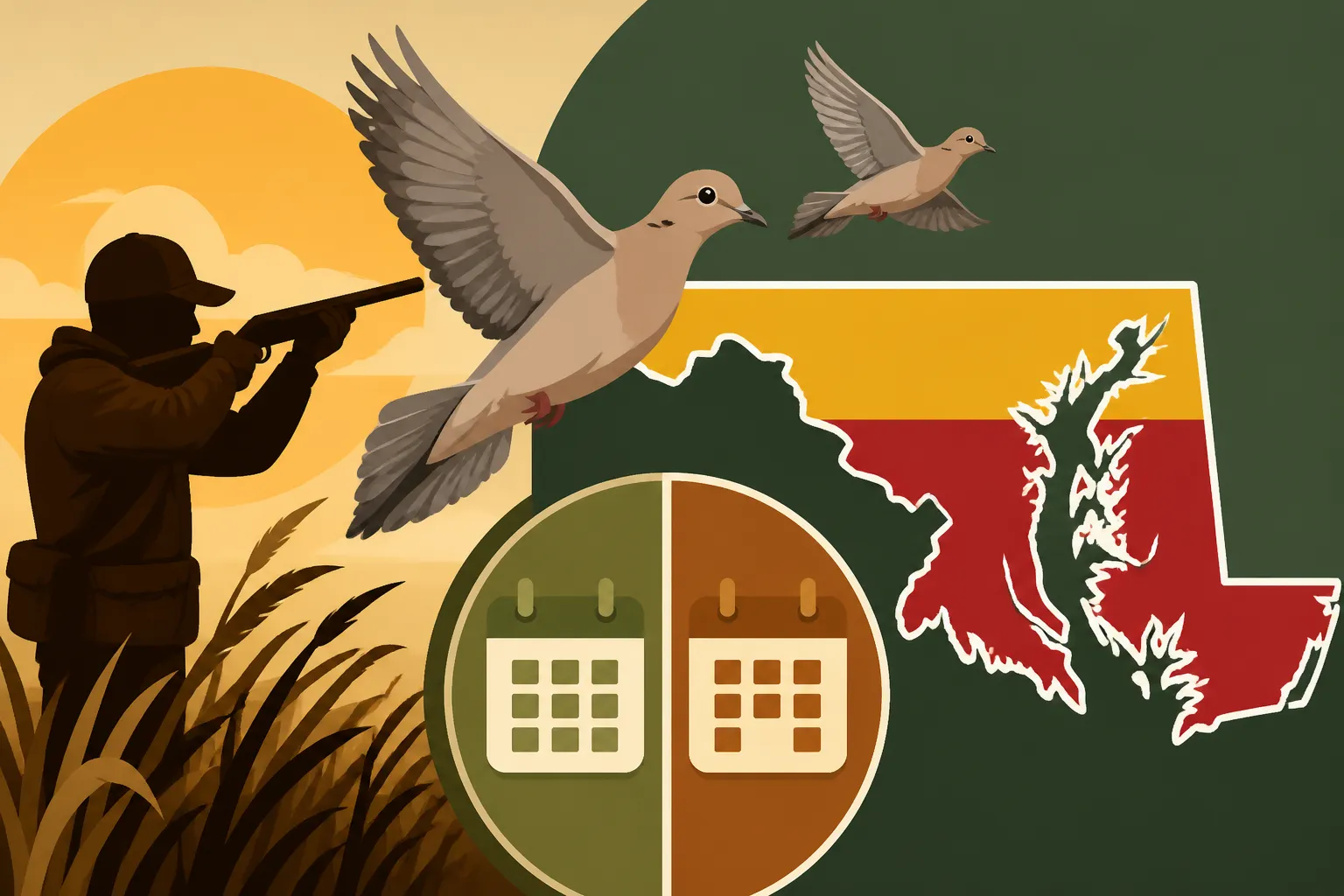
For many Maryland hunters, the opening day of dove season signals the true beginning of fall hunting, offering a fast-paced, social, and often frustrating challenge that keeps us coming back year after year. However, trying to pin down the exact season dates, especially with the state's typical splits, can feel like chasing a ghost. This guide is here to untangle the complexities, giving you a crystal-clear breakdown of Maryland's dove season dates and splits, alongside vital information to make your hunt successful and compliant.
Understanding Maryland's Dove Hunting Seasons
Dove hunting in Maryland is a cherished tradition, signaling the transition from summer leisure to the crisp, action-packed days of autumn afield. But unlike some other game species with continuous seasons, mourning doves, as migratory birds, are managed under federal guidelines that often result in segmented seasons in Maryland. This structure is designed to optimize hunting opportunities across different migration patterns and ensure sustainable populations.
The Tradition of Early September Dove Hunting
There's something uniquely exhilarating about the first weekend of September in Maryland. The air is still thick with summer humidity, but the subtle hint of fall hangs on the breeze, and dove hunters are already heading to cut grain fields. This early season opener, usually kicking off on September 1st, is practically a holiday for many wingshooters. It's often the first real chance to get out with a shotgun, dust off the cobwebs, and connect with fellow hunters. The birds are typically local and abundant, feeding heavily before the first significant push south. Fields of sunflowers, standing corn, or cut wheat become temporary arenas for incredible volleys, testing reflexes and shotgunning skills right from the start.
This initial rush is a fantastic opportunity for new hunters to experience the camaraderie and fast-paced action of wingshooting. Often, the action is so hot that it’s more about volume of birds and a good time than bagging a limit. The weather can be sweltering, so hydrating, bringing plenty of water, and keeping your harvested birds cool are paramount. This segment often lasts for about two to three weeks, giving hunters ample chances to enjoy the last days of summer in the field.
Navigating the Split Seasons
One of the biggest questions new and even seasoned dove hunters face revolves around Maryland's "split" seasons. What exactly does this mean, and why does it happen? Essentially, the season is divided into multiple segments, or "splits," separated by periods when hunting is not permitted. This approach is common for migratory birds like doves, regulated by the U.S. Fish and Wildlife Service, which sets broad frameworks for states. Maryland, like many states, then chooses specific dates within those frameworks to best suit local conditions, dove populations, and hunter interests.
Typically, Maryland's dove season is structured into three distinct segments. The first, as mentioned, is the early September opener. This targets resident birds before large-scale migrations begin. The second segment usually opens a few weeks later, often in late September or early October, and runs for a period, perhaps a month or so. This timing often coincides with the peak of the autumn migration, bringing in fresh waves of birds from northern breeding grounds. Finally, there's often a late-season segment, which can occur much later, sometimes spanning late December and early January. This last split targets doves that have remained in the area through the colder months, often concentrated around reliable winter food sources. Understanding these splits is crucial for planning your hunts, as missing a segment means missing out on prime opportunities.
Daily Bag Limits and Possession Limits
No matter how exciting the action, adherence to daily bag and possession limits is non-negotiable for ethical and legal hunting. For mourning doves in Maryland, the daily bag limit is generally 15 birds. This means you can harvest up to 15 doves per hunter, per day. Once you reach that number, your hunting for doves is done for the day, even if the flight is still hot and heavy.
The possession limit, on the other hand, refers to the maximum number of birds you can have in your possession at any given time, whether they are freshly harvested or stored at home. For mourning doves, Maryland's possession limit is typically three times the daily bag limit, meaning 45 doves. This is particularly important for hunters who might hunt multiple days in a row or travel for their hunts. For example, if you hunt on Saturday and bag 15 doves, and then hunt again on Sunday and bag another 15, you now have 30 doves in your possession. You could, theoretically, hunt one more day and bag 15 more before hitting the 45-bird possession limit. It’s always best to process and consume your birds regularly to avoid exceeding this limit. Staying on top of these numbers is part of being a responsible hunter and helps ensure the long-term health of the dove population.
Specific Season Dates and Zones for Maryland Doves
While the general framework of Maryland's dove season typically includes three splits, the exact dates can shift slightly each year. It’s absolutely critical to consult the most current Maryland Department of Natural Resources (DNR) hunting guide before heading afield, as state regulations are updated annually. However, we can look at the typical structure to give you a good idea of what to expect.
Early Season: September Rush
The first segment of Maryland's dove season is arguably the most anticipated and often the busiest. It traditionally kicks off on September 1st and runs for a period of about two to three weeks. For example, in many recent years, the early season has been from September 1st through September 15th, or sometimes September 20th, with hunting hours from half an hour before sunrise until sunset. This early timeframe capitalizes on the abundant local populations of mourning doves before they begin their significant migratory movements.
Hunting conditions during this segment can be quite challenging, mainly due to the lingering summer heat. Temperatures can easily reach the 80s or 90s, especially in the afternoon. This means hunters need to prioritize hydration for themselves and any hunting dogs, and ensure rapid cooling of harvested birds to prevent spoilage. Think about bringing a cooler with ice to the field. Fields of cut grain, especially corn and wheat stubble, along with sunflower fields, are magnets for doves during this period. Hunters often find the best action in the late afternoon, as birds leave their roosts and head to feeding grounds before settling in for the night. Many local farms will have harvested their early crops, providing excellent habitat. It’s a fantastic time to connect with friends and family for a social hunt. You can often find great opportunities when Hunting a Maryland Sunflower Field.
Mid-Season: October Opportunities
Following a brief hiatus, usually lasting a week or two after the early season closes, Maryland's mid-season dove segment typically reopens in late September or early October. This segment often extends for a longer duration than the early season, sometimes running through much of October or even into early November. For instance, common dates might be from September 20th through October 25th. This timing is designed to coincide with the main push of migratory doves moving through the state. As colder weather settles into northern states, more birds move south, and Maryland's fields become a temporary stopover.
The mid-season offers a different experience. The weather is generally cooler, making for more comfortable hunting conditions. Birds might be warier, having encountered hunting pressure further north, and their flight patterns can be less predictable than the resident birds of early September. They might also be utilizing different food sources as agricultural landscapes change. Hunters might need to work a bit harder, focusing on good camouflage, careful decoy placement, and strategic positioning to intercept these more cautious migrants. Often, the best flights during this time occur after a cold front pushes through, concentrating birds.
Late Season: Winter's Last Stand
The final segment of Maryland's dove season is often the most challenging but can also be the most rewarding for dedicated hunters. This late season typically reopens after Christmas, running from late December into early January, usually lasting only a week or two. For example, typical dates might be from December 26th through January 5th. By this point, most migratory birds have either moved further south or settled into wintering areas. The doves remaining in Maryland are hardy individuals, often concentrated in specific areas with reliable food and cover, seeking warmth and sustenance during the colder months.
Hunting in the late season means contending with genuinely cold weather, and sometimes even snow or ice. Doves will be focused on fields offering persistent food sources, such as standing corn, grain sorghum, or areas with leftover waste grain. They might also be found near thick cover that offers protection from the elements and predators. Locating these concentrations can be difficult, but once found, the hunting can be excellent, though usually not as fast-paced as the early season. A successful late-season hunt often requires extensive scouting and a willingness to brave the elements. These birds are often larger and hardier, having survived the early migrations.
Here's a quick overview of typical Maryland dove season segments and limits:
| Season Segment | Typical Dates (Approximate) | Daily Bag Limit | Possession Limit |
|---|---|---|---|
| Early Season | September 1 – September 15/20 | 15 | 45 |
| Mid-Season | Late September/Early October – Late October/Early November | 15 | 45 |
| Late Season | Late December – Early January | 15 | 45 |
Note: These dates are approximate and based on historical patterns. Always check the current Maryland DNR hunting guide for exact dates before planning your hunt.
Essential Regulations and Preparations for Maryland Dove Hunting
Successfully hunting doves in Maryland involves more than just knowing the dates; it requires understanding the specific regulations and preparing adequately. From licensing to legal shooting hours, a little homework goes a long way in ensuring a safe, legal, and enjoyable experience.
Licensing and Permit Requirements
Before you even load a shell, you need to ensure your paperwork is in order. To hunt doves in Maryland, all hunters (unless exempt by age or specific landowner status) must possess a valid Maryland Hunting Licenses and What They Cost. For Maryland residents, this usually means purchasing a Resident Hunting License, which you can easily acquire online through the Maryland DNR's COMPASS portal or from a licensed vendor. For non-residents, a Nonresident Hunting License is required. For more details on the specific costs, you can check out the Maryland Resident Hunting License Cost or equivalent for non-residents.
Beyond the general hunting license, there's another crucial requirement for all migratory bird hunters, including those pursuing doves: the Maryland Migratory Game Bird Stamp and federal Harvest Information Program (HIP) registration. While a Federal Duck Stamp isn't needed for doves, the state migratory bird stamp and HIP registration are. The HIP registration simply involves answering a few questions about your migratory bird hunting success from the previous season, which helps wildlife agencies monitor populations. You can typically purchase the state stamp and complete your HIP Registration for Migratory Bird Hunters at the same time you buy your hunting license. It's important to remember that all these documents must be carried on your person while hunting.
Many hunters find platforms like GoHunt incredibly useful for keeping track of licensing requirements, purchasing stamps, and accessing up-to-date regulation summaries for various states, including Maryland. It centralizes a lot of information that can otherwise be scattered, making it simpler to ensure you're compliant before heading out.
Legal Shooting Hours and Equipment
Understanding legal shooting hours is paramount for any type of hunting, and dove hunting is no exception. In Maryland, the legal shooting hours for doves typically begin one-half hour before sunrise and extend until sunset. This means you need to be aware of the daily sunrise and sunset times, which can change throughout the season. Hunting outside of these designated hours is illegal and can result in severe penalties. This aligns with broader Maryland Shooting Hours and Legal Light for other game species.
When it comes to equipment, shotguns are the weapon of choice for dove hunting. Maryland regulations generally permit shotguns up to 10-gauge. However, all shotguns used for hunting migratory game birds, including doves, must be plugged to limit their capacity to no more than three shells: one in the chamber and two in the magazine. This is a federal regulation aimed at fair chase and conservation. While non-toxic shot is required for waterfowl and some other migratory birds, it is generally not required for dove hunting in Maryland, unless you are hunting on a specific public land area that imposes a non-toxic shot rule for all hunting for other reasons. Most dove hunters use lead shot in sizes 7.5, 8, or 9, which are ideal for the small, fast-flying birds. Always confirm specific shot requirements for any public land you plan to hunt on.
Scouting and Setup Strategies
Successful dove hunting is rarely a matter of luck; it's almost always the result of thorough scouting and strategic setup. Doves are creatures of habit, typically flying between roosting areas, water sources, and feeding grounds. Your primary goal is to identify these travel corridors and set up accordingly. This is where Scouting Maryland Public Land Before Season or gaining permission on private land becomes invaluable.
For private land: The best dove hunting usually occurs on private agricultural fields, especially those planted with crops like sunflowers, millet, wheat, or corn. Doves are attracted to waste grain and seeds. Start scouting a week or two before the season opens. Look for birds feeding in fields, sitting on power lines, or flying along hedgerows. Pay attention to how they enter and exit fields. Often, doves will funnel through specific gaps in tree lines, over low spots, or along field edges. If you're looking for private access, learning the art of Knocking on Doors in Maryland Farm Country can open up numerous opportunities.
For public land: While often more challenging due to pressure, public lands can still offer good dove hunting, particularly on Wildlife Management Areas (WMAs) that plant designated dove fields. Again, scouting is key. Check WMA maps for these specific fields and observe dove activity before opening day.
Once you've identified a promising area, your setup is crucial. Doves have excellent eyesight, so concealment is vital. Use natural cover like tall weeds, brush lines, or tree edges to break up your silhouette. Portable pop-up blinds or camouflage netting can also be very effective. Positioning yourself along a known flight path, often where doves cross from one section of a field to another or between a field and a woodline, will yield the best results. Placing decoys, especially spinning-wing decoys, can significantly enhance your success by drawing birds within range.
Beyond the Dates: Maximizing Your Maryland Dove Hunt
Knowing the season dates is just the first step. To truly excel at dove hunting in Maryland, you need to understand the nuances of dove behavior, utilize effective tactics, and always prioritize safety and ethical conduct. It's about combining knowledge with strategy for a rewarding experience.
Choosing the Right Fields and Habitat
Doves are primarily seed-eaters, which means their presence is intrinsically linked to agricultural practices and natural seed-producing plants. When Hunting a Standing Corn Field Edge for Deer, you might also find ample opportunities for doves, especially after the corn has been harvested, leaving waste grain on the ground. However, doves prefer smaller seeds, making fields planted specifically for them, like sunflowers, millet, or wheat, particularly attractive.
Sunflower Fields: These are often dove magnets. The birds will feed on fallen seeds and perch on the spent flower heads. The key is to find fields that have been recently cut or are mature and dropping seeds. Many WMAs in Maryland specifically plant sunflower fields for dove season, so it's worth checking the DNR's WMA descriptions.
Wheat and Millet: After these grains are harvested, the stubble fields often hold an abundance of waste grain, which doves readily exploit. Early season hunts are particularly productive in these fields.
Mowing and Disking: Landowners and WMA managers often disk or mow strips in fields ahead of the season. This exposes seeds and makes them more accessible for doves, concentrating birds into specific areas and creating excellent hunting opportunities. A good tool like GoHunt can help you scout public land parcels and often shows recent activity or habitat improvements, helping you locate these prime areas.
Water Sources: Doves need to drink frequently, especially in warm weather. Fields near ponds, creeks, or even muddy puddles can be exceptional, as doves will fly to these spots throughout the day. Setting up between a feeding field and a watering hole can intercept birds on their daily commute. Understanding these elements can make a significant difference, whether you're hunting open fields or a Chesapeake farm woodlot point.
Decoys and Calling Techniques
For many wingshooters, dove hunting is a simple "pass shooting" affair, where you wait for birds to fly overhead. While effective, incorporating decoys and even basic calling can dramatically increase your success, especially on days with slower flight or for wary birds.
Decoys: The most popular dove decoys are clip-on models that attach to fences, branches, or decoy stakes. Placing these decoys in visible spots within shooting range can draw passing birds closer. However, the game-changer for many hunters has been the advent of spinning-wing decoys, like those from Mojo Outdoors or Lucky Duck. The flashing wings create a visual beacon that doves can spot from a great distance, often pulling them off their flight path and directly into your spread. Place spinning-wing decoys prominently in your setup, perhaps 10-20 yards from your position, to maximize their drawing power. Combining stationary clip-on decoys with one or two spinning-wing models creates a very convincing spread.
Calling: While not as critical as for ducks or turkeys, dove calls can be surprisingly effective, especially on slower days or for birds that are just out of range. A simple cooing call can mimic a contented dove, signaling to others that the area is safe. A soft, subtle call can often be enough to make a hesitant bird commit to your decoy spread. Learning to make a realistic feeding chuckle with your mouth can also sometimes draw in birds that are working a field. Don't overdo it; a little realism goes a long way.
Safety and Ethical Considerations
Safety should always be the absolute top priority when hunting, and dove hunting, with its fast action and multiple hunters, is no different. The golden rules of firearm safety — always point the muzzle in a safe direction, treat every gun as loaded, be sure of your target and what’s beyond it, and keep your finger off the trigger until ready to shoot — are paramount.
Shot Selection: With multiple hunters in a field, it’s vital to be aware of your zone of fire and communicate with your hunting partners. Only take shots that are safe and ethical, meaning shots within your effective range and where you have a clear understanding of what’s behind your target. Avoid "sky-busting" (shooting at birds that are too high) as this can wound birds without retrieving them and puts excessive pellets into the air, which can be a safety concern.
Respecting Property Boundaries: If hunting on private land, ensure you have explicit permission from the landowner. If hunting near property lines, be acutely aware of where those lines are. Tools like GoHunt and similar mapping applications with property line overlays are invaluable for staying on legal ground and avoiding accidental trespass. Retrieving a downed bird that falls on adjacent private property without permission is considered trespassing and can lead to legal issues, so know your boundaries and don’t take risky shots close to the edge.
Bird Retrieval: Doves are small and can be notoriously difficult to find in thick cover, especially in the fading light of late afternoon. Make every effort to retrieve all downed birds. Marking where a bird falls, perhaps with a visual landmark, is a good habit. A trained retrieving dog can be an incredible asset, saving countless lost birds and making your hunt far more efficient and ethical. Losing birds is a waste of a valuable resource and reflects poorly on hunters as a whole. Always be a good steward of the resource and a responsible ambassador for hunting.
Disclaimer
Please note that hunting regulations, season dates, and licensing requirements are subject to change by the Maryland Department of Natural Resources (DNR). While this guide provides comprehensive and up-to-date information at the time of writing, it is essential for all hunters to consult the most current Maryland DNR hunting guide or visit their official website before participating in any hunting activities. This information is for educational purposes only and should not be considered a substitute for official state regulations.