Pheasant Release Hunt Dates and Sites
Hunting for pheasants in Maryland can feel a bit like searching for a needle in a haystack if you don't know where to start, especially when it comes to finding out where and when the state releases these beautiful birds. Many of us remember the thrill of chasing pheasants in more abundant times, and while wild populations are scarce, Maryland's pheasant release program offers a fantastic opportunity to experience that classic upland hunt. This guide is here to cut through the confusion, detailing exactly when and where you can expect to find these released pheasants, and how to make the most of your hunting days.
Understanding Maryland's Pheasant Release Program
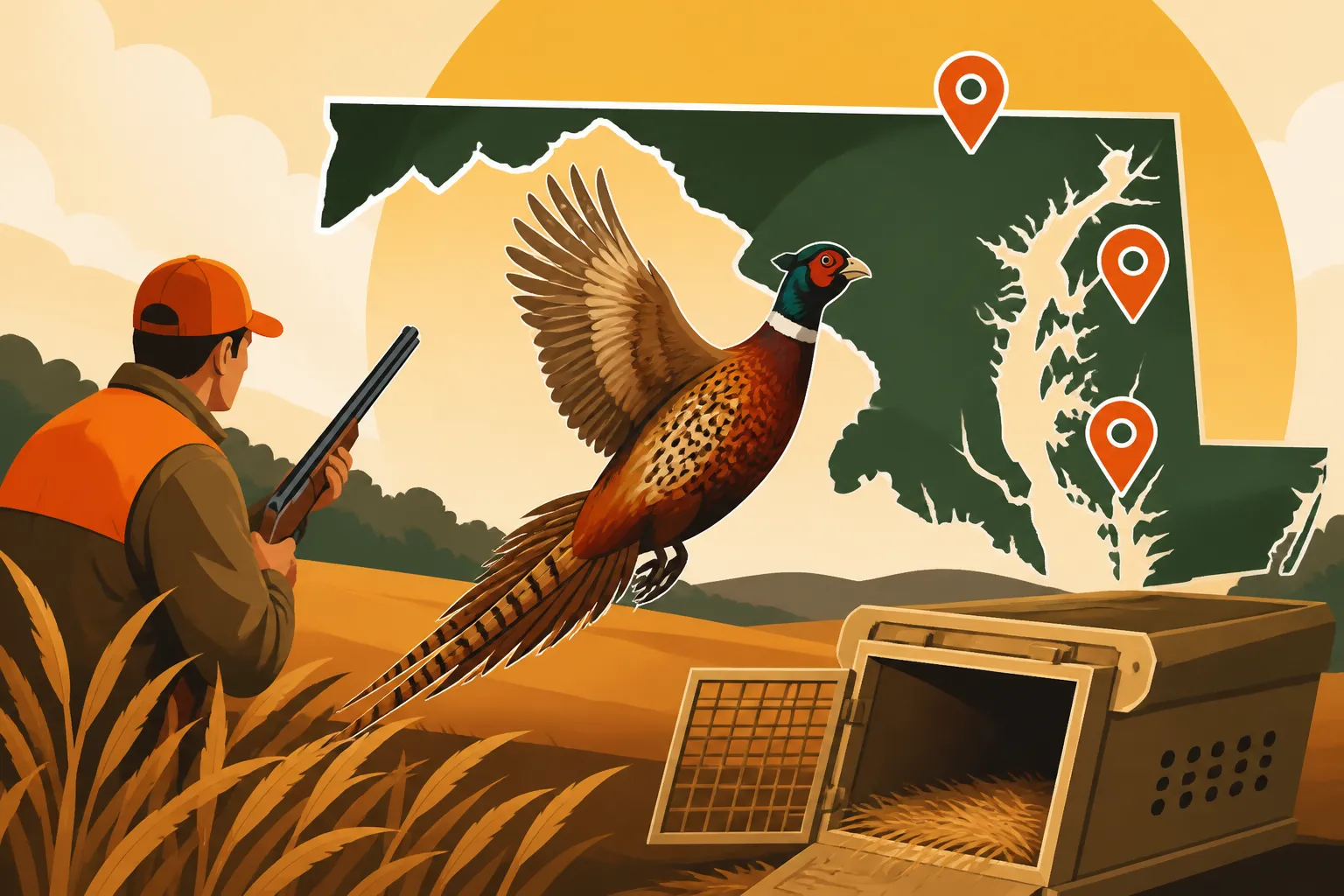
Maryland’s Department of Natural Resources (DNR) manages a dedicated pheasant release program each fall, providing excellent opportunities for small game hunters. This isn't about hunting a burgeoning wild population, but rather a put-and-take system designed to offer a unique hunting experience in specific, managed areas. It’s a way for hunters, especially those with dogs, to enjoy the flush and retrieve of pheasants without having to travel out of state.
The Purpose Behind the Releases
The primary goal of the DNR's pheasant release program is to provide recreational hunting opportunities. Unlike deer or turkey management, where the focus is on maintaining sustainable wild populations, pheasants in Maryland often struggle to establish self-sustaining populations due to habitat loss and other environmental factors. The release program fills this gap, giving hunters a chance to pursue a game bird that's otherwise hard to come by in the Old Line State. It also serves as a fantastic way to introduce new hunters, particularly youth, to upland bird hunting, offering a higher probability of success and an exciting experience in the field.
The birds are typically raised in game farms and then transported to designated public hunting lands. This ensures that a fresh supply of birds is available for hunters throughout the designated season. It’s a different kind of hunt compared to pursuing truly wild game, but it offers its own set of challenges and rewards, especially for those who enjoy working with a good bird dog. For anyone interested in the broader scope of upland pursuits, understanding the full picture of Small Game and Predator Hunting in Maryland can really round out your knowledge of the state's diverse opportunities.
How Released Pheasants Behave Post-Release
One of the common misconceptions about released pheasants is that they behave exactly like their wild counterparts. While they certainly retain their instincts, there are some key differences to consider. When initially released, these birds might be a bit disoriented or less wary than wild pheasants. They are accustomed to a more confined environment and consistent food sources, so their immediate survival instincts in a new, open landscape are often a bit dulled.
However, given a day or two, they adapt quickly. They’ll seek cover in dense brush, tall grasses, and field edges, just like wild birds. They'll also begin to forage. Their primary defense mechanism quickly becomes holding tight, sometimes running a short distance before hunkering down, which is why a good bird dog is so invaluable for these hunts. If you're curious about what happens to these birds after they're released and how they adapt, our guide on Maryland's Released Pheasants and Where They Go delves deeper into their post-release behavior and habitat choices. Knowing this can significantly improve your chances in the field, helping you anticipate where they might be holding.
Annual Pheasant Release Dates and Specific Season Details
Trying to pin down the exact dates for Maryland’s pheasant releases can sometimes feel like a moving target, but the DNR follows a fairly consistent schedule year after year. The program is specifically designed to coincide with the broader small game seasons, making it accessible for hunters already in the field for other species.
Typical Opening Dates and Duration
Historically, the Maryland pheasant release program kicks off around the Saturday before Thanksgiving, marking the start of a period of focused pheasant hunting. These releases typically continue through December, often occurring on specific days of the week. Common release days include Saturdays, to maximize weekend hunting opportunities, and sometimes Wednesdays. These scheduled releases aim to spread out the hunting pressure and provide fresh birds throughout a dedicated window.
It's crucial for hunters to check the Maryland DNR's official hunting guide each year for the precise dates, as they can shift slightly based on calendar alignment and program logistics. For example, if Thanksgiving falls later in November, the start date might adjust accordingly. These releases are specifically for areas designated for the pheasant program, and are not necessarily statewide. Hunters should remember that while the general small game season for pheasants might be longer, the availability of recently released birds will be concentrated within these specific release periods. This focused window is when you'll find the highest density of pheasants in the designated areas.
Special Considerations for Hunting Days
When planning your pheasant hunt, there are a few special considerations that can make or break your experience. Firstly, release days can draw a crowd, especially on opening Saturdays. If you prefer a more solitary hunt, consider visiting a day or two after a release, or perhaps on a less popular weekday if the releases occur then. The birds will have dispersed a bit by then, potentially offering a more natural hunting scenario, though they might be warier.
Secondly, always be mindful of shooting hours. Maryland has specific legal hunting hours, typically from one half-hour before sunrise to one half-hour after sunset for most game. You'll want to confirm the exact Maryland Small Game Season Dates and Daily Limits to ensure you're in compliance not just for pheasants, but for any other small game you might encounter. Also, if you plan to use a hunting dog, ensure they are well-trained and under control. Many public lands allow Dog Training on Maryland Public Land during specified periods, but always check WMA-specific rules. Having a disciplined dog is not just courteous to other hunters, but also essential for recovering downed birds efficiently in dense cover.
Key Pheasant Release Sites in Maryland
The Maryland DNR utilizes several specific Wildlife Management Areas (WMAs) for its pheasant release program. These areas are chosen for their suitable habitat, accessibility, and management capabilities, ensuring a good experience for hunters. Knowing these key locations is your first step to a successful hunt.
Designated Wildlife Management Areas (WMAs)
Maryland boasts a network of Wildlife Management Areas, many of which are designated pheasant release sites. These WMAs are public lands managed by the DNR to provide habitat for wildlife and recreational opportunities for hunters, anglers, and outdoor enthusiasts. They vary in size and terrain, but generally offer a mix of open fields, brushy cover, and woodland edges ideal for pheasants.
Here are some of the most consistent pheasant release sites in Maryland:
- McKee-Beshers Wildlife Management Area (Montgomery/Frederick Counties): This WMA is well-known for its diverse habitat, including wetlands, fields, and forests, making it a prime location for upland bird hunting. It's a popular spot, so expect company, especially on release days.
- Idylwild Wildlife Management Area (Caroline County): Located on the Eastern Shore, Idylwild offers a mix of agricultural fields and woodlands, providing excellent pheasant cover. It’s a bit of a drive for some, but often worth it for the quality of the hunting experience.
- Myrtle Grove Wildlife Management Area (Charles County): In Southern Maryland, Myrtle Grove provides managed fields and timber, creating good habitat for pheasants. It’s a solid option for hunters in the southern part of the state.
- Gwynnbrook Wildlife Management Area (Baltimore County): This smaller WMA, closer to the Baltimore metro area, can be a great option for those seeking a quick hunt without a long drive. Its limited size means it can get crowded quickly.
- Billmeyer-Cross Wildlife Management Area (Allegany County): Up in Western Maryland, this WMA provides a more rugged, mountainous setting, but still maintains suitable habitat for pheasant releases.
- Cushwa-Riverbend Wildlife Management Area (Washington County): Another Western Maryland option, offering river bottom habitat with fields and cover.
It's always a good idea to scout these areas ahead of time if possible, or at least consult maps, to understand the layout and plan your approach. You can find detailed information and maps for these areas, and indeed for all Maryland's Wildlife Management Areas, on the DNR website, or through a hunting app like GoHunt which often overlays public land boundaries and habitat types.
Checking for Specific Site Announcements
While the WMAs listed above are traditional pheasant release sites, the specific locations and sometimes even additional sites can be announced or confirmed closer to the season. The Maryland DNR is the authoritative source for these details. You should always check their official website or call their regional offices for the most up-to-date information before heading out. Sometimes, specific portions of a WMA might be designated for releases, or there could be temporary changes to access due to management activities.
It's also worth noting that some public lands, especially those with managed hunts, might require a Maryland Public Land Hunting Permits or check-in system. Always verify any such requirements for the WMA you plan to visit. Using a digital mapping tool like GoHunt can be incredibly helpful for confirming land ownership and boundaries, as well as locating specific access points and parking areas, which can save you a lot of time and frustration on hunting mornings. Many hunters find using such tools essential for navigating the complexities of Finding a Maryland WMA Near You efficiently.
Tips for a Successful Pheasant Release Hunt
Successfully hunting released pheasants involves more than just showing up on a release day. A bit of planning, understanding the terrain, and having the right approach can significantly improve your chances and make the experience much more enjoyable.
Utilizing a Good Bird Dog
Let’s be honest, hunting released pheasants without a good bird dog is like trying to find a needle in a haystack blindfolded. These birds, even when released, have an incredible ability to hold tight in cover or run through dense vegetation, making them incredibly difficult for a lone hunter to locate and flush. A well-trained pointing or flushing dog is an absolute game-changer.
A pointing dog, like a German Shorthaired Pointer, Brittany, or English Setter, will lock up on scent, signaling the presence of a bird. This allows you to approach confidently and prepare for the flush. A flushing dog, such as a Labrador Retriever or Springer Spaniel, will work the cover, actively pushing birds out into the open. Regardless of the breed, a dog’s nose is far superior to a human’s eyes and ears for finding pheasants. They can pick up the faint scent trail left by a running bird or pinpoint a pheasant hunkered down in thick cover. Moreover, a dog's retrieving instinct is invaluable for finding downed birds, especially those that fall into heavy brush or tall grass, preventing lost game. Just remember that many other hunters will also be out with their dogs, so being aware of Hunting Pressure on Maryland Public Land and coordinating with other hunters (or seeking out less crowded times) can make for a more peaceful experience.
Best Hunting Practices and Gear
When you're heading out for a pheasant release hunt, a few practical tips can make a huge difference. First and foremost, safety is paramount. Always wear blaze orange, even if it's not strictly required by law for small game in that specific area, especially on public lands where other hunters will be present. For specific requirements, see How Much Blaze Orange Maryland Requires. This ensures you're visible to others and helps prevent accidents.
For gear, sturdy boots are a must, as you’ll be walking through potentially uneven, wet, or thorny terrain. Briar-resistant pants or chaps are highly recommended to protect your legs from dense cover. A good shotgun, typically a 12 or 20 gauge, with suitable upland loads (like 6 or 7.5 shot), will be effective. Carry enough shells for multiple flushes, as pheasants can be tough birds. Hydration and a small first-aid kit are always wise, especially if you're venturing deeper into a WMA. Also, don't forget to charge your phone and consider an app like GoHunt for navigation, marking flushes, and identifying property lines. It’s a great tool for maximizing your time in the field.
Regarding hunting strategy, try to work cover systematically. Don't just wander aimlessly. Walk in a pattern that effectively covers the most likely pheasant holding areas, such as the edges of fields, brushy draws, and thickets. Working with one or two hunting partners, with a "blocker" positioned at the end of a cover strip, can also be very effective, as pheasants often prefer to run rather than fly. This also ensures safety, as each hunter knows where the others are. Lastly, if you are new to hunting or just need a refresher, make sure you've met all the Maryland Hunter Education Requirements to ensure you're hunting safely and responsibly.
| WMA Name | Counties | Typical Habitat | Notes |
|---|---|---|---|
| McKee-Beshers WMA | Montgomery / Frederick | Fields, wetlands, forest edges | Very popular, can be crowded. |
| Idylwild WMA | Caroline | Agricultural fields, woodlands | Eastern Shore option, good cover. |
| Myrtle Grove WMA | Charles | Managed fields, timber | Southern Maryland, accessible. |
| Gwynnbrook WMA | Baltimore | Mixed fields, woods | Smaller, close to urban areas. |
| Billmeyer-Cross WMA | Allegany | Fields, mountainous woodlands | Western Maryland, more rugged. |
| Cushwa-Riverbend WMA | Washington | River bottom, fields, thickets | Western Maryland, near Potomac River. |
Conclusion
Maryland’s pheasant release program offers a fantastic, accessible opportunity for small game hunters to enjoy the thrill of upland bird hunting. By understanding the typical release dates, knowing the designated Wildlife Management Areas like McKee-Beshers, Idylwild, and Myrtle Grove, and employing smart hunting tactics, you can have a truly rewarding experience. Remember to always consult the official Maryland DNR resources for the most up-to-date information, consider using helpful tools like GoHunt for navigation and scouting, and prioritize safety in the field. With a little preparation, you’ll be well on your way to flushing some pheasants this season.
Disclaimer
Please be aware that hunting regulations, season dates, and public land access rules in Maryland can change. Always consult the official Maryland Department of Natural Resources (DNR) website and current hunting guide for the most up-to-date and accurate information before planning any hunting trip. This guide is for informational purposes only and does not supersede official regulations.