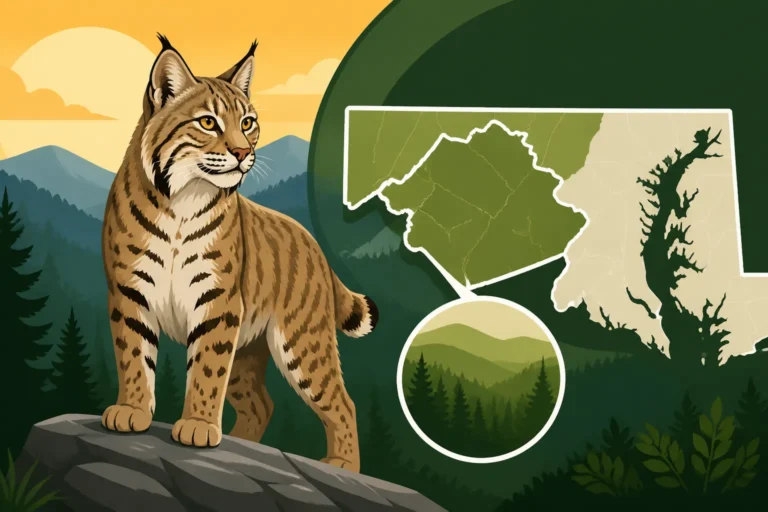
How Maryland Counts Its Bear Population
One of the most fascinating and often misunderstood aspects of wildlife management, especially for a creature as iconic and elusive as the black bear, is figuring out just how many of them are out there. For hunters and conservationists alike in Maryland, knowing the size and health of the bear population is critical, but it's far from a simple head count. This guide will walk you through the sophisticated methods Maryland's wildlife biologists employ to estimate the black bear population, how that data impacts management decisions, and what it means for the future of these magnificent animals in our state.
The Complexities of Counting Maryland's Elusive Black Bears
Imagine trying to count every individual deer in a vast forest, let alone a creature that actively avoids human contact, can cover huge distances, and spends a good portion of its life hidden in dense cover or even denning. That's the challenge wildlife managers face when trying to determine How Many Black Bears Maryland Holds. It's not about walking through the woods and tallying them up; it's a scientific endeavor requiring dedication, advanced technology, and a deep understanding of bear behavior.
Why Accurate Population Data Matters for Management
Accurate population estimates are the bedrock of responsible wildlife management. Without a clear understanding of how many bears are present, where they are, and whether their numbers are increasing, decreasing, or stable, it would be impossible to make informed decisions about hunting regulations, habitat protection, and public safety. For Maryland, this data directly informs key decisions, such as setting harvest quotas for Maryland's Black Bear Lottery and determining permit numbers. If biologists overestimate the population, too many bears could be harvested, potentially harming the long-term health of the species. Conversely, underestimating could lead to an unchecked population, increasing human-bear conflicts, particularly as Maryland's Black Bear Population Growth continues to push bears into new areas.
Beyond hunting, this data helps pinpoint areas where bears might be expanding their range, allowing for proactive community education and mitigation strategies. It influences decisions on protecting critical bear habitat corridors and ensures that conservation efforts are focused where they are most needed. It’s a delicate balance, and precise numbers are the only way to strike it effectively.
The Inherently Difficult Nature of Bear Surveys
Black bears are naturally secretive animals. They are typically solitary, except for mothers with cubs, and they prefer dense forested areas. Unlike some species that congregate in large herds or are easily spotted in open fields, bears are masters of stealth. Their movements can be unpredictable, often covering vast territories, which makes tracking individuals incredibly challenging. A bear sighted in one county today might be miles away in another tomorrow, especially in areas like Western Maryland where contiguous forests stretch across state lines.
Furthermore, cubs are difficult to count accurately. They stay close to their mothers and are often too small to be detected by some survey methods. The time of year also plays a huge role; bears are most active in spring and fall, but they den up for the winter, making year-round surveying problematic. The sheer scale of the landscape they inhabit, from the rugged mountains of Garrett County to the more fragmented woodlands that border human development, adds another layer of complexity. These logistical hurdles mean that wildlife biologists can’t just do a simple drive-through count; they must employ sophisticated, indirect methods to piece together a reliable population picture.
Key Methods Maryland Biologists Use for Bear Population Estimation
Given the challenges, Maryland's Department of Natural Resources (DNR) doesn't rely on a single method. Instead, they use a combination of techniques, each providing a piece of the puzzle, which are then integrated to create the most comprehensive picture possible of the state’s black bear population. This multi-faceted approach ensures a robust and defensible estimate.
Hair Snares and DNA Analysis: A Modern Approach
One of the most effective and least intrusive methods Maryland biologists utilize is the hair snare technique combined with DNA analysis. This modern approach is a game-changer for estimating populations of elusive animals. Imagine a simple, non-harmful setup in the woods: a barbed wire fence or a strand of wire encircling a bait station, often a pungent lure like rotten meat, fish, or even a donut glazed with syrup, designed to attract bears. As a bear passes over or under the wire to get to the bait, a few strands of hair are snagged. The bear is completely unharmed, and often doesn't even notice the few lost hairs.
These hair samples, collected by wildlife technicians, are then sent to a specialized lab for DNA extraction and analysis. Each hair follicle contains unique genetic markers, much like a human fingerprint. By analyzing the DNA, biologists can identify individual bears, tell males from females, and even determine if it's a new individual or one previously sampled. Over multiple sampling periods and across various locations, this allows researchers to estimate the total number of unique individuals within a given area. This method provides incredibly precise data on population size, sex ratios, and even genetic diversity, helping Maryland better understand Which Counties Hold Maryland Black Bears and how they are distributed. It's a prime example of how technology, like what you might use for mapping on a platform like GoHunt, is being adapted for biological fieldwork.
Mark-Recapture Studies: The Foundation of Wildlife Counting
While hair snares are more passive, mark-recapture studies have been a cornerstone of wildlife population estimation for decades, and Maryland still employs variants of this technique. The basic premise is straightforward: a sample of animals is captured, marked in some way (historically with ear tags, now often with GPS collars), and then released back into the population. After a period, a second sample is taken. The ratio of marked to unmarked animals in the second sample helps estimate the total population.
For bears, this often involves baiting and safely darting bears, equipping them with ear tags or radio/GPS collars, and then releasing them. The collars allow biologists to track movements, understand habitat use, and even identify den sites. While direct "recapture" of collared bears for counting is less common today than observing previously marked individuals through camera traps or subsequent hair snare collections, the data from collared bears is invaluable. It provides insights into survival rates, reproductive success, and dispersal patterns – all critical pieces of the population puzzle. For instance, knowing that a certain percentage of marked bears survive from one year to the next directly informs the population model, complementing the data from less invasive methods.
Integrating Hunter Harvest Data and Sightings
Maryland DNR also heavily relies on data submitted by hunters and public sightings to round out its population estimates. Every bear harvested during Black Bear Hunting in Western Maryland must be registered and brought to a check station, where biologists collect vital information. They record the bear's sex, weight (like checking What Western Maryland Bears Weigh), and age by extracting a small tooth. This harvest data provides a direct measure of a portion of the population and, when analyzed over time, can indicate trends in population size, age structure, and health. A sudden increase in juvenile bears in the harvest, for example, might suggest a robust breeding season a few years prior.
Public sightings, though less scientific than DNA or harvest data, also contribute. When residents report Bear Sightings Outside the Four Hunt Counties, it helps biologists track the expansion of the bear range and identify areas where human-bear interactions might become more frequent. While not used for precise numerical counts, these reports provide crucial spatial data, painting a broader picture of bear presence and distribution across the state. Using tools like GoHunt can help individuals track and report their observations, contributing to this citizen science aspect.
Here's a simplified overview of how different data sources contribute to the overall population estimate:
| Data Source | Primary Contribution | Strengths | Limitations |
|---|---|---|---|
| Hair Snares & DNA | Individual identification, count | High accuracy, non-invasive, sex ratio | Labor-intensive, requires lab analysis |
| Mark-Recapture (Collaring) | Survival rates, movement, dispersal | Detailed individual data, long-term trends | Invasive, expensive, small sample size |
| Hunter Harvest Data | Age structure, sex ratio, local density | Direct counts, biological samples | Only reflects hunted population, variable annually |
| Public Sightings | Range expansion, presence/absence | Broad spatial coverage, public engagement | Anecdotal, lacks precision for counts |
Understanding the Trends and Dynamics of Maryland's Bear Population
Maryland's black bear population isn't static; it's a dynamic entity influenced by a variety of environmental, biological, and human factors. Understanding these trends helps refine population models and forecast future changes.
Factors Driving Bear Range Expansion and Growth
Maryland's black bear population has, for many years, been on an upward trajectory, gradually expanding from its traditional strongholds in the western counties. This growth and expansion are primarily driven by several key factors. First, successful conservation efforts in the mid-20th century provided a solid foundation, allowing bear numbers to recover from historical lows. Improved habitat quality and reforestation in many areas, particularly in Western Maryland, offer ample food sources and cover. Bears thrive in mixed forests with diverse understories, providing everything from acorns and berries to denning sites. Areas like Savage River State Forest or Green Ridge State Forest, for instance, are prime examples of the kind of robust habitat that supports a healthy bear population.
Secondly, bears are incredibly adaptable. As their numbers increase, younger bears, particularly males, naturally disperse from their birth territories in search of new habitat and mates. This dispersal leads to Bear Sightings Outside the Four Hunt Counties, indicating a gradual colonization of new areas, even those closer to human development. These pioneering bears are establishing footholds in counties where they haven't been seen in generations, showcasing the species' remarkable resilience and ability to thrive if given the opportunity. This expansion is a testament to effective management and the bears' natural drive.
Challenges and Future Outlook for Bear Management
While the expansion of the black bear population is a conservation success story, it also brings new challenges for wildlife management. As bears move into more populated regions, the potential for human-bear conflicts increases. This includes issues like bears raiding trash cans, damaging agricultural crops, or even becoming habituated to human food sources, which can lead to dangerous situations for both people and bears. Maryland DNR is constantly working to educate the public on coexisting with bears, emphasizing practices like securing trash and not feeding wildlife. Resources are available, often discoverable through tools like GoHunt, to help residents understand how to manage interactions safely.
Looking ahead, the DNR's ongoing efforts to count and monitor the bear population will be more critical than ever. The data will continue to guide decisions on hunting season structures, such as those covered in Maryland's Black Bear Lottery Application Rules, and permit allocations, ensuring that harvest levels are sustainable and responsive to population trends. Long-term research, including studies on cub survival rates and the impacts of habitat fragmentation, will provide deeper insights into the health and future viability of the population. The goal is to maintain a healthy, wild black bear population while minimizing conflicts with people, allowing these magnificent animals to continue to roam Maryland's forests for generations to come.
What the Numbers Mean for Hunters and Conservation
For hunters, the bear population count isn't just an abstract scientific figure; it directly influences hunting opportunities and the overall management strategy. Understanding how these numbers are derived provides context for the regulations and seasons that are put in place.
Guiding Hunting Seasons and Harvest Management
The annual population estimates are the primary tool Maryland's wildlife biologists use to set the parameters for the bear hunting season. This includes determining the total number of permits issued through the lottery system, which directly impacts a hunter's chance of drawing a tag. If the population is robust and showing continued growth, more permits might be issued, potentially increasing hunter success rates. Conversely, if surveys suggest a decline or stabilization, permit numbers could be reduced to ensure the population remains healthy. This adaptive management approach ensures that hunting remains a sustainable activity, contributing to the overall health of the herd by regulating numbers and preventing overpopulation in certain areas.
For hunters preparing for a potential opportunity, familiarizing themselves with Maryland Hunter Education Requirements and keeping up-to-date with current population assessments is crucial. It’s not just about drawing a permit; it’s about understanding the biological basis for the hunt. The goal is always to balance hunting opportunity with species conservation, and accurate population data is the key to striking that balance effectively each year. This is why organizations like GoHunt compile data for hunters to make informed decisions.
Supporting Broader Conservation Efforts
Beyond hunting, the meticulous process of counting Maryland's bear population underpins much broader conservation efforts. The data informs habitat protection initiatives, identifying critical corridors that bears use for travel and areas essential for breeding and denning. It highlights the importance of maintaining large, contiguous tracts of forest, such as those found in Hunting Maryland's Western Mountain Forests, and managing public lands like state forests and wildlife management areas to maximize their value for bears.
Furthermore, population trend data helps secure funding for research into bear health, disease monitoring, and understanding the impacts of climate change or human encroachment. Each year, when biologists analyze the DNA from hair snares or collect data from harvested bears, they are contributing to a long-term dataset that tells the story of Maryland's black bears. This information allows them to detect subtle shifts in the population that might otherwise go unnoticed, ensuring that the state's conservation strategies are proactive and responsive, securing a future for black bears and the wilderness they inhabit. From Scouting Bear Sign in Garrett County to understanding the challenges of Packing a Bear Out of Savage River State Forest, every piece of the bear puzzle contributes to the bigger picture of conservation.
Disclaimer
This article is for general informational purposes only and does not constitute professional advice. Laws, prices and regulations vary by location and change over time. Consult a qualified professional for guidance on your specific situation.