Bear Sightings Outside the Four Hunt Counties
It's become more and more common for folks to be out enjoying the Maryland outdoors, whether hunting or just hiking, and suddenly spot something that makes them do a double-take: a black bear, far from the familiar mountains of Western Maryland. This can be startling, even a little unsettling, especially if you thought bears only lived in a specific part of our state. This guide is here to shed light on why these sightings are increasing, what it means for our wildlife, and how you can react responsibly and safely, no matter where you are in Maryland.
The Expanding Footprint of Maryland's Black Bear Population
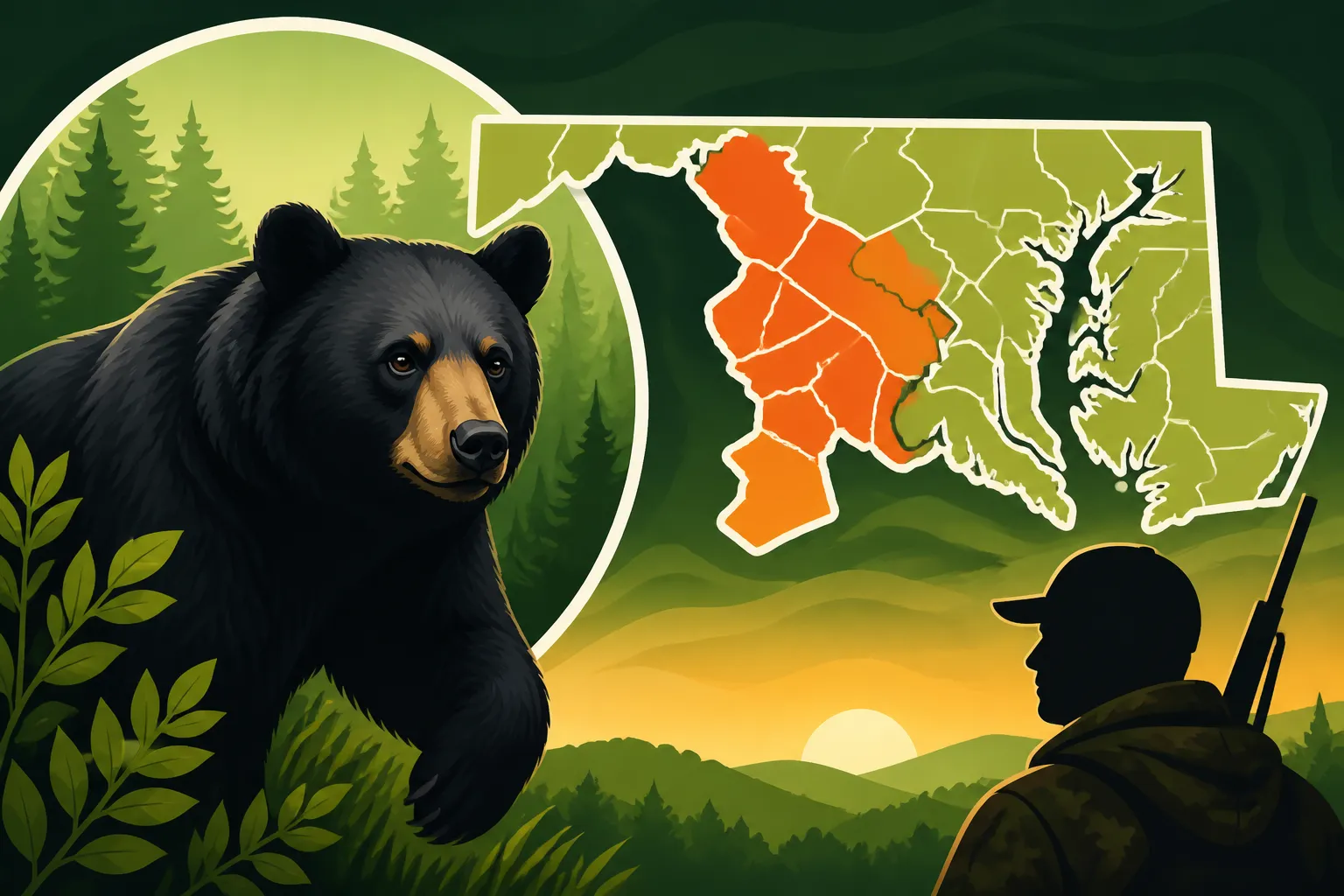
For many years, the idea of seeing a black bear in Maryland conjured images of deep woods in Garrett or Allegany counties. And while those counties remain the heart of our bear population, the reality is that these magnificent animals are on the move, and their range is steadily expanding. This isn't just a random occurrence; it's a testament to the success of conservation efforts and the bears' natural instinct to find new territory.
A Brief History of Maryland's Bear Comeback
Once upon a time, black bears roamed across much of Maryland, but habitat loss and unregulated hunting in centuries past pushed them to the brink. By the early 20th century, their numbers were critically low, confined to the most remote corners of Western Maryland. Thankfully, dedicated conservation efforts, including habitat protection and careful management by the Department of Natural Resources (DNR), have allowed Maryland's black bear population to stage a remarkable comeback. From those small, isolated populations, they've slowly but surely begun to reclaim old territories and explore new ones. It’s a conservation success story, but it also means we, as Marylanders, need to adjust our understanding of where these animals live. If you want to dive deeper, we have a whole piece on Maryland's Black Bear Population Growth that charts this amazing recovery.
Why Bears Are Roaming Further Afield
So, why are bears showing up in places like Frederick, Washington, even Carroll or Howard counties with more frequency? It boils down to a few key factors. First, the core population in Western Maryland is thriving, leading to a natural increase in competition for resources and territory. Young male bears, in particular, are notorious for dispersing, or venturing out from their mother's range, to find their own space and potential mates. They are the pioneers, often covering significant distances in search of new habitat.
Second, bears are incredibly adaptable opportunists when it comes to food. As they wander, they follow natural food corridors—riparian zones, dense woodlots, and even suburban green spaces that offer an unexpected bounty. Bird feeders, trash cans, pet food left outdoors, and even fruit trees or garden vegetables can be irresistible attractants, drawing them closer to human habitation than we might expect. This search for sustenance is a powerful driver, pushing them across county lines that we humans define but bears simply see as new ground to explore.
Common Misconceptions About Bear Habitats in Maryland
It's natural to have a mental picture of what "bear country" looks like. For many in Maryland, that means vast, unbroken forests and rugged mountains. And while those areas are indeed crucial bear habitat, believing that bears only exist there can lead to surprise and unpreparedness when one turns up unexpectedly closer to home.
Beyond the Mountains: Understanding "Bear Country"
When we think of Which Counties Hold Maryland Black Bears, Garrett and Allegany are almost always at the top of the list. These counties provide the vast tracts of forested land and remote terrain that bears need to thrive. However, bears are far more adaptable than many give them credit for. A wandering bear doesn't care about county lines or designated "bear country." They're looking for food, water, and cover. This means that a large woodlot, a dense creek bottom, or even a sprawling suburban park with good tree cover can offer temporary refuge or a travel corridor for a dispersing bear. They might not set up permanent residence, but they can certainly pass through, making appearances in areas historically free of bear sightings. For instance, a bear following a stream valley can travel many miles, finding pockets of suitable habitat even in more developed areas.
The Difference Between Sightings and Established Populations
It's important to distinguish between a transient sighting and an established, breeding population. A single bear, often a young male, might wander through Baltimore, Montgomery, or Anne Arundel County, but that doesn't mean these areas are now "bear country" in the same way Western Maryland is. These are often bears on a journey, exploring new ground. They might linger for a few days if they find an easy food source, but without ample consistent habitat and the presence of sows (female bears), they won't form a breeding population.
The DNR meticulously tracks How Maryland Counts Its Bear Population and monitors these sightings. A lone bear in an unexpected area is usually just passing through, driven by curiosity, hunger, or the natural urge to find its own territory. It's when multiple bears, or evidence of cubs, start appearing consistently in a new area that wildlife managers begin to consider it part of the expanding, more permanent range. Until then, most sightings outside the traditional Western Maryland counties are of these adventurous, transient individuals.
What to Do When You Encounter a Bear (Anywhere in Maryland)
The key to coexisting with an expanding bear population, no matter where you live or recreate in Maryland, is prevention and knowing how to react. A bear that gets used to human food sources is a bear that can become a nuisance, and that's not good for anyone, especially the bear.
Safety First: Preventing Negative Interactions
The absolute best way to manage increasing bear sightings in unexpected places is to prevent them from becoming comfortable around humans. Bears are intelligent and quick learners, especially when it comes to food. If a bear finds an easy meal at your bird feeder, trash can, or pet food bowl, it will likely return. Here are some crucial steps to take, even if you’re not in traditional "bear country":
- Secure Trash: Use bear-resistant trash cans if available, or keep your trash indoors (garage, shed) until the morning of pickup. If you're camping or hiking, pack out all food waste.
- Remove Food Attractants: Take in bird feeders, especially between April and November, which is when bears are most active. Don't leave pet food outside. Clean outdoor grills after use.
- Harvest Fruit Trees: If you have fruit trees, pick ripe fruit promptly and clean up any fallen fruit on the ground.
- Never Feed Bears: This cannot be stressed enough. A fed bear is a dead bear. They lose their natural fear of humans and can become dangerous.
- Be Aware While Outdoors: When hiking or hunting, make noise to avoid surprising a bear. While tools like GoHunt are fantastic for understanding terrain and scouting for other game like deer or turkey, they also help you identify dense cover areas where a bear might be bedded, encouraging extra caution.
If you do encounter a bear:
- Do not run. Running can trigger a chase response.
- Stay calm.
- Make yourself look as big as possible (wave arms, stand on tiptoes).
- Make noise (clap, shout).
- Back away slowly, giving the bear an escape route.
- If a bear approaches, stand your ground and be aggressive. Shout, throw rocks or sticks.
Reporting Sightings and Understanding Local Management
Even if you're not in one of the primary Which Maryland Counties Fall in Region A or the traditional bear counties, reporting a bear sighting to the Maryland Department of Natural Resources (DNR) is incredibly important. These reports help wildlife biologists track movements, understand expansion patterns, and address any potential conflicts before they escalate. It’s not about panicking; it’s about providing valuable data that contributes to sound wildlife management.
The DNR uses this information to monitor the health and spread of Maryland's Black Bear Population Growth. In areas with established populations, management might include a hunting season like Maryland's Black Bear Lottery to control numbers and prevent overpopulation, which helps maintain a healthy ecosystem. However, in counties with only transient sightings, the approach is usually focused on education and prevention, helping residents avoid attracting bears and mitigating conflicts without a hunting season. Your report helps them decide which strategies are most appropriate for a given area.
The Future of Bears in Maryland and Hunter Awareness
The return and expansion of black bears is a compelling story for Maryland's ecology. As hunters, anglers, and outdoor enthusiasts, understanding this shift is crucial, not just for safety but for appreciating the evolving landscape of our wild places.
How Bear Expansion Impacts Deer and Other Game
For the average deer hunter, the presence of a few transient bears is unlikely to have a significant impact on local deer populations. Bears are omnivores, and while they might occasionally prey on fawns, their diet is incredibly diverse, consisting largely of berries, nuts, insects, and carrion, especially What Maryland Bears Eat in Fall. They're not primarily deer predators in the same way coyotes or bobcats might be. However, their presence certainly adds another layer to the complex ecosystem. It's a reminder that we share the woods with a variety of species, all playing their part.
If you're out Scouting Maryland Public Land With Aerial Photos or even private ground, remember that bear sign might be something you encounter. Being able to differentiate bear scat, tracks, or claw marks from other animals adds to your overall woodsman skills. For most hunters, a bear sighting will be a rare and exciting experience, not a threat to their deer season success. In fact, if you're lucky enough to draw a permit, you might be interested in our guide on Hunting Bear in Maryland's Six-Day Season.
Staying Informed as a Maryland Hunter
As hunters, being informed about all wildlife in our state is part of our responsibility. Even if you don't plan on participating in Maryland's Black Bear Lottery, knowing that bears are present in an area means you might need to adjust certain habits. For instance, if you're planning to leave a game camera out, be mindful of where you place it and what scents it might attract. When retrieving a deer, especially late in the evening, be aware that bears are often active at dusk and dawn, and a gut pile can certainly attract them.
Using resources like the DNR website for up-to-date information on bear activity and sighting maps is smart. Tools like GoHunt can also offer detailed public land maps and habitat breakdowns, helping you understand the terrain you're entering and identify areas with dense cover that might appeal to a wandering bear. Being prepared for any wildlife encounter, whether it's a deer, turkey, or an unexpected bear, enhances both your safety and your overall appreciation of Maryland's wild resources. Understanding these broader wildlife trends enriches our hunting experiences and helps us contribute to responsible conservation for all of Maryland's game and non-game species.
Disclaimer
This article is for general informational purposes only and does not constitute professional advice. Laws, prices and regulations vary by location and change over time. Consult a qualified professional for guidance on your specific situation.