What to Pack for a Maryland Marsh Hunt
Heading out into the labyrinthine marshes of Maryland can be an incredibly rewarding hunting experience, whether you're after elusive Sika deer or fast-flying ducks. But let's be real, it's also a deeply challenging environment—cold, wet, muddy, and often unforgiving. Many hunters, especially those new to the marsh, underestimate just how quickly conditions can turn or how far a short walk through knee-deep muck can drain your energy. This comprehensive guide is here to ensure you pack smart, stay safe, and remain comfortable from the moment you step foot on the soggy ground until you're back at the truck, no matter what Mother Nature throws your way.
Understanding the Unique Challenges of Maryland Marshes
Hunting in Maryland's tidal marshes, particularly those stretching across Dorchester and Somerset counties, is a world away from hunting a cozy treestand in a hardwoods forest. The sheer vastness of the marsh, combined with its dynamic nature, presents a unique set of challenges that demand specific gear and preparation. You're not just dealing with cold; you're dealing with biting winds, relentless dampness, and an ever-present risk of sinking mud or rapidly changing tides. It’s an environment that tests your physical endurance and your gear's resilience.
The ground itself can be your biggest obstacle. What looks like solid footing from a distance can quickly turn into a knee-deep bog. You'll often find yourself wading through soft mud, dense phragmites, and hidden ditches, all while carrying your firearm or bow. Water levels fluctuate dramatically with the tides, meaning a path you walked dry-shod at dawn might be submerged and impassable a few hours later. This constant interaction with water means that "waterproof" isn't just a suggestion for your gear; it's an absolute necessity.
Furthermore, the weather out in the open marsh feels different. There's no dense tree cover to break the wind or block the rain, making any precipitation or cold front feel twice as severe. Fog can roll in thick and fast, disorienting even experienced hunters. These factors mean that every item you pack needs to be robust, reliable, and perfectly suited to keep you warm, dry, and safe, allowing you to focus on the hunt rather than battling the elements.
The Role of Tides and Terrain
When you're planning a marsh hunt, understanding the tides is just as crucial as knowing the moon phase for deer. A rising tide can quickly cut off your egress routes, turning a short walk back to your boat or vehicle into a dangerous swim. Conversely, a falling tide can expose vast mud flats, making boat access impossible or creating endless, sticky terrain to slog through. You absolutely must carry a tide chart and consult it regularly, not just for the day of your hunt but for the hours leading up to and following your planned exit. Reading Tide Charts Before a Marsh Hunt is essential reading for anyone venturing into this environment.
The terrain itself is a mosaic of different habitats, from deep marsh guts to islands of loblolly pine, and vast stands of dense phragmites. Each presents its own challenges. Traversing these areas can be physically exhausting. You might be post-holing through soft muck one moment, then carefully picking your way across slippery oyster shells the next. This means your footwear and overall physical conditioning are incredibly important. Your gear needs to be lightweight enough not to add unnecessary burden but durable enough to withstand constant abrasion and immersion.
Beyond the physical, there's the navigation challenge. With limited landmarks, especially in thick fog or after dark, it's incredibly easy to get turned around. This isn't your grandfather's woodlot; a compass and GPS aren't optional—they are absolutely vital survival tools. Make sure you know how to use them proficiently, even under stress, and always have backup power for electronic devices.
Weather Variability and Exposure
Maryland weather, especially during hunting season, is notoriously fickle. You could start your morning with crisp, calm air and sunshine, only to have a cold front blow in by lunchtime, bringing driving rain or even snow and sleet. Temperatures can plummet rapidly, and the wind chill across an open marsh can make 40 degrees feel like 20. Exposed to these elements, hypothermia is a real and dangerous threat.
This variability underscores the critical importance of layering your clothing. You need to be able to shed layers when working hard and piling them back on quickly when stationary. Your outermost layer must be completely waterproof and windproof. Even if the forecast calls for clear skies, pack for the worst. That old saying, "there's no bad weather, just bad gear," rings especially true in the marsh. It’s not just about comfort; it's about survival. You’ll be grateful for that extra waterproof layer when an unexpected squall blows in, far from any shelter.
Essential Clothing and Layering for Marsh Hunts
When it comes to dressing for a Maryland marsh hunt, your approach needs to be strategic, built around warmth, dryness, and the ability to adapt. Layering is not just a good idea; it's paramount to your safety and comfort. Think of it in three key components: a base layer to manage moisture, a mid-layer for insulation, and an outer shell for protection against the elements.
The goal is to prevent moisture buildup, both from external sources like rain and internal sources like sweat. Wet clothing, even in moderate temperatures, will quickly rob your body of heat, leading to hypothermia. Therefore, every layer, from your socks to your outer jacket, should be carefully chosen.
Base Layers: Managing Moisture
Your base layer is the foundation of your marsh hunting wardrobe, and its primary job is moisture management. Cotton is the enemy here; once it gets wet, it stays wet and loses all its insulating properties, chilling you to the bone. Instead, opt for synthetic materials like polyester or natural fibers like merino wool. Both excel at wicking sweat away from your skin, helping you stay dry even when you're exerting yourself.
For early season hunts, a lighter-weight base layer might suffice, but as the temperatures drop, you'll want something mid-weight or even heavy-weight. Remember, even in cold weather, hiking through thick marsh can make you sweat. Having a good base layer means that sweat is pulled away from your skin, allowing it to evaporate from the outer layers rather than sitting against you and making you cold. Look for items specifically designed for active outdoor use. Companies often design their hunting base layers with odor-control technology, which can be a nice bonus for multi-day trips or long, strenuous outings.
Mid-Layers: Insulation and Warmth
Once your base layer is doing its job, your mid-layers provide the crucial insulation that traps body heat. This is where you can really customize for the day's expected temperatures and your activity level. Fleece is a popular choice for mid-layers because it's lightweight, warm, and retains some insulating properties even when damp. Synthetic puff jackets or vests, filled with materials like Primaloft, are another excellent option, offering superb warmth for their weight and compressing easily for packing.
You might carry one or two mid-layers, depending on how cold it's projected to be. For instance, on a frigid December morning duck hunt, you might wear a heavy fleece jacket over your base layer, underneath your waders and outer jacket. If you're Still-Hunting Western Maryland Mountain Timber in less extreme conditions, a lighter fleece or wool sweater might be enough. The key is flexibility – having layers you can easily add or remove. Remember, it's far better to start slightly cold and add a layer than to start sweating profusely and then get chilled once you stop moving.
Outer Layers: Waterproof and Windproof Protection
This is arguably the most critical component of your marsh hunting attire. Your outer layers—your jacket and your waders—must be absolutely, unequivocally waterproof and windproof. There’s simply no compromising here. Look for materials with proven waterproof-breathable membranes, such as Gore-Tex or similar proprietary technologies. These allow sweat vapor to escape while preventing external water from getting in.
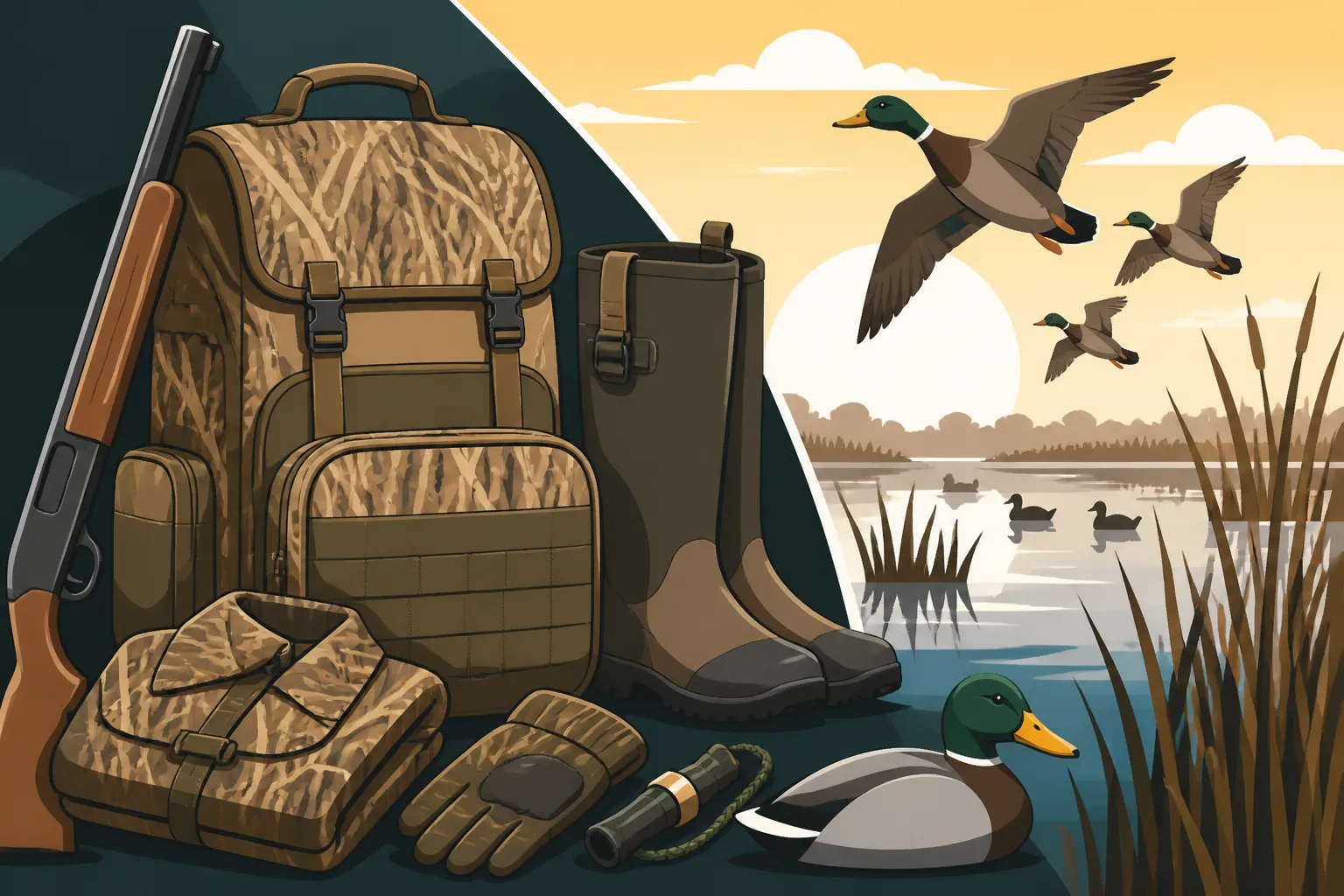
Your outer jacket should be robust, with taped seams and waterproof zippers. Pay attention to features like a good hood that allows for peripheral vision, adjustable cuffs that can seal out water, and ample pockets that are accessible even when wearing gloves. For waterfowl hunting, camouflage patterns specific to marsh environments, like cattail or phragmites designs, are highly effective. For Sika deer, traditional camo patterns work well, but the key is breaking up your silhouette.
For your legs and feet, quality chest waders are non-negotiable. Forget hip boots unless you are absolutely certain you will never step into anything deeper than your knees, which is a rare certainty in a marsh. Neoprene waders offer excellent insulation and durability, while breathable waders, often made with Gore-Tex or similar materials, are lighter and better for more active hunts or warmer early-season days, though you'll need to layer insulated pants underneath for warmth. Consider built-in boots with good traction, as walking in marsh mud can be a slippery endeavor. Remember, Hip Boots Versus Chest Waders in Sika Country often comes down to personal preference and the specific marsh you're hunting. Always consider the potential for deeper water.
Critical Gear Beyond Clothing
Once you're dressed for success, it's time to consider all the other essential items that will make your Maryland marsh hunt safer, more comfortable, and more successful. This isn't just about your weapon; it's about navigation, sustenance, communication, and basic tools that can get you out of a bind. Skimping on these items can turn a challenging day into a dangerous one.
Every item in your pack should serve a purpose and ideally be protected from moisture. Dry bags are your best friend here, keeping electronics, spare clothing, and food completely dry even if your main pack takes a dunk. When researching gear, platforms like GoHunt often have user reviews and expert recommendations that can help you select durable, marsh-ready items.
Navigation and Communication
In the featureless expanse of a tidal marsh, getting lost is a very real possibility. A reliable GPS unit (with extra batteries) loaded with good maps is indispensable. Mark your starting point, your planned route, and any notable landmarks. Don't rely solely on your phone's GPS; battery life can be fleeting in cold weather, and service can be spotty. A physical compass and a waterproof map, and the knowledge to use them, are critical backups. Scouting Maryland Public Land With Aerial Photos can help you pre-plan your routes and identify key features before you even set foot in the marsh.
Communication is equally vital. A fully charged cell phone in a waterproof case is a must, but again, don't rely on it as your sole means of communication. Consider a satellite messenger or a two-way radio if you're hunting with a partner. These devices can literally be lifesavers if you get stranded, injured, or simply need to direct help to your exact location. Always let someone know your float plan or hunting area and your expected return time.
Weapons, Ammunition, and Optics
Your choice of weapon for a marsh hunt will depend on your quarry. For Sika deer, a bow, muzzleloader, or shotgun with slugs are common, given the dense cover and often shorter shooting distances. For waterfowl, a shotgun is the obvious choice. Regardless, ensure your weapon is clean, functioning properly, and sighted in.
Ammunition storage is crucial. Carry extra shells or cartridges in a waterproof container, easily accessible but protected from the elements. Nobody wants to discover their ammo is soaked when the birds are flaring or a Sika stag whistles nearby. A good pair of waterproof binoculars is incredibly useful for scanning distant marsh edges for Sika or identifying approaching waterfowl. For Sika, a rangefinder is also a smart addition, helping you accurately judge distances in a landscape that can play tricks on your eyes. When planning a hunt, checking outfitters on platforms like BookYourHunt often reveals what gear they recommend or even provide, giving you clues as to what you might need.
Food, Water, and Emergency Supplies
Staying hydrated and fueled is essential for maintaining energy and warding off hypothermia. Pack plenty of water in an insulated bottle to prevent it from freezing. High-energy snacks like trail mix, energy bars, and jerky are perfect for quick boosts. Avoid anything that can freeze solid or get easily crushed.
Your emergency kit should be compact but comprehensive:
- First-aid kit: Including bandages, antiseptic wipes, pain relievers, and any personal medications.
- Fire starter: Waterproof matches, a lighter, or a ferro rod. Even if you don't plan a fire, it's a critical survival tool.
- Headlamp or flashlight: With extra batteries, as marsh hunts often begin well before dawn and end after dusk. Wading Into a Dorchester Marsh Before Daylight and then exiting in the dark requires reliable light.
- Knife or multi-tool: Always handy for various tasks.
- Whistle: For signaling in an emergency.
- Trash bag: To pack out all your waste, including spent shell casings. Leave no trace.
- Emergency blanket or bivy sack: Lightweight options that can provide critical warmth if you're stuck out longer than planned.
- Small shovel or trowel: Especially useful if you need to dig a quick blind or get out of deep mud.
Preparing for the Unexpected: Safety and Contingency Items
No matter how meticulous your planning, marsh hunting invariably throws curveballs. The tide might come in faster than expected, you could take an unexpected tumble, or the weather could deteriorate in a flash. Having a well-thought-out safety plan and a bag packed with contingency items isn't being paranoid; it's being smart. It could truly be the difference between a minor inconvenience and a serious emergency.
Water Safety Gear
If your hunt involves a boat, even a small skiff or kayak for access, personal flotation devices (PFDs) are non-negotiable. Maryland law requires them, but beyond legality, they save lives. Make sure everyone on board has a properly fitting PFD and wears it, especially in cold water. Boat Safety on the Chesapeake in December is a serious consideration, as cold water immersion can lead to incapacitation in minutes.
Beyond PFDs, consider items like a throw rope, a marine-band radio, and navigation lights if you'll be operating a boat in low light. A bilge pump, even a hand-operated one, can be a lifesaver if your vessel starts taking on water. Anchor and sufficient line, oars or paddles (even on a motorboat), and a full tank of fuel are also crucial. Remember, the marsh can be unforgiving, and help might be a long way off.
Signaling and Emergency Tools
In case you become separated from your group, get lost, or need rescue, signaling devices are vital. A bright, powerful headlamp or flashlight can also serve as a signal, especially when used in conjunction with an emergency whistle. Some hunters also carry a small signal mirror or brightly colored flagging tape to mark their position or trail if they need to leave a message.
A robust and sharp knife is a fundamental tool for any hunter, but especially in the marsh. It can be used for everything from field dressing game to cutting entangled line or rope in an emergency. Consider having two knives—a fixed blade on your belt for easy access and a folding multi-tool in your pack.
Repair Kits and Comfort Items
Small repair kits can save your hunt. A patch kit for waders, some duct tape, zip ties, and a small amount of cordage can fix unexpected gear failures on the fly. Losing the functionality of your waders due to a small puncture can end your hunt early and make for a miserable, cold walk back.
Don't underestimate the power of a few comfort items. A small hand warmer can make all the difference on a frigid morning, especially if you're not moving much. A lightweight, waterproof kneeling pad can keep you dry and comfortable when setting up a makeshift blind. A dry pair of socks, sealed in a plastic bag, is pure gold if your feet get wet—or even just for the drive home. These small luxuries can significantly improve your morale and endurance, allowing you to stay out longer and enjoy the experience more.
A Quick Marsh Hunt Packing Checklist
To help you get organized, here’s a quick overview of what you’ll want to consider for your Maryland marsh hunt. This isn't exhaustive, but it covers the non-negotiables.
| Category | Essential Items | Notes |
|---|---|---|
| Clothing | Moisture-wicking base layers (top & bottom) | Merino wool or synthetic, avoid cotton. |
| Insulating mid-layers (fleece, synthetic puffy) | Layer according to expected temps. | |
| Waterproof/windproof outer jacket | Gore-Tex or similar, marsh camo recommended. | |
| Chest waders with insulated boots | Neoprene for warmth, breathable for activity. | |
| Warm, wicking socks (multiple pairs) | Merino wool is excellent, bring extra dry pairs. | |
| Waterproof gloves or mittens | With dexterity for shooting. | |
| Warm hat and neck gaiter | Essential for heat retention in cold wind. | |
| Navigation & Safety | GPS unit with extra batteries | Pre-loaded maps, mark waypoints. |
| Compass and waterproof map | Know how to use them as backup. | |
| Fully charged cell phone in waterproof case | For emergencies, limited service possible. | |
| PFD (if hunting from a boat) | Always wear it on the water. | |
| Headlamp or flashlight with extra batteries | Reliable light for dark mornings/evenings. | |
| Whistle and signal mirror | For signaling help. | |
| Basic first-aid kit | Bandages, pain relievers, personal meds. | |
| Fire starter (waterproof matches, lighter) | For emergency warmth/signaling. | |
| Hunting Specifics | Firearm/Bow and appropriate ammunition | Stored in a waterproof container. |
| Binoculars (waterproof) | For spotting game. | |
| Rangefinder (for Sika) | Accurately judge distances. | |
| Game calls (duck calls, Sika grunt tube) | Practice before the hunt! | |
| Decoys and decoy bag/sled (for waterfowl) | Appropriate for marsh conditions. | |
| Blind material or portable blind | To conceal yourself effectively. | |
| Food & Hydration | Water bottles (insulated) | Plenty of water to stay hydrated, prevent freezing. |
| High-energy snacks | Bars, nuts, jerky. | |
| Miscellaneous | Dry bags (various sizes) | To protect electronics, extra clothes, food. |
| Knife or multi-tool | Essential for many tasks. | |
| Trash bags | Pack out everything you pack in. | |
| Small shovel or trowel | For digging, if needed. | |
| Sunscreen and insect repellent | Even in winter, sun can reflect off water; mosquitos can be year-round. | |
| Zip ties, duct tape, cordage | For emergency repairs. | |
| Hand warmers | For cold extremities. | |
| Dry change of clothes for after the hunt | Keep in the vehicle for comfort. |
A successful and enjoyable marsh hunt in Maryland comes down to thorough preparation. By understanding the environment, dressing appropriately, and packing the right gear, you'll be ready for whatever the marsh throws your way, allowing you to fully immerse yourself in the unique challenge and beauty of Sika Deer Hunting in Maryland's Tidal Marshes or Waterfowl Hunting Maryland's Chesapeake Bay. Good luck out there!
Disclaimer
This article is for general informational purposes only and does not constitute professional advice. Laws, prices and regulations vary by location and change over time. Consult a qualified professional for guidance on your specific situation.