What a Maryland Guide Cannot Do for You
So, you're dreaming of a Maryland hunting adventure, maybe chasing sika deer through the marshes or calling in a gobbler in the rolling hills, and you're thinking about hiring a guide to help make it happen. That's a fantastic idea, as a good guide can seriously enhance your experience. But before you book, it's really important to understand that a guide, as amazing as they are, isn't a magical solution to every aspect of your hunt. There are specific things they simply cannot do for you, and knowing these limitations upfront will help you set realistic expectations and ensure a smooth, successful trip. This guide will walk you through what those boundaries are, helping you understand your own responsibilities when you step into the field with a Maryland outfitter.
Legal and Ethical Boundaries Guides Must Observe
When you hire a guide, you're essentially partnering with a professional who operates within a strict framework of laws and ethical standards. These aren't just suggestions; they are the bedrock of responsible guiding, and they directly limit what a guide can, and absolutely cannot, do for you. They're there to protect the resource, ensure fair chase, and keep everyone safe and legal.
No Guarantee of a Kill or Trophy Animal
Let's get this one out of the way first, because it's probably the most common misconception. No legitimate Maryland guide can, or ever will, guarantee you a kill, let alone a trophy animal. Hunting, by its very nature, is unpredictable. It involves wild animals, changing weather, varying animal behavior, and a hefty dose of luck. A guide's job is to put you in the best possible position to succeed, using their knowledge of the land, the animals, and their behavior. They spend countless hours scouting, setting up blinds, and monitoring patterns, all to maximize your opportunity.
However, once you're in that prime spot, it's still hunting. The deer might not show, the geese might flare, or the turkey might hang up just out of range. Even if an animal presents itself, the shot is ultimately yours to take, or not take. Any guide who promises a guaranteed kill is either operating unethically or simply trying to get your business with false pretenses, and that's a huge red flag you want to avoid. Focus on the experience and the opportunity they provide, rather than an ironclad guarantee of success.
Strict Adherence to Bag Limits and Season Dates
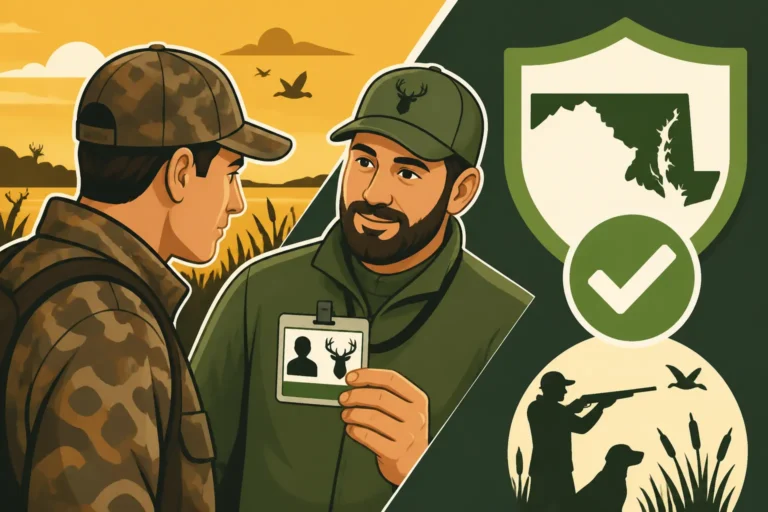
Maryland has very specific rules about when you can hunt, what you can hunt, and how many animals you can take. These regulations cover everything from deer bag limits to Maryland Turkey Seasons and Permits and Maryland Waterfowl Zones and Season Dates. A licensed guide is not only aware of these rules but is legally and ethically bound to ensure you, as their client, also abide by them. They cannot, under any circumstances, allow you to exceed your daily or seasonal bag limits, hunt out of season, or take an animal that is not legal (for example, shooting a spike buck if you've already used your "skip" tag under Maryland's three-point antler rule, or harvesting a hen turkey in a gobbler-only season).
Think of your guide as your co-pilot for legality in the field. They're there to help you identify legal game and ensure your hunt stays within the bounds of the law. If you shoot an extra duck or take a second buck you're not permitted for, the guide shares responsibility for that violation. Good guides prioritize conservation and ethical hunting above all else, and they will not compromise their license or reputation by bending the rules for a client. You should expect them to politely, but firmly, remind you of these regulations throughout your hunt.
Prohibition Against Hunting on Unpermitted Land
Access to good hunting land is often a primary reason hunters hire a guide. Guides typically have established relationships with landowners, private leases, or permits to operate on certain public lands. However, a guide cannot take you hunting on land for which they do not have proper permission or permits. This includes private property without landowner consent, or public lands where specific permits or reservations are required that they haven't secured. Maryland's Trespass and Permission Law is quite clear on this.
Reputable guides maintain meticulously organized records of their land access agreements, whether they are formal leases, written permissions, or public land permits. They invest significant time and resources into securing quality hunting ground. If a guide suggests hunting a "hot spot" that sounds too good to be true, or is vague about their access, proceed with caution. You're responsible for ensuring you're legally hunting, even under a guide's direction. Asking a guide about their specific land access arrangements before booking is a perfectly reasonable and responsible question.
Services Beyond a Guide's Scope
While a guide handles a lot of the logistical heavy lifting, there are certain core responsibilities and services that remain squarely on your shoulders or are outside the typical offering of a guiding service. Understanding these helps you prepare properly and avoids any awkward surprises in the field.
Handling Your Licensing and Permits
This is a big one. While a guide can certainly advise you on what licenses and stamps you'll need for your Maryland hunt – pointing you to the Maryland Resident Hunting License Cost or explaining the Maryland Sika Deer Stamp Rules – they absolutely cannot purchase these for you. Securing your hunting license, relevant stamps (like migratory bird stamps, archery stamps, or sika deer stamps), and any necessary permits (like a specific public land permit or a bear lottery permit) is your individual responsibility.
Maryland hunting licenses often require personal information, sometimes even hunter education certification numbers, and are tied directly to you. While some outfitters might offer assistance by guiding you through the COMPASS online system or providing links, the actual transaction and verification of your eligibility are entirely up to you. You need to ensure you have all required documents in hand, physically or digitally, before you ever step into the field. Imagine showing up for a pre-dawn goose hunt only to realize you forgot your migratory bird stamp – that's a quick way to derail a pricey trip!
Providing Firearms or Ammunition
Unless explicitly stated as part of a very specialized package – which is rare for traditional big game or waterfowl hunts in Maryland – your guide will not provide your firearms or ammunition. You are expected to bring your own legal and properly sighted-in weapon for the hunt, along with an adequate supply of ammunition. This is critical for several reasons: personal preference, familiarity, and safety. You should always hunt with equipment you are comfortable and proficient with.
There are exceptions, of course. Some shooting preserves or specific target-shooting experiences might offer firearm rentals. However, for a typical guided hunting trip for deer, turkey, or waterfowl in Maryland, you'll need your own shotgun, rifle, muzzleloader, or bow. If you're traveling from out of state, be sure to understand all federal and state laws regarding interstate transport of firearms. Your guide can't circumvent these laws for you. If you need to borrow a gun, it should be arranged well in advance, and you'd still be responsible for bringing your own ammunition of the correct gauge or caliber, ensuring it complies with Maryland's Legal Weapons by County.
Processing Your Game Beyond Field Dressing
When you successfully harvest an animal, your guide will almost always assist you with field dressing it and getting it out of the field. This is standard procedure and a crucial part of preserving the meat. They'll help you get that sika stag out of the marsh or that whitetail buck off a mountain ridge. However, beyond that initial field dressing, the subsequent processing of your game is generally not included in the guiding fee. This means skinning, butchering, packaging, and freezing.
You'll be responsible for arranging for your animal to be taken to a local deer processor or butcher. Your guide might have recommendations for reputable facilities nearby, which is a huge help, but the cost of that processing will be yours. If you plan to take the meat home with you, especially if you're traveling a long distance, you'll also need to factor in cooler space, ice, and any regulations for transporting game across state lines. Some guides might offer to arrange this for an additional fee, but it's not part of the base service. Understanding this upfront helps manage expectations for the end of a successful hunt.
Personal Responsibilities That Remain Yours
Even with a top-notch guide leading the way, a significant portion of the hunting experience, and certainly the ultimate success, hinges on your preparation and capabilities as a hunter. A guide is an expert facilitator, but they can't magically imbue you with skills or knowledge you haven't cultivated yourself.
Your Role in Shooting Proficiency and Gear Prep
You absolutely cannot expect your guide to make you a better shot or to compensate for equipment malfunctions that could have been avoided. Your shooting proficiency is 100% your responsibility. Before any guided hunt, especially one involving a significant investment, you should spend ample time at the range, practicing with the exact firearm or bow you intend to use. This means knowing your effective range, shooting from various positions you might encounter in the field, and practicing quick, ethical shot placement. A guide can help you steady yourself or provide a shooting rest, but they can't pull the trigger accurately for you.
Similarly, ensuring your gear is in top working order falls on you. Is your bow sighted in? Are your shotgun chokes appropriate for the birds you're targeting? Are your boots waterproof, your layers adequate for potential cold fronts, and your optics clear? A guide will expect you to arrive with reliable, functional equipment. Nothing is more frustrating for a guide than a client whose hunt is hampered by preventable gear issues or an inability to make a clean shot when an opportunity arises. This is especially true on fast-paced hunts like Decoying Divers on Maryland's Open Bay or during the brief chances presented when Calling Sika Stags During the September Whistle.
Physical Fitness and Mental Preparedness
Hunting in Maryland, particularly in certain areas, can be physically demanding. Whether you're navigating the thick, mucky marshes for sika deer, trudging through snow in Western Maryland's mountains for whitetails, or spending long hours sitting in a cold goose blind, a certain level of physical fitness is required. A guide cannot carry you, nor can they alter the terrain or the weather. They will tailor the hunt to your expressed abilities where possible, but you need to be honest with yourself and your guide about your physical limits.
Beyond the physical, mental preparedness is key. This includes patience, resilience, and a positive attitude. Hunting often involves early mornings, long waits, and sometimes, no action. A guide cannot maintain your morale or keep you focused if you're mentally checked out. The ability to remain quiet, still, and alert for extended periods, even when cold, tired, or bored, is crucial. If you're not used to these conditions, practice some mental resilience before your trip. This ensures you're ready when that critical moment finally arrives.
Understanding Maryland's Hunting Regulations
While your guide is there to ensure legal compliance during the hunt itself, you, as the hunter, are ultimately responsible for knowing and understanding Maryland's hunting laws and regulations. You cannot rely solely on your guide to know every single nuance of the law, especially when it comes to personal license requirements, harvest reporting, or county-specific rules. For instance, Maryland's Sunday Hunting Rules by County vary significantly, and it’s important to know which days and locations allow you to hunt.
Before your trip, take the time to read the current Maryland Guide to Hunting & Trapping. Familiarize yourself with season dates, bag limits, legal shooting hours, weapon restrictions (especially if you're using something like an airgun or crossbow, which have specific rules), and blaze orange requirements. Platforms like GoHunt or even the Maryland DNR website are excellent resources for this. If you have questions, clarify them with your guide before the hunt begins, or better yet, call the Maryland Department of Natural Resources directly. Your guide is not an attorney and cannot provide legal interpretations of complex regulations, but they can clarify practical application in the field.
Financial and Logistical Limitations
Booking a guided hunt involves a financial investment, and it's essential to understand exactly what that investment covers. Guides operate businesses, and like any business, they have clear boundaries on their financial and logistical responsibilities. What you see advertised as the "hunt cost" often doesn't encompass every potential expense.
Covering Unexpected Travel or Lodging Costs
Your guiding fee almost exclusively covers the actual hunting experience: the guide's time, their scouting efforts, land access (if private), decoys, boats, blinds, and field transportation. It rarely, if ever, includes your travel to Maryland, accommodations before or after the hunt, or meals outside of what might be explicitly stated in a premium, all-inclusive package. What a Maryland Guided Hunt Costs will typically break this down.
If your flight is delayed, leading to an extra night in a hotel, that cost is yours. If you decide to extend your stay to explore the area, your lodging expenses are on you. Some guides might have partnerships with local hotels or suggest places to stay, but the booking and payment are your responsibility. Always factor in these additional travel and lodging costs when budgeting for your guided trip. Discuss these details with your outfitter well in advance to avoid any surprises. Reputable services found on platforms like BookYourHunt will usually detail what's included and what isn't.
Accommodating Last-Minute Schedule Changes
Life happens, and sometimes unexpected events force changes to plans. However, a guide cannot always accommodate last-minute changes to your schedule, especially without financial implications. Guides run tight schedules, often with back-to-back bookings, especially during peak seasons like Hunting the Rut in Early to Mid November for deer or the fall migration for waterfowl. Their time is their livelihood.
If you need to reschedule due to a personal emergency or travel delay, understand that cancellation policies are typically strict. You might forfeit your deposit or be required to pay a rescheduling fee. Weather, especially severe weather that makes hunting unsafe or impossible, is usually the only exception. Even then, compensation often comes in the form of a rescheduled hunt, not a refund. Always review the guide's deposit and cancellation terms carefully before booking. Consider travel insurance for expensive trips to protect against unforeseen circumstances on your end.
Providing Insurance for Your Personal Gear or Injuries
While a professional guide should carry liability insurance for their operation, this insurance typically covers their negligence or the risks associated with their equipment. It does not cover your personal hunting gear if it gets lost, stolen, or damaged, nor does it typically cover your medical expenses in the event of an injury that isn't directly due to the guide's actions or negligence.
You are responsible for insuring your own valuable hunting equipment, such as firearms, optics, and expensive outerwear. It's wise to check your homeowner's or renter's insurance policy to see if these items are covered, or to purchase a separate rider. For personal injury, your own health insurance is your primary coverage. While guides prioritize safety, accidents can happen in the field, especially in remote or rugged terrain. Signing an outfitter liability waiver is a common practice, acknowledging these inherent risks. Be prepared with your own coverage.
What a Guide Can Realistically Offer (A Brief Contrast)
After discussing all the things a guide cannot do, it's worth briefly touching on the immense value and assistance they can bring to your hunt. This contrast helps to reinforce realistic expectations and highlight why hiring a guide can still be an incredibly rewarding decision. They truly are professionals who can elevate your hunting experience in numerous ways.
Expertise and Access
What a guide does provide is unparalleled expertise. They intimately know the local landscape, animal movements, patterns, and behaviors. They understand Wind and Thermals in Western Maryland Terrain or How Tides Move Marsh Game Around. Their scouting is meticulous, often utilizing tools like Scouting Maryland Public Land With Aerial Photos combined with boots-on-the-ground knowledge. They can interpret fresh sign, predict animal movements based on weather, and adapt strategies on the fly. This knowledge is invaluable, especially for out-of-state hunters or those unfamiliar with specific Maryland regions or game species.
Furthermore, guides often provide access to prime hunting grounds, whether it's private land leased specifically for hunting or hard-to-reach public areas requiring specialized equipment like boats for Marsh Hunting Sika Deer by Boat. This access saves you countless hours of scouting and door-knocking, immediately putting you in a better position than if you were hunting unknown territory solo. This local insight and logistical advantage are the core reasons to consider a guided trip.
Enhanced Safety and Experience
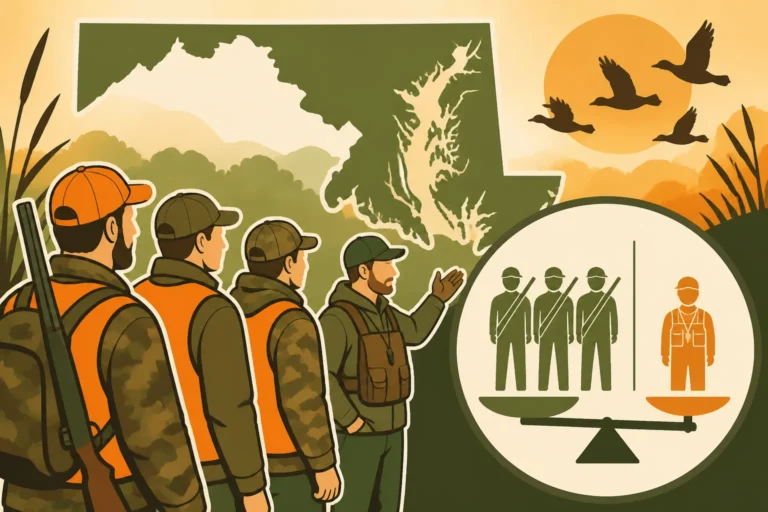
Beyond just finding game, a good guide significantly enhances your safety in the field. They know the terrain, understand potential hazards, and are often trained in first aid. When you're Wading Into a Dorchester Marsh Before Daylight, having an experienced hand navigating currents, deep mud, and submerged obstacles is a huge comfort and safety net. They ensure proper blind placement, safe shooting lanes, and adherence to all safety protocols, especially when hunting with others in a group.
Finally, a guide helps curate a more enjoyable and educational experience. They can share stories, teach you about the local ecology, explain nuances of animal behavior, and offer tips on calling or tracking. They manage the logistics, allowing you to focus purely on the hunt. For many, the camaraderie and learning gained from hunting with a seasoned local expert are just as valuable as the game harvested. They make the complex world of Maryland hunting feel accessible and less daunting, especially for those new to a specific area or species.
Understanding what a Maryland guide cannot do is just as important as knowing what they can do. It empowers you to be a more prepared, responsible, and ultimately, more successful hunter. By taking care of your personal responsibilities – from licenses to shooting proficiency – you can fully leverage the incredible expertise and opportunities that a professional guide offers, turning your Maryland hunting dreams into fantastic realities.
Disclaimer
This article is for general informational purposes only and does not constitute professional advice. Laws, prices and regulations vary by location and change over time. Consult a qualified professional for guidance on your specific situation.