What a Guided Layout Boat Hunt Is Like
Chasing diver ducks on the open waters of the Chesapeake Bay can be an exhilarating, yet incredibly challenging endeavor, especially if you're venturing out for the first time. The thought of lying prone in a small boat on big water, waiting for fast-flying canvasbacks or bluebills, can be daunting for many hunters. This guide is here to walk you through exactly what you can expect from a guided layout boat hunt in Maryland, demystifying the experience so you can prepare for an unforgettable day on the water.
Preparing for Your Layout Boat Adventure
The initial steps to any guided hunt are crucial, and a layout boat hunt is no exception. It's not just about showing up; it's about understanding what you're getting into and making sure you've got the right mindset and gear. When you book a trip, especially through platforms like BookYourHunt, you'll want to be clear on what the guide provides versus what you need to bring yourself.
The Initial Briefing and Gear Check
Before you even step foot near the water, a good guide will provide a thorough briefing. This usually happens either the night before, over the phone, or first thing in the morning at the meeting spot. They'll cover the forecast – wind is king on a layout boat hunt – and discuss safety protocols for open water. This isn't just a formality; it's vital information. You'll learn about the species they expect to target, the general game plan for the morning, and what their expectations are for your shooting abilities. It’s a great time to ask any last-minute questions, like where you can find a good place for Maryland Migratory Bird Stamp Requirements or to clarify the Federal Duck Stamp Rules for Bird Hunters.
Your guide will also do a quick gear check. This isn't to judge your fancy new waders, but to ensure you have the essentials for warmth and safety. Think about it: you're going to be lying flat, often exposed to the elements, with cold Bay water only inches away. Layers are absolutely paramount – moisture-wicking base layers, insulating mid-layers, and a waterproof, windproof outer shell are non-negotiable. Don't forget a warm hat and gloves, even if the air feels mild on shore. The guide will often have extra life vests, but they'll want to make sure you're properly dressed for potential exposure.
Understanding the Layout Boat Concept
Many hunters are familiar with hunting from a traditional blind along a shoreline, or even out of a conventional boat blind. But a layout boat is a completely different animal. Imagine a low-profile, coffin-like vessel designed to blend seamlessly into the decoy spread on open water. You lie down, face up, often with only your head and shoulders visible, sometimes even less. This incredibly effective concealment is key to fooling wary diver ducks.
The frustration for many first-timers is the feeling of vulnerability or the sheer novelty of it. It’s a unique experience that removes much of the usual cover. You’re not hidden behind cattails or in a pit blind; you are essentially part of the water. The guide’s larger tender boat, which transports you and the layout boats, will typically set the decoys and then position the layout boats within the spread. They'll anchor the layout boat securely and then retreat to a distance, often behind a point or out of sight, to manage the hunt and retrieve downed birds. This means you're often alone, or with one hunting partner, in the layout boat in the middle of a vast body of water. It sounds intimidating, but with a licensed guide, it’s a controlled and thrilling environment. You'll quickly appreciate how this setup allows ducks to decoy right into your lap, often landing within feet of the boat.
The On-the-Water Experience
This is where the rubber meets the road, or more accurately, where the hull meets the waves. Once the prep work is done, the real adventure of Decoying Divers on Maryland's Open Bay begins.
The Ride Out and Decoy Spread
Your day will likely start well before sunrise. You'll meet your guide, load your gear into their sturdy tender boat, and motor out into the pre-dawn darkness. The ride itself can be an experience, cutting across choppy waves or gliding silently through fog. Your guide will navigate using GPS and local knowledge, heading for prime areas where Diving Ducks of the Chesapeake are known to feed and rest. Safety is paramount during this phase, especially when considering Boat Safety on the Chesapeake in December.
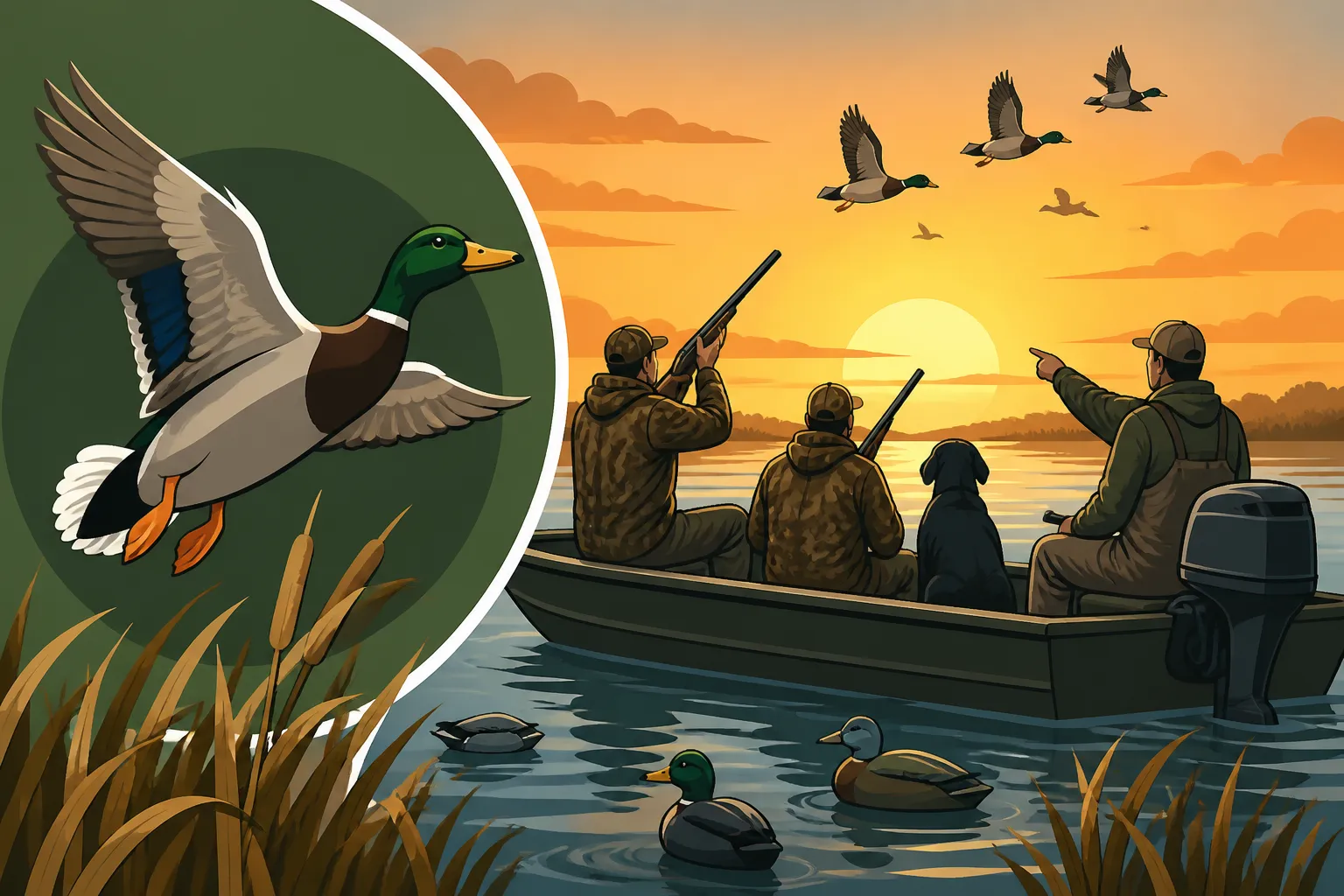
Once on location, the work begins. Your guide will deploy a massive spread of decoys, often hundreds, meticulously arranged to mimic a natural raft of feeding or resting divers. This isn't just tossing them out; there's an art to it, considering wind, current, and the natural flight patterns of the ducks. Once the spread is set, the layout boats are carefully towed into position within the decoys. You'll climb in, lie down, and the guide will cover you with a specialized flap or netting, leaving you almost invisible. The tender boat will then move off, leaving you to the stillness of the Bay and the anticipation of the flight. It's a surreal moment, lying there, feeling the gentle rocking of the boat, surrounded by lifelike decoys, watching the sky lighten.
Inside the Layout Boat: Patience and Pounding Hearts
Once tucked into the layout boat, patience becomes your greatest virtue. The world shrinks to the view directly above you, and perhaps a small glimpse of the decoy spread around your head. The sounds of the Bay, often muffled by the low profile, become amplified: the slap of waves against the hull, the distant cries of gulls, and then, the frantic wing beats of approaching ducks. This is where the magic truly happens. Ducks, seeing what they believe to be a safe resting area, will often commit fully to the spread.
You'll hear the guide on the radio, whispering directions, or sometimes the silence will be broken by the rush of wings overhead. The guide will typically call out "Coming!" or "Get ready!" and you'll prepare to sit up and shoot. The sudden rush of adrenaline as a flock of Canvasbacks barrels in, cupped wings and feet down, is unlike any other hunting experience. You'll rise up, shoulder your shotgun, and the action will unfold quickly. The closeness of the shots is often surprising – these ducks are right there. Managing your gun, staying steady on the rocking boat, and making ethical shots are all part of the challenge. Don't be afraid to ask your guide about What a Guide Expects You to Shoot Well beforehand, so you can practice.
Calling the Shot and Ethical Hunting
In a guided layout boat hunt, the guide is typically the one calling the shots, literally. They'll be watching from the tender boat, often with binoculars, identifying incoming birds, making sure they are within range, and ensuring everyone in the layout boat is ready. When they say "Take 'em!", it's time to rise and shoot. This system ensures safety, maximizes opportunities, and helps prevent sky-busting or taking shots at ducks that aren't fully committed.
Ethical hunting is paramount. This means ensuring clean kills and making every effort to retrieve downed birds. On open water, a wounded bird can quickly disappear, especially if there's a strong current or chop. This is where the guide's expertise, and often a well-trained retriever, truly shines. The goal isn't just to shoot ducks, but to harvest them responsibly. The guide will stress this during your briefing. If you're using a resource like GoHunt to research potential guides, look for those with strong reputations for ethical practices and high retrieval rates.
After the Shots: Retrieval and Wrap-Up
The hunt doesn't end when the shooting stops. There's a whole process of retrieval, packing up, and getting back to shore that’s just as integral to the experience.
Dog Work and Bird Collection
Once the shooting for a particular flock is done, or if a bird needs to be retrieved quickly, the tender boat will approach. This is often when a well-trained retriever gets to shine. Watching a skilled dog work the choppy water, picking up ducks one by one, is truly a sight to behold and adds another layer of enjoyment to the hunt. The guide will skillfully maneuver the tender boat to collect all downed birds, ensuring none are lost to the Bay. They'll also manage any re-positioning of the layout boats or decoys if the wind or current has shifted things around.
You might be asked to help collect any birds that are close to your layout boat, or simply to keep an eye out for any cripples that might be swimming away. This teamwork is part of the experience. It's a far cry from a static field hunt; the dynamic nature of open water means constant vigilance and quick action are often required for successful retrieval. The efficiency of this process is often a hallmark of a seasoned waterfowl guide.
The Journey Back and Processing
As the morning progresses, and depending on the success and the specific hunt package, the guide will eventually call the hunt. You'll climb out of the layout boat, which will then be picked up by the tender. All the decoys will be pulled and stowed, a surprisingly physical task that often takes a good amount of time and effort. The boat ride back to the dock is usually a time for reflection, storytelling, and perhaps a hot cup of coffee. It’s also a great opportunity to learn more from your guide about Maryland Waterfowl Zones and Season Dates or local bird behavior.
Once back at the dock, the guide will typically help you unload your gear and often assist with breasting or cleaning your birds. Some guides even have relationships with local processors if you want to take the full bird home. Remember to consider Tipping a Maryland Guide for their hard work, expertise, and dedication to your experience. Their efforts from pre-dawn setup to post-hunt cleanup are extensive and deserve recognition.
Why Choose a Guided Layout Boat Hunt?
Deciding whether to book a guided layout boat hunt involves weighing the benefits against the desire for a DIY adventure. For many, especially those new to this specific type of hunting, a guide is invaluable.
Expert Knowledge and Safety
Open water hunting, particularly on a large body like the Chesapeake Bay, presents unique challenges and safety considerations. Currents, tides, sudden weather changes, and dense fog can all turn a fun day into a dangerous one very quickly. This is where a licensed Maryland waterfowl guide becomes indispensable. They possess the necessary Boat Safety on the Chesapeake in December knowledge, navigation skills, and appropriate safety equipment to ensure your well-being. They understand the intricacies of setting a spread for Hunting From a Maryland Offshore Stake Blind or choosing the right water depth and bottom type for diver ducks.
Furthermore, a guide knows the local bird patterns, where the ducks are feeding, and how they react to different weather conditions. This expert knowledge drastically increases your chances of success. Instead of spending days scouting and learning the nuances of a new area, you can tap into years of accumulated experience. When researching, make sure to verify the guide's credentials; information on Checking Whether a Guide Is Actually Licensed is readily available through state wildlife agencies.
Access to Prime Waters and Equipment
One of the biggest hurdles for any aspiring layout boat hunter is the equipment. Owning a tender boat capable of safely navigating the Bay, multiple layout boats, and hundreds of high-quality decoys is a significant investment. A guided hunt eliminates this barrier, providing you with top-of-the-line gear and access to prime hunting locations that might otherwise be unreachable or unknown.
Guides often have private access points or know public waters that are less pressured. They spend countless hours scouting before the season and throughout it, constantly adjusting to where the birds are. This means you're not just buying a hunt; you're buying access to prime hunting ground and professional-grade equipment that would take years and a considerable sum to acquire yourself. For those who want to experience the thrill of Running a Layout Boat for Sea Ducks or targeting specific diver species without the massive upfront cost and logistical headache, a guided trip is the perfect solution.
Disclaimer
This article is for general informational purposes only and does not constitute professional advice. Laws, prices and regulations vary by location and change over time. Consult a qualified professional for guidance on your specific situation.