Maryland Outfitters on the Upper Eastern Shore
Trying to plan a hunting trip to Maryland's Upper Eastern Shore can feel like trying to navigate a dense fog – there are so many options, so many fields, so many guides, and it's tough to know where to even begin. For many hunters, the dream of a classic Eastern Shore hunt is strong, but the practicalities of finding a reputable outfitter who truly understands the local game and conditions can be daunting. This guide is here to cut through that fog, walking you through everything you need to know about finding, vetting, and booking the best outfitters in this iconic hunting region, ensuring your trip is not just successful, but truly memorable.
The Allure of Maryland's Upper Eastern Shore for Hunters
Maryland's Upper Eastern Shore, encompassing counties like Kent, Queen Anne's, and Cecil, is steeped in hunting tradition. It’s a landscape defined by expansive grain fields, meandering tidal rivers, vast marshlands, and mature timber blocks. This unique blend creates an incredibly diverse ecosystem that supports a rich array of game, making it a prime destination for hunters from all over. It’s not just about the numbers; it’s about the experience of hunting in a place where generations have pursued game.
Diverse Habitat and Abundant Game Species
The mosaic of agricultural fields — think cut corn, soybeans, and winter wheat — alongside dense woodlots and proximity to the Chesapeake Bay and its tributaries, provides ideal habitat for multiple species. You've got massive flocks of Canada geese that use these fields for feeding, alongside a healthy population of resident birds. Then there are the ducks, both puddle and diver species, using the network of creeks, rivers, and the Bay itself. Deer thrive in the cover of the woods and the abundant food sources provided by agriculture. It's a truly dynamic environment that offers a different challenge and reward depending on where you set up.
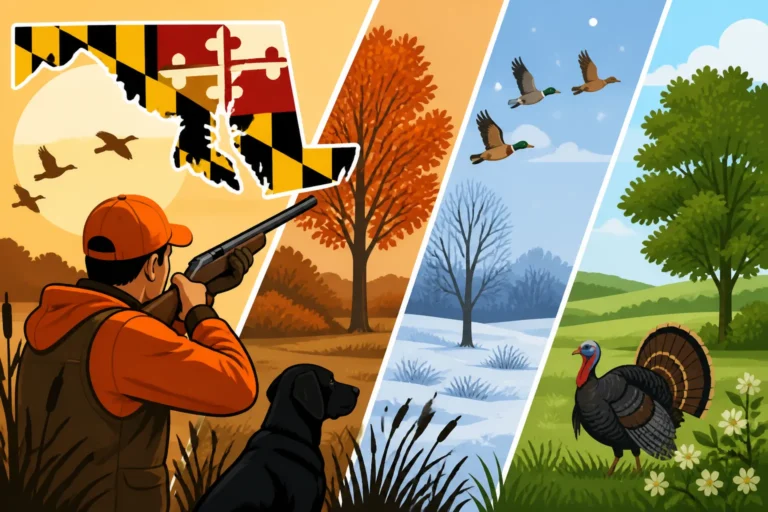
Beyond the well-known waterfowl and deer, the Upper Shore also holds a solid population of wild turkeys in its timbered areas, and plenty of small game like rabbits and squirrels along its hedgerows and wood lines. This diversity means that a guided trip here can often be tailored to a multi-species experience, or focus intensely on one specific pursuit, like a dedicated goose hunt. The sheer volume of habitat, from open water to thick cover, is what makes this region so consistently productive year after year.
Accessibility and a Rich Hunting Heritage
One of the often-underestimated advantages of the Upper Eastern Shore is its relative accessibility. Located within a few hours' drive of major metropolitan areas like Baltimore, Washington D.C., and Philadelphia, it attracts a significant number of hunters looking for an authentic experience without having to travel across the country. This ease of access doesn't diminish the quality of the hunting; instead, it means a thriving community of outfitters and guides has developed to serve this demand.
The region also boasts a deep-rooted hunting heritage, especially when it comes to waterfowl. Generations of guides have learned the nuances of the Bay and its surrounding farmlands, passing down knowledge and techniques. This heritage translates into experienced outfitters who often have long-standing relationships with landowners, securing access to prime private ground that would be impossible for an unguided hunter to find on their own. When you book a guided hunt here, you're not just getting a guide; you're often tapping into a tradition that goes back decades, sometimes even centuries.
Popular Guided Hunt Offerings on the Upper Shore
The Upper Eastern Shore truly shines with its variety of guided hunting opportunities. While waterfowl often takes center stage, it's far from the only game in town. Outfitters here have diversified their offerings to cater to different interests, taking advantage of the rich local ecosystems.
Waterfowl: The Upper Shore's Calling Card
When most people think of hunting on Maryland's Eastern Shore, they envision a world-class waterfowl experience, and for good reason. The Upper Shore is synonymous with incredible goose and duck hunting. Outfitters specialize in various setups, from sprawling field spreads for Canada geese to tucked-away blinds for puddle ducks, and even layout boat hunts for divers on the open Bay.
A guided waterfowl hunt here is typically a full-service affair. You're met well before daylight, often at a designated meeting point or the outfitter's lodge. From there, you'll be transported to a pre-scouted location, which could be a pit blind in a vast cornfield, a comfortable shoreline blind overlooking a tidal creek, or even a layout boat setup on the open water. The guide provides all the decoys, calls, and expert knowledge to put you on the birds. They understand bird movement, weather patterns, and how to work the birds effectively. For anyone dreaming of a classic goose hunt, experiencing Decoying Canada Geese on the Upper Eastern Shore with a seasoned guide is hard to beat. They manage the spread, do the calling, and help with retrieval, making it truly about the shooting and the camaraderie.
Deer: Farm Fields and Woodlots
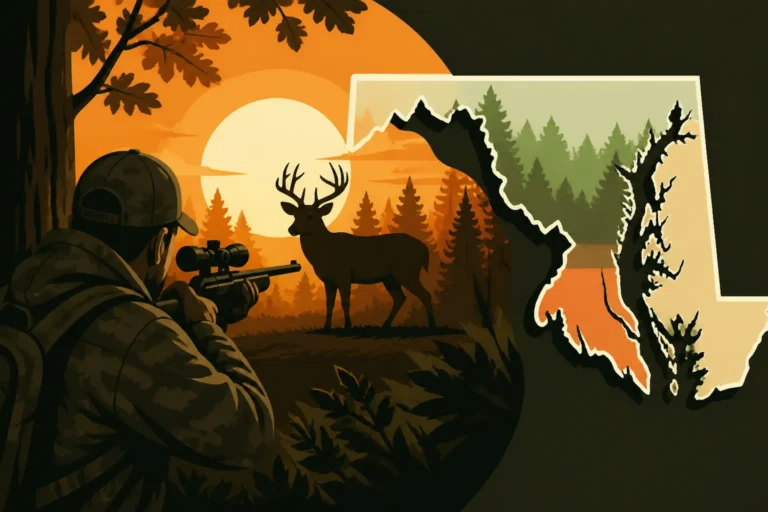
While the waterfowl often grab the headlines, deer hunting on the Upper Eastern Shore is a fantastic, often overlooked, opportunity. The agricultural landscape, interspersed with ample woodlots and river bottoms, creates prime habitat for white-tailed deer. Guided deer hunts here focus primarily on archery and firearms seasons, capitalizing on the deer's patterns of movement between bedding cover and feeding areas.
Outfitters often have access to hundreds, if not thousands, of acres of private farmland and associated timber. This allows them to manage deer populations, implement food plots, and strategically place stands or blinds in high-traffic areas. A guided deer hunt might involve sitting in a comfortable box blind overlooking a sprawling soybean field at dusk, or being led to a carefully chosen tree stand along a travel corridor between a woodlot and a cut cornfield. Guides are excellent at reading sign, understanding the local deer herd's habits, and advising on shot placement. They'll also assist with game recovery and often have connections to local processors. While the trophy potential might not be as high as in some Western Maryland counties, the sheer volume of deer and the quality of the hunting experience can be exceptional, especially when considering Hunting a Funnel Between Two Grain Fields or Hunting a Maryland Farm Lease Your First Season.
Turkey and Small Game Opportunities
Beyond the big two, many Upper Shore outfitters also offer guided hunts for wild turkeys and various small game species. Turkey hunting, particularly during the spring gobbler season, can be incredibly exciting. The big hardwood timber stands and mixed agricultural lands provide excellent turkey habitat. A guided turkey hunt typically involves calling tactics, roosting birds, and strategic setups to bring in a wary gobbler. These hunts are often more intimate, requiring patience and a good ear, but the reward of a gobbler strutting into range is immense. Consider that many outfitters are intimately familiar with Roost Hunting Gobblers on Maryland Farmland.
For those looking for a different pace, small game hunting for cottontail rabbits and grey squirrels offers a nostalgic and fun experience. Outfitters might offer these as standalone hunts or as add-ons to a multi-day package. They often have well-trained dogs, especially for rabbit hunting, and know the best hedgerows and brush piles where these critters like to hide. Small game hunting is a great way to introduce new hunters to the field or simply enjoy a relaxing day in the outdoors. For a unique experience, some might even guide for Hunting Maryland's Released Pheasant Days.
Navigating the Outfitter Landscape: How to Choose Wisely
With so many outfitters on the Upper Eastern Shore, choosing the right one can feel like a shot in the dark. It’s a significant investment of time and money, and you want to ensure you’re putting your trust in a reputable operation. Doing your homework upfront is crucial.
Vetting Credentials and Reputation
First and foremost, a legitimate outfitter will be properly licensed and insured. In Maryland, waterfowl guides, for example, have specific permit requirements. Don't be shy about asking to see proof of their licenses and insurance. A good outfitter will be transparent and proud of their compliance. Beyond the official paperwork, reputation is everything.
Start by looking for online reviews and testimonials. Websites like BookYourHunt often feature detailed profiles of outfitters, complete with past client reviews and photos. These platforms can be an excellent starting point for research. Pay attention not just to the positive reviews, but also to how the outfitter responds to any negative feedback. Look for consistency in client experiences. Word-of-mouth is still king in the hunting world, so ask for references—ideally, clients who have hunted with them recently. A reputable outfitter will gladly provide a list of contacts you can call to get an honest assessment of their services, from the quality of the hunt to the lodging and meals.
Asking the Right Questions Before You Book
Once you've narrowed down a few potential outfitters, pick up the phone and have a conversation. This isn't just about getting information; it's about getting a feel for their personality and whether your hunting styles align. Here's a table of essential questions to ask:
| Category | Key Questions to Ask | Why It Matters |
|---|---|---|
| Experience | How long have you been guiding in this area? What's your primary hunting focus? | Ensures they have local expertise and specialize in your desired game. |
| Access | What kind of land do you hunt (private, public, leased)? How much acreage? | Private, managed land often offers better quality and less pressure. |
| Inclusions | What exactly is included in the price (guide, decoys, calls, lodging, meals, processing, licenses)? | Avoids hidden costs and clarifies expectations. See What a Maryland Guided Hunt Costs. |
| Success Rates | What's your typical success rate for this species? What constitutes a "successful" hunt? | Realistic expectations are important. Don't expect guarantees; focus on opportunity. |
| Group Size | What's your typical hunter-to-guide ratio? How many hunters in a group? | Affects personal attention and overall hunting experience. |
| Preparation | What equipment do I need to bring? What's your advice on clothing and gear? | Helps you prepare adequately for the local conditions. |
| Contingency | What's your policy on weather cancellations or unforeseen circumstances? | Understand options if the hunt is impacted by factors beyond control. |
| Logistics | How do you handle licensing, game registration, and processing? | Streamlines the administrative aspects of your trip. |
Don't be afraid to ask detailed questions. A good outfitter wants you to be well-informed and have a great experience. If they seem rushed or unwilling to answer, it might be a red flag.
What to Look for in a Hunt Package
Outfitter packages can vary wildly. Some offer basic day hunts where you meet the guide, hunt, and then depart. Others provide all-inclusive experiences with multiple days of hunting, lodging, meals, and even transportation to and from the hunting grounds. Consider what kind of experience you're looking for and what's important to you.
For example, a multi-day waterfowl package might include lodging in a comfortable lodge or farmhouse, home-cooked meals, and two hunts per day (a morning and an afternoon hunt). This can be a great option for those traveling from a distance who want a full immersion experience. Some outfitters on the Upper Shore specialize in combination hunts, like a morning goose hunt followed by an afternoon deer hunt if seasons align. Platforms like GoHunt can sometimes help you compare different package structures and inclusions, giving you a clearer picture of what various Maryland outfitters are offering. Think about your budget, your preferred level of comfort, and how much "hunting" you want to pack into your trip.
Understanding the Investment: Costs and Logistics
Booking a guided hunt on the Upper Eastern Shore is an investment. It's not just the monetary cost, but also the investment of your time and effort. Understanding the financial aspects and logistical details upfront will help prevent any unpleasant surprises and ensure a smooth experience.
Decoding Pricing Structures
Outfitter pricing on the Upper Eastern Shore can vary significantly based on the species hunted, the duration of the hunt, the inclusions, and the outfitter's reputation. Day hunts for waterfowl might be priced per gun, while multi-day deer or turkey hunts are often package deals. Generally, a waterfowl day hunt will cover the guide, decoys, calling, and access to prime ground. If lodging and meals are included, the price will naturally be higher.
It's crucial to get a detailed breakdown of what's included and what's not. For instance, sometimes a hunt price doesn't cover your hunting license, state stamps (like the Maryland Migratory Game Bird Stamp or Maryland Sika Deer Stamp Rules if you venture south), federal duck stamp, or processing fees for harvested game. Ammunition is almost never included. Make sure you clarify whether there are additional fees for extra birds or if there's a specific bag limit enforced by the outfitter beyond the legal limits. A reputable outfitter will provide a clear, itemized quote so you know exactly what you're paying for.
Deposits, Cancellations, and Tipping Etiquette
Most outfitters require a non-refundable deposit to secure your booking, especially for popular dates during peak season. This deposit protects the outfitter from last-minute cancellations and helps them manage their schedule. Be sure to understand their cancellation policy thoroughly. What happens if they have to cancel due to unforeseen circumstances like extreme weather? Do they offer a refund, or will they reschedule? For example, during fierce winter weather, Boat Safety on the Chesapeake in December can become a serious concern, leading to cancellations.
Tipping your guide is standard practice and greatly appreciated. It's a way to acknowledge their hard work, expertise, and the effort they put into making your hunt successful and enjoyable. While specific amounts can vary, a general guideline is to tip 15-20% of the hunt's cost. This should be given directly to your guide at the end of the trip. If there are multiple guides or support staff, you might split it, or tip each individually based on their direct contribution to your experience. Guides work incredibly long hours, often starting well before dawn and staying late to clean up and scout for the next day. A generous tip shows your appreciation for their dedication. To learn more, read How Much to Tip a Waterfowl Guide or How Much to Tip a Big Game Guide.
Travel, Lodging, and Licensing Support
Planning the logistics of your trip is an important step. Most hunters driving to the Upper Shore will find ample public and private lodging options. Many outfitters also offer on-site lodging, which can range from rustic bunkhouses to comfortable lodges with all the amenities. Clarify what kind of lodging is provided and if it's shared or private.
For those flying in, Baltimore/Washington International Thurgood Marshall Airport (BWI) is a common gateway, followed by a rental car drive to the Eastern Shore. Make sure to understand the rules for traveling with firearms if you're bringing your own.
Obtaining the correct Maryland hunting licenses and stamps is your responsibility, but many outfitters will assist by guiding you through the process or confirming what you need. Maryland offers both resident and nonresident licenses, along with various stamps for different species and weapon types. You can usually purchase these online through the Maryland Department of Natural Resources COMPASS portal. Confirm what licenses and stamps are required for your specific hunt well in advance. For deer hunters, understanding Maryland's Deer Bag Limits and Antler Rule is also crucial.
Maximizing Your Guided Hunt Experience
A guided hunt is a partnership between you and your outfitter. To get the most out of your investment and ensure a rewarding experience, there are several things you can do before, during, and after the hunt.
Pre-Hunt Preparation and Practice
Just because you're paying a guide doesn't mean you can show up unprepared. Your preparation directly impacts your success and the guide's ability to help you.
- Shooting Proficiency: This is paramount, especially for waterfowl and deer. Practice with the exact gun and ammunition you'll be using. For waterfowl, shoot clays until you're consistently hitting targets at various ranges. For deer, ensure your rifle is zeroed and you can confidently make accurate shots from different positions. No guide can make up for poor shooting.
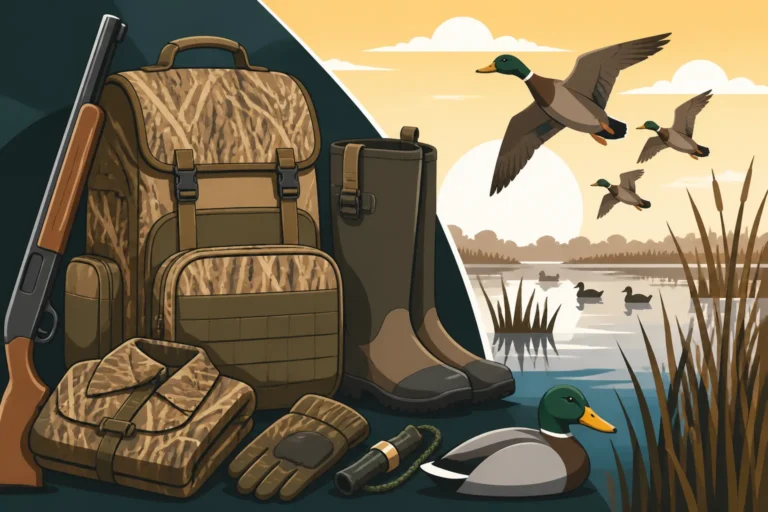
- Gear and Clothing: Ask your outfitter for a detailed packing list. Weather on the Eastern Shore can be unpredictable, especially during hunting season. Layering is key. For waterfowl, quality waterproof and windproof outerwear is a must. For deer, quiet, warm clothing is essential. Don't forget essentials like a good headlamp, binoculars, and a comfortable seat or cushion if you're not in a permanent blind.
- Physical Fitness: While not extreme, being in reasonable physical condition will make long days in the field more enjoyable. This is especially true for marsh hunts or if you anticipate walking significant distances to stands or retrieving game.
Showing up ready to perform makes the guide's job easier and significantly increases your chances of success. A guide wants nothing more than for you to fill your tags, but they need your help to do it.
Communication and Expectations with Your Guide
Effective communication is the cornerstone of a successful guided hunt. Be upfront and honest with your guide about your experience level, physical limitations, and what you hope to achieve from the hunt. If you're a novice waterfowl hunter, let them know so they can offer more instruction. If you have a specific trophy in mind for deer, communicate that expectation.
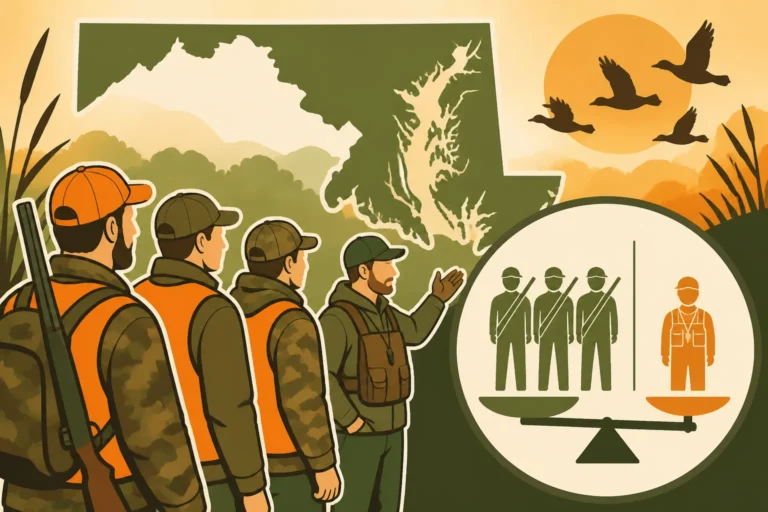
During the hunt, listen to your guide. They know the property, the game, and the local conditions better than anyone. Follow their instructions on when to shoot, when to call, and where to look. They've spent countless hours scouting, setting up, and observing, and their advice is based on firsthand knowledge. If you have questions, ask them politely and at appropriate times. Avoid criticizing or complaining, even if the hunting is slow. Hunting is inherently unpredictable, and a professional guide will always be doing their best to put you on game. Your positive attitude can significantly enhance the experience for everyone.
Remember that hunting is about the experience, not just the kill. While taking game is certainly the goal, enjoying the camaraderie, the stunning landscapes, and the challenge of the chase are equally important. A guided hunt on Maryland's Upper Eastern Shore offers all of this, plus the benefit of local expertise to make your trip truly exceptional.
Disclaimer
This article is for general informational purposes only and does not constitute professional advice. Laws, prices and regulations vary by location and change over time. Consult a qualified professional for guidance on your specific situation.