Hunting Maryland’s Released Pheasant Days
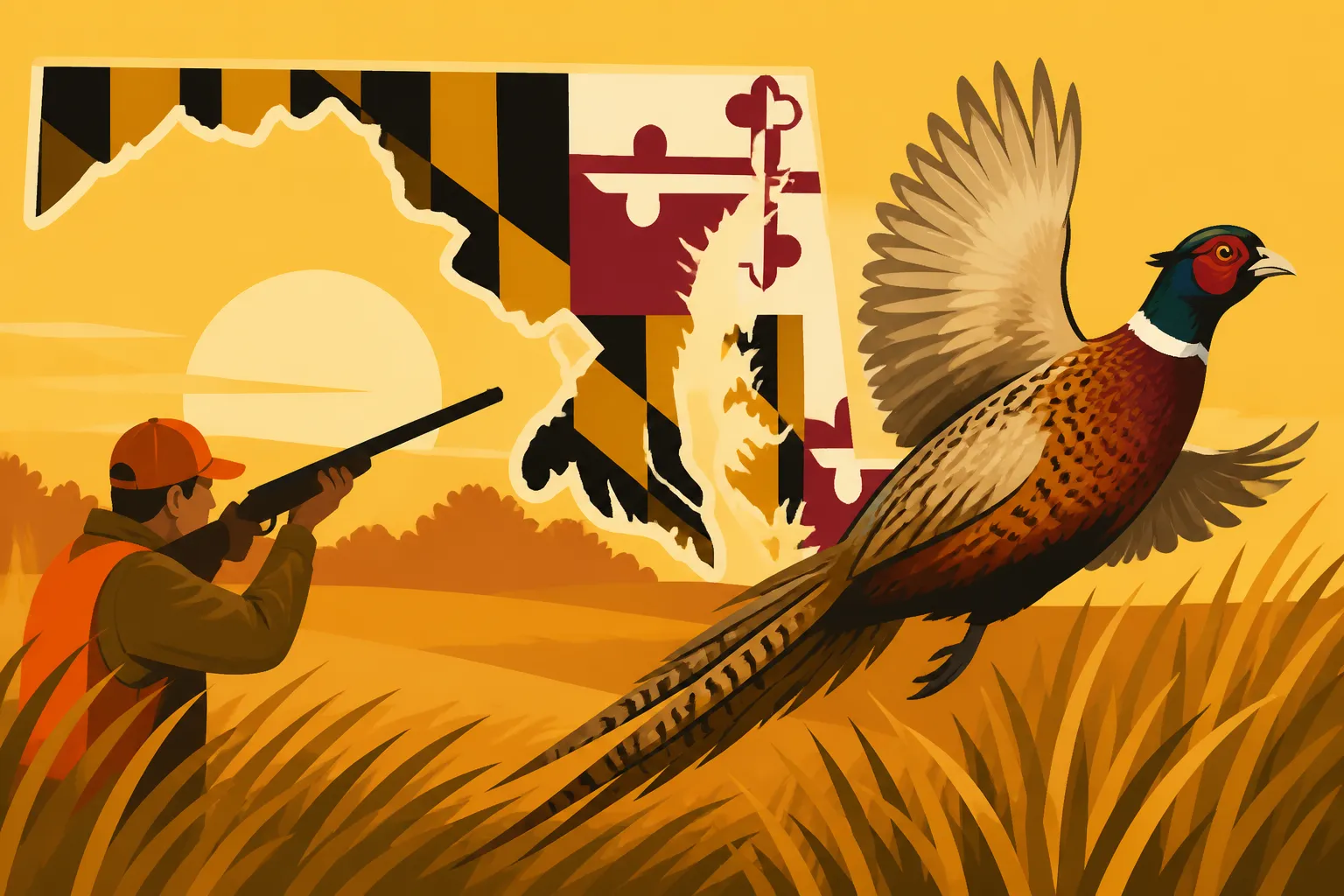
It can feel a bit daunting trying to figure out how to approach Maryland's released pheasant hunting days, especially if you're used to chasing wild birds or focusing on other game. The rules can be a little different, the bird behavior is unique, and frankly, some folks just don't know where to even begin looking for these opportunities. This guide is all about demystifying the process, from understanding how the program works to the best tactics for putting some pheasants in your vest, ensuring you have a fantastic and productive time out in the field.
Understanding Maryland's Pheasant Release Program
Maryland's pheasant release program is a unique offering that brings a taste of classic upland bird hunting to areas where wild pheasant populations might struggle to thrive. It’s a fantastic opportunity for both seasoned upland hunters and newcomers to experience the thrill of flushing vibrant, fast-flying birds. However, to make the most of it, it's crucial to understand the philosophy behind the releases, the timing, and what you need to do to legally participate.
The History and Purpose of Pheasant Stocking
The concept of stocking pheasants in Maryland dates back many decades, primarily to provide hunting opportunities in areas that historically had, or could sustain, ring-necked pheasant populations. While some states boast robust wild pheasant populations, Maryland's landscape, particularly the agricultural patterns and climate, doesn't always lend itself to widespread, self-sustaining wild pheasant numbers. That's where the Department of Natural Resources (DNR) steps in. They raise and release pheasants specifically for hunting, essentially creating put-and-take opportunities for hunters. This isn't about re-establishing a wild population; it's about providing a recreational hunting experience.
For many hunters, especially those without access to private land or willing to travel to traditional pheasant states, these released bird days are a godsend. They offer a chance to work a bird dog, enjoy the camaraderie of a group hunt, or simply enjoy a beautiful day afield with a challenging quarry. The birds are typically raised on game farms, making them accustomed to human presence, but they are still quick to flush and offer excellent sport once released into suitable cover. This program helps introduce new hunters to upland traditions and provides an accessible option for those who love the pursuit of pheasants.
Key Dates, Locations, and Permit Requirements
Navigating the specifics of Maryland's pheasant release program requires a bit of homework each year, as dates and locations can sometimes shift based on bird availability, weather, and management decisions. Generally, pheasants are released on designated public lands, primarily Wildlife Management Areas (WMAs), starting in late October and continuing through specific days in November and December. These releases are often coordinated around popular hunting weekends and holidays, offering maximum participation. It's not uncommon for releases to occur just before or during the traditional firearms deer season, so paying attention to the specific dates and areas is paramount to avoid conflicts or unexpected crowds.
To participate, you'll need a valid Maryland hunting license and often a specific Maryland Public Land Hunting Permit. Some WMAs might also require an additional permit or registration for these specific pheasant release days, sometimes even limiting the number of hunters on a given day to ensure a quality experience and safety. Always check the current Maryland Guide to Hunting & Trapping or the DNR website for the most up-to-date information on exact dates, participating WMAs, and any special permits or regulations for Hunting Maryland's Released Pheasant Days. You certainly don't want to drive an hour or two only to find out you're missing a crucial piece of paperwork. Planning ahead, particularly when it comes to licenses and permits, can save a lot of frustration.
Locating Maryland's Designated Pheasant Hunting Areas
Once you understand the basics of the pheasant release program, the next big hurdle is figuring out where these opportunities actually exist. Maryland is a diverse state, and not all public lands are suitable or designated for pheasant releases. Knowing the specific Wildlife Management Areas that participate in the program is key, and understanding how to use modern tools to navigate these areas will significantly boost your chances of success.
Popular Wildlife Management Areas for Pheasants
Maryland DNR strategically selects WMAs that offer suitable habitat and logistical ease for pheasant releases. These areas typically feature a mix of dense cover like tall grasses, brushy hedgerows, standing corn or soybean fields, and wooded edges—perfect pheasant country. Some of the most consistently stocked WMAs include places like Idylwild WMA in Caroline County, Gwynnbrook WMA in Baltimore County, and McKee-Beshers WMA in Montgomery County. You might also find releases at places like Hugg-Thomas WMA in Frederick County or the Wellington WMA in Somerset County. The specific areas can vary slightly year to year, so always confirm with the official DNR guide.
These WMAs are designed for public access, but remember that during pheasant release days, they can become quite popular. Expect to see other hunters, and be prepared to share the field. It’s also important to familiarize yourself with the WMA’s specific boundaries and rules, as some areas might have restricted zones or different hunting hours than the statewide regulations for Maryland Shooting Hours and Legal Light. A little reconnaissance beforehand, either by visiting the area or studying maps, can give you a significant advantage and help you avoid unwittingly trespassing or running into other hunters unexpectedly.
Leveraging Resources Like Mapping Apps for Success
In today's hunting world, digital mapping apps have become indispensable, and they are particularly useful when hunting released pheasants on public land. Tools like GoHunt or other similar platforms allow you to see WMA boundaries, property lines, and topographic features right on your phone. This is incredibly helpful for identifying optimal cover, planning your approach, and ensuring you stay within legal hunting areas. You can pinpoint those dense patches of switchgrass, old field edges, or creek bottoms where released birds are likely to hold up after dispersal.
Before you even step foot on the WMA, spend some time scouting digitally. Look for areas with good transitions between open fields and thick cover, or brushy draws that might funnel birds. These apps often include satellite imagery, which can reveal subtle changes in vegetation that might not be obvious on a basic map. Having an offline map downloaded to your GoHunt app is also a smart move, as cell service can be spotty in some remote WMA sections. Using these resources to pre-plan your attack can make a huge difference in your success rate and overall enjoyment, helping you identify pockets of habitat that other hunters might overlook.
Equipping Yourself for a Successful Pheasant Hunt
Hunting released pheasants isn't just about finding the right spot; it's also about having the right tools and, perhaps most importantly, the right companion. Being properly equipped, from your shotgun and ammunition to your blaze orange, and understanding the critical role a good bird dog plays, can turn a challenging day into a rewarding one.
Shotgun Choices, Ammunition, and Blaze Orange Safety
For pheasants, a 12 or 20-gauge shotgun is the standard. Most hunters opt for a pump-action or semi-automatic for quick follow-up shots, though a classic over/under or side-by-side works beautifully for those who prefer them. Choke selection is crucial; a modified or improved cylinder choke is often ideal for released birds, which tend to flush relatively close but fly fast. For ammunition, high-brass loads with shot sizes ranging from 4 to 6 are excellent choices, providing enough knock-down power without over-penetrating. Given that these birds are released, they might hold tight, so a slightly more open pattern can be advantageous.
Safety is paramount, especially when hunting with others on public land. Maryland law, like many states, requires hunters to wear a minimum amount of How Much Blaze Orange Maryland Requires. This usually means a visible cap and vest or jacket. Wearing plenty of blaze orange isn't just about meeting legal requirements; it's about being seen by other hunters and clearly identifying yourself as a human, not a game animal. When hunting with a group, consistent communication and knowing everyone's position are just as important as the gear you carry.
The Indispensable Role of a Trained Bird Dog
While it's possible to "walk up" released pheasants, a trained bird dog dramatically increases your success rate and enhances the entire hunting experience. Pheasants, especially when newly released, will often run rather than flush, making them incredibly difficult to find and put into the air without a dog. A good flushing dog, like a Springer Spaniel, Labrador Retriever, or German Shorthaired Pointer, will systematically work the cover, find the birds, and then "bust" them into the air within shooting range. Without a dog, many pheasants simply vanish into the dense vegetation, never giving you a shot opportunity.
Beyond flushing, a dog's ability to retrieve downed birds is invaluable. A pheasant can sail a long way after being hit, often landing in thick brambles or tall grass where it would be nearly impossible for a human to find. A well-trained retriever can locate these birds quickly, preventing wasted game. If you don't have your own bird dog, consider hunting with a friend who does. There’s a special joy in watching a dog work, and it truly elevates the entire pheasant hunting experience. For those looking to introduce new hunters, bringing along a good dog also provides a wonderful lesson in canine partnership and ethical game recovery.
Effective Tactics for Hunting Released Pheasants Successfully
Chasing released pheasants requires a slightly different approach than hunting their wild cousins. These birds can be unpredictable – sometimes holding incredibly tight, other times busting out far ahead. Developing effective tactics for working cover, understanding how pheasants move, and coordinating with a hunting party are all key to consistently finding success on Maryland's pheasant days.
Working Cover, Flushing Techniques, and Group Strategies
Released pheasants, once they've had a little time to settle, will seek out the thickest cover available. Think tall, dense grasses, multiflora rose thickets, briar patches, standing corn or soybeans, and the dense edges where different types of vegetation meet. When hunting, you need to be deliberate and thorough in working this cover. Don't just walk past it; make sure you or your dog are pushing through every inch. A pheasant might sit tight until you're practically stepping on it, or it could run out the back door if you leave an escape route.
When hunting with a group, strategy becomes even more important. A common and effective method is to form a line, with hunters spaced out 10-20 yards apart, moving in unison through a block of cover. This creates a "net" that drives birds forward, hopefully pushing them into shooting range. Having "blockers" positioned at the end of a field or a brushy point can also be highly effective, as pheasants often try to run out the end of cover rather than fly over the top of hunters. Communication is key: verbally alert others to flushes, and always maintain safe shooting lanes. Consider the wind direction; pheasants often prefer to run or fly into the wind, so planning your drive accordingly can increase your chances.
Reading the Terrain and Anticipating Bird Movement
Even though these are released birds, they still behave like pheasants. They'll gravitate towards food sources, water, and most importantly, heavy cover that offers protection from predators and the elements. Use your map (physical or digital like GoHunt) to identify key features of the WMA: drainage ditches with brush, un-mowed field borders, abandoned farmsteads, or stands of conifers. These are all prime locations where pheasants will hold. Pay attention to fence lines, hedgerows, and creek bottoms – these act as natural travel corridors and often concentrate birds.
Anticipating a pheasant's movement means understanding its instinct to run. If a bird flushes wild and sails over a hill, mentally mark where it went down and plan your approach to that spot. It likely won't stay exactly where it landed; it will hit the ground running for the nearest dense cover. When your dog goes on point or indicates a bird, be ready. These birds can explode out of cover with surprising speed and noise. Be prepared for a quick, challenging shot, and be aware of your surroundings, especially if you're hunting near other people or on Hunting a Suburban Woodlot in Montgomery County which might be restricted to certain weapons or calibers.
Beyond the Flush: Regulations and Game Care
Harvesting a pheasant is a rewarding culmination of your efforts, but the hunt isn't truly over until you've properly accounted for your birds and adhered to all the necessary regulations. Understanding bag limits, proper field dressing techniques, and safe transport ensures your hard-earned pheasants make it to the dinner table legally and in excellent condition.
Daily Bag Limits and Possession Rules
Every state, including Maryland, has specific regulations regarding daily bag limits and possession limits for game birds. For released pheasants, the daily bag limit is typically two birds, either sex. This means you can harvest two pheasants per hunter per day from the designated release areas. The possession limit, which refers to the total number of birds you can have in your possession at any given time (including those from previous hunts), is often double the daily limit, or four pheasants. However, these numbers can change, so always verify the current regulations in the Maryland Guide to Hunting & Trapping.
It's vital to count your birds accurately and stick to these limits. Game wardens actively patrol WMAs, especially during popular hunting events like pheasant release days, and exceeding bag limits carries stiff penalties. When hunting in a group, ensure each hunter is keeping track of their own harvest. Some hunters like to tag their birds immediately upon harvest with a self-made tag indicating the date and location, which can be helpful if you're questioned by enforcement or if you need to demonstrate compliance with possession limits over multiple days. This also applies to other small game like when you are Squirrel Hunting Maryland Hardwood Ridges or even Rabbit Hunting Maryland Farm Hedgerows, always be mindful of your limits.
Field Dressing, Transport, and Culinary Considerations
Once you've harvested a pheasant, proper care is essential to ensure the meat is delicious. Field dressing, while not strictly required for pheasants, is highly recommended, especially on warmer days. This involves removing the internal organs to allow the carcass to cool down quickly, preventing spoilage. You can either pluck the bird whole or breast it out, taking only the breast meat. Many hunters prefer to breast out pheasants in the field, as it reduces the weight you have to carry and simplifies cleaning later.
For transport, keep your pheasants cool and clean. A game vest with a blood-proof pouch is excellent, or you can carry them in a cooler with ice, ensuring they are not directly submerged in water. Maryland law requires that migratory game birds have one fully feathered wing attached during transport to aid in species identification, though this rule typically does not apply to upland game like pheasants. However, it’s good practice to leave some identifying features until you are home and ready to process them further. Pheasant meat is lean and flavorful, excellent roasted, grilled, or braised. Many find it to be quite similar to a lean chicken, making it a versatile addition to your culinary repertoire. Remember to keep a copy of your Maryland Hunting Licenses and What They Cost and any necessary permits with you during all stages of your hunt and transport.
Here's a quick reference table for some of Maryland's common pheasant release locations:
| WMA Name | County | Typical Release Period | Notable Features for Pheasants |
|---|---|---|---|
| Idylwild WMA | Caroline County | Late Oct – Dec | Mix of open fields, brushy edges, and woodlots |
| Gwynnbrook WMA | Baltimore County | Late Oct – Dec | Old fields, small woodlots, dense thickets near suburban areas |
| McKee-Beshers WMA | Montgomery County | Late Oct – Dec | Large fields, powerline cuts, dense riparian zones |
| Hugg-Thomas WMA | Frederick County | Nov – Dec | Agricultural fields, hedgerows, brushy creek bottoms |
| Wellington WMA | Somerset County | Late Oct – Nov | Farmland, marsh edges, good mix of upland and wetland features |
| Liberty Reservoir WMA | Carroll/Baltimore | Nov – Dec (Check specific) | Managed fields, timber edges, dense brush |
Note: Always consult the current Maryland DNR hunting guide for the most up-to-date release schedules and specific WMA rules.
Beyond the Hunt: Conservation and Ethics
Participating in Maryland's pheasant release days isn't just about bagging birds; it's also about upholding the traditions of ethical hunting and contributing to conservation efforts. Our actions in the field reflect on the entire hunting community, and demonstrating respect for the game, the land, and fellow hunters ensures these opportunities continue for generations to come. This also includes ensuring you have fulfilled all your requirements, such as a valid Maryland Hunter Education Requirements.
Contributing to Conservation and Public Access
While released pheasants don't directly contribute to wild populations, the program itself is part of a larger conservation effort funded by hunters. Revenue from hunting licenses, stamps, and federal excise taxes on firearms and ammunition (through the Pittman-Robertson Act) goes directly to state wildlife agencies. These funds support habitat management on WMAs, wildlife research, and public access initiatives that benefit a wide array of species, not just pheasants. By purchasing your license and permits, you are directly supporting the lands and programs that make these hunting experiences possible.
Furthermore, being a responsible user of public land helps maintain positive relationships between hunters, the DNR, and other recreational users. Picking up spent shells, leaving no trace, and respecting WMA rules are small actions that collectively make a big difference. Think about the big picture, the way we manage game such as White-Tailed Deer in Maryland or Wild Turkeys in Maryland is a continuous effort that relies on hunter support. These types of managed hunts, including those on shooting preserves, as detailed in Maryland Shooting Preserves and Their Seasons, serve as important outlets for hunters while promoting conservation.
Upholding Ethical Standards and Safety Protocols
Ethical hunting goes beyond simply following the law; it's about making responsible decisions in the field. This includes taking clean, humane shots, actively searching for downed birds, and refraining from shooting at birds that are too far away or present an unsafe shot angle. With released pheasants, it's particularly important to remember that these birds are often disoriented initially, so waiting for a sporting flush is part of the challenge and reward. Don't simply shoot a bird on the ground or within easy reach; let it fly.
Safety is paramount, especially on public land where other hunters might be present. Always identify your target clearly, know what's beyond it, and adhere strictly to the four primary rules of firearm safety. When hunting in a group, establish clear lines of communication and agree upon shooting zones to prevent accidents. A good rule of thumb is to only shoot at birds that are flying away from the line of hunters. This prevents swinging your muzzle across other people. Also, be mindful of noise levels; while camaraderie is great, excessive shouting or loud talking can ruin the experience for everyone, yourself included, by flushing birds prematurely. By acting respectfully and responsibly, you contribute to a positive hunting culture and ensure that these unique opportunities remain enjoyable and safe for everyone.
Disclaimer
Please remember that hunting regulations and season dates can change. Always consult the most current Maryland Guide to Hunting & Trapping or the Maryland Department of Natural Resources website before planning any hunt. This guide is for informational purposes only and does not supersede official regulations.