Guided Goose Hunts Over Farm Fields
Finding prime goose hunting ground in Maryland, especially the coveted farm fields of the Eastern Shore, can feel like an impossible puzzle if you don't have local connections. Between securing private land access, understanding bird patterns, and setting up an effective spread, it's a huge undertaking. This guide is here to shed light on how guided goose hunts over farm fields simplify this process, offering you an accessible path to some of the best Canada goose hunting experiences the state has to offer.
Why Maryland Farm Fields Are a Goose Hunter's Paradise
Maryland's Eastern Shore is renowned for its incredible waterfowl hunting, and a significant part of that reputation is built on the region's vast agricultural landscape. These farm fields, particularly those with corn, soybean, or winter wheat stubble, act as massive feeding stations and loafing areas for migratory Canada geese and the substantial resident populations. For a goose hunter, this means consistent access to birds, provided you can secure the land.
When you're dealing with Canada geese, you're dealing with intelligent birds that have a strong survival instinct. They need three things: food, water, and security. Farm fields, especially during colder months, offer an abundance of high-energy food sources that are easy for geese to access. They'll fly out from nearby roosting areas, like large bodies of water or protected marshes, to feed in these fields, sometimes multiple times a day. Understanding these flight patterns and feeding habits is crucial, and it's where local knowledge, often provided by a skilled guide, becomes invaluable.
The sheer scale of these agricultural operations means geese have countless options, but they also develop routines. They'll often favor certain fields for days or weeks at a time until the food source is depleted or hunting pressure pushes them elsewhere. This constant movement means scouting is a never-ending task, and trying to secure permission on enough diverse fields to stay on the birds is a full-time job in itself. That's why many hunters, both resident and nonresident, opt for a guided experience – it removes the immense logistical burden. Goose Hunting Maryland's Eastern Shore Grain Fields talks more about why these areas are so productive.
Understanding Goose Behavior in Agricultural Settings
Canada geese, especially the large honkers that frequent Maryland, are creatures of habit. They'll typically leave their roosts at dawn, fly directly to a chosen feeding field, feed for a few hours, then often fly to a loafing area (like a pond or another quiet field) to digest before possibly returning to feed again later in the day. As the day progresses and they become full, they might move back to a roost or a loafing pond until evening, when they head back to a secure roost for the night.
The type of crop in a field plays a massive role in their preference. Cut corn fields, for instance, are absolute magnets. The waste grain left after harvest provides an easy, high-calorie meal that geese crave, especially as winter sets in. Soybean stubble is also highly attractive, as are winter wheat and rye fields where young, tender shoots provide fresh greens. A good guide isn't just looking at the current field; they're reading the landscape, understanding crop rotations, and knowing which fields have been recently harvested, making them prime candidates. They’re also watching pressure—geese will quickly abandon a field if they feel too much heat.
Wind direction is another critical factor. Geese, like all birds, prefer to land and take off into the wind. This means that a well-placed decoy spread and blind setup must take the prevailing wind into account to ensure the birds finish their approach right over your heads. A seasoned guide knows how to adjust the spread on the fly, sometimes moving blinds and decoys in minutes to adapt to a shifting breeze.
What to Expect on a Guided Farm Field Goose Hunt
When you book a guided goose hunt on a Maryland farm field, you're essentially buying access, expertise, and a fully prepared setup. The days of knocking on doors and hoping for a "yes" are largely handled by the outfitter, who has spent countless hours cultivating relationships with landowners and securing leases on prime properties. Your day will usually start early, well before legal shooting light, to ensure you're in position and ready when the geese start to stir.
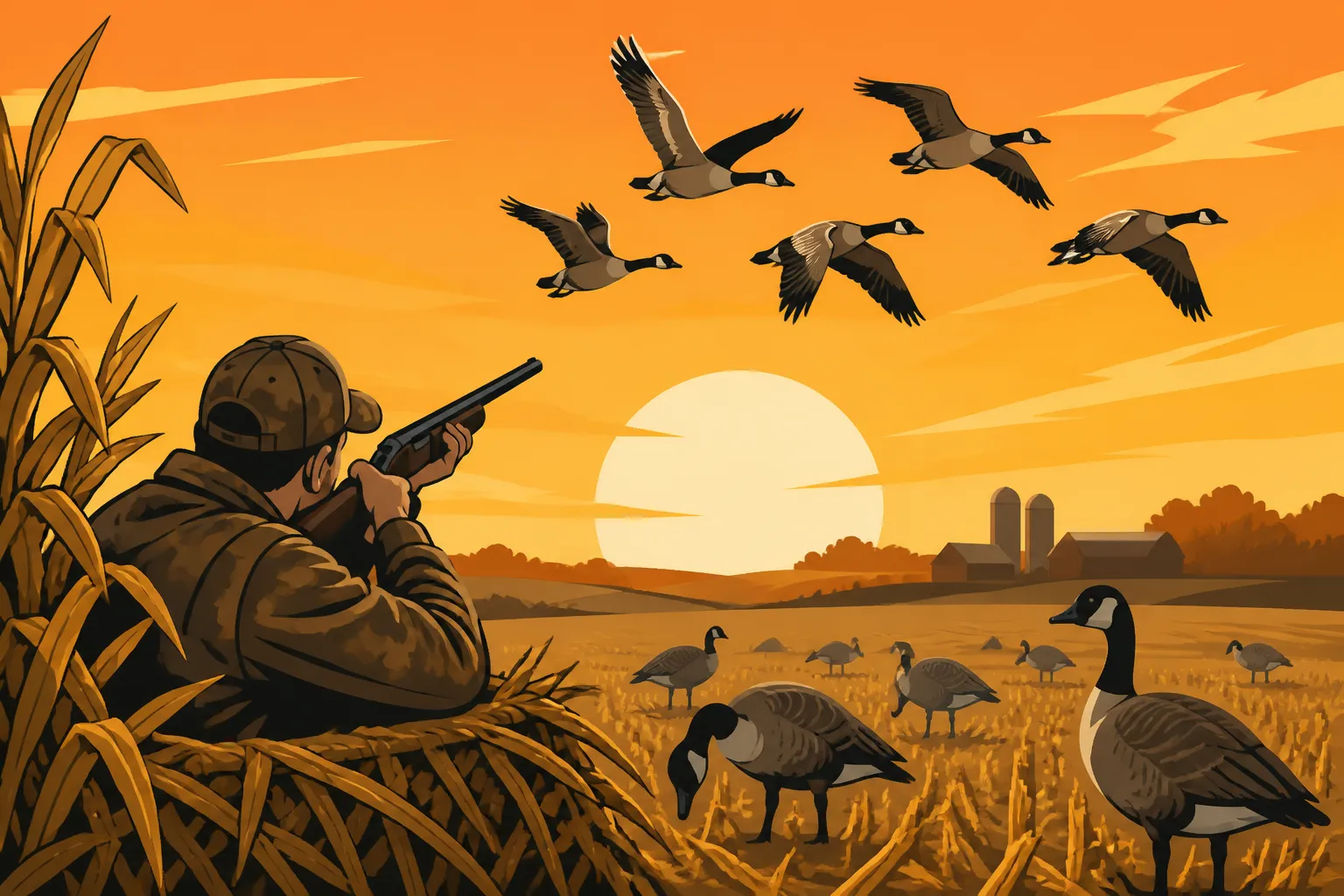
Most outfitters provide everything from decoys to blinds, and often even calls. You'll arrive at a designated meeting spot, often a local gas station or diner, and then follow your guide to the field. Once there, you'll find a meticulously arranged decoy spread, often numbering in the hundreds, strategically placed to mimic a flock of feeding and loafing geese. The blinds will be expertly camouflaged, designed to disappear into the field stubble. This level of preparation is what makes a guided hunt so appealing; you just show up, load your shotgun, and focus on the birds.
Your guide will be actively calling throughout the hunt, adjusting their cadence and volume to the birds' reactions. They'll also be your spotter, identifying incoming flocks long before you see them, and directing your attention. When the time is right, they'll give the command to shoot, ensuring safety and maximizing your chances of success. It's a truly immersive experience, designed to put you in the heart of the action with minimal personal hassle. Decoying Canada Geese on the Upper Eastern Shore delves into the art of setting up a spread.
Typical Field Setups and Decoy Spreads
The hallmark of a successful guided field goose hunt is the decoy spread. Outfitters invest heavily in large spreads, often utilizing a mix of full-body decoys, silhouettes, and sometimes even motion decoys to create a realistic, inviting scene. The size and type of spread will vary depending on the field size, the number of hunters, and the specific behavior of the geese in that area.
Most often, hunters will utilize low-profile layout blinds. These are essentially individual coffin-like blinds that you lie down in, covered with stubble from the actual field to make them completely blend in. When the guide calls the shot, you simply sit up and shoot. For larger groups or specific field conditions, some guides might use pit blinds – underground structures that offer exceptional concealment but are permanent fixtures.
Here's a quick look at common field setup elements:
| Element | Description | Advantage | Considerations |
|---|---|---|---|
| Layout Blinds | Low-profile, individual blinds laid flat on the ground, camouflaged with field stubble. | Excellent concealment, adaptable to various field types, comfortable once set. | Can be challenging for some hunters to get in/out quickly, require good core strength. |
| Full-Body Decoys | Three-dimensional, realistic goose decoys, often flocked for reduced glare. | Highly realistic, visible from long distances, good for drawing attention. | Expensive, bulky to transport, require significant setup time. |
| Shell Decoys | Half-shell or profile decoys that sit low to the ground, mimicking feeding birds. | Lighter, easier to transport than full bodies, cost-effective. | Less realistic from certain angles, not as visible in tall stubble. |
| Flagging | Using a hand-held flag that mimics a goose flapping its wings. | Great for getting attention of distant birds, adds motion to the spread. | Requires active participation from a hunter/guide, timing is crucial. |
| Motion Decoys | Decoys with motorized wings or heads that move to simulate live geese. | Adds realism and movement to a static spread, very effective on wary birds. | Requires batteries, can be costly, might be prohibited in some areas/seasons. |
The guide will usually position your blinds strategically within the "kill hole" – the open area in the decoy spread where they want the geese to land. They'll also ensure you have a clear field of fire while maintaining safety.
The Role of the Guide During the Hunt
Your guide is much more than just a driver to the field. They are your eyes, ears, and often your lifeline to success. Their experience means they can read the subtle cues of an approaching flock: the way they fly, their altitude, how they react to the calling, and whether they're "locked in" to the spread or hesitant.
During the hunt, the guide will be responsible for:
- Calling: Expert calling is paramount. They’ll use a variety of calls to entice geese, from long-distance hails to feeding clucks and moans as birds get closer. They'll adapt their calling based on how the geese are responding.
- Identifying Birds: Guides can quickly identify species, ensuring only legal birds are targeted. They'll also help you pick out the "right" bird in a flock, often the one leading the charge or presenting the best shot opportunity.
- Directing Hunters: From telling you when to get ready to giving the "take 'em!" command, the guide controls the flow of the hunt. This ensures everyone is on the same page for safety and effectiveness.
- Adjusting the Spread: If the wind shifts or birds are flaring from a certain spot, the guide will make quick adjustments to the decoy spread or blind placement to improve your chances.
- Retrieving Birds: After a successful volley, the guide, often with the help of a well-trained retriever, will collect your downed birds. Bringing Your Own Dog on a Guided Hunt covers bringing your own canine companion.
It's a dynamic role, requiring constant attention and adaptability, ensuring your safety and maximizing your opportunity for a successful hunt.
Choosing the Right Maryland Guide for Field Geese
Selecting the right guide for your Maryland goose hunt is critical for a positive and successful experience. Not all guides are created equal, and while many are fantastic, it pays to do your homework. You're investing your time and money, so finding an outfitter that matches your expectations and hunting style is key.
Start by looking at guides who specialize in field goose hunting on the Eastern Shore. Many waterfowl outfitters offer both bay hunting for ducks and field hunting for geese, but some truly excel at one over the other. Look for outfitters with a strong reputation for consistent success with Canada geese in farm fields. Resources like BookYourHunt or GoHunt can be great starting points to find reputable Maryland outfitters, read reviews, and compare services. Just remember that success rates, while tempting to look at, don't tell the whole story. What matters more is the overall experience and professionalism.
Don't be afraid to ask a lot of questions. A good outfitter will be transparent and happy to answer them. Think about what's important to you: group size, type of blinds, what's included in the price, and their policy on bad weather.
Questions to Ask Before Booking
When you're ready to pick up the phone or send an email, here are some essential questions to ask any potential Maryland goose guide:
- What type of fields do you primarily hunt? (e.g., corn stubble, soybean, winter wheat) This helps ensure they're targeting geese in the manner you prefer.
- What kind of blinds do you use? (e.g., layout blinds, pit blinds, A-frames) Knowing this helps you prepare mentally and physically.
- How many decoys do you typically run in a spread? Larger spreads often mean more confidence for incoming birds.
- What's your typical group size for a field hunt? Some hunters prefer smaller, more intimate groups, while others are fine with larger parties.
- What's included in the hunt price? (e.g., decoys, blinds, guide services, bird cleaning, transportation in the field) Clarify what you need to bring.
- Do you offer bird processing or recommendations for local processors? This is especially important if you're traveling a long distance.
- What are your policies regarding bad weather or unexpected cancellations? Understand if there are refunds, rebookings, or if the hunt is simply forfeited.
- Can you provide references from past clients? This is a solid way to get honest feedback about the guide's operation.
- Are you licensed and insured? This is non-negotiable for your safety and peace of mind. A reputable guide will always be able to confirm their licensing.
- What are the specific shooting hours for goose hunting during my desired dates? Your guide should know these cold.
A conversation with a guide is also a great way to gauge their personality and communication style. You'll be spending several hours with them, so a good rapport is important. For more guidance on vetting, check out How to Vet a Maryland Outfitter.
What a Guided Hunt Typically Includes and Excludes
A guided goose hunt on a Maryland farm field typically covers the essentials for a successful and comfortable day. Generally, you can expect the following to be included:
- Access to private land: This is often the biggest draw, as securing good field access is incredibly difficult on your own.
- Expert guide services: An experienced guide who knows the birds, the land, and how to call effectively.
- Full decoy spread and blinds: High-quality decoys, meticulously set up, and comfortable, concealed blinds.
- Transportation in the field: Often a UTV or truck to get you to and from the blinds.
- Bird retrieval: Often with the aid of a well-trained dog.
However, there are crucial exclusions you need to be aware of:
- Hunting licenses and stamps: You are always responsible for purchasing your own Maryland hunting license, migratory game bird stamp, and federal duck stamp. These must be acquired before your hunt. Maryland Migratory Bird Stamp Requirements is a great resource.
- Ammunition: Bring plenty of steel shot or other non-toxic shot in the appropriate size (often BB or 1 for geese).
- Shotgun: You'll need to bring your own firearm.
- Appropriate clothing: Layered, camouflaged, and weather-appropriate attire is essential. More on this below.
- Food and drink: Pack snacks and beverages for the day.
- Bird cleaning/processing: While some guides might offer this as an add-on service or provide recommendations, it's not always included.
- Gratuity for your guide: Tipping is customary and a great way to show appreciation for hard work. Consider 15-20% of the hunt cost for a good experience. How Much to Tip a Waterfowl Guide offers more details.
Always confirm these details with your chosen outfitter to avoid any surprises on hunt day.
Gear and Preparation for Your Maryland Goose Hunt
Even with a top-notch guide and a perfect setup, your personal preparation makes a huge difference in your hunting experience. Maryland weather, especially in the late fall and winter, can be wildly unpredictable. One day it's mild and sunny, the next it's freezing rain with a bitter wind. Dressing correctly, bringing the right shotgun and ammo, and understanding safety protocols are paramount.
Beyond your physical gear, having the right mindset is important. Hunting over fields can sometimes involve long periods of waiting, so patience is key. Be prepared to listen to your guide's instructions, especially when it comes to calling the shot and ensuring safety. Remember, you're a team, and everyone's cooperation contributes to a successful and enjoyable outing. Maryland Waterfowl Zones and Season Dates can help you plan the best time for your hunt.
Essential Clothing and Personal Gear
Layering is your best friend when hunting Maryland farm fields. You'll be lying or sitting for extended periods, and the temperature can fluctuate dramatically from pre-dawn chill to midday warmth, then back to a cold afternoon.
Here’s a breakdown of what you should absolutely bring:
- Base Layers: Moisture-wicking base layers (top and bottom) are crucial to keep sweat away from your skin, preventing chills.
- Mid-Layers: Fleece or wool layers for insulation. Think vests, sweaters, or light jackets that can be easily added or removed.
- Outer Layer: A waterproof and windproof jacket and pants in camouflage. This will protect you from rain, snow, and biting winds.
- Headwear: A warm hat (beanie or balaclava) that can be pulled down over your ears.
- Gloves: Insulated, waterproof gloves that allow for dexterity, especially for handling your shotgun.
- Footwear: Waterproof, insulated boots. You might be walking through muddy or wet fields to get to your blind.
- Face Mask/Paint: Helps break up your outline and keeps your face warm.
- Safety Glasses: Eye protection is always a good idea when shooting.
- Ear Protection: Crucial for protecting your hearing.
- Headlamp: For navigating in the dark before dawn and after dusk.
Remember, camo patterns that blend with agricultural fields (like corn stubble or winter patterns) are ideal. Your guide might have specific recommendations based on the fields they primarily hunt.
Shotgun and Ammunition Considerations
For Canada geese, you'll want a reliable shotgun, typically a 12-gauge, and plenty of heavy, non-toxic ammunition. Most hunters opt for 3-inch or even 3.5-inch shells, loaded with steel shot, bismuth, or tungsten alloy. Lead shot is strictly prohibited for waterfowl hunting.
- Shotgun: A 12-gauge pump-action or semi-automatic shotgun is the standard. Make sure it's clean, well-maintained, and you're comfortable shooting it.
- Choke: A modified or improved modified choke is a good all-around choice for geese, providing a dense pattern at typical shooting distances.
- Ammunition:
- Shot Size: BB or 1 shot for steel is common. If using denser materials like bismuth or tungsten, you might drop down to 2 or 3 shot, as they retain more energy.
- Quantity: Bring at least a box or two (25-50 shells). You never want to run out, especially if the geese are flying well!
It’s always a good idea to pattern your shotgun with your chosen ammunition before the hunt. This ensures you know how your gun performs and helps you make accurate shots when the geese come in. Your guide will expect you to be proficient with your firearm, as quick, clean kills are the goal. Practicing Before a Guided Waterfowl Hunt can offer tips for honing your skills.
Respecting the Resource and the Land
Hunting on private farm fields is a privilege, not a right. When you participate in a guided hunt, you're not just a client; you're an ambassador for hunting, and your actions reflect on the outfitter and the entire hunting community. Respect for the landowner, the guide, the birds, and the land itself is paramount.
This means following all rules and regulations, being mindful of your impact on the property, and always prioritizing ethical hunting practices. The relationships guides build with landowners are often decades in the making, and a single disrespectful action can jeopardize that access for everyone.
Adhering to Maryland Regulations
Maryland has specific regulations governing waterfowl hunting, and your guide will ensure you're aware of them. However, it's ultimately your responsibility to know and follow the law. This includes:
- Licensing: Possessing all required Maryland hunting licenses and stamps.
- Bag Limits: Adhering strictly to daily and possession bag limits for Canada geese. Your guide will keep track, but you should too.
- Shooting Hours: Only shooting during legal shooting hours (half an hour before sunrise to sunset).
- Weapon Restrictions: Using legal firearms and ammunition as specified for waterfowl.
- Blaze Orange: While not typically required in the blind for waterfowl, if you are walking to or from your blind during a firearms deer season, blaze orange might be necessary. Always confirm with your guide. How Much Blaze Orange Maryland Requires can clarify.
Your guide will be an excellent resource for these rules, but taking the initiative to review the Maryland DNR hunting guide beforehand demonstrates your commitment to ethical hunting.
Maintaining Ethical Hunting Practices
Beyond the letter of the law, ethical hunting demands respect for the quarry and the environment. This includes:
- Only taking clean shots: Wait for birds to be within ethical shooting range and present a clear shot for a quick, humane kill. Do not "sky bust" (shoot at birds too high or far away).
- Retrieving all downed birds: Make every effort to find and retrieve any bird you shoot. This is where a good dog and guide are invaluable.
- Leaving no trace: Pack out all your trash, including spent shell casings. Leave the field as clean, or cleaner, than you found it.
- Respecting landowner property: Do not venture outside designated hunting areas, damage crops, or disturb equipment.
- Positive attitude: Maintain a positive and respectful demeanor with your guide and fellow hunters.
Participating in a guided hunt on Maryland's farm fields is an incredible opportunity to experience world-class goose hunting. By being well-prepared, asking the right questions, and upholding ethical standards, you're not only increasing your chances of success but also contributing positively to the legacy of Maryland hunting.
Disclaimer
This article is for general informational purposes only and does not constitute professional advice. Laws, prices and regulations vary by location and change over time. Consult a qualified professional for guidance on your specific situation.