Language and Communication With a Guide
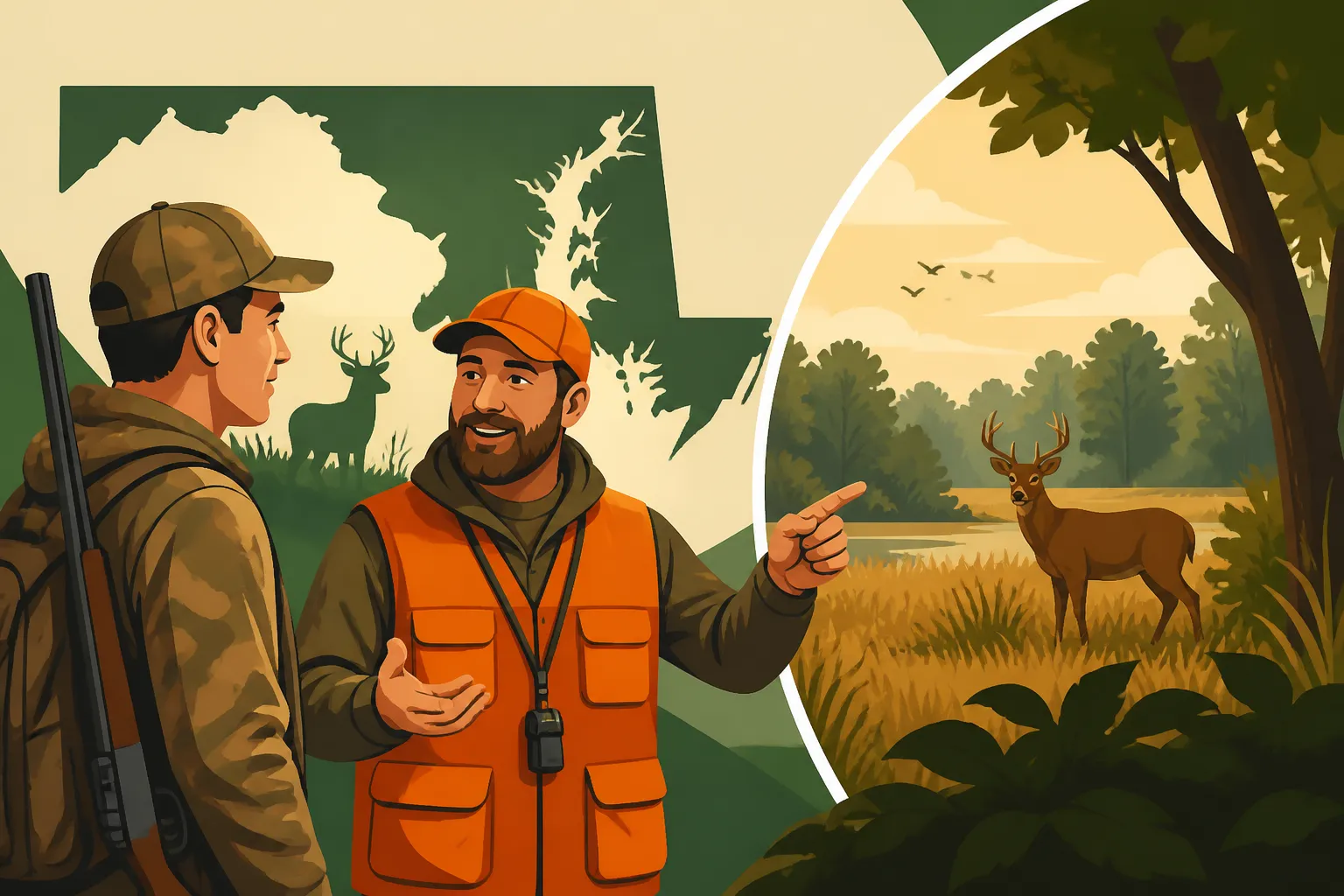
Picture this: you've spent months planning, saved up your hard-earned money, and finally, you're standing on the edge of a Maryland marsh or a Western Maryland ridge, ready for the hunt of a lifetime with a seasoned guide. But if you and your guide aren't on the same page, if instructions are misunderstood, or if expectations clash, that dream hunt can quickly become a frustrating ordeal. This guide is all about mastering the art of clear, effective communication with your Maryland hunting guide, from your very first inquiry to the moment you part ways.
Before You Book: Setting Expectations
The foundation of any successful guided hunt, whether you're after Maryland's Sika Deer, an Imported Herd in the marshes or a big whitetail buck in the mountains, is laid long before you ever step foot in the field. It starts with open and honest communication during the booking process. Think of it like building a bridge; you want strong pillars on both sides before you cross. Too many hunters, excited by the prospect of the trip, rush through this stage, only to find themselves disappointed later.
Initial Inquiry: Be Specific
When you first reach out to a guide or outfitter, whether you found them through a platform like BookYourHunt or GoHunt, or a direct referral, it's crucial to be as detailed as possible about what you're looking for, and equally, what you're not looking for. Don't assume the guide can read your mind. They deal with all types of hunters, from seasoned veterans to first-timers.
Start with the basics: what species are you hoping to hunt (deer, turkey, waterfowl, sika)? What are your preferred dates or season windows? How many people are in your group? Are there any physical limitations within your party that the guide needs to be aware of, like bad knees, a fear of heights for treestands, or an aversion to wading through thick marsh mud? For example, if you're picturing an easy stroll to a blind and the guide specializes in Marsh Hunting Sika Deer by Boat that involves rigorous wading, you need to know that upfront. Be honest about your experience level; there's no shame in being new, and a good guide will appreciate the candor so they can tailor the experience. Likewise, if you're a seasoned hunter looking for a challenge, communicate that too. Don't be shy about your weapon choice either, especially in Maryland where Maryland's Legal Weapons by County can vary drastically, meaning certain firearms might not be permitted in your chosen hunting area.
Understanding the Guide's Package
Once you've made initial contact, it's time to dig into the specifics of what a guided hunt actually includes. Many hunters get caught off guard because they assume certain things are covered when they aren't. A guide's "package" can be incredibly varied. Some are all-inclusive, offering meals, lodging, transportation from the lodge to the hunting grounds, and even initial game processing. Others might be a "guide only" service, meaning you're responsible for everything else.
Ask for a detailed breakdown in writing, if possible, or take meticulous notes. What are the arrangements for lodging? Are meals provided, and if so, what kind of food? Will the guide provide transportation in the field, or do you need your own vehicle capable of navigating rural roads or muddy tracks? Clarify exactly what happens once an animal is harvested. Does the guide assist with field dressing? Is there a local processor they work with, and what are those costs? For waterfowl hunts, do they provide decoys, a blind, and a dog, or are you expected to bring your own? Remember, essential items like your Maryland Hunting Licenses and What They Cost and any required stamps (like the Maryland Sika Deer Stamp Rules) are almost always your responsibility, as are personal gear, ammunition, and gratuities. Never assume anything; ask every question, no matter how small it seems. This prevents awkward surprises later on.
Clarifying Hunt Style and Ethics
Every guide has a preferred hunting style, and every hunter has their own expectations of what "fair chase" means. These need to align. For instance, are you expecting a still-hunt through timber for a whitetail, or is the guide planning a deer drive with multiple hunters? If you're chasing sika deer, is the guide focused on Calling Sika Stags During the September Whistle or still-hunting through thick marsh grass?
Discuss ethical considerations and regulations specific to Maryland. Are you allowed to call your own shots, or does the guide make the final decision on whether an animal is mature enough to harvest based on local antler restrictions? What happens if you wound an animal? What are the recovery protocols, especially in challenging environments like a tidal marsh at last light? A good guide will have a clear plan, and you should understand it thoroughly. This conversation isn't about challenging their professionalism; it's about ensuring a shared understanding and mutual respect for both the game and the hunting experience. Make sure to discuss local regulations, such as Maryland's Three-Point Antler Restriction if applicable to your deer hunt, so you're both clear on what constitutes a legal animal.
Here's a quick checklist to help with your pre-hunt communication:
| Category | Key Questions to Ask | What to Clarify |
|---|---|---|
| Hunt Details | Species, Dates, Group Size, Physical Requirements? | Specific game, preferred season, number of hunters, any mobility issues? |
| Inclusions | Meals, Lodging, Transportation, Field Dressing? | What's provided for daily needs, travel to/from hunt area, post-harvest handling? |
| Exclusions | Licenses, Stamps, Personal Gear, Gratuities, Processing? | What you must bring or pay for separately (e.g., Maryland Resident License Options) |
| Hunt Style | Method (still-hunt, stand, drive, calling)? Ethical approach? | How the guide typically hunts, your preferences, fair chase boundaries. |
| Safety & Rules | Emergency plan, local regs, recovery protocol for wounded game? | What to do in an emergency, specific laws (e.g., Maryland Blaze Orange Requirements), retrieving game. |
| Payment | Deposit, Balance, Tipping policy? Cancellation terms? | When payments are due, how much to tip (if applicable), what if you cancel. |
During the Hunt: Real-Time Interaction
Once you're in the field, communication shifts. It becomes more immediate, often non-verbal, and requires a heightened sense of awareness. You've done the groundwork, but now you're executing the plan, and conditions can change in an instant. This is where the guide's experience truly shines, and your ability to listen and respond is paramount.
Reading Non-Verbal Cues
In the quiet of the woods or the vastness of the marsh, loud talking can ruin a hunt. This is where your guide will likely use a range of subtle, non-verbal signals to communicate. This might include hand gestures – a raised fist to stop, a slow wave to move forward, fingers indicating direction or number of animals. It could be subtle body language, like a slow turn of the head, a crouch, or even just the focus of their eyes.
Before the hunt begins each day, it’s a good idea to explicitly ask your guide about their preferred non-verbal cues. "Hey, before we get out there, what are your hand signals for stopping, moving slowly, or if you spot something?" This brief conversation can prevent costly misunderstandings. Being hyper-attentive to your guide's movements and gestures is crucial. If they freeze, you freeze. If they point, you look. If they make a subtle motion to slow down, you adjust your pace immediately. Missing these cues can mean bumping game, ruining a setup, or even creating a safety issue. It's a dance, and you need to be in step with your partner.
Asking Questions in the Moment
There will undoubtedly be times during the hunt when you have questions. Maybe you didn't quite catch an instruction, or you're unsure about a target. The challenge is asking without alarming game. This is where a soft whisper or specific agreed-upon signals come into play. A quick, subtle glance towards your guide with a questioning look might be enough for them to clarify with a minimal head nod or whispered word.
For example, if you're on a deer stand and the guide points out a buck, but you're having trouble judging its antlers to meet Maryland's Three-Point Antler Restriction, a silent signal to them that you need more information is far better than taking a questionable shot. In a layout blind for geese, if you're unsure which bird to target, a hushed "left?" or "right?" might be permissible during a lull in the action, followed by a quick nod from the guide. However, understand that there are moments when absolute silence is required, and you must trust your guide's judgment. Part of effective communication is knowing when not to communicate verbally and relying on the non-verbal cues you discussed. Learning to anticipate and react quickly is key, especially during fast-paced hunts like Decoying Divers on Maryland's Open Bay where opportunities vanish in seconds.
Providing Feedback and Concerns
Your well-being and comfort are also part of the in-field communication. If you're getting dangerously cold, feeling sick, or experiencing an injury, you need to communicate that immediately. A hunt can be grueling, and pushing yourself past your limits can lead to serious problems. Don't be a hero; your guide needs to know if you're truly struggling.
Perhaps the hunt isn't going as expected, or you have a safety concern. Maybe the current setup feels unsafe, or you're seeing more hunters than you anticipated. These need to be addressed calmly and respectfully, ideally during a natural break in the action, not in the heat of a critical moment. For example, if you're Wading Into a Dorchester Marsh Before Daylight and your waders suddenly spring a leak, tell your guide. They can't help you if they don't know you're in trouble. Maintaining an open dialogue ensures that the hunt remains safe, enjoyable, and productive for everyone involved. Sometimes, a guide might even ask for your input on a strategy shift, like "Do you think we should stay here, or try Hunting a Green Ridge Ridgetop Bench instead?" Your honest opinion, informed by your perspective, can be valuable.
After the Hunt: Debriefing and Follow-Up
The hunt isn't truly over until the last conversation has been had. Post-hunt communication is just as vital as the planning and execution phases. It solidifies the experience, allows for feedback, and often paves the way for future adventures.
Post-Hunt Review and Feedback
Once the adrenaline has worn off and you're back at the lodge or vehicle, take the time for a debrief. This is an excellent opportunity to reflect on the day's events, discuss what went well, and identify any areas for improvement. A good guide will often initiate this, asking how you felt about the hunt, what you enjoyed, and if there's anything they could have done differently.
Be honest but constructive with your feedback. If you felt a particular aspect could have been handled better, express it respectfully. For example, "I really appreciated you getting us into those ducks, but next time, I'd love to spend a bit more time discussing the shooting order before the birds commit." Or, "The marsh hunt was incredible, but that particular path through the phragmites was a bit tougher than I anticipated for my bad knee. Is there an easier route for future trips?" This kind of feedback is invaluable to a guide, helping them refine their services. Similarly, express your gratitude for their hard work and expertise. This positive reinforcement is always appreciated and builds a stronger rapport. Platforms like BookYourHunt and GoHunt often encourage reviews, and your detailed feedback there can help other hunters make informed decisions, just as Reading Outfitter Reviews Honestly helped you choose your guide.
Settling Up: Gratuities and Payments
Before you depart, you'll need to settle up any remaining payments and, importantly, address gratuities. This is an area where misunderstandings frequently occur, so clear communication beforehand is paramount. Reconfirm any outstanding balances for the hunt itself or for additional services like processing or taxidermy prep.
Regarding tips, it's always best to ask about a guide's tipping policy or general expectations during the booking process. If you didn't, a discreet conversation after the hunt is appropriate. "What's customary for a successful hunt like this?" or "I wanted to make sure I'm tipping appropriately." Guides work incredibly hard, often long hours in challenging conditions, and a tip is a direct reflection of your appreciation for their effort and expertise. Be prepared with cash, as this is generally preferred for gratuities, and ensure you understand Tipping a Maryland Guide guidelines. Avoid awkwardness by having this conversation upfront or as clearly as possible when the time comes.
Staying in Touch for Future Hunts
If you had a great experience, don't let the communication end when you drive away. Building a relationship with a good guide can pay dividends for future hunts. Many guides have repeat clients who get priority booking or first dibs on prime dates. Send a thank-you note or email, share some of your favorite photos from the trip, and let them know you'd be interested in booking again.
For example, if you had a fantastic Sika Deer Hunting in Maryland's Tidal Marshes trip, let your guide know you're already thinking about Booking a Maryland Hunt a Year Ahead for the next season. A brief follow-up demonstrates your appreciation and keeps you in their mind. They might even reach out with special opportunities or last-minute cancellation openings that fit your interests. In the world of hunting, personal connections and trust go a long way, and good communication is the cornerstone of those relationships.
Ultimately, open, honest, and respectful communication with your Maryland hunting guide is the single most important factor in ensuring a safe, enjoyable, and successful experience. From discussing What a Maryland Guided Hunt Costs and what's included, to understanding hand signals in the field and providing thoughtful feedback afterward, every interaction plays a role. Invest the time in clear communication, and your Maryland hunting memories will be all the richer for it.
Disclaimer
This article is for general informational purposes only and does not constitute professional advice. Laws, prices and regulations vary by location and change over time. Consult a qualified professional for guidance on your specific situation.