Guided Predator Hunts in Maryland
Maryland's fields and forests hold a healthy population of predators, and for many hunters, the thrill of calling in a wily coyote or a cautious fox is an experience like no other. But trying to navigate the vast landscapes and the nuances of predator behavior on your own can be incredibly daunting, often leading to frustration and empty stands. This guide is here to shed light on what to expect from guided predator hunts in Maryland, helping you understand how a professional can unlock success and provide an unforgettable adventure, whether you're chasing coyotes, foxes, or other elusive species.
Why Consider a Guided Predator Hunt in Maryland?
Let's face it, predator hunting isn't like deer hunting where you might sit patiently in a stand hoping a deer walks by. It's a game of wits, strategy, and often, specialized knowledge. For many, the idea of chasing coyotes or foxes sounds exciting, but the reality of finding them, calling them in, and making an ethical shot can be a steep learning curve. This is precisely where a guided hunt can make all the difference, transforming a potentially frustrating outing into a rewarding experience.
Navigating Maryland's Diverse Landscapes
Maryland is a state of incredible ecological diversity, from the sprawling farmlands and dense timber blocks of the Eastern Shore to the rugged mountains and thick ridges of Western Maryland. Each habitat presents its own challenges when it comes to locating and ambushing predators. Without intimate knowledge of these areas, you can spend days scouting and still feel lost.
Imagine trying to find a good coyote setup in a vast expanse of cut cornfields, or tracking a gray fox through dense pine thickets. Guides, however, spend countless hours year-round on these properties. They've identified key travel corridors, denning areas, and preferred feeding locations. They often have access to private lands that are completely off-limits to the general public, dramatically increasing your chances of encountering target animals. This access is invaluable, especially when you consider Hunting Pressure on Maryland Public Land can make it tough to find undisturbed areas for calling. Instead of knocking on doors yourself, which can be hit or miss, a guide has already cultivated those relationships and secured the prime hunting spots.
Understanding Predator Behavior
Coyotes and foxes are incredibly intelligent and wary animals. They've learned to avoid human contact, and they quickly pattern calling sequences or repeated intrusions. A successful predator hunter needs to not only understand their movements but also their responses to various calls, wind patterns, and time of day. This intuition comes from years of field experience, which most recreational hunters simply don't have the time to accumulate.
A seasoned guide knows the subtle nuances. They understand that What Maryland Coyotes Actually Eat influences their travel routes, or that a red fox might respond differently to a distress call than a gray fox. They can read the wind, identify fresh tracks, and determine the optimal setup location that maximizes visibility while minimizing the chances of being scented or spotted. They'll teach you about things like thermal currents in mountainous terrain or how sound carries differently across open marshland. This expertise translates directly into more opportunities, allowing you to learn from a master rather than fumbling through trial and error.
Specialized Gear and Techniques
Let's be honest: some of the most effective predator hunting tools, especially for night hunting, come with a hefty price tag. Thermal optics, advanced night vision scopes, and high-end electronic callers with extensive sound libraries are significant investments. For someone who only hunts predators a few times a year, justifying such an expense can be tough. This is another area where a guided hunt truly shines.
Many Maryland predator guides will provide all the necessary specialized equipment. You might find yourself behind a top-of-the-line thermal scanner, spotting coyotes in the dark from hundreds of yards away, or listening to a custom calling sequence broadcast from a powerful e-caller. They'll also have expertise in setting up shooting sticks, using blinds, and employing scent control techniques that can be critical for success. This means you don't have to buy expensive gear or worry about the technical learning curve; you can simply focus on the hunt itself. It’s a fantastic way to experience these advanced methods without the upfront financial commitment.
What to Expect from a Maryland Predator Hunting Guide
Going on a guided hunt isn't just about showing up and shooting. It's an immersive experience designed to put you in the best position possible. Understanding what typically happens on these hunts can help you manage your expectations and prepare properly.
Common Predator Species Targeted
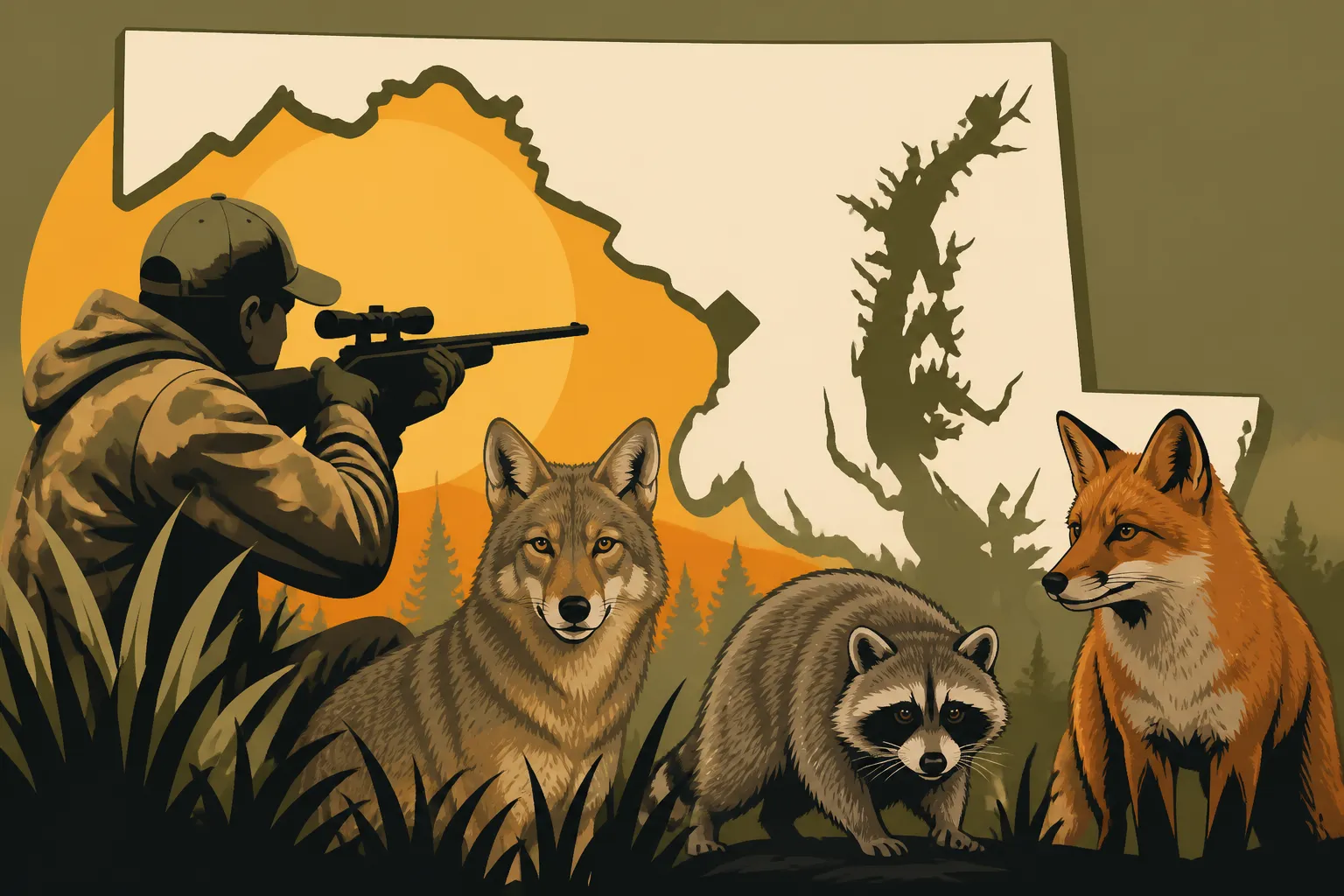
In Maryland, the primary focus for most guided predator hunts will be coyotes and foxes. Both are abundant across various parts of the state, though their habitats and behaviors can differ significantly.
-
Coyotes: These adaptable canids are widespread and offer an exciting challenge. Guides often target them in agricultural areas, timber edges, and even some suburban fringes where their populations have grown. You'll typically be set up in a strategic location, often at dawn, dusk, or even under the cover of darkness with specialized equipment, using a variety of distress calls or howls to bring them in. Learning to distinguish the nuances of Coyote Calling in Maryland Farm Country is key, and a guide will have a repertoire of calls to match the situation. The reward of seeing a coyote respond to a call and approach your stand is truly exhilarating.
-
Foxes: Maryland is home to both red and gray foxes, each with their own unique characteristics. Red foxes are often found in open farm country and wooded edges, while gray foxes prefer thicker cover, including brushy areas and dense woods. Guides will employ different calling techniques and setup strategies depending on which species they are primarily targeting. For example, a guide who knows Telling a Red Fox From a Gray Fox can adjust their approach instantly if they identify a specific track or sign. Fox hunts can be equally thrilling, often requiring patience and quick reflexes as these animals can appear and disappear with surprising speed.
While coyotes and foxes are the main draw, some guides might also offer opportunities for other nuisance species like raccoons or opossums, especially if these animals are causing problems for landowners.
Typical Hunt Scenarios and Durations
A guided predator hunt in Maryland usually revolves around strategic calling stands. Here’s a breakdown of what you might encounter:
-
Calling Stands: The guide will typically choose a location based on their knowledge of predator movement, wind direction, and potential approach lanes. You'll set up, often concealed by natural cover or a pop-up blind, and the guide will begin a calling sequence. This might involve electronic calls mimicking rabbit distress, bird distress, or even coyote howls. The duration of each stand can vary from 15 minutes to an hour, as guides know that if a predator is going to respond, it usually happens relatively quickly. After a stand, you might pack up and move to another location, sometimes covering several miles between setups. This mobile approach is highly effective for covering ground and finding active predators.
-
Day vs. Night Hunting: Many guided predator hunts in Maryland take place after dark. This is often when coyotes and foxes are most active and least wary, particularly in areas with significant human activity during the day. Night hunts typically involve the use of thermal or night vision optics, which are incredibly effective for spotting animals in low light. The guide will set up, scan the area, and call, directing you to any approaching animals. Day hunts are also common, especially for fox, and involve similar calling techniques, but rely on keen eyesight and good camouflage. Knowing Maryland Shooting Hours and Legal Light for your specific county and weapon choice is crucial, and your guide will be well-versed in these regulations.
Most guided hunts are either half-day or full-day excursions. A half-day might involve 3-5 stands, while a full-day could stretch to 6-10 or more, often with a break in between. The intensity can be surprising, as you're constantly scanning, listening, and being ready for a shot.
Equipment Provided Versus What You Bring
One of the great advantages of a guided hunt is access to the guide's specialized equipment. However, you'll still have some essentials to bring yourself.
What the Guide Often Provides:
- Electronic Callers: High-quality, powerful e-callers with a vast library of predator sounds.
- Optics: This is a big one! For night hunts, expect thermal scanners and thermal or night vision scopes for shooting. For day hunts, good binoculars and spotting scopes.
- Shooting Rests: Bipods or tripod shooting sticks to ensure a stable shot.
- Concealment: Pop-up blinds or natural brush blinds.
- Transportation: Getting to and from various hunting spots, especially on large private properties.
What You Should Bring:
- Firearm and Ammunition: While some guides might offer firearms for rent, it's generally best to bring your own rifle or shotgun that you are comfortable and proficient with. Make sure your chosen weapon aligns with Maryland's Legal Weapons by County for predator hunting. For coyotes, a flat-shooting centerfire rifle like a .223 or .22-250 is popular. For foxes, a smaller caliber rifle or shotgun with appropriate loads.
- Appropriate Clothing: Dress in layers suitable for Maryland's weather, which can change rapidly. Good camouflage is essential, and consider scent-control clothing if you have it. For night hunts, dark, non-reflective clothing is critical.
- Footwear: Comfortable, waterproof boots are a must, as you might be walking through fields, woods, or even wet ground.
- Personal Gear: Headlamp (with a red or green light option for night hunts), snacks, water, rangefinder, and a small backpack.
- License and Stamps: Always have your current Maryland hunting license. While predator hunting doesn't usually require specific stamps like deer or waterfowl, having your general hunting license is non-negotiable. Check Maryland Resident License Options or Maryland Nonresident License Options to ensure you're covered.
Choosing the Right Predator Hunting Guide in Maryland
Just like any significant investment in an outdoor experience, selecting the right guide is paramount. You want someone knowledgeable, ethical, and who aligns with your hunting style and expectations.
Vetting Guides and Their Experience
Don't just pick the first guide you find online. Do your homework. Look for guides who specialize in predator hunting, as their expertise will be far greater than someone who primarily guides for other species.
- Research Platforms: Websites like BookYourHunt and GoHunt can be excellent resources for finding reputable Maryland hunting guides. These platforms often list guides, their specialties, client reviews, and contact information, allowing you to compare options and read about other hunters' experiences.
- Ask for References: A good guide will gladly provide references from past clients. Take the time to call these references and ask specific questions about their experience: Was the guide professional? Did they put you on animals? Was the equipment in good condition? Did they communicate clearly?
- Verify Credentials: While predator guides in Maryland might not always require the same specific licensing as, say, waterfowl guides, it's still worth asking about their general guide experience, first aid certifications, and whether they operate legally on the lands they use. For instance, if they're hunting a Maryland Farm Lease Your First Season, ensure they have proper agreements.
- Interview Your Guide: Before booking, have a detailed conversation. Ask about their hunting philosophy, preferred methods, typical success rates (and what "success" means to them – is it just a kill, or the overall experience?), and how they handle unforeseen circumstances like bad weather or mechanical issues. Discuss How Maryland's Coyote Population Grew in their specific area of operation, as this will demonstrate their localized knowledge.
Understanding Pricing and Packages
Guided hunts are an investment, and prices can vary significantly based on duration, species, and the services included. It's crucial to get a clear understanding of all costs upfront.
- Day Rates vs. Packages: Most predator hunts are offered as day rates, covering a specified number of hours or stands. Some might offer multi-day packages, especially if you're traveling from out of state. Clarify whether the price is per hunter or for a group.
- What's Included (and What's Not): Ensure you know exactly what the quoted price covers. Does it include ammunition? Meals? Lodging? Animal skinning and caping? Some guides might offer all-inclusive experiences, while others provide a more basic service, leaving you responsible for many extras. Don't be shy about asking "What is Never Included in a Guided Hunt" to avoid surprises.
- Deposits and Cancellations: Understand the guide's deposit policy and cancellation terms. Life happens, and you need to know what your options are if you have to reschedule or cancel. Often, deposits are non-refundable but may be transferable to a future date.
As a general rule, expect the cost to reflect the guide's expertise, the quality of their equipment, and the exclusivity of the land access. Remember, you're paying for their knowledge and their ability to put you in a position to be successful.
Legalities and Regulations for Predator Hunting
Maryland has specific rules for hunting, and these apply to predators too. Your guide should be intimately familiar with all relevant regulations, but it's always smart for you to have a basic understanding as well.
- Weapon Restrictions: Be aware of legal weapon choices. While rifles are commonly used for coyotes, there can be county-specific restrictions, especially in the more populated central and western Maryland regions. For instance, some areas may only permit shotgun or muzzleloader use for deer, but rifles might be legal for coyotes. Your guide will know the local rules, but always double-check.
- Night Hunting Rules: If you're planning a night hunt, understand the rules around artificial lights and specialized night vision or thermal equipment. Maryland has regulations governing their use, and adherence is critical. Your guide will ensure compliance.
- Private Land Permission: If hunting on private land, ensure the guide has explicit permission for you and the group to be there. Maryland Trespass and Permission Law is clear on this, and a good guide will always operate with landowner consent.
- Tagging and Reporting: While predators don't typically require tags like deer or turkey, understanding any reporting requirements or harvest surveys is important. Your guide will usually handle this or instruct you on what's needed.
Maximizing Your Guided Predator Hunting Experience
A guided hunt is an incredible opportunity, but you can do your part to make it even better. Preparation, communication, and an ethical mindset are key to a truly rewarding experience.
Preparation Before Your Hunt
Even though a guide handles much of the logistics, your personal preparation can greatly influence your success and enjoyment.
- Practice with Your Weapon: This is non-negotiable. Spend time at the shooting range becoming proficient with your rifle or shotgun. Know your ethical range, especially if you're using specialized optics you're not familiar with. A guide can put you on a target, but it's up to you to make the shot. Practice shooting from various positions – sitting, kneeling, prone – as you won't always have a bench rest in the field.
- Physical Readiness: Predator hunting, particularly if you're moving between stands, can involve walking through uneven terrain, climbing over fences, or navigating dense brush. While it's generally not as physically demanding as, say, Still-Hunting Western Maryland Mountain Timber, being in reasonable shape will make the experience more comfortable and enjoyable.
- Gear Check: Go through your personal gear well in advance. Are your boots waterproof? Are your clothes appropriate for the expected weather? Does your headlamp have fresh batteries? Have a checklist to ensure you don't forget essentials.
- Mental Preparation: Predator hunting often involves periods of quiet patience punctuated by moments of intense action. Be prepared for both. Understand that success isn't guaranteed, but the experience itself is valuable.
Communication with Your Guide
Open and honest communication with your guide is critical, both before and during the hunt.
- Set Expectations: Clearly communicate your experience level and what you hope to achieve. Are you looking for a trophy coyote? Are you more interested in learning calling techniques? Or simply looking for a fun, action-packed hunt? Your guide can tailor the experience if they understand your goals.
- Ask Questions: Don't hesitate to ask questions. This is your chance to learn from an expert. Ask about the area, the animals, the calling techniques, or anything else that comes to mind. A good guide loves to share their knowledge.
- Be Honest About Limitations: If you have a physical limitation, are uncomfortable with a certain shot distance, or have any concerns, voice them. Your guide wants you to be safe and successful, and they can adjust plans accordingly. For example, if you're not comfortable with night hunting optics, let them know.
- Follow Instructions: Once in the field, listen carefully to your guide's instructions. They are the expert on their terrain and their animals. This includes everything from how to approach a stand, when to move, and when to shoot. Their guidance is essential for both safety and success.
Ethical Considerations and Best Practices
As hunters, we have a responsibility to uphold ethical standards. This is especially true when hunting predators.
- Responsible Hunting: Always strive for a clean, ethical kill. Your guide will emphasize shot placement and only taking shots within your comfortable range. In predator hunting, quick follow-up shots can sometimes be necessary, and your guide will instruct you on this.
- Respect for the Animals: While predators are often managed, they are still wild animals deserving of respect. Avoid unnecessary cruelty or showing disrespect for the game.
- Landowner Respect: If hunting on private land, treat the property with the utmost respect. Leave no trace, close gates, and follow any specific rules the landowner has. Your guide's relationship with the landowner is crucial, and you are a reflection of that relationship.
- Retrieval: Even small predators can be surprisingly tough to find after a shot, especially at night. A good guide will prioritize diligent tracking and retrieval, and you should be prepared to assist. Blood Trailing in Marsh Grass After Dark might be for deer, but the principles of diligent tracking apply to any game animal.
Here's a quick look at some key aspects of predator hunting that a guide can help you with:
| Aspect | Do-It-Yourself (DIY) Hunt | Guided Hunt |
|---|---|---|
| Land Access | Limited to public lands; difficult to gain private permission. | Access to prime private lands; extensive knowledge of public areas. |
| Equipment | Requires significant investment in specialized gear (thermal, e-callers). | Guide provides high-end gear; no upfront cost for you. |
| Knowledge/Skill | Steep learning curve for calling, scent control, behavior. | Benefits from guide's years of experience and localized knowledge. |
| Time Investment | Extensive scouting, planning, and trial-and-error. | Guide has already scouted and planned; maximizes hunting time. |
| Safety | Responsibility solely on you; can be complex in low light. | Guide prioritizes safety, familiar with terrain and night operations. |
| Species ID | Need to know Telling a Red Fox From a Gray Fox and other local species. | Guide provides expert identification and behavioral insights. |
| Success Rate | Highly variable, often low for beginners. | Generally higher due to expertise, access, and equipment. |
Ultimately, a guided predator hunt in Maryland offers a unique opportunity to experience the thrill of chasing these cunning animals with the best possible chance of success, all while learning from an experienced professional. It's a fantastic way to deepen your appreciation for Maryland's diverse wildlife and challenge your hunting skills.
Disclaimer
This article is for general informational purposes only and does not constitute professional advice. Laws, prices and regulations vary by location and change over time. Consult a qualified professional for guidance on your specific situation.