Guided Dove Shoots on Maryland Farms
Finding prime dove fields in Maryland can often feel like a treasure hunt, especially if you don't have extensive private land access or local connections. Many hunters struggle to consistently locate hot spots that offer good shooting without intense competition from other hunters. This guide is designed to walk you through everything you need to know about joining a guided dove shoot on a Maryland farm, making it easier to enjoy one of the state's most beloved early-season traditions.
Understanding Maryland Dove Hunting Culture
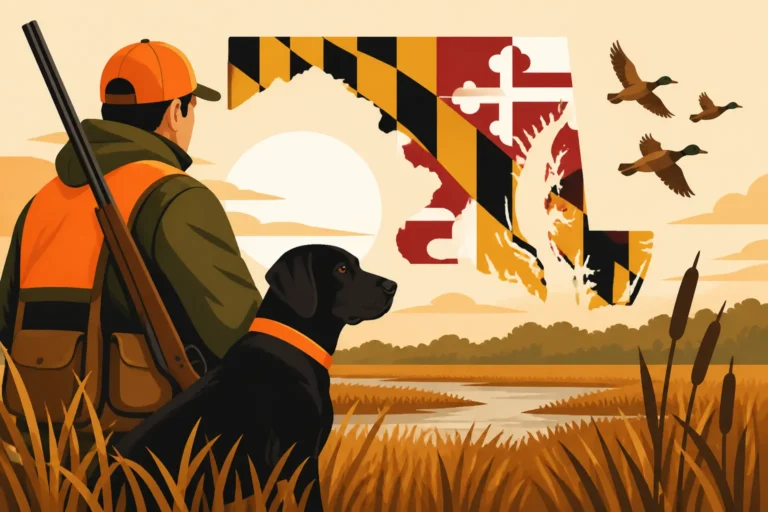
Dove hunting isn't just a sport in Maryland; it's practically a holiday, signaling the unofficial start of the fall hunting season. For many, it's a deeply rooted tradition, a chance to gather with friends and family, and an exciting warm-up for the deer and waterfowl seasons ahead.
Why Dove Hunting is So Popular in Maryland
The reasons behind dove hunting's popularity are pretty clear once you've experienced it. First off, the season often kicks off right at the beginning of September, making it the earliest opportunity for many hunters to get out into the field after a long summer. It's a fantastic way to knock the rust off your shotgun swing and enjoy some fast-paced action. Beyond that, doves are incredibly abundant across much of Maryland's agricultural landscape, particularly on the Eastern Shore and in the Piedmont regions where grain crops are king.
The social aspect of a dove shoot is also a huge draw. Unlike the often solitary pursuit of deer or the intense concentration of a duck blind, dove shoots are typically lively affairs. You're often spread out in a field with a dozen or more other hunters, making for a festive atmosphere with plenty of camaraderie, good-natured ribbing, and shared stories. It's an accessible hunt for new hunters and seasoned veterans alike, providing ample shooting opportunities without demanding specialized gear beyond a shotgun and shells.
Typical Maryland Dove Fields
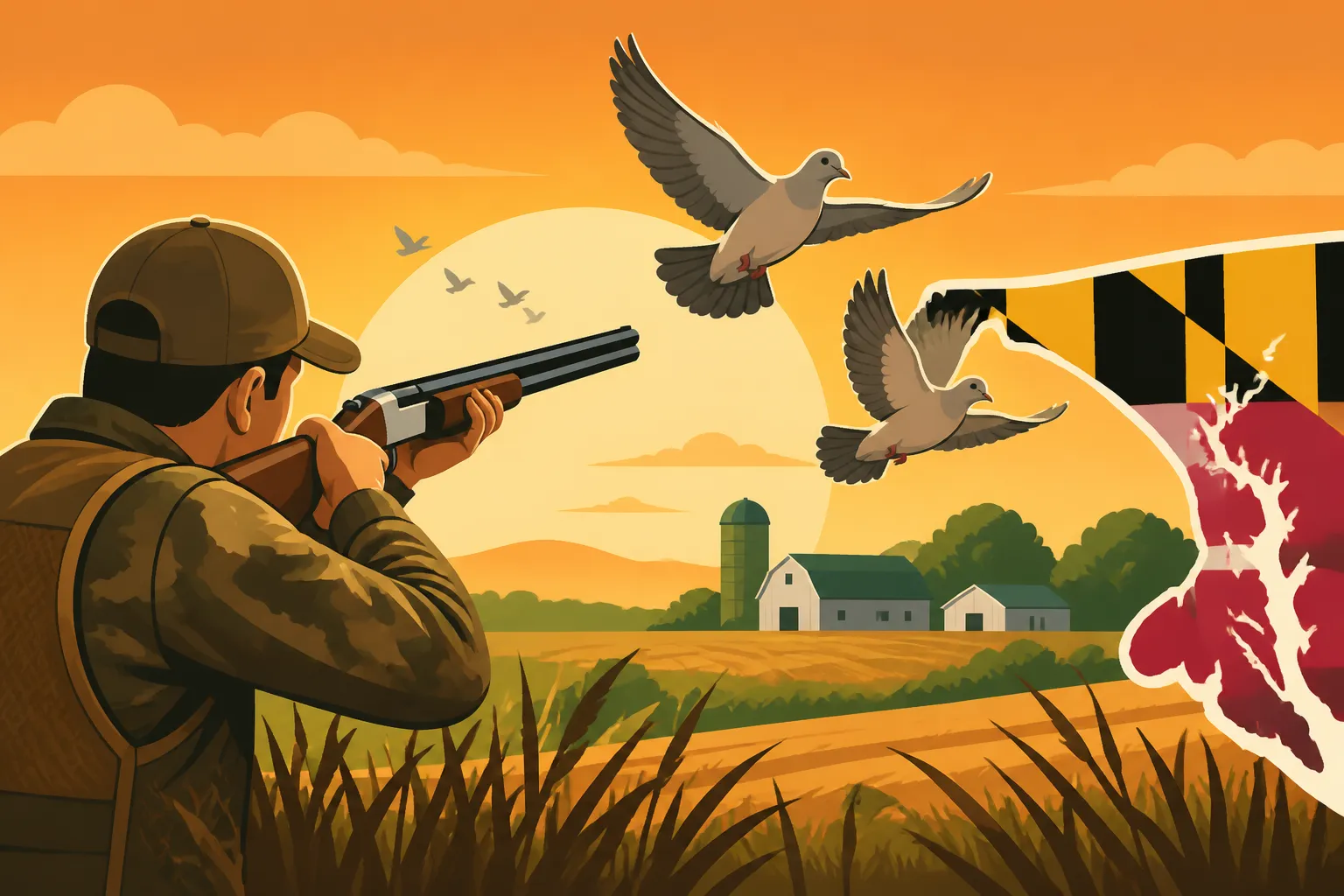
If you've driven through Maryland's farmlands, especially the Eastern Shore, you've probably seen the perfect habitat for doves without even realizing it. Mourning doves are grain eaters, so their populations thrive wherever there are vast agricultural fields. Guided dove shoots almost exclusively take place on private farmland specifically managed to attract these birds.
The classic Maryland dove field will often be a recently harvested wheat, corn, or milo field. After the combines roll through, they leave behind scattered grain on the ground, which is an absolute magnet for doves. Some outfitters and farmers go a step further, planting specific crops like sunflowers or millet that are left standing and then cut just before the season opens, ensuring a rich buffet for the birds. A good field will also have some scattered trees or power lines nearby where doves can perch and survey the feeding grounds, offering them a safe approach and escape route. These specific setups are what make a guided hunt so appealing – you're paying for access to prime real estate that's been scouted and prepared to draw in birds, taking away the guesswork of trying to find them on your own. You might be surprised at how much difference a well-managed field makes compared to just any old cut stubble.
What to Expect from a Guided Dove Shoot
When you book a guided dove shoot on a Maryland farm, you're not just buying access; you're often investing in an experience that handles many of the logistical headaches, allowing you to focus purely on the shooting and the fellowship.
The Set-Up and Logistics
A typical guided dove shoot day usually starts with hunters gathering at a designated meeting spot, often a farmhouse or a barn, where you'll sign any necessary waivers, get a safety briefing, and perhaps enjoy some coffee and donuts. The guide will then transport or direct you to the specific field, which has been carefully scouted and prepared.
Once in the field, the guide will strategically place hunters around the perimeter, often providing stools or chairs for comfort. This spacing is crucial for both safety and maximizing shooting opportunities. You want enough room to swing your gun safely, but also to cover different flight paths as birds dip and weave into the field. Sometimes, natural cover like hedgerows or standing corn rows will be utilized, or temporary blinds might be set up to help conceal hunters from the sharp eyes of incoming doves. Many guides also employ "bird boys" or retrievers to quickly pick up downed birds, preventing loss and ensuring the action keeps moving. Having someone dedicated to retrieving birds is a massive help, especially when the shooting is hot and heavy.
Common Scenarios on a Guided Hunt
The action on a dove shoot can range from a steady trickle to an absolute barrage. Doves are notoriously fast and erratic fliers, making them a challenging target even for experienced shotgunners. You'll often see birds zipping in from all directions, dipping, climbing, and banking in ways that will test your reflexes and lead. Expect to miss far more than you hit – it's part of the fun! Most shoots will have periods of intense activity, particularly in the morning and late afternoon, interspersed with lulls.
Safety is paramount, and your guide will reiterate rules like only shooting at birds within your safe zone of fire and never shooting at low-flying birds or birds on the ground. The social atmosphere means there's often friendly banter, encouragement, and perhaps even some good-natured teasing about missed shots. Many shoots are informal, but some might enforce a "three-box limit" or other rules to ensure everyone gets a fair chance and to conserve birds if numbers are lower than expected. It's a great opportunity to improve your wingshooting skills and enjoy the company of fellow hunters.
Services Provided by Outfitters
What exactly you get with a guided dove shoot can vary widely among outfitters. Most will, at a minimum, provide access to prime, pre-scouted fields and a knowledgeable guide who can offer insights into bird movement and field strategy. They'll also ensure proper spacing for safety and usually provide a place to sit.
Beyond the basics, some premium packages might include amenities like:
- Meals: Lunch, snacks, or even a post-hunt cookout are sometimes part of the deal, adding to the social experience.
- Lodging: If you're coming from out of state or far across Maryland, some outfitters, especially those offering multi-day packages, may include or help arrange lodging options, from comfortable farmhouses to local hotels.
- Bird Cleaning: Some guides or their staff might offer bird cleaning services for an additional fee, saving you the messy work at the end of a long day.
- Retrievers: As mentioned, many will have dogs on hand for efficient bird recovery. If you bring your own retriever, always clear it with the outfitter first to ensure it won't interfere with other hunters or their dogs.
- Ammunition: While less common, some outfits might offer ammunition for sale on-site, which can be convenient if you underestimate how many shells you'll go through.
Always confirm exactly what's included when you book, so there are no surprises on the day of the hunt. You might find some excellent comprehensive packages listed on platforms like BookYourHunt.
Finding and Booking Your Maryland Dove Hunt
The good news is that Maryland's strong hunting culture means there are usually quite a few options for guided dove shoots. The key is knowing where to look and what questions to ask to ensure you have a great experience.
The Benefits of Using Booking Platforms
In today's digital age, finding a reputable outfitter for a guided dove shoot has never been easier, thanks to specialized online booking platforms. Websites like BookYourHunt and GoHunt act as fantastic resources, connecting hunters directly with licensed outfitters and guides across Maryland and beyond. These platforms offer several key advantages:
- Verified Listings: Many platforms strive to feature only legitimate, licensed outfitters, offering you a layer of security. You can often see their credentials, experience, and the specific services they offer clearly laid out.
- Customer Reviews: This is huge! You can read honest reviews from previous clients, giving you insight into the quality of the hunt, the guide's professionalism, the field conditions, and the overall experience. This peer feedback is invaluable for making an informed decision.
- Detailed Packages: Outfitters typically list their packages with clear descriptions of what's included, pricing structures, and available dates. This transparency helps you compare options easily.
- Streamlined Booking: Once you find a hunt that piques your interest, you can often inquire or even book directly through the platform, simplifying the entire process. This is particularly helpful for busy hunters who don't have time to call multiple guides individually.
Using platforms like GoHunt can save you a ton of time and provide confidence that you're choosing a reputable operation, rather than just relying on word-of-mouth or outdated classifieds.
Key Questions to Ask a Prospective Outfitter
Even with the convenience of booking platforms, a quick phone call to your prospective outfitter is always a good idea. It allows you to gauge their personality, ask specific questions, and confirm details. Here's a checklist of important inquiries:
- Field Conditions: "What kind of fields are you hunting this year? Have they been scouted recently? What's the bird activity been like?" This helps you understand the current situation and manage expectations.
- Group Size and Spacing: "How many hunters will be in the field? How are you spacing people for safety and shooting lanes?" Knowing the hunter density is important for comfort and safety.
- Included Services: "What exactly is included in the price? Are stools, water, or bird boys provided? Is bird cleaning an option?" This prevents surprises on the day of the hunt.
- Rules and Regulations: "Are there any specific field rules I should know about? What's your policy on bringing dogs?" Always clarify any specific regulations for that particular outfitter or property.
- Bag Limits and Shooting Time: "What are the local bag limits, and what are the start and end times for shooting?" This ensures you're aligned with legal and outfitter-specific rules.
- Deposit and Cancellation Policy: "What's your deposit requirement, and what's your cancellation or reschedule policy if weather becomes an issue?" Understanding the financial terms upfront is crucial.
- References: While platforms offer reviews, don't be shy about asking for a direct reference if you want an even more personal recommendation.
A good outfitter will be happy to answer all your questions thoroughly and patiently.
Timing Your Booking
Dove season, especially the opening weekend in early September, is incredibly popular, and the best guided shoots often book up months in advance. If you have specific dates in mind, particularly for a prime weekend, you'll want to start looking and booking as early as possible – ideally in late spring or early summer.
Waiting until August can leave you with fewer options or only mid-week availability. However, don't despair if you're a last-minute planner. Sometimes, cancellations happen, or outfitters might add extra dates, so it's always worth checking platforms like BookYourHunt or contacting guides directly even closer to the season. Later in the season, after the initial rush, it might be easier to find availability, and sometimes the birds are even more concentrated as local populations grow and migrants move through. When Maryland's Archery Season Opens in September is also when dove season often kicks off, so many hunters are eager to get out!
Preparing for a Successful Day in the Field
A guided dove shoot is a fantastic experience, but a little preparation on your part can make it even better. Don't underestimate the physical demands or the amount of ammunition you might go through!
Essential Gear and Shotgun Choice
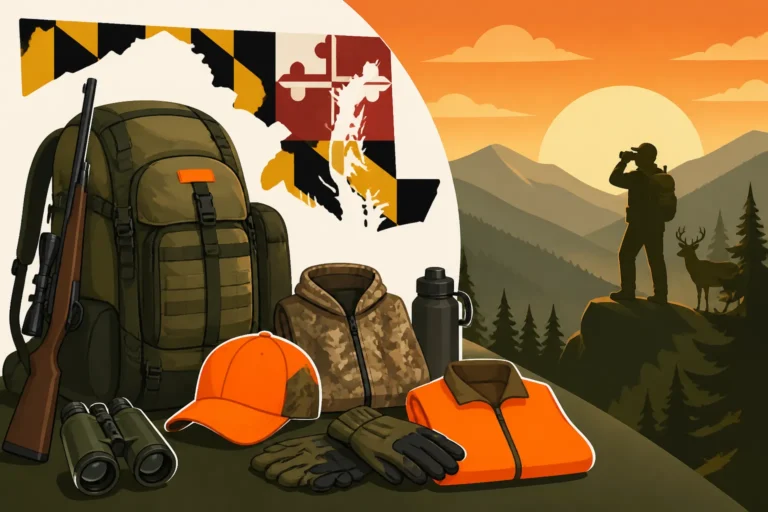
Packing smart for a dove shoot ensures comfort and readiness. Here’s a breakdown:
- Shotgun: Your trusty 12-gauge or 20-gauge shotgun is perfect. Many hunters prefer a semi-automatic for quicker follow-up shots, but a pump or over-under works just as well. Make sure it's clean and in good working order.
- Ammunition: Doves are small and fast, so target loads with smaller shot sizes (like 7.5 or 8) are ideal. Bring plenty! It's not uncommon to shoot several boxes (75-100 shells) in a good morning or afternoon. I usually bring at least two boxes for every hour I plan to be shooting.
- Chair/Stool: Many outfitters provide chairs, but bringing your own comfortable hunting stool or chair is never a bad idea. You'll be sitting for extended periods.
- Cooler: Essential for keeping your drinks cold and, more importantly, for properly storing your harvested doves. Field dressing doves immediately after shooting them and placing them on ice is critical in warm September weather. You don't want your hard-earned birds to spoil.
- Water/Snacks: Stay hydrated! September days can still be hot and humid in Maryland.
- Blaze Orange: While not always required for dove hunting, many guides prefer or require an orange hat or vest for visibility, especially if hunters are walking to different spots. Always check with your guide beforehand.
- Eye and Ear Protection: Non-negotiable! The repetitive shooting can cause hearing damage and eye protection guards against stray shot or debris.
- Gloves: Can be helpful for grip and comfort, especially on hot shotgun barrels.
- Bug Spray: Mosquitoes, ticks, and gnats can be plentiful in fields and woods edges, so come prepared.
Ammunition Considerations
As mentioned, doves are surprisingly tough to hit and require a lot of lead. Don't skimp on ammunition. Most hunters find themselves needing far more shells than they anticipate. When it comes to shot size, 7.5 or 8 lead shot is standard. These smaller pellets create a dense pattern, increasing your chances of connecting with the fast-moving birds.
Be aware of any specific ammunition rules the outfitter might have. While most dove hunting allows lead shot, it's always good to confirm. If you're planning on a combination hunt that might involve waterfowl, you'll definitely need to switch to non-toxic shot for that portion. Always carry your shells in a convenient pouch or vest so they're easily accessible during the fast action. Having to fumble for shells can cost you valuable shooting opportunities.
Practicing Your Shot
Dove hunting is one of the most challenging forms of wingshooting due to the birds' speed and erratic flight patterns. If you want to make the most of your guided shoot, spending some time at a sporting clays course or trap range beforehand can significantly improve your success rate and enjoyment.
Think of it as pre-season training. Shooting clay targets helps you practice leading moving targets, develop a smooth swing, and get comfortable with your shotgun. Many hunters find that if they can consistently hit clay pigeons, they'll be much more effective on doves. Don't be discouraged if you miss a lot – that's normal for doves! The goal is to improve your hit-to-miss ratio and feel more confident when those birds come zipping in. It's about building muscle memory and learning to instinctively track and lead. Plus, it's another fun way to spend time outdoors and sharpen your skills for the general Small Game and Predator Hunting in Maryland opportunities that follow.
When you're out there, remember to relax, let the birds get within a reasonable range, and swing through your target. It's easy to get excited and rush your shots, but a smooth, deliberate motion will pay off. Good luck, and enjoy the start of the Maryland hunting season!
Disclaimer
This article is for general informational purposes only and does not constitute professional advice. Laws, prices and regulations vary by location and change over time. Consult a qualified professional for guidance on your specific situation.