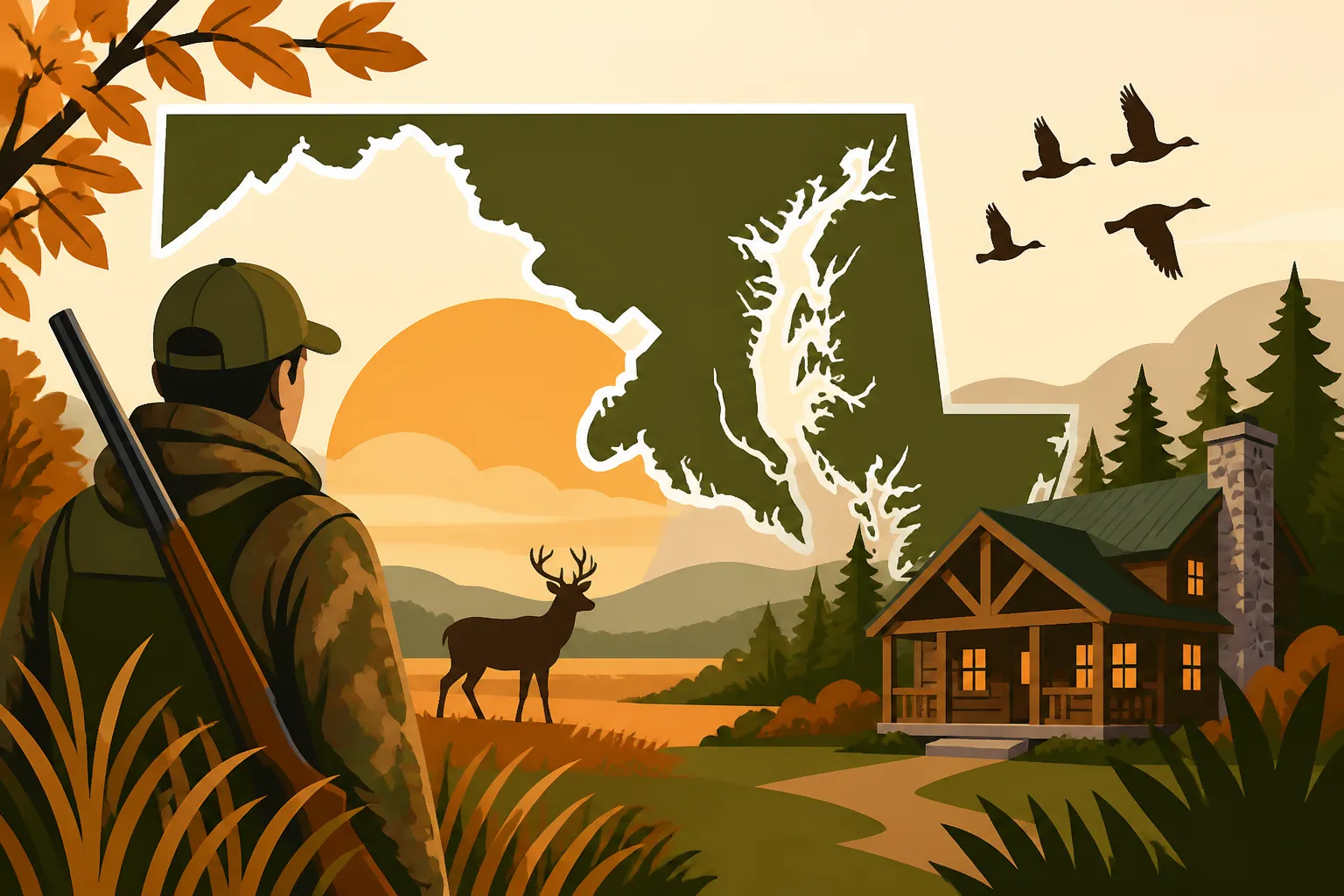
Maryland Hunting Lodges and Where to Stay
Finding the right place to lay your head after a long, exhilarating day in Maryland's diverse hunting grounds can be just as crucial as the hunt itself. We all know the feeling: you've trekked through marsh, climbed mountain ridges, or sat in a cold blind since before dawn, and the last thing you want is a cramped, inconvenient, or unwelcoming place to recover. This guide is all about helping you navigate the various lodging options across Maryland, ensuring your off-hunt hours are comfortable, practical, and truly restorative, no matter where your adventure takes you.
Why Choosing the Right Lodging Matters for Your Maryland Hunt
Let's be honest, hunting in Maryland isn't always glamorous. It involves early mornings, often frigid temperatures, mud, sweat, and sometimes, a whole lot of walking. Your lodging isn't just a place to sleep; it's your base camp, your recovery zone, and often, a crucial part of your overall hunting strategy. Skimping on this detail can quickly turn an otherwise fantastic trip into a logistical nightmare.
More Than Just a Bed: Proximity and Convenience
Imagine you've committed to Wading Into a Dorchester Marsh Before Daylight for sika deer. The last thing you want is to drive an hour and a half at 3:00 AM just to get to your launch point. Proximity to your hunting area drastically cuts down on travel time, allowing for more sleep and less stress. For those targeting sika deer in the tidal marshes, being just a few minutes from the boat ramp or a prime access point can make all the difference between catching the tide right and missing crucial hunting time.
Similarly, if you're chasing black bears in the rugged mountains of Western Maryland, a lodge or cabin tucked away closer to the vast public lands means you spend less time commuting on winding roads and more time focused on your strategy. Whether you're still-hunting timber in Savage River State Forest or trying to be in position for first light in a cornfield on the Eastern Shore, minimizing travel time before and after the hunt is paramount for both safety and success.
Comfort and Relaxation After a Long Day
Let's face it: after a full day of busting through thick cover, sitting motionless in a stand, or retrieving waterfowl from icy waters, your body aches. A warm, comfortable place to unwind is non-negotiable. This isn't just about luxury; it's about physical recovery. A hot shower, a comfortable bed, and a quiet space to stretch out and plan the next day's hunt can rejuvenate you in ways a less-than-ideal setup simply cannot.
Think about it: returning to a cozy cabin with a fireplace after a cold, wet goose hunt, or having a spacious room to dry out your gear and boots. These small comforts add up, significantly boosting your morale and physical readiness for another demanding day. Without a good night's sleep and a proper place to decompress, fatigue sets in faster, focus wanes, and the enjoyment of the hunt itself can diminish.
Handling Gear, Game, and Logistics
Hunting comes with a lot of gear: firearms, bows, camo, boots, calls, decoys, and if you're lucky, game. Your lodging needs to accommodate all of this. Is there enough space to spread out and organize your equipment without tripping over it? Is there a safe, secure place to store your weapons? What about after you've made a harvest?
A good hunting lodge often provides dedicated facilities like cleaning stations, walk-in coolers, or freezers for game. If you're staying in a rental home, you'll need ample cooler space and perhaps a garage or utility area to manage your harvest before heading to a processor. Consider the ease of access to local butchers, especially if you're traveling with a deer or bear. Trying to manage a field-dressed deer in a standard hotel room, for instance, is not only impractical but often against policy and common sense. Understanding how you'll handle game from the moment it hits the ground until it's processed or on its way home is a critical logistical consideration when choosing your stay.
Types of Hunting Lodging Available Across Maryland
Maryland offers a truly diverse landscape, and with that comes a variety of lodging options to suit every hunter's preference and budget. From all-inclusive guided experiences to rustic do-it-yourself ventures, knowing what's out there will help you pinpoint the best fit for your next trip.
Dedicated Hunting Lodges and Outfitters' Accommodations
These are often the go-to for hunters seeking a comprehensive, hassle-free experience. Dedicated hunting lodges, especially prevalent on the Eastern Shore for waterfowl and sika deer, are typically part of a larger outfitting operation. They are specifically designed with hunters in mind, often featuring communal areas, comfortable bunk rooms or private suites, and hearty meals.
Many of these lodges boast amenities like secure gun storage, heated drying rooms for wet gear, dog kennels for your retriever, and even on-site game processing facilities. The biggest advantage is that they are usually located strategically close to prime hunting grounds, minimizing travel. If you're booking a guided hunt, chances are your lodging will be included or offered as part of a package deal, providing a seamless experience from wake-up call to lights out. These facilities understand the hunter's needs implicitly, making them a top choice for many, particularly those traveling from out of state or new to a specific type of Maryland hunting. You can often find vetted options through platforms like BookYourHunt.
Rental Homes and Cabins (Airbnb, VRBO, Local Rentals)
For those who prefer a more independent or DIY hunting trip, renting a private home or cabin can be an excellent choice. Platforms like Airbnb and VRBO have revolutionized vacation rentals, and many properties in rural Maryland cater to hunters. The main draw here is privacy and space. You'll often find full kitchens, multiple bedrooms, living areas, and sometimes even a garage or outdoor space.
This type of lodging is ideal for groups of hunters who want to cook their own meals, have a private place to strategize, and greater flexibility with their schedule. You can bring your own dogs without worrying about hotel pet policies, and there's usually more room to spread out gear. However, the onus is on you to ensure the location is convenient to your hunting spots and that the amenities meet your specific needs (e.g., adequate parking for trucks and trailers, space for coolers). They might not offer hunter-specific services like game processing, so you'll need to factor in trips to local processors.
Hotels and Motels: The Standard Option
Hotels and motels are the most ubiquitous lodging choice, available in almost every town across Maryland. They offer predictable amenities like private rooms, en-suite bathrooms, and often a continental breakfast. For hunters, they can be a convenient option, especially if you're targeting areas close to towns or need a last-minute booking.
However, hotels typically aren't designed with hunters in mind. You might face challenges with secure weapon storage, drying wet gear, or managing a harvested animal. Some locations may have policies against bringing firearms into rooms, requiring them to be stored in your vehicle. They also often lack the communal feeling that many hunters enjoy after a day afield. That said, for a solo hunter or a quick overnight stay, a hotel near your hunting area or a main highway can be a perfectly acceptable, albeit less specialized, choice. They often provide a comfortable and clean experience, but you'll need to be mindful of your hunting-specific needs.
State Park Cabins and Campgrounds
For hunters who truly want to immerse themselves in nature or are on a tighter budget, Maryland's state parks and forests offer cabins and campgrounds. Locations like Green Ridge State Forest in Allegany County or Savage River State Forest in Garrett County provide rustic cabins or designated campsites that put you right on the doorstep of vast public hunting lands.
State park cabins usually include basic amenities like beds, electricity, and sometimes a small kitchen or fireplace, but you'll often need to bring your own linens and cooking supplies. Campgrounds offer tent sites or RV hookups, providing the most budget-friendly and immersive experience. This option is fantastic for Still-Hunting Western Maryland Mountain Timber or exploring remote areas. While they don't offer the luxuries of a full-service lodge, they provide unparalleled access to the outdoors. Just be sure to book well in advance, especially during peak hunting seasons, as these spots are popular. They're also an excellent choice if you're exploring areas like Maryland's State Forests Open to Hunters.
Eastern Shore Hunting Lodges: Sika, Waterfowl, and Whitetails
The Eastern Shore of Maryland is a hunter's paradise, famous for its unique sika deer, abundant waterfowl, and healthy whitetail populations. The lodging options here reflect this rich hunting culture, ranging from simple farmhouses to luxurious waterfront lodges.
Dorchester County: The Heart of Sika Country
Dorchester County is synonymous with sika deer hunting. The vast tidal marshes, interspersed with loblolly pine islands and agricultural fields, provide ideal habitat for these diminutive, vocal deer. Lodging here often caters directly to sika hunters. You'll find everything from rustic cabins perched on the edge of the marsh to comfortable rental homes in towns like Cambridge or Hurlock.
Many local outfitters in Dorchester County offer lodging as part of their guided Sika Deer Hunting in Maryland's Tidal Marshes packages. These typically provide easy access to boat ramps or private marsh access points, which is crucial when planning to hit the marsh before first light. Some lodges might even offer marsh buggies or airboat transport directly from their property. Hunters often appreciate places with outdoor space to hang gear to dry after a wet marsh hunt and enough room for coolers to transport their unique sika venison. When considering a Dorchester stay, always ask about proximity to prime sika habitat and how they facilitate game handling, especially given the challenging terrain.
Upper Eastern Shore: Goose and Duck Hunting Havens
Moving north on the Eastern Shore, counties like Kent, Queen Anne's, and Cecil are renowned for their incredible waterfowl hunting, particularly Canada geese and a variety of ducks. Here, the landscape transitions from vast marshes to extensive agricultural fields bordering the Chesapeake Bay. Lodging options frequently include renovated farmhouses, dedicated waterfowl lodges, and private rentals.
Many lodges in this region are set up specifically for waterfowl hunters, often featuring large communal areas for groups, robust drying rooms for waders and coats, and early morning breakfast service tailored to the predawn departures for the blind. Proximity to cut corn fields, goose pits, and duck blinds is a major selling point. Some even offer kennels for hunting dogs. Whether you're planning on Layout Hunting Canada Geese on the Upper Shore or decoying divers on the open Bay, finding a place that understands the specific needs of a waterfowl hunter, from gear storage to early meal times, will significantly enhance your experience. These lodges are often booked solid for prime season dates, so planning ahead is crucial.
Wicomico and Somerset: Mix of Marsh and Upland
Wicomico and Somerset counties offer a blend of hunting opportunities, featuring both tidal marshlands for sika and waterfowl, as well as significant tracts of upland timber and agricultural fields for whitetails and small game. Lodging here can be a bit more varied, from hotels in Salisbury to private rental homes or cabins scattered throughout the more rural areas.
For hunters looking to pursue multiple species, finding a centrally located base camp can be beneficial. In Somerset, for instance, you might find accommodations close to Deal Island WMA, offering quick access to some fantastic marsh hunting. In Wicomico, options around Salisbury provide more amenities and services, while still being within reasonable driving distance of key hunting areas. When exploring these counties, consider how you'll manage your game, as dedicated hunter-focused facilities might be less common than in Dorchester or Kent counties. Still, many local establishments are welcoming to hunters, and a simple rental home can provide the space you need for gear and group camaraderie.
Western Maryland Lodging: Bear, Mountain Whitetails, and Turkeys
Western Maryland is a world apart from the flat, marshy Eastern Shore. Here, the Appalachian Mountains dominate, offering rugged terrain, dense forests, and cooler temperatures. This region is prime country for black bear, mountain whitetails, and wild turkeys, and the lodging options reflect its distinct character.
Garrett County: Deep Woods and High Plateaus
Garrett County is Maryland's westernmost and most mountainous county, famous for its vast state forests like Savage River and Meadow Mountain. This is the heart of Black Bear Hunting in Western Maryland, and it offers fantastic opportunities for whitetail deer and spring turkeys. Lodging options lean towards cabins, rental homes, and rustic lodges, often nestled deep within the woods or near popular outdoor recreation areas like Deep Creek Lake.
For bear hunters or those pursuing whitetails in the remote timber, a cabin that offers warmth, a place to dry gear, and easy access to forest roads is invaluable. Many rental cabins are equipped with full kitchens, which is perfect for groups planning to cook their own meals. Some properties might even feature outdoor fire pits or covered porches, ideal for unwinding and sharing stories after a long day of Still-Hunting Western Maryland Mountain Timber. Given the potential for inclement weather, a comfortable and well-equipped cabin is not just a luxury but a necessity for a successful Western Maryland hunt. Ensure your chosen accommodation has reliable heating and good access during snowy conditions.
Allegany County: Ridges and River Bottoms
Allegany County boasts Green Ridge State Forest, one of Maryland's largest public land hunting opportunities, characterized by its challenging ridges, hollows, and proximity to the Potomac River. Lodging here often caters to hunters and outdoor enthusiasts, with a mix of state park cabins, privately owned rental cabins, and hotels in towns like Cumberland or Hancock.
If you're planning to hunt Green Ridge, finding a cabin or rental home close to your desired section of the forest can save considerable time each morning. Many hunters opt for cabins within or just outside the state forest boundaries, allowing for quick access to spots like Hunting a Green Ridge Ridgetop Bench. These accommodations are often rustic but provide essential comforts after climbing steep grades all day. For those hunting the river bottoms or closer to towns, hotels offer a more traditional option. Regardless, ensuring your lodging has enough space for gear and a secure spot for firearms is important when hunting in this rugged, heavily wooded landscape.
Frederick and Washington Counties: Foothills and Farmland
Frederick and Washington counties sit at the transition point between the mountains and the more rolling Piedmont region. While still offering significant woodlands, especially along the Catoctin and South Mountains, they also feature more agricultural land. This area is popular for whitetail deer and turkey hunting, often providing easier access than the deeper western counties.
Lodging in these areas can range from charming bed-and-breakfasts and farm stays to more conventional hotels in cities like Frederick or Hagerstown. Hunters might find rental homes on the outskirts of towns or rural properties that offer a blend of comfort and proximity to both woodland and farmland hunting opportunities. While not as wild as Garrett or Allegany, these counties still require thoughtful planning for lodging, especially if you're pursuing a Bowhunting Small Parcels Near Baltimore style hunt, where you might be moving between various small private land permissions. Look for places that offer convenient access to major roads while still providing a quiet, restorative environment.
Southern Maryland and Central Maryland Lodging Options
These regions offer unique hunting opportunities, often characterized by a mix of mature timber, agricultural fields, and proximity to suburban areas or the Chesapeake Bay tributaries. Lodging choices here blend traditional hospitality with options suitable for hunters exploring these diverse landscapes.
Southern Maryland: Historical Charms and Woodlots
Southern Maryland, encompassing Charles, St. Mary's, and Calvert counties, provides a different flavor of hunting. While not known for vast public lands like the Western Shore, it offers excellent whitetail hunting, particularly on private land and smaller state forests like Hunting Cedarville State Forest. The area has a rich history, and many lodging options reflect that.
You'll find smaller, locally-owned hotels, quaint bed-and-breakfasts, and a good selection of private rental homes or cabins, especially in more rural pockets. These accommodations often provide a quieter, more personal experience compared to larger chain hotels. For hunters primarily focused on private land access, finding a rental close to your permitted hunting grounds is key. While less likely to find dedicated "hunting lodges," many local hosts understand the needs of hunters and can be very accommodating with things like early breakfast or flexible check-out times. The charm of Southern Maryland often extends to its hospitality, making for a pleasant stay if you plan accordingly.
Central Maryland: Suburban Edge and Farm Country
Central Maryland, including counties like Montgomery, Howard, Carroll, and parts of Frederick, presents a challenging but rewarding hunting landscape. With increasing population density, hunting here often involves navigating suburban deer management hunts or seeking permission on smaller farm parcels. Lodging in these areas is typically more commercial, with an abundance of chain hotels and motels.
For hunters participating in Hunting Maryland's Suburban Deer Management Hunts, the convenience of a hotel or motel within a short drive of the designated hunting zones can be very practical. These offer reliable amenities and services. Alternatively, some private rental homes further out in the more rural sections of Carroll or Frederick counties might provide a more secluded base. The key challenge in central Maryland is often balancing proximity to hunting areas with access to amenities, while also being mindful of urban noise and light pollution. While not the wilderness experience of Western Maryland, effective lodging here means finding a place that allows for quiet preparation and relaxation, even amidst a bustling region.
What to Look For When Booking a Hunting Lodge or Accommodation
Booking your lodging isn't just about finding an empty room; it's about finding the right room that complements your hunting trip. There are specific considerations that can make or break your experience, especially if you're traveling a distance or targeting a particular species.
Hunter-Specific Amenities and Services
When researching places to stay, dig into the details beyond just bed count. For serious hunters, certain amenities are invaluable. A dedicated game processing area, even if it's just a sturdy table with a hose and good lighting, can save you a ton of hassle. Access to a freezer or walk-in cooler for your harvested game is a huge bonus, especially if you're hunting in warmer weather and need to hold meat before processing.
Other desirable features include mud rooms or entryways with space to shed dirty boots and wet gear, preventing a mess in your living quarters. If you're bringing a hunting dog, inquire about dog kennels or pet-friendly policies. Some lodges offer early breakfast options, understanding that you'll be out the door long before sunrise. Always ask about these details upfront. A place that genuinely caters to hunters often advertises these specifics, or you can find them through specialized hunting travel sites like BookYourHunt. For example, if you're hunting in September, knowing the lodge can help with Field Dressing a Deer in Warm September Weather and cold storage is vital.
Location and Accessibility
This might seem obvious, but delve deeper than just a town name. Use online mapping tools (like GoHunt's mapping features) to pinpoint the exact location relative to your hunting grounds, whether it's a public WMA, a private farm, or a specific boat ramp. Consider the type of roads leading to the accommodation—are they paved, well-maintained gravel, or rough tracks that might require four-wheel drive, especially in adverse weather?
Think about how much time you're willing to spend driving each morning and evening. For a Marsh Hunting Sika Deer by Boat trip, being minutes from the ramp is ideal. For a mountain deer hunt, being close to the forest boundary or specific trailheads can minimize driving. Also, consider accessibility to essential services like gas stations, grocery stores, and local deer processors. A secluded cabin sounds great, but if it's an hour from the nearest town or essential services, that could become a challenge.
Reviews, References, and Reputation
Before committing to any lodging, especially a dedicated lodge or a private rental, do your homework. Online reviews on platforms like Google, Facebook, or specific hunting forums can offer invaluable insights into past guests' experiences. Look for consistent themes, both positive and negative. If booking with an outfitter or lodge, don't hesitate to ask for references from previous hunting clients. A reputable operation will be happy to provide them.
Be a bit discerning with "success rates" sometimes touted by outfitters. A high success rate doesn't always guarantee your success or reflect the overall quality of the stay. Read between the lines: Are past clients talking about comfortable accommodations, good food, and helpful staff, or just how many animals were harvested? For a truly objective view, independent platforms like BookYourHunt offer reviews and ratings from actual hunters who have experienced these lodges firsthand. This helps you understand the full picture, not just the marketing pitch.
Cost, Inclusions, and Hidden Fees
Understanding the total cost of your lodging is crucial for budgeting. Is it a nightly rate, a package deal, or per-person? What exactly is included in the price? Many dedicated hunting lodges offer all-inclusive packages that cover lodging, meals, and guiding services. This can simplify your trip planning immensely. However, always clarify what's not included.
Common exclusions often involve licenses and stamps, game processing fees, meat shipping costs, and tips for guides and staff. Ask about any potential hidden fees, such as cleaning fees for rental homes, pet deposits, or extra charges for using specific facilities. If meals are included, what are they like? Are they hunter-friendly, substantial meals, or more basic fare? A clear understanding of the financial commitment upfront will prevent any unwelcome surprises down the road and help you compare options fairly.
Planning and Booking Your Maryland Hunting Stay
Once you've decided on the type of lodging and the region, it's time to get down to the nitty-gritty of planning and booking. A little foresight here can prevent major headaches later and ensure you secure your ideal base camp.
When to Book and Why Early is Better
Maryland's hunting seasons, particularly for popular species like whitetail, sika, and waterfowl, can attract significant numbers of hunters. Prime dates, such as the opening days of various seasons, the peak of the whitetail rut in early to mid-November, or the sika deer "whistle" in September and October, tend to book up quickly. If you have specific dates in mind, especially for guided hunts or popular cabins near public lands, booking six months to a year in advance is often recommended.
Procrastinating can leave you with limited, less-than-ideal options, or force you to stay further away from your desired hunting area. For instance, if you're planning to hunt Hunting the Rut in Early to Mid November, you'll be competing with many other eager hunters for lodging. Even general hotels in smaller towns can see increased demand during peak hunting weekends. Set your dates, research your options, and secure your booking as soon as your plans are firm to avoid disappointment.
Utilizing Online Resources for Finding Lodging
The internet is your best friend when it comes to finding and comparing lodging options. Beyond general travel sites, several specialized platforms can be incredibly useful for hunters. Websites like BookYourHunt specifically cater to hunting trips, allowing you to filter by location, species, and lodge amenities. These sites often feature vetted outfitters and lodges, complete with photos, detailed descriptions, and user reviews, giving you a comprehensive overview.
For more independent hunters, sites like Airbnb and VRBO are excellent for finding rental homes and cabins. For researching proximity to public lands, GoHunt's mapping features can help you overlay public land boundaries with potential lodging locations. Don't forget to check the Maryland Department of Natural Resources (DNR) website for information on state park cabins and campgrounds, which are often listed there with booking links. Utilize these resources to cast a wide net and then narrow down your choices based on your specific needs and budget.
Communicating Your Needs with Your Host or Outfitter
Once you've identified a potential lodging option, especially if it's a private rental or a smaller lodge, clear communication is absolutely key. Don't assume anything. Call or email the host or outfitter with a list of specific questions. For example, if you're bringing a retriever, ask about their pet policy and any associated fees. If you plan to process game on-site, confirm if they have a dedicated area or if there are any restrictions.
Inquire about early check-in or late check-out options, especially if your hunt schedule is tight. Ask about breakfast arrangements for early departures, or if kitchen facilities are available for self-catering. If you have any specific needs, such as accessible facilities for disabled hunters or requirements for large groups, bring these up immediately. A good host or outfitter will appreciate your thoroughness and be happy to answer your questions, ensuring there are no surprises once you arrive.
Making the Most of Your Lodge Experience
You've planned, you've booked, and now you're finally at your Maryland hunting lodge or accommodation. To ensure a smooth and enjoyable stay for yourself and everyone else, there are a few considerations that go beyond just dropping your bags.
Respecting Property and Fellow Hunters
Whether you're in a shared hunting lodge or a private rental, common courtesy goes a long way. If sharing a space with other hunters, be mindful of noise, especially during early morning and late evening hours. Everyone needs their rest for the next day's hunt. Keep shared areas clean and tidy, and don't leave your gear sprawled out where it might inconvenience others.
If you're in a rental property, treat it with respect. Clean up any messes, especially from mud or game processing. Ensure firearms are handled safely and stored securely, especially if there are other guests or staff around. Remember, your actions can impact future hunters' ability to book similar accommodations. A good reputation for hunters helps everyone.
Preparing for Your Stay
Before you even leave home, think about what you'll need at your lodge. If you're staying in a self-catering cabin or rental home, plan your meals and pack non-perishable food items. Many hunters pack a cooler with essentials for the first day or two to avoid an immediate grocery run. Don't forget basic toiletries, a first-aid kit, and any medications you might need.
Consider the specifics of your hunt when packing for your stay. If it's a marsh hunt, bring extra towels and a place to hang wet waders. For a mountain hunt, a comfortable pair of camp shoes will be a welcome relief after a day in heavy boots. Having your What to Pack for a Maryland Marsh Hunt checklist ready for your gear, and a separate one for your lodge essentials, will ensure you don't forget anything important for both the field and your downtime.
Local Etiquette and Regulations
While your lodge might be a private haven, you're still in Maryland, and local rules and customs apply. Be aware of local noise ordinances, especially if your accommodation is in or near a residential area. Understand that some areas, particularly in Western Maryland, might have spotty cell service, so plan for offline communication methods if needed.
Most importantly, be fully aware of Maryland's hunting regulations. This includes understanding Maryland's Sunday Hunting Rules by County which can vary significantly and impact when you can hunt from your lodge base. Always double-check county-specific laws regarding legal weapons, discharge setbacks, and any special permits needed for certain WMAs. Being a responsible and informed hunter not only ensures your safety and legality but also helps foster positive relationships between hunters and the local community that hosts them.
Comparison of Maryland Hunting Lodging Options
To help you decide which type of lodging is best suited for your next Maryland hunting adventure, here's a quick comparison of the common options:
| Lodging Type | Cost Range (General Shape) | Hunter Amenities (Typical) | Privacy Level | Group Size Suitability | Typical Location |
|---|---|---|---|---|---|
| Dedicated Hunting Lodge | Higher | Meals, guide service, game facilities, drying rooms, dog kennels | Moderate (shared areas) | Small to Large Groups | Eastern Shore (waterfowl/sika), Western MD (bear/deer) |
| Rental Home/Cabin | Moderate to High | Full kitchen, laundry, space for gear, often pet-friendly | High (private property) | Small to Large Groups | Rural areas statewide, near public land |
| Hotel/Motel | Moderate | Basic room, en-suite bath, breakfast, sometimes gym | High (private room) | Solo to Small Groups | Towns, major highways, urban centers |
| State Park Cabin | Low to Moderate | Beds, basic kitchen, heat/AC, access to park amenities | Moderate to High (rustic) | Small to Medium Groups | Within State Forests or Parks (Western MD, Southern MD) |
| Campground | Very Low | Campsite (tent/RV), shared facilities, fire pit | Low (shared grounds) | Solo to Large Groups | Within State Forests or Parks (Western MD, Southern MD) |
Disclaimer
This article is for general informational purposes only and does not constitute professional advice. Laws, prices and regulations vary by location and change over time. Consult a qualified professional for guidance on your specific situation.