Bowhunting Small Parcels Near Baltimore
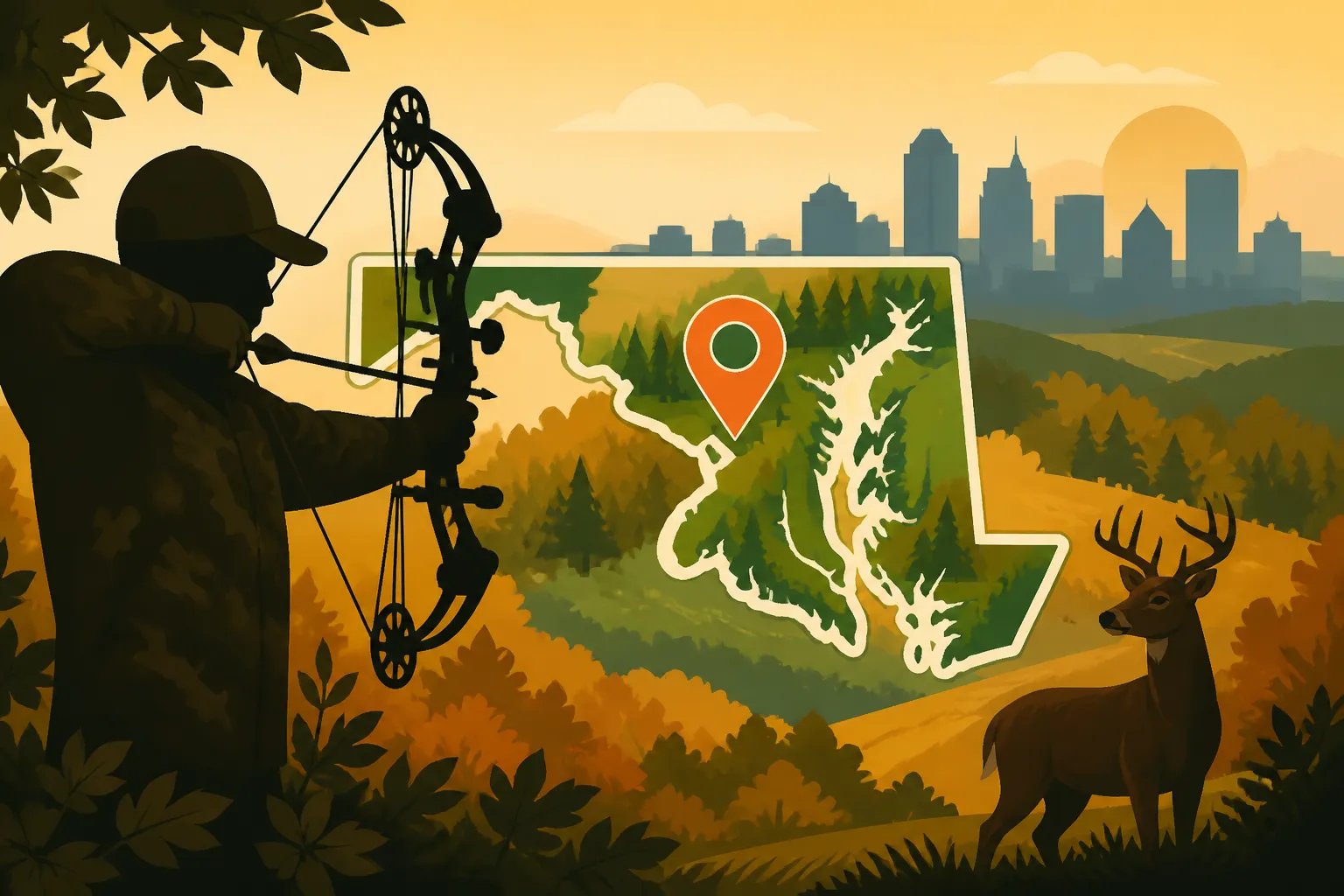
Hunting deer with a bow in the small, fragmented parcels of land around Baltimore can feel like trying to find a needle in a haystack—or more accurately, like trying to hunt a needle that's constantly being watched by dozens of neighbors. The unique challenges of limited space, constant human presence, and highly pressured deer often lead to frustration. This guide will dive deep into the specific strategies and mindset you need to successfully bowhunt these tricky suburban and semi-urban properties, turning those small patches of woods into productive hunting grounds.
The Unique Landscape of Urban and Suburban Bowhunting
When you picture deer hunting, vast forests and remote wilderness often come to mind. But for many of us in Maryland, especially around the Baltimore metropolitan area, that just isn't the reality. Our hunting grounds are often tiny woodlots, narrow creek bottoms, or overgrown edges nestled right against housing developments, busy roads, and even commercial zones. This isn't just "different" from traditional big woods hunting; it's a whole different ballgame that requires a completely different approach.
Understanding Deer Behavior in Pressured Environments
Deer in these areas aren't your typical wild animals. They're practically neighbors, accustomed to the sounds and smells of humans, but also incredibly wary of direct confrontation or perceived threats. They know when hunting season starts, they recognize vehicles, and they quickly pattern human movements. Their bedding areas might be shockingly close to homes, and their travel corridors often hug property lines, drainage ditches, or dense thickets that offer maximum cover. Forget about them being naive; these deer are street smart, survivors in a landscape designed by humans. They've learned to use every scrap of cover, every fence line, and every obscure corner to their advantage, often moving mostly at night or during brief windows of low human activity. You might see more mature bucks slipping through a suburban backyard at midnight than you will in a vast state forest during daylight.
Navigating Legalities and Public Perception
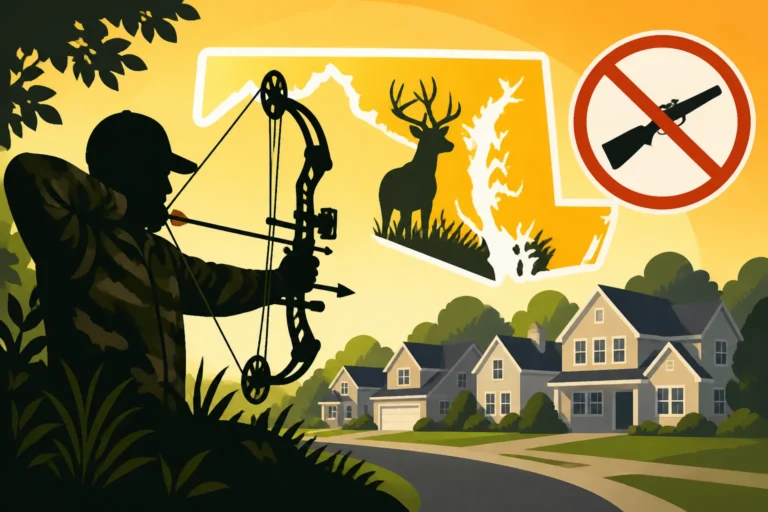
One of the biggest hurdles in bowhunting small parcels near Baltimore isn't just finding the deer, but understanding and respecting the intricate web of local regulations and neighborly relations. Many areas within the Bowhunting Maryland Suburbs Where Rifles Are Banned are bow-only due to safety concerns. This means knowing your specific county and municipality's ordinances inside and out. Beyond that, public perception is huge. One misplaced arrow, one visible gut pile, or one unhappy neighbor can ruin hunting access for everyone in a wide area. It's about being discreet, respectful, and often, practically invisible. This includes everything from how you park your vehicle to how you transport your harvested deer. Ethical considerations extend far beyond just legal requirements; they encompass being a good ambassador for hunting in a community that might not fully understand or appreciate it. Always double-check setback rules from dwellings, roads, and property lines – these vary greatly and can make or break your ability to even set up a stand.
Scouting and Accessing Small Parcels Effectively
Small parcels demand a scouting regimen that is both intensive and ultra-discreet. You can't just wander around for hours in blaze orange like you might on a big piece of public land. Every move you make, every step you take, potentially educates the deer and alerts the neighbors. The key is to gather maximum information with minimal intrusion, blending into the background as much as possible.
Covert Scouting Techniques for Limited Space
Your scouting here needs to be less about "busting deer" and more about "reading the landscape like a detective." Start with digital tools. Satellite imagery, like what you find on apps like GoHunt, is your best friend. Look for subtle funnels between housing developments, unkempt thickets, small creek bottoms, overgrown fencerows, and even isolated islands of timber within larger fields. Pay close attention to property lines, as deer often use these as boundaries of relative safety. Identify potential bedding areas that offer dense cover and escape routes, often surprisingly close to human activity.
When you do step foot on the property, make it count. Go during non-peak times, perhaps in the middle of a weekday when most people are at work. Dress in muted colors, even if it's not hunting season, to avoid drawing attention. Focus on finding micro-travel corridors—worn trails that might be only a few feet wide, leading from a bedding area to a food source. Look for rubs and scrapes, but understand that these might be less pronounced or numerous than in larger, less pressured areas. Concentrate on finding entry and exit routes that are completely hidden from sightlines, both human and deer. Remember, deer on these small parcels are masters of avoiding detection, so their sign might be subtle. You're not looking for deer highways, but rather faint whispers of their presence. Using trail cameras strategically and sparingly can also provide invaluable intelligence without requiring constant physical presence, but be mindful of placement to avoid theft or discovery by non-hunters.
Establishing Discreet Entry and Exit Routes
This is arguably the most critical aspect of hunting small parcels, especially when you're Hunting Deer Behind a Maryland Housing Development. Your approach and departure are often what give you away, both to the deer and to any curious neighbors. The ideal entry route is one that conceals you from all angles, takes you downwind or crosswind of potential deer activity, and minimizes scent contamination. This might mean wading a shallow creek, skirting the very edge of an agricultural field under the cover of darkness, or even entering from a completely different side of the property than where you intend to hunt.
Consider using natural terrain features like ditches, creek beds, or dense vegetation to hide your movements. If possible, walk along hard surfaces like gravel driveways or pavement for part of your journey to reduce ground scent in key areas. For example, if a small woodlot backs up to a dead-end street, parking discreetly and walking the street to an access point might be better than tramping through a field edge. Always wear clean clothes, scent-eliminating sprays, and rubber boots to reduce your footprint. Plan your route meticulously with apps like GoHunt, marking potential pitfalls and hidden approaches. The goal is to arrive at your stand or blind undetected and leave the same way, leaving no trace. If you're fortunate enough to hunt a farm edge, consider your Entry Routes Through Cut Corn Before Daylight after the harvest, as the stalks can offer excellent cover.
Strategic Stand Placement and Hunting Tactics
Once you've done your homework scouting, the next challenge is putting yourself in the right place without alerting everything that walks, crawls, or flies. Stand placement on small parcels is an art form, demanding creativity, precision, and an intimate understanding of deer movement in confined spaces.
Optimizing Stand Locations for Limited Views
Unlike vast timber tracts where you might have 360-degree shooting lanes, small parcels often force you to hunt tight, restricted areas. This means selecting a tree (or blind location) that maximizes the limited opportunities you're given. Look for pinch points, funnels, and natural barriers that concentrate deer movement. A narrow strip of woods between two fields, a fence line opening, or a thicket bordering a creek can be goldmines. On these small properties, deer are often pushed to move through the densest cover available, making those travel corridors incredibly predictable.
When setting up your stand, consider your shooting lanes from a deer's perspective, but also from a homeowner's perspective. You want to be safe and discreet. High stands can offer better visibility over dense undergrowth and minimize your silhouette, but they also require careful consideration of shooting angles and backstops. A well-placed ground blind, especially one brushed in meticulously, can be incredibly effective in areas where tall trees are sparse or where a low profile is essential. Remember, deer often move quickly through these small spots, so having clear lanes to anticipated travel routes is paramount. Don't be afraid to trim a few key branches, but always do so minimally and with permission. For excellent advice on selecting prime spots, check out guides on Hanging a Stand on a Maryland Farm Edge.
Adapting to Short Sit Times and Quick Opportunities
On small parcels, you're not always looking for an all-day sit. Often, the best opportunities arise during specific, short windows—dawn and dusk, or perhaps a brief mid-day lull when human activity subsides. Deer might only spend minutes in your kill zone before melting back into cover or crossing property lines. This means you need to be ready for a quick shot. Practice drawing your bow silently, identify multiple shot windows, and be familiar with your yardage to various landmarks.
You might find success hunting closer to bedding areas than you would on larger tracts, especially during the early season or when deer movement is suppressed. However, this increases your risk of bumping deer on entry or exit, so it's a careful balance. Focusing on evening hunts when deer are moving from bedding to feeding, or morning hunts if you can get in before they've bedded, are often the most productive. The objective here isn't to necessarily "call" deer to you (though Grunt Calls in Maryland Hardwoods can sometimes work wonders), but to intercept them during their natural movements. Be patient, stay alert, and understand that your opportunity might be fleeting. Sometimes, the best tactic is to have multiple stand sites for different wind conditions and simply play the odds.
Overcoming Pressure and Maximizing Success
Hunting small, pressured parcels near Baltimore means dealing with factors far beyond just deer. You're battling human pressure, property lines, and often, limited deer numbers. Success hinges on being smarter, stealthier, and more adaptable than the deer—and sometimes, your fellow hunters or even nosy neighbors.
Minimizing Human Scent and Noise Contamination
Scent and noise are your two biggest enemies on small parcels. Deer in these areas are hyper-vigilant. They've learned to associate human scent with danger, and even the smallest unnatural noise can send them packing. This means being utterly meticulous with scent control. Wash your hunting clothes in scent-free detergent, store them in airtight containers, and dress at the truck or just before entering your hunting area. Rubber boots are essential to minimize ground scent. Utilize wind direction religiously; if the wind isn't right for a specific stand, don't hunt it. Period.
Noise control is equally vital. Walk slowly and deliberately, avoiding rustling leaves or snapping twigs. Silence your phone. Pack your gear so nothing clanks or rattles. When you get into your stand, make movements slow and quiet. A whispered grunt or a soft bleat might work, but loud calling can spook deer and alert nearby residents. Remember, sound travels far in quiet suburban mornings. This level of discipline can feel obsessive, but it's what separates successful hunters from those who constantly wonder why deer always seem to avoid their setup.
Dealing with Property Line Challenges and Adjacent Landowners
Hunting small parcels inherently brings you face-to-face with property lines. Knowing exactly where your hunting rights end and your neighbor's begin is non-negotiable. Use GPS mapping apps like GoHunt to mark boundaries precisely. One misplaced step can lead to trespassing charges, losing your hunting privileges, or worse, souring relations with a landowner who might have granted you permission. Retrieving a downed deer from adjacent property requires explicit permission from that landowner, even if you can see the deer from your side. Always secure this permission before the season, if possible, or at least have a plan in place.
Beyond legalities, maintaining good relationships with landowners and adjacent property owners is paramount. They are your allies, whether they know it or not. If you're hunting private ground, ensure the landowner knows your schedule, how to reach you, and that you'll be respectful of their property and their neighbors. Offer to share venison, help with chores, or simply maintain polite conversation. Being a good steward of the land and a respectful neighbor not only makes your current hunting experience better but can also secure future opportunities for yourself and others. If you're fortunate enough to hunt a piece of ground with a generous landowner, remember to honor their trust.
Maximizing Limited Opportunities Throughout the Season
Hunting small parcels requires a dynamic approach. What works in September might not work in January. You need to constantly reassess deer behavior, adapt your tactics, and always be thinking a few steps ahead.
Leveraging Early Season and Late Season Food Sources
Maryland's archery season opens in September, offering unique challenges due to warm weather and still-dense foliage. Early season hunting on small parcels often revolves around reliable food sources. This might be a small patch of acorns, a suburban garden, or a small, overlooked apple tree. Deer often haven't been pressured yet, but they're still highly sensitive to scent in warm temperatures. Focus on morning and evening movements from bedding areas to these food sources. Consider how to properly Field Dressing a Deer in Warm September Weather to preserve the meat.
As the season progresses into late fall and winter, food sources shift dramatically. Hard mast, like acorns, might be depleted, and deer will transition to agricultural fields (if available), browse, or remaining green-up like winter wheat or clover. Understanding Late Season Food Sources for Maryland Deer is crucial. In these later months, thermal cover becomes more important, and deer might yard up in the densest thickets, making those small, overlooked patches of cover even more valuable. Don't overlook small, secluded food plots if you have the ability to plant one on the property. Even a tiny patch of brassicas or clover can draw deer into your hunting zone, offering a critical advantage in an otherwise sparse landscape.
Adjusting Tactics for Rut Activity and Changing Pressure
The rut, generally peaking in early to mid-November in Maryland, can be a game-changer even on small parcels. Bucks are more active during daylight, often covering more ground in search of does. This is a time when a well-placed stand on a travel corridor between known bedding areas or a small scrape line can be highly effective. While you might not have vast tracts to explore, even a few acres can be enough to intercept a rutting buck cruising for does. Consider using calling tactics, like grunt calls or doe bleats, more aggressively during this time, as bucks are less cautious.
However, increasing hunter pressure, both from you and potentially from other hunters on neighboring properties, can quickly make deer nocturnal. If your small parcel is getting hit hard, consider hunting mid-day when others are taking a break, or focusing on days with adverse weather (rain, wind, snow) when human activity is low. Sometimes, the best way to avoid pressure is to create your own by staying out of the woods and only hunting under ideal conditions. The deer on these properties will quickly learn when they're safe. Understanding Maryland's Deer Bag Limits and Antler Rule is also key throughout the season, as your strategy might shift based on what tags you have remaining. After a successful hunt, remember to Registering a Maryland Deer by Phone or App promptly to stay within compliance.
Disclaimer
Always consult the current Maryland Department of Natural Resources (DNR) hunting regulations for specific season dates, bag limits, licensing requirements, and legal weapons before heading into the field. Regulations can change annually, and local county or municipal ordinances may impose additional restrictions. It is your responsibility to know and follow all applicable laws.