Sitting a Creek Crossing at First Light
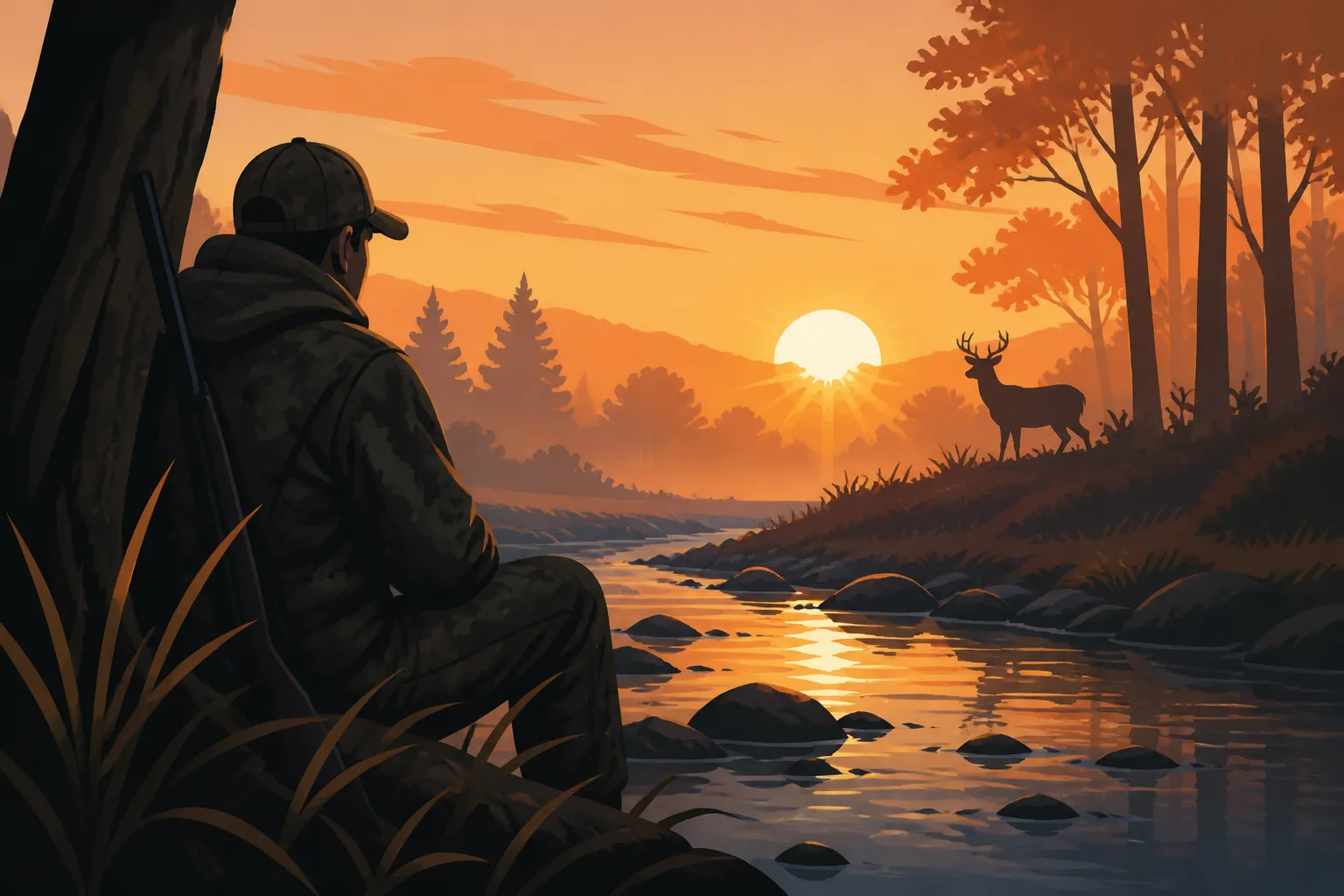
There's nothing quite like the anticipation of first light in the deer woods, but that feeling can quickly turn to frustration if you're set up in a dead zone. Hunters often struggle to pinpoint reliable deer movement, especially as the season progresses and patterns shift. This comprehensive guide will walk you through the art and science of sitting a creek crossing at first light in Maryland, helping you understand why these overlooked spots are often the key to consistent success.
Why Creek Crossings Are Prime Real Estate for Deer Movement
When we talk about hunting "choke points," creek crossings are often overlooked in favor of field edges or saddles. But savvy Maryland deer hunters know that a well-used creek crossing can be one of the most reliable places to intercept deer, especially during those magical first hours of daylight. Deer, like all wild animals, prefer the path of least resistance. Instead of crashing through thick brush or swimming across open water, they'll seek out established crossing points, often worn down over generations into subtle trails.
Understanding Deer Movement Patterns Near Water
Deer are creatures of habit, and their daily routines often revolve around food, water, and bedding areas. Creeks, streams, and small rivers act as natural highways and barriers within their home range. Think of a creek as a line on a map; deer might travel parallel to it, or they might need to cross it to get from their nighttime feeding areas to their daytime bedding cover. At first light, you're often catching deer making that final push back to their sanctuary after a night of foraging. They're typically moving with purpose, and a creek crossing puts you right in their path. Factors like water depth, bank steepness, and surrounding cover all dictate where these crossings form. A shallow, slow-moving section with a gradual bank on both sides is an obvious candidate, but even a downed tree or a narrow, rocky pinch point can become a regularly used crossing if it offers convenience.
Beyond simple travel, creeks provide essential resources. During dry spells, they are critical water sources. Even in wetter times, the edges of creeks often hold different vegetation, creating microclimates that provide diverse food options throughout the year. For instance, you might find succulent forbs growing along a damp bank in late summer, or browse species like greenbriar thriving in the humid conditions. This dual purpose—as a travel corridor and a resource hub—makes creek crossings irresistible to deer. You can learn a lot about how deer use these features by studying their patterns throughout the year; a scouting tool like GoHunt can help you identify these areas on an aerial map long before you ever step foot in the woods.
The Influence of Bedding Areas and Food Sources
Deer movement is largely dictated by their need to eat and their desire to feel safe. At first light, deer are usually transitioning from a feeding area to a bedding area, or sometimes moving between two different bedding locations. Creek crossings often lie strategically between these vital zones. Imagine a large soybean field on one side of a creek and a dense cedar thicket or hardwood ridge on the other. That creek becomes the bridge connecting dinner to safety. Bucks, especially mature ones, will often use these crossings to quietly slip away from open fields before full daylight, aiming for the densest cover. Does and fawns will follow similar patterns, often using the same crossings but perhaps lingering longer if they feel secure.
During the rut, these crossings become even more active. Bucks are constantly on the move, scent-checking, chasing, and looking for does. A creek crossing acts as a natural funnel, concentrating deer movement and increasing your odds of intercepting a cruising buck. Bucks will often check both sides of a creek for sign, making these areas natural scrape and rub lines. This is especially true if the creek flows through mature timber, providing plenty of trees for rubbing and soft earth for pawing out scrapes. Understanding these connections—how a creek crossing links a late season food source for Maryland deer, such as a standing corn field, to a thick bedding area—is paramount to selecting the best spot for your ambush.
Scouting and Setting Up for Success at a Creek Crossing
Identifying a promising creek crossing is only the first step. The real work comes in thorough scouting and meticulous setup. Many hunters make the mistake of simply walking to a spot they've seen deer cross, but without understanding the subtle nuances of deer behavior in that specific location, success can be fleeting. You need to become a detective, reading the landscape and envisioning how deer will use it.
Reading the Sign and Identifying Key Crossings
Before you even consider hanging a stand, you need to confirm that a creek crossing is actively being used. Look for clear, obvious deer trails leading to and from the water. Are they fresh? Are there multiple tracks, indicating consistent use? Pay attention to the type of tracks—you might be able to distinguish between does, fawns, and larger bucks. Muddy banks are excellent for revealing fresh tracks. Look for rub lines on trees along the trails leading to the crossing, particularly if you're hunting during the early archery season or the peak rut. Scrapes near the crossing, especially freshly pawed ones, are huge indicators of buck activity. Overhanging branches that bucks use as licking branches above a scrape are even better.
Consider the surrounding terrain. Does the creek funnel deer movement from a large block of woods into a small pinch point? Are there any obvious obstacles like deep holes or steep banks that would force deer to use a specific, shallower section? Sometimes, the most subtle crossings are the best—a slight rise in the creek bed, a section with less current, or an area where downed timber creates a natural bridge. Don't be afraid to walk the creek bank for a few hundred yards in both directions to truly understand how deer navigate the water. A tool like GoHunt, with its detailed topographic and aerial map overlays, can be incredibly useful for pinpointing these natural funnels and obstacles from your computer before you ever step foot in the woods. Pay close attention to what the land manager is doing as well; timber cuts on Maryland forest land can drastically change deer movement patterns around creeks.
Strategic Stand Placement and Entry/Exit Routes
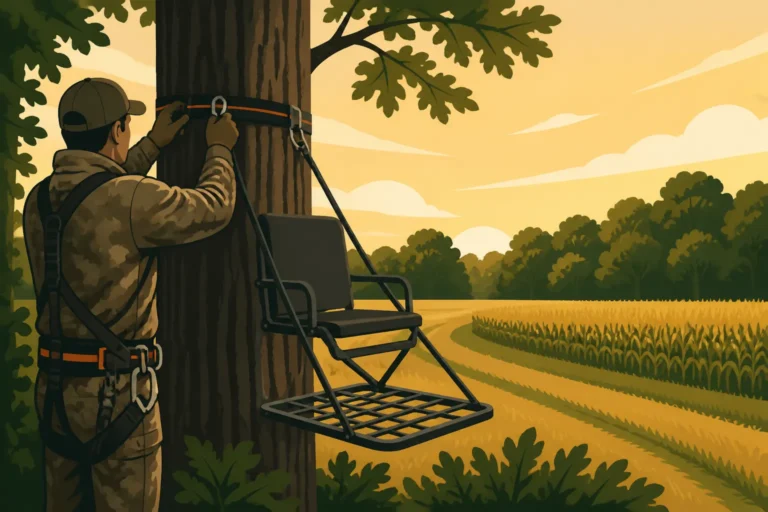
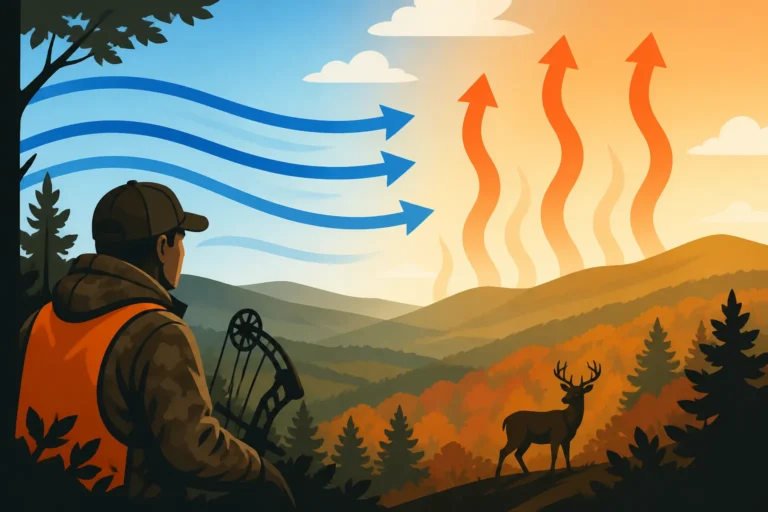
Once you've identified an active crossing, the next critical step is deciding where to place your stand or blind. This decision hinges on several factors: prevailing wind, expected deer travel direction, shooting lanes, and, crucially, your entry and exit routes. You want to be downwind of where you expect the deer to approach and cross. This often means placing your stand 20-30 yards downstream or upwind of the actual crossing point. Always consider the wind and thermals in Western Maryland terrain, which can be tricky near water bodies. Even on relatively flat ground, cold air sinks into creek bottoms at night and rises in the morning, which can play havoc with your scent cone.
Your entry and exit routes are almost as important as your stand location. The goal is to get to and from your stand without alerting any deer. This means using natural cover, walking into the wind or crosswind, and avoiding walking directly through known bedding or feeding areas. Creeks themselves can sometimes provide excellent stealthy access. If you can wade or quietly paddle a canoe down a creek to get to your spot, you might minimize your disturbance significantly. For public land hunting, where deer often feel more pressure, a well-planned, silent approach is non-negotiable. If you're hunting a public land WMA, be sure to check for any special rules regarding tree stands or ground blinds. Remember, even the best spot is ruined if deer know you're there before they get to the crossing.
The First Light Advantage at Creek Crossings
First light is a prime time to be in the woods, and nowhere is this more true than at an active creek crossing. The transition from darkness to dawn triggers specific deer behaviors that you can capitalize on if you're prepared and patient. The quiet calm of the morning often allows deer to move more freely, but they are also acutely aware of their surroundings, making stealth paramount.
Maximizing Your Chances During the Golden Hour
The "golden hour" for deer hunting isn't necessarily the hour after sunrise, but rather the period of low light that precedes and immediately follows it. This is when deer are most actively moving between their nocturnal feeding grounds and their daytime bedding sanctuaries. For a creek crossing, this means catching deer making that final dash for cover. You need to be in your stand at least an hour before first light, settled, quiet, and ready. This allows the woods to settle down after your entrance and gives any bumped deer time to calm down and resume their natural patterns.
During this window, deer are often less wary than they might be later in the day, but still incredibly cautious. Your patience and stillness are your greatest assets. Have your weapon ready, whether it's your bow for Maryland's long archery season or your muzzleloader. Focus your attention on the approach routes to the crossing and the crossing itself. Deer rarely just materialize; they typically appear along established trails, often pausing to scan their surroundings before committing to crossing the water. This is your moment to observe, identify, and prepare for a shot. Even if you don't see a deer directly crossing, watch for deer moving parallel to the creek, as they may be headed to another crossing further up or down stream.
Staying Stealthy and Minimizing Your Impact
Stealth isn't just about moving quietly to your stand; it's about your entire presence in the woods. When sitting a creek crossing at first light, every detail matters. Avoid unnecessary movement, even subtle fidgeting. Your silhouette against the brightening sky is more visible than you think, so positioning your stand against a dark backdrop of timber or in a shadowy area is critical. Wear dark clothing or camouflage that matches the pre-dawn conditions. Scent control is also paramount. Use scent-eliminating sprays, wash your hunting clothes in scent-free detergent, and store them in airtight bags. Even your breath can carry scent on a cold morning, so positioning your stand to account for prevailing wind patterns is crucial.
Your exit strategy also contributes to your overall stealth. Don't blow out deer when you leave, as this can negatively impact their use of the crossing for days or even weeks. Wait until deer activity has ceased for a while, or until you're certain no deer are nearby. If possible, use the same stealthy entry route for your exit. If you harvest a deer, retrieving it efficiently and with minimal disturbance is key. Blood trailing in marsh grass after dark, for instance, requires careful planning to avoid leaving too much human scent in the area. The less aware deer are of your presence, the more likely they are to continue using that valuable creek crossing.
Creek Crossing Considerations in Maryland
Maryland's diverse landscapes offer a wide array of creek crossing opportunities, from the rugged mountains of Western Maryland to the flat, agricultural fields of the Eastern Shore. Each environment presents unique challenges and advantages that hunters must consider. Understanding these local nuances is key to consistent success.
Navigating Different Maryland Creek Environments
In Western Maryland's mountainous regions, creeks often carve deep ravines and flow through dense hardwood forests. Here, deer will primarily use crossings where the terrain is less steep, or where natural features like rock slides or fallen trees create easy access. These crossings frequently act as funnels between different benches, ridges, and hollows. When hunting these areas, paying close attention to the elevation changes and how they influence wind patterns is critical. What seems like a consistent wind on your face can swirl unpredictably in a creek bottom. Understanding the subtle movements of wind and thermals, especially in varied terrain, can make or break your hunt in places like Savage River State Forest or Green Ridge State Forest.
On the Eastern Shore, creeks and ditches often traverse flat farm country, connecting woodlots, marsh edges, and vast agricultural fields. Here, deer crossings might be less dramatic, perhaps just a shallow spot in a drainage ditch or a culvert under a farm road. However, these are still high-traffic areas, especially for deer moving between feeding in a soybean field at dusk and bedding in a nearby swamp. When hunting these agricultural areas, consider how deer will approach the crossing from field edges or through hedgerows. Your setup might involve a ground blind tucked into tall weeds or a ladder stand on a prominent tree line. A key consideration in these areas is often privacy and access; asking a Maryland landowner for permission is frequently necessary, as much of this prime habitat is privately owned.
Legality and Public Versus Private Land Access
Before you even begin scouting, it’s crucial to understand the legalities of hunting near water bodies in Maryland. Public land hunting permits are often required for state-owned lands, and specific rules might apply to tree stands, ground blinds, and vehicle access. Always consult the Maryland Department of Natural Resources (DNR) regulations for the specific Wildlife Management Area (WMA) or State Forest you plan to hunt. Some public lands might have restrictions on baiting or certain weapon types that could impact your creek crossing strategy.
If you're considering hunting private land, securing permission is paramount. Maryland trespass law requires permission from the landowner to hunt or retrieve game. Many prime creek crossing locations are found on private farms, so building relationships with landowners can unlock some of the best hunting opportunities. Even if you have permission for a property, always double-check property boundaries, especially when a creek forms a natural dividing line between parcels. Using a mapping application like GoHunt can help you clearly identify property lines and ensure you're always on solid ground. Understanding the rules for Hunting Maryland's Two Deer Management Regions (Region A and Region B) is also essential, as bag limits and season lengths can differ, influencing your overall hunting strategy around these crucial creek crossings.
| Factor | Western Maryland Mountains | Eastern Shore Farmland |
|---|---|---|
| Creek Type | Deep ravines, rocky streams, dense timber | Shallow ditches, slow-moving creeks, open fields, marsh edges |
| Deer Movement | Funnels between benches/ridges, transition from hollows to tops | Field-to-cover transitions, hedgerow travel |
| Wind/Thermals | Highly variable, thermal currents common in bottoms | More consistent, but can be influenced by open fields |
| Significance | Natural funnels, limited crossing points | Critical connectors between food and cover |
| Stand Placement | Elevated tree stands, often overlooking steep approaches | Ground blinds in cover, ladder stands on field edges |
| Access | Forest roads, hiking in, potential for steep climbs | Farm lanes, walking field edges, permission dependent |
Disclaimer
Please remember that hunting regulations and land access rules can change. Always consult the current Maryland Department of Natural Resources (DNR) hunting guide and verify local regulations before heading into the field. This guide is for informational purposes only and does not constitute legal advice. Stay safe and hunt ethically.