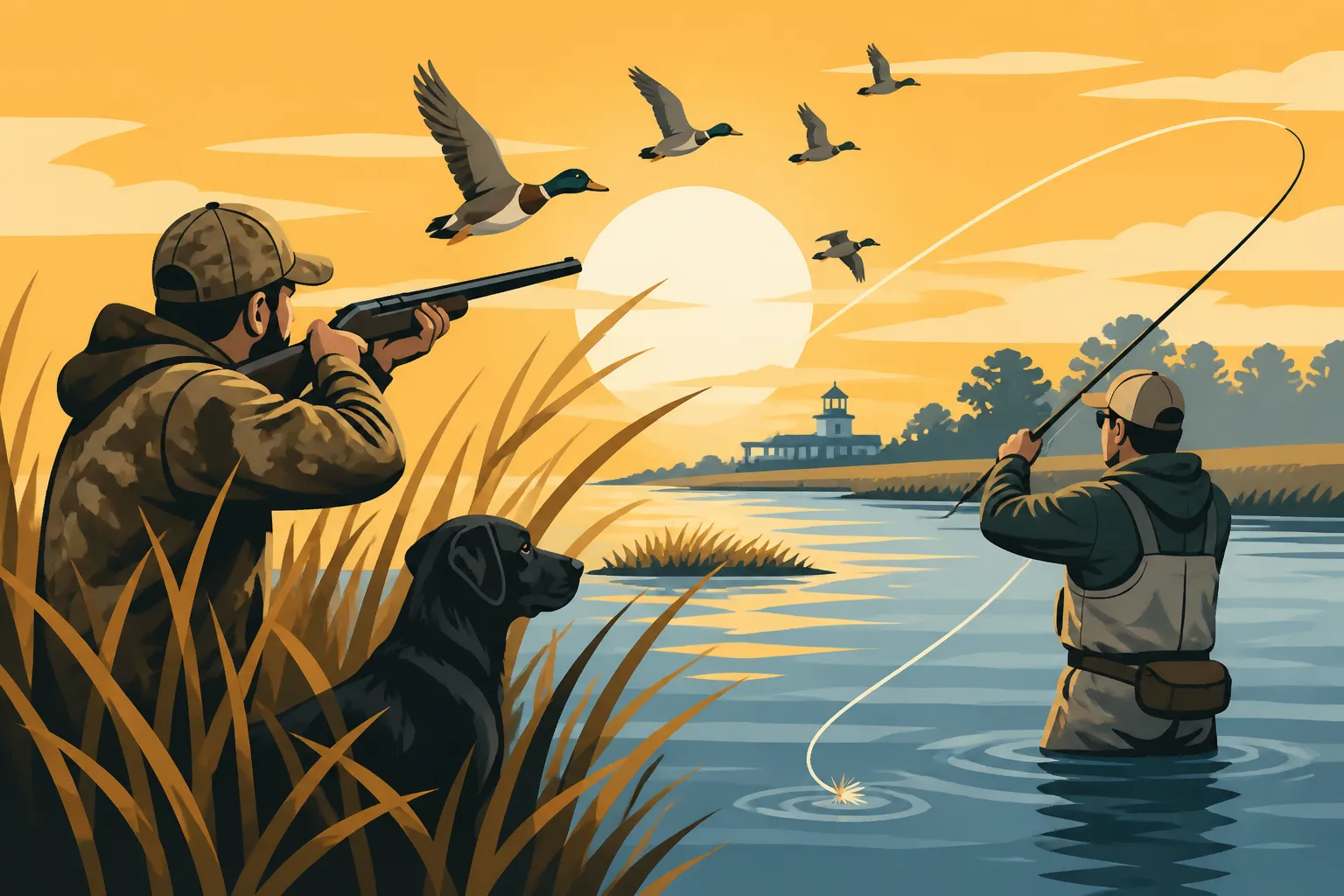
Cast and Blast Trips on the Chesapeake
The dilemma is all too real for many outdoor enthusiasts: you've got a limited amount of time, a deep passion for both hunting and fishing, and you just can't decide which pursuit to tackle. Thankfully, on Maryland's beautiful Chesapeake Bay, you don't always have to choose! Cast and blast trips offer the ultimate solution, blending the thrill of a morning waterfowl hunt with the relaxation and excitement of an afternoon fishing excursion, giving you a full day of action on some of the most productive waters and marshes in the country. This guide will walk you through what these unique adventures entail, why the Chesapeake is a prime location, and how to plan your own unforgettable experience.
What Exactly is a Cast and Blast Trip on the Chesapeake?
Imagine this: you're bundled up in a blind before dawn, the crisp air of the Chesapeake cutting through, listening to the wings of ducks whistle overhead as the sun begins to paint the horizon. After a successful morning of decoying birds, you're back at the dock, shedding your heavy hunting gear, and within an hour, you're casting lines into the very same waters, hoping for a trophy rockfish or a cooler full of jumbo perch. That, my friends, is the magic of a cast and blast trip, and it's an increasingly popular way to experience the bounty of Maryland's outdoors.
The Allure of a Combo Trip in Maryland
For many, the appeal lies in the sheer variety and efficiency of the experience. Instead of dedicating an entire weekend or vacation to one activity, you get to sample the best of both worlds in a single, well-orchestrated day. It's particularly attractive for those traveling from out of state who want to maximize their time on the water, or even locals looking for a unique outing. These trips truly showcase the diverse natural resources Maryland offers, moving seamlessly from the adrenaline of a waterfowl hunt to the rhythmic calm of fishing. It's a testament to the Chesapeake's unique ability to support such a rich variety of game and fish.
Typical Hunt Components: Waterfowl on the Bay
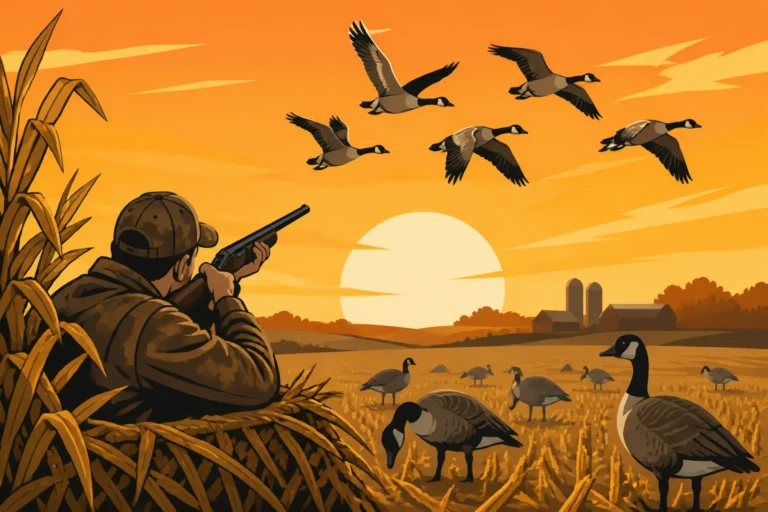
When you book a cast and blast, the "blast" portion almost always refers to waterfowl hunting. Maryland's Chesapeake Bay is legendary for its duck and goose hunting, drawing hunters from all corners of the country. Depending on the season and your outfitter, you might find yourself hunting various species. Puddle ducks like mallards, black ducks, and gadwall are common in shallower marshes and gut points, while the open waters of the Bay are home to diving ducks such as canvasbacks, redheads, bluebills, and buffleheads. Some outfitters might even offer opportunities for Sea Duck Hunting Maryland's Offshore Zone if conditions allow and your group is up for it. The morning typically starts early, often well before legal shooting hours, with a boat ride out to a shoreline blind, stake blind, or even a layout boat setup, depending on the target species and location. You'll spend the early hours decoying birds, practicing your calling, and hopefully, making some memories.
Typical Fishing Components: From Stripers to Perch
Once the hunting portion is done, usually by late morning or early afternoon, the gear shifts. The "cast" segment of the trip is incredibly versatile, adapting to the season and what fish are biting. The most iconic target on the Chesapeake is, of course, the striped bass, locally known as rockfish. Depending on the time of year, you might be trolling, jigging, or live-lining for these powerful game fish. Beyond stripers, there's a whole world of angling opportunities. White perch offer consistent action and delicious table fare, often caught around structure or in tidal creeks. In the cooler months, you might find excellent yellow perch fishing. During warmer times, croaker, spot, and bluefish can provide fast-paced action. Your guide will know exactly what species are in season and where the best spots are, tailoring the fishing experience to current conditions to give you the best chance at success.
Why Maryland's Chesapeake Bay is Perfect for Cast and Blast Adventures
The Chesapeake Bay isn't just any body of water; it's a colossal estuary, an intricate network of rivers, creeks, marshes, and open water that creates an unparalleled habitat for both migratory birds and diverse fish populations. This unique confluence of ecosystems is precisely what makes it such a phenomenal destination for cast and blast trips.
A Unique Ecosystem Supporting Diverse Game
Maryland sits smack in the middle of the Atlantic Flyway, a superhighway for millions of migrating waterfowl. This means the Bay and its surrounding wetlands serve as crucial wintering grounds and staging areas for a huge variety of ducks and geese. You've got everything from the iconic canvasbacks diving in the open bay to the wary black ducks hiding in the phragmites. Simultaneously, the Bay's brackish waters, with their varying salinity levels and abundant baitfish, are a nursery and feeding ground for an incredible array of fish species. The deep channels, oyster reefs, and submerged structures provide perfect ambush points for predators like striped bass, while the shallower tidal creeks are teeming with panfish. This ecological richness is the cornerstone of why a combo trip here just makes sense. It's not just about what you can hunt or fish, but the sheer abundance and variety that makes success a real possibility for both parts of your day. For waterfowl enthusiasts, understanding the unique movement patterns described in Ducks of Maryland's Chesapeake Bay can give you an edge, even on a guided trip.
Seasonal Sweet Spots for Both Disciplines
While cast and blast trips can be enjoyed through much of the fall and winter, there are definite sweet spots where both the hunting and fishing are in prime form. Generally, the late fall into early winter offers some of the best opportunities. This is when the major waterfowl migrations are in full swing, bringing in fresh flights of ducks and geese. Simultaneously, many popular fish species, like striped bass, are actively feeding in preparation for winter or are engaged in their own migrations, often schooling up in predictable patterns.
Here’s a general overview of peak times:
| Season | Typical Hunt Targets | Typical Fish Targets | Notes |
|---|---|---|---|
| Early Fall | Early ducks (teal, wood ducks), Resident Geese | Striped Bass (rockfish), White Perch, Spot, Croaker | Good for milder weather, but migratory waterfowl might be sparser. |
| Mid-Fall | Migratory ducks (mallards, black ducks), Canada Geese | Striped Bass (excellent!), Bluefish, Tautog | Strong all-around, great for both hunting and fishing. |
| Late Fall | Diving ducks (canvasbacks, redheads), Canada Geese | Striped Bass (often trophy-sized), White Perch | Colder, but peak for many waterfowl species and larger striped bass. |
| Early Winter | Divers, Canada Geese, Sea Ducks (offshore) | Yellow Perch, Pickerel, occasionally Striper (late) | Very cold, but can offer exceptional hunting; fishing shifts to colder species. |
It's crucial to check current Maryland Waterfowl Zones and Season Dates and fishing regulations, as these can change year to year, and different species have different open seasons. A reputable outfitter will always be up-to-date on these regulations and will help you plan your trip for optimal success.
Planning Your Unforgettable Chesapeake Cast and Blast
Deciding to go on a cast and blast trip is the first exciting step! The next is planning it right to ensure a smooth, enjoyable, and productive experience. There are a few key considerations that can make all the difference, from when you go to who you go with.
Key Considerations Before Booking
Before you even start looking at specific dates, think about what you really want out of the trip. Are you prioritizing ducks, geese, or a specific fish species? Your preference will heavily influence the best time of year and the type of outfitter you choose. Also, consider the size of your group. Most guides can accommodate small to medium-sized groups, but larger parties might require more planning or multiple boats.
Another crucial factor is the weather. While guides are experts at working with conditions, a cast and blast trip inherently means you'll be out in whatever Mother Nature throws at you. Be prepared for cold, wind, and potentially wet conditions, especially if you're hunting in late fall or early winter. Dressing in layers is absolutely essential. Finally, remember that these are two distinct activities requiring different licenses. You'll need a Maryland hunting license, stamps (like the federal duck stamp and Maryland migratory game bird stamp), and a Maryland fishing license. Check the specific requirements and costs, as detailed in Maryland Hunting Licenses and What They Cost, well in advance.
Finding and Vetting the Right Outfitter
This is arguably the most critical step. A good outfitter makes the trip; a bad one can ruin it. Start by researching guides who specifically advertise cast and blast trips on the Chesapeake Bay. Look for outfitters with a long-standing reputation and positive reviews. Websites like BookYourHunt or GoHunt can be great resources to find reputable guides and read testimonials from previous clients.
When you contact potential outfitters, don't be shy about asking questions:
- What exactly is included in the price? (e.g., decoys, blinds, boat, fuel, fishing bait, tackle)
- What is NOT included? (e.g., licenses, ammunition, meals, waders, specific gear)
- What species are typically targeted for both hunting and fishing during your desired dates?
- What is the typical itinerary for the day? (e.g., what time do we meet, how long is the hunt, how long is the fish?)
- What is your policy on cancellations due to weather?
- Can you provide references from past clients?
A transparent and communicative guide is a good sign. Be wary of anyone promising a guaranteed limit or trophy, as ethical outfitters understand that wild game and fish are unpredictable. Organizations like the Maryland Waterfowl Association or local fishing clubs might also offer recommendations. When considering a Booking a Maryland Goose Hunt or a fishing charter, always ensure your chosen guide is properly licensed for both activities.
Essential Gear and Preparations
Even though your guide will provide much of the heavy lifting like boats, decoys, and some fishing gear, there's still plenty you'll need to bring.
For the Hunt:
- Hunting License & Stamps: Absolutely non-negotiable. Keep them accessible.
- Blaze Orange: While not always required in a blind, it's a good idea for transport to and from the hunting area, and some counties have specific rules.
- Warm, Waterproof Clothing: Layers are key. Think thermal underwear, fleece, and a good waterproof/windproof outer shell. Camouflage is preferred for hunting, but functionality for cold and wet conditions is paramount.
- Waterproof Boots/Waders: Depending on the setup, you might be wading. Even if not, keeping your feet dry is vital.
- Shotgun & Ammunition: Non-toxic shot (steel, bismuth, etc.) is legally required for waterfowl hunting. Know your gun and bring enough shells.
- Hat, Gloves, Face Mask: To combat the cold and stay concealed.
- Cooler: For transporting your harvested birds home.
For the Fishing:
- Fishing License: Again, essential.
- Rain Gear: Even on a clear day, boat spray can be an issue.
- Layered Clothing: Can get chilly on the water, even if the sun is out.
- Sunglasses & Sunscreen: Reflection off the water can be intense.
- Hat: For sun protection and warmth.
- Snacks & Drinks: Long day on the water, you'll need fuel.
- Cooler: For your catch of the day.
You might also consider bringing a small dry bag for your phone, wallet, and keys. Talk to your outfitter – they'll often provide a detailed packing list, which is helpful.
Maximizing Your Cast and Blast Experience
You've done the research, booked the trip, and packed your bags. Now, let's talk about making the most of your time on the Chesapeake, from understanding the flow of the day to handling post-trip logistics.
Understanding Trip Flow and Expectations
A typical cast and blast day is long and physically demanding but incredibly rewarding. You'll likely meet your guide well before sunrise, usually at a designated boat ramp or marina. After a safety briefing, you'll head out to the hunting spot. The morning will be dedicated to waterfowl hunting, usually for 2-4 hours, or until limits are reached (whichever comes first). Once the hunting wraps up, you'll return to the dock to unload hunting gear, perhaps grab a quick bite to eat, and switch over to fishing mode. This transition is usually pretty seamless.
The afternoon will then be spent fishing. Depending on the guide and conditions, this could involve moving to several different spots, trying various techniques until fish are found. Expect to be on the water for another 3-5 hours. The day concludes back at the dock, usually in the late afternoon or early evening, where your guide will help with processing fish and birds. Remember, flexibility is key. Weather, bird movements, and fish activity can all impact the exact timing and location, so trust your guide's expertise. They spend countless hours on the Bay and know how to adapt. Often, your day starts with Hunting a Chesapeake Bay Blind at First Light.
Navigating Licensing and Regulations
We touched on this earlier, but it bears repeating: proper licensing is absolutely non-negotiable for a cast and blast trip. You'll need a Maryland hunting license, the Maryland Migratory Game Bird Stamp, and a Federal Duck Stamp (for waterfowl). For fishing, you'll need a Maryland Bay & Coastal Sport Fishing License. Some outfitters, particularly those found on platforms like BookYourHunt, may offer assistance or guidance in securing these, but ultimately, it's your responsibility to ensure you are compliant.
Maryland also has specific rules regarding legal shooting hours, bag limits for different species of ducks and geese, and size/creel limits for fish. Your guide will be well-versed in these, but it's good practice for you to familiarize yourself with the current regulations beforehand. Additionally, abide by all safety rules communicated by your guide, especially when handling firearms in the boat or blind. This includes proper muzzle control and understanding safe zones of fire.
Post-Trip Logistics: Cleaning, Processing, and Tipping
After a long, successful day, the work isn't quite over. Your guide will typically assist with cleaning and breasting your harvested waterfowl and filleting your fish. Discuss this beforehand to understand what level of processing is included. Bring plenty of Ziploc bags, and make sure your coolers are well-stocked with ice for transporting your meat home. If you're traveling a long distance, consider freezing the meat before your journey. Some areas might have local processors or butchers that can handle larger quantities, especially for deer, though less common for waterfowl.
Finally, remember to properly tip your guide. Guiding is a service industry, and guides work incredibly hard to put you on game and fish, often starting long before you arrive and finishing long after you leave. A customary tip for a good experience is generally 15-20% of the total trip cost. This can be given directly to the guide at the end of the day. A guide who provided an exceptional experience, like those who expertly help you with Decoying Divers on Maryland's Open Bay or find secret fishing spots, certainly deserves to be recognized. Knowing the general expectations for Tipping a Maryland Guide helps ensure a positive interaction for everyone involved. For a truly immersive experience, and to extend your stay, check out Maryland Hunting Lodges and Where to Stay in the area.
Cast and blast trips on the Chesapeake Bay are a phenomenal way to experience the best of Maryland's natural resources. They offer a dynamic, action-packed day that appeals to both seasoned sportsmen and newcomers alike. With careful planning, a good outfitter, and a healthy dose of preparation, you're in for an unforgettable adventure that seamlessly blends the thrill of the hunt with the joy of the catch.
Disclaimer
This article is for general informational purposes only and does not constitute professional advice. Laws, prices and regulations vary by location and change over time. Consult a qualified professional for guidance on your specific situation.