Tipping a Maryland Guide
There’s nothing quite like the excitement of booking a guided hunt in Maryland, whether it's for Sika deer in the marsh, Canada geese over cut corn, or a spring gobbler in the hardwoods. But once the hunt is over, a question often lingers in the back of many hunters' minds: how do I properly tip my guide? It can feel awkward and uncertain, especially if you're new to guided trips, and you want to show appreciation without overspending or, worse, underselling the guide's hard work. This guide will walk you through the etiquette, considerations, and nuances of tipping a Maryland hunting guide, ensuring you can end your trip with confidence and gratitude.
Why Tipping Your Maryland Guide Is More Than Just Money
Tipping, in any service industry, is often seen as a simple exchange of money for good service. But for hunting guides in Maryland, it’s far more than that. It’s a deep-seated tradition, a sign of respect, and often a significant part of their livelihood. Many guides pour their heart and soul into their profession, working long hours, scouting endless terrain, maintaining expensive equipment, and dealing with the unpredictable nature of wildlife and weather, all to ensure their clients have the best possible experience. Understanding this deeper context helps frame why tipping is so important.
The Guide's Investment in Your Experience
Think about everything a Maryland guide puts into your hunt. For a waterfowl guide, it's countless hours spent building and maintaining blinds, setting thousands of decoys, training dogs, scouting flight paths, and preparing boats or layout blinds for every outing. For a deer or turkey guide, it's season-long scouting for game patterns, hanging stands, managing food plots, and understanding the subtle shifts in animal behavior from the mountains of Garrett County to the marshes of Dorchester. These aren’t just hourly wage jobs; they’re passion projects requiring immense dedication and financial investment in gear. When you find a reputable outfitter through platforms like BookYourHunt, you're tapping into a wealth of experience and preparation that goes far beyond the few hours you spend hunting.
This investment isn't just physical or monetary; it's also a significant emotional one. Guides often live and breathe hunting, and they genuinely want you to succeed and enjoy your time in the field. They celebrate your successes, share in your frustrations, and work tirelessly to put you in a position to harvest game, even when conditions are less than ideal. Your tip acknowledges this personal commitment and passion, showing that you recognize their efforts, even if the critters don't cooperate.
Acknowledging Hard Work and Dedication
Let's be honest, hunting is hard work. And guiding? It's even harder. A guide is typically up hours before you are, preparing coffee, boats, or calling setups. They're often the last to leave the field, cleaning up, packing gear, retrieving dogs, and processing game. They’re dealing with the cold, the heat, the rain, the mud, and sometimes, grumpy clients. They shoulder the responsibility for your safety, your experience, and often the success of the hunt.
Imagine a marsh hunt for Sika deer on the lower Eastern Shore, where your guide navigates treacherous tidal guts in the dark, pulls you through thick marsh grass, and helps you track a stag through dense phragmites. Or a goose hunt on the Upper Shore where the guide has laid out hundreds of decoys in a freezing cut corn field before dawn. Their physical exertion, intimate knowledge of the land, and constant vigilance are invaluable. Your tip, then, isn't just a gratuity; it's a direct recognition of their strenuous labor, specialized skills, and unwavering dedication to making your hunt memorable. It’s how hunters in Maryland show they appreciate that extra effort.
Standard Tipping Guidelines for Guided Hunts
Navigating the world of tipping can sometimes feel like a guessing game, especially when you're in a new situation like a guided hunting trip. While there's no universally mandated "rule" set in stone, there are widely accepted practices that seasoned hunters and guides adhere to. These guidelines help ensure fairness and provide a framework for showing your appreciation appropriately. Understanding these norms can ease any anxiety you might have about this aspect of your hunt.
Percentage-Based Tipping: A Common Practice
For many guided hunts, the standard approach to tipping is based on a percentage of the total hunt cost. This method ensures that the tip scales with the complexity, duration, and overall expense of the trip. While I can't give specific numbers, think of it as falling within a general range that acknowledges good service. This percentage can vary depending on the type of hunt, the region, and the level of service provided. For example, a multi-day big game hunt in Western Maryland might warrant a different consideration than a single-day waterfowl outing on the Chesapeake Bay. It's always a good idea to factor in what was advertised versus what was delivered.
When considering this percentage, think about the effort the guide put in. Did they fulfill the promises made by the outfitter? Were they on time, prepared, and knowledgeable? Did they work tirelessly despite challenging conditions? If you’re unclear on what’s typical for a specific type of hunt, sometimes a discreet call to the outfitter's main office before your trip can provide some general insight into what is customary without putting your guide on the spot. Some platforms like GoHunt, which connect hunters with outfitters, may offer resources or guidance on common practices in different regions or for different species.
What Your Tip Typically Covers (and Doesn't)
It's important to understand what a guide's tip is generally intended to cover, and what might already be included in your hunt package. A tip is usually for the guide's direct services, their personal effort, and their direct contribution to your hunting success and enjoyment. This includes their expertise, their hard work in the field, their patience, their ability to call game, and their help with retrieving and field dressing.
What it typically doesn't cover are the overhead costs of the outfitter, such as lodge accommodations, meals, licenses, or gear rentals unless the guide personally handled these aspects. If there are other staff members involved, such as a cook, a bird cleaner, or lodge staff, it's often customary to tip them separately, as their services contribute to your overall experience but are distinct from the guide's in-field work. Always clarify upfront if the outfitter has specific recommendations or if a "service charge" is already added, though this is less common in hunting than in some other hospitality sectors. Understanding these distinctions helps you distribute your appreciation fairly to everyone who contributed to your trip. You want to make sure the right people are recognized for their part in, for instance, your Maryland Waterfowl Hunting Zones and Season Dates or Sika Deer Hunting in Maryland's Tidal Marshes adventure.
Factors Influencing the Size of Your Tip
Deciding on the exact amount for your guide's tip isn't always cut and dried, and it definitely shouldn't be based solely on whether you harvested an animal. There are many variables that play into a guide's performance and your overall experience. Taking these factors into account will help you arrive at a fair and appreciative amount, recognizing the nuances of a hunting trip that go beyond just pulling the trigger.
Guide Performance and Effort
This is, arguably, the most significant factor. Did your guide go the extra mile? Were they energetic, knowledgeable, and genuinely invested in your success? Did they remain positive and hardworking even when the weather turned sour or the game wasn't cooperating? A guide who works hard to locate game, provides insightful commentary, keeps you comfortable, and maintains a great attitude throughout the hunt deserves strong recognition.
Consider scenarios like a deer guide who spent weeks Scouting Maryland Public Land Before Season for new deer sign, adapted quickly to shifting winds, or even helped you with Blood Trailing in Marsh Grass After Dark after a challenging shot. Or a waterfowl guide who moved blinds multiple times to get on birds, had a perfectly tuned dog, and kept the mood light despite slow shooting. These are the guides who earn a higher level of appreciation. Conversely, a guide who seemed disengaged, poorly prepared, or unsafe might warrant a smaller tip, but this is a rare and unfortunate situation that most hunters hope to avoid by choosing reputable outfitters. It’s about the effort they put in, not just the final outcome.
Hunting Success and Conditions
While it's easy to want to tie a tip directly to whether you killed an animal, a good hunter understands that success isn't always guaranteed, even with the best guide. Ethical hunting involves dealing with wildlife behavior, weather patterns, and plain old luck. Your guide can put you in the right spot, but they can't make the animal walk out or make you shoot straight.
Think about a tough hunt: maybe a late-season goose hunt where cold fronts had pushed birds south, or a Sika deer hunt during a full moon when the deer were nocturnal. Even if you didn't fill your tag, if the guide worked tirelessly, used all their knowledge and skills, and still created an enjoyable and educational experience, they deserve to be recognized for that. On the flip side, if you harvested an incredible animal very easily due to ideal conditions, and the guide still put in minimal effort, that's a different consideration. The conditions and the game's cooperation are external factors, but the guide's ability to adapt and persevere through them is a direct reflection of their value.
Unexpected Extras and Amenities
Sometimes, a guide provides services or amenities that weren't necessarily listed in the hunt package but greatly enhanced your experience. This could be anything from providing high-quality optics or a backup gun, to bringing unexpected gourmet snacks, or offering professional photography services. Maybe they offered to clean and package your game better than expected, or went out of their way to help you find local lodging or places to eat.
Consider a guide who not only puts you on birds but also has a comfortable setup, warm drinks, and even helps you process your harvest quickly and cleanly. Or a deer guide who helps you retrieve your animal from a remote, difficult location without complaint. These "value-added" services, which show thoughtfulness and a desire to make your trip more comfortable and memorable, are certainly reasons to consider a more generous tip. These small touches can really elevate a hunt from good to unforgettable.
How to Deliver Your Tip Gracefully
The actual act of handing over a tip can feel awkward, but it doesn't have to be. With a little thought and preparation, you can make it a smooth and appreciative exchange that leaves both you and your guide feeling good about the interaction. This is your chance to personally thank them for their dedication and hard work.
Timing and Discretion
The best time to present your tip is typically at the end of the hunt, after all the hunting activities are concluded, but before you've packed up and are ready to head home. This allows you to acknowledge the full scope of their service. Choose a moment when you can speak to your guide privately, or at least discreetly. Handing over cash in front of a large group of other hunters, especially if you're tipping more or less than others, can be uncomfortable for everyone involved.
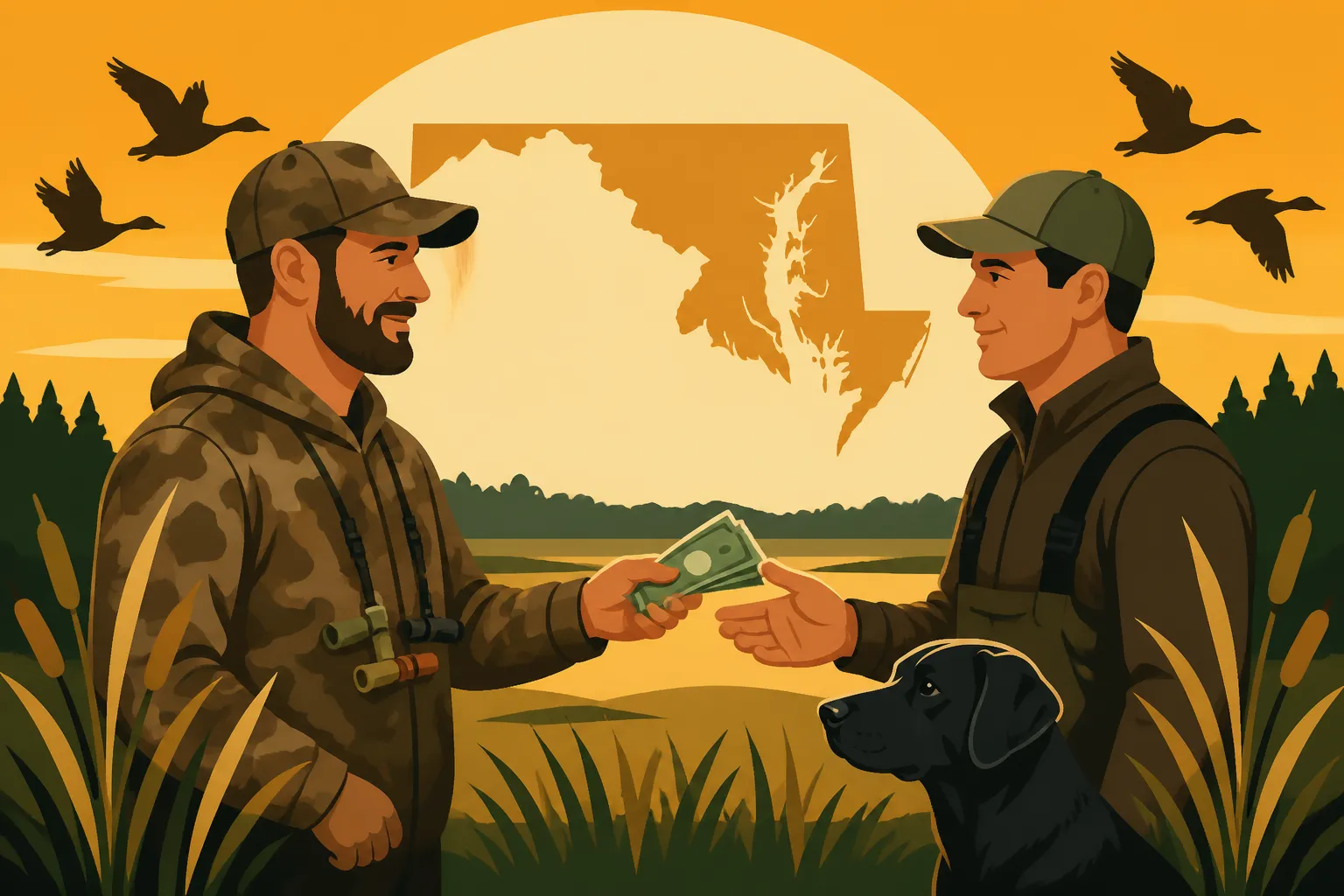
A good opportunity might be when you're saying your goodbyes, after the gear is packed away, or when they drop you off. A firm handshake and a sincere "Thank you for all your hard work, I really appreciate it," as you hand them the envelope or folded cash, goes a long way. It shows respect for their professionalism and the value you place on their service. This small gesture can solidify a positive memory of your hunt, whether you were Hunting Maryland's Junior Turkey Day or pursuing Maryland's Canada Geese and Their Two Populations.
Cash Versus Other Payment Methods
Cash is almost always king when it comes to tipping guides. It's direct, immediate, and ensures the guide receives the full amount without any deductions or delays from processing fees. It also offers the most discretion, as many guides appreciate the privacy of their tip amount. Therefore, it's wise to plan ahead and have an appropriate amount of cash on hand, in smaller denominations, before your trip begins.
If cash isn't feasible, discuss alternatives with the outfitter before your trip. Some outfitters might allow you to add a tip to your final bill and pay by credit card, but be aware that the guide might not receive the full amount due to processing fees, and there could be delays. Personal checks might be accepted by some guides, especially if they are local and you have developed a rapport, but this is less common for a first-time client. Other digital payment methods like Venmo or PayPal might also be an option for younger guides, but always ask first. The safest bet is always cash.
A Sincere Verbal Thank You
Beyond the monetary tip, a genuine and heartfelt verbal thank you can be just as important. Take a moment to articulate what you appreciated most about their guiding. Was it their patience, their knowledge of Maryland's Sika Deer, an Imported Herd, their dog's retrieving skills, or their ability to keep spirits high during a slow day? Specific compliments are far more impactful than a generic "thanks."
This verbal appreciation is especially valuable for guides who often work long, isolated hours and thrive on positive feedback. Your words can reinforce their passion for the profession and let them know their efforts truly made a difference. It also shows that you're not just going through the motions of tipping, but genuinely recognize their contribution to your Bowhunting Maryland's Long Archery Season or Muzzleloader Deer Hunting in Maryland experience. A thoughtful card or a positive review for the outfitter online can also be a wonderful way to extend your gratitude long after the hunt is over, letting others know about a fantastic guide.
Beyond the Cash Tip: Other Ways to Show Appreciation
While a monetary tip is the primary and most expected form of appreciation for a hunting guide, there are other meaningful gestures that can truly make a guide feel valued and remembered. These non-cash tokens of gratitude often leave a lasting impression, building goodwill and sometimes even fostering long-term friendships.
Small Gifts and Gear
Sometimes, a small, practical gift can be a thoughtful addition to a cash tip, or even a standalone gesture if the guide insists on not accepting money (though this is rare). Think about useful hunting or outdoor gear that a guide might appreciate but wouldn't necessarily buy for themselves. This could be a high-quality headlamp, a good pair of gloves, a durable knife, a specialized call, or even a gift card to a local outdoor store.
These gifts show that you put thought into their interests and profession. Just be mindful of personal preferences and avoid anything overly expensive that might feel like an obligation. The key is that the gift is practical and demonstrates you paid attention to their needs or interests during the hunt. This can range from something as simple as a really good thermos if they're always brewing coffee for the blind, to a specific type of hunting accessory they mentioned needing.
Sending Photos and Reviews
In today's digital age, one of the most powerful forms of appreciation you can offer a guide and their outfitter is a positive online review and some great photos from your trip. Guides and outfitters rely heavily on word-of-mouth and online reputation to attract new clients. Taking the time to write a detailed, positive review on platforms like BookYourHunt or GoHunt, or directly on the outfitter's website or social media, can significantly benefit their business.
Be specific in your review: mention the guide by name, highlight what made the experience exceptional, and share any successful harvest photos. High-quality photos of your guide, the landscape, and your harvested game can be invaluable for their marketing efforts. Always ask permission before posting photos of your guide online, of course. This gesture costs you nothing but a little time, yet it provides immense value to their professional standing and future bookings. It's a fantastic way to spread the word about a great experience and help other hunters find reputable guides.
Staying in Touch and Future Bookings
Finally, one of the most rewarding ways to show appreciation is by fostering a genuine connection. If you had an outstanding experience, consider staying in touch with your guide (if appropriate) and, most importantly, rebooking with them for future hunts. Repeat business is the lifeblood of many guiding operations, and it tells your guide that you truly value their service and want to continue hunting with them.
A follow-up email, a card during the holidays, or simply asking about their season down the road can strengthen the bond you forged in the field. These relationships often lead to even better hunts in the future, as the guide learns your preferences and you build trust and camaraderie. Whether you're planning for Hunting Maryland's October Muzzleloader Week or targeting Black Bear Hunting in Western Maryland, returning to a trusted guide is the ultimate compliment and a testament to their exceptional service.
Disclaimer
This article is for general informational purposes only and does not constitute professional advice. Laws, prices and regulations vary by location and change over time. Consult a qualified professional for guidance on your specific situation.