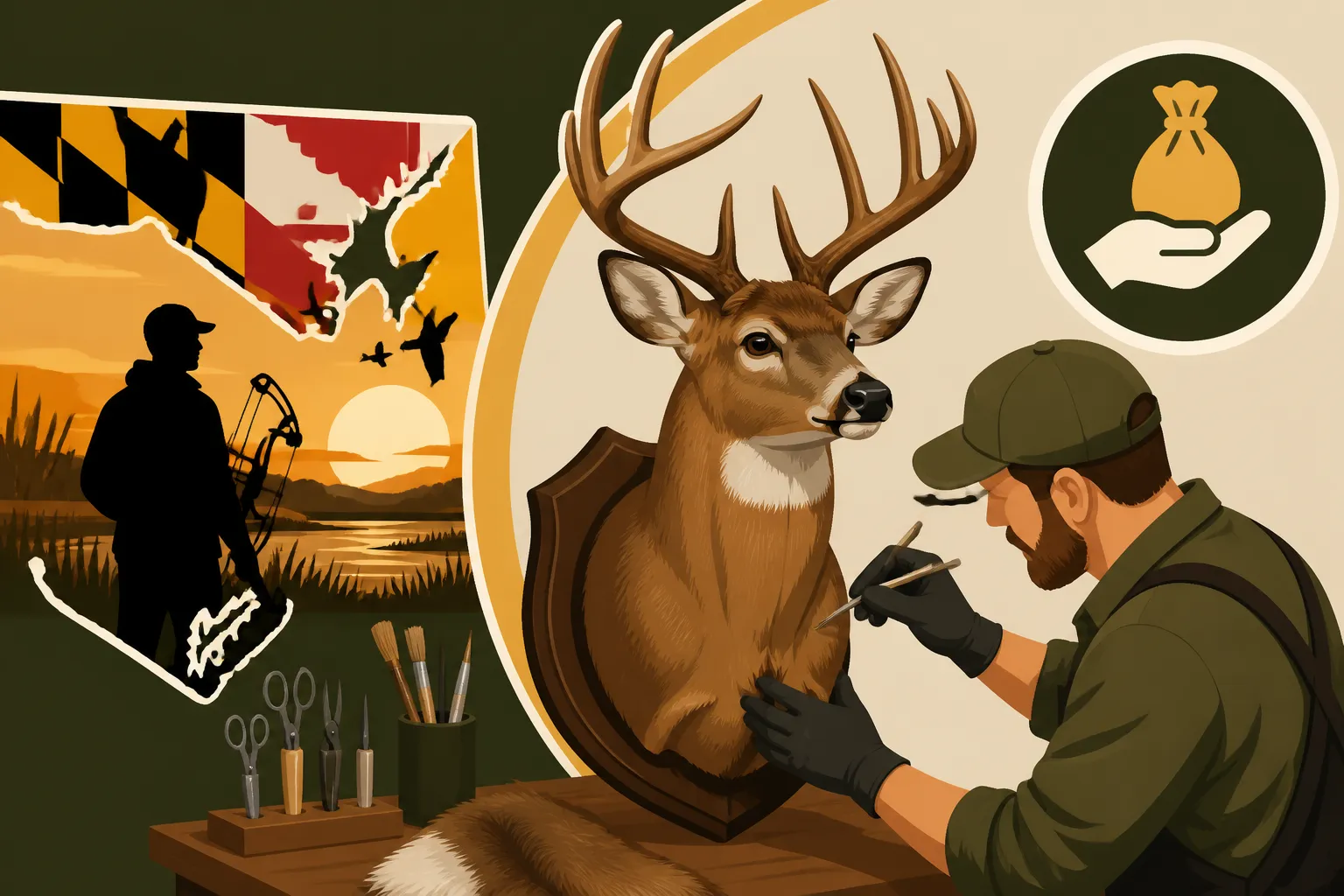
Taxidermists and What a Shoulder Mount Costs
That feeling when all your hard work, scouting, and patience finally pay off – the sun is setting, and you're standing over the magnificent animal you've pursued, a truly memorable Maryland deer, bear, or sika stag. It's a moment you want to hold onto forever, and that's where the art of taxidermy comes in. This guide will walk you through the ins and outs of preserving your incredible harvest, helping you understand the process, find a skilled taxidermist, and prepare for the costs associated with bringing that memory to life in your home.
The Enduring Value of a Maryland Hunting Trophy
For many hunters, a successful hunt isn't just about the freezer full of venison, though that's certainly a huge bonus. It's about the connection to nature, the challenge, the quiet moments in the woods, and the culmination of countless hours spent planning and executing. When you take a truly special animal, whether it's a mature whitetail buck from the Eastern Shore or a spirited sika stag from the marshes of Dorchester County, there's a deep desire to commemorate that experience, to honor the animal, and to share the story for years to come.
More Than Just Antlers: Preserving the Memory
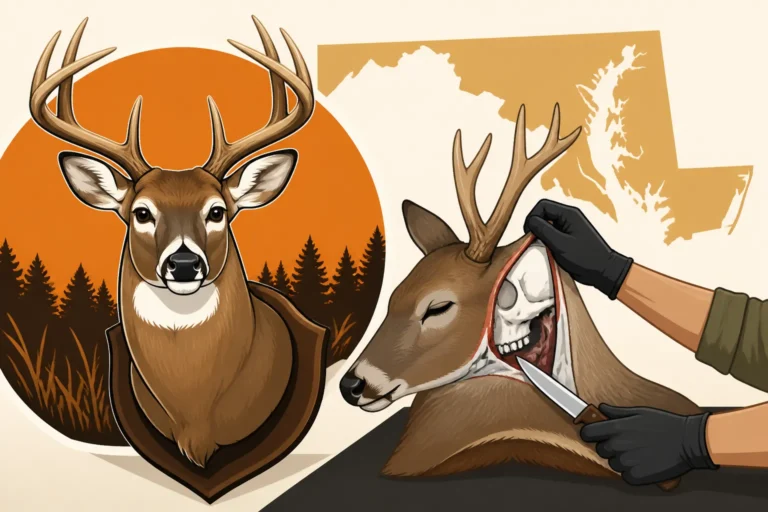
A taxidermy mount is far more than just a decorative piece; it’s a tangible representation of an unforgettable experience. Think about it: every time you walk past that shoulder mount, you're transported back to that crisp autumn morning or that chilly January afternoon. You remember the rustle of leaves, the quick glance through your binoculars, the rush of adrenaline, and the deep satisfaction of a clean shot. It’s a storyteller, a conversation starter, and a personal monument to your hunting journey. It captures the essence of the wild, bringing a piece of the Maryland backcountry right into your living room.
Beyond the personal connection, these mounts often become cherished family heirlooms. Imagine your grandchildren, years from now, looking up at that majestic buck and hearing the tales of your adventures. It sparks curiosity, teaches respect for wildlife, and passes down the rich tradition of hunting. It’s a way to keep those memories vibrant and alive, long after the season has ended and the details might start to fade. It grounds your story in something real and visually powerful.
When to Consider a Professional Mount
Deciding whether to get a professional mount often comes down to the significance of the harvest. Was it your first buck? The biggest deer you've ever taken? A unique sika stag with an impressive rack? Or perhaps a magnificent black bear from Western Maryland, a truly rare and coveted trophy? These are the moments that often warrant the investment in professional taxidermy. Not every animal needs to be mounted, but some simply demand that level of preservation.
It’s not just about the size of the animal, either. Sometimes, it’s the story behind it. Maybe it was an incredibly challenging hunt on public land where you finally broke through after years of trying. Or perhaps it was a hunt shared with a loved one, making the experience doubly special. A professional mount ensures that the animal is presented with the respect and artistry it deserves, far beyond what an amateur job could achieve. If you've been dreaming of that particular trophy, or if the hunt itself was truly exceptional, that's often your clearest sign.
Navigating the World of Maryland Taxidermists
Once you've decided to move forward with a mount, the next critical step is finding the right person to bring your vision to life. Maryland is home to many talented taxidermists, but like any craft, there's a wide range of skill and artistic ability. You're entrusting them with a precious memory, so doing your homework is essential. You want someone who understands the anatomy, the expression, and the unique characteristics of the animals found in our region.
Finding a Reputable Local Artist
Word of mouth is often the best way to start your search. Talk to other hunters in your area, especially those who have beautiful mounts displayed in their homes or hunting camps. Ask them about their experiences, who they recommend, and if they've had any issues with turnaround times or quality. Local sporting goods stores, hunting clubs, or even online Maryland hunting forums can also be excellent resources for recommendations. Don't be afraid to ask around – the hunting community is generally very willing to share their successes and lessons learned.
Once you have a few names, visit their shops or, if that's not possible, at least look at extensive portfolios of their work. Pay close attention to the details: the eyes, the ears, the muscle tone, and the overall pose and realism of their mounts. Are the eyes lifelike and properly set? Do the ears have a natural angle? Does the hair lay correctly? A good taxidermist will be proud to show off their best work, and you should be able to see consistent quality across a range of animals. They often display at local hunting expos or sportsmen shows, giving you a great opportunity to see their work firsthand and chat with them.
Key Questions to Ask Before Committing
Before you hand over your prized trophy, you need to have a thorough conversation with any potential taxidermist. This isn't just about price; it's about setting expectations and ensuring you're comfortable with their process. One of the first things to discuss is their typical turnaround time. A quality shoulder mount often takes many months, sometimes even a year or more, depending on the taxidermist's workload and the intricacies of the process. Understanding this upfront prevents frustration down the road. Some of the best artists have waiting lists, which is often a good sign of their reputation.
Next, inquire about their specific techniques for tanning and preservation. Do they use a reputable tannery, or do they handle tanning in-house? Proper tanning is crucial for the longevity and durability of your mount, preventing hair slippage and ensuring it lasts for decades. Also, ask what materials they use for the form and what options they offer for poses and habitat scenes. Will they send you progress photos or update you on the status? Discuss deposit requirements and payment schedules, as most taxidermists require a significant deposit upfront. Don't forget to confirm how they handle any potential damage or issues that might arise during the process. Transparency in these discussions is key to a smooth experience.
Understanding Shoulder Mount Costs in Maryland
Let's be real, investing in taxidermy isn't cheap, but it's an investment in a lifelong memory. The cost of a shoulder mount for a deer or sika stag in Maryland can vary significantly based on several factors, and it's essential to understand what influences these prices so you can budget accordingly and avoid surprises. Generally, you're paying for the artist's skill, their time, the quality of materials, and the sheer effort involved in transforming raw hide and bone into a lifelike representation.
Factors That Influence the Final Price Tag
The type of animal is a primary factor. A whitetail deer shoulder mount will generally have a different price point than a sika deer, which might be different from a black bear. Larger animals, with more hide to process and more complex forms, typically cost more. The pose you choose also impacts the price; a standard straight-forward pose might be less expensive than a dramatic semi-sneak or full sneak pose with the head turned sharply, which requires more artistic flair and customization. Habitat additions, like realistic rocks, branches, or vegetation that mimic Maryland's diverse landscapes, will also add to the cost, turning a simple mount into a dynamic scene.
Furthermore, the reputation and experience of the taxidermist play a huge role. Highly sought-after artists with years of experience and a track record of award-winning work will naturally command higher prices. They've honed their craft, understand every nuance of anatomy, and their finished products often stand out with exceptional realism and detail. Location can also be a minor factor; a taxidermist in a more rural area might have slightly different overheads than one operating closer to a major metropolitan center. Always remember, a cheaper price isn't always a better value if it compromises the quality of your cherished trophy.
Here's a general breakdown of factors influencing shoulder mount costs:
| Factor | Description | Impact on Cost |
|---|---|---|
| Animal Species | Whitetail, Sika, Black Bear, etc. (larger/rarer often cost more) | Moderate to High |
| Mount Size/Pose | Standard upright, semi-sneak, full sneak, head turned, open mouth, pedestal | Moderate (more complex poses cost more) |
| Artistry/Detail | Quality of eyes, ear setting, muscle definition, realism of expression | High (experienced artists command more) |
| Habitat Additions | Rocks, branches, leaves, custom bases, water effects | Significant (can add several hundred dollars) |
| Tanning Process | Commercial tannery quality, in-house capabilities | Included in base, but high-quality tanning is vital |
| Taxidermist's Reputation | Experience, awards, demand for their work | High (premium for top artists) |
| Turnaround Time | Rush jobs (if offered) can sometimes incur extra fees | Minor to Moderate |
| Repairs/Restorations | Damage to hide from field or previous poor care | Can be significant if extensive work is needed |
What the Cost Generally Includes (and Excludes)
When you receive a quote for a shoulder mount, it typically includes the basic processing, tanning of the hide, the form (mannequin), glass eyes, and the final assembly. This is for a standard pose with no additional habitat elements. Most taxidermists will assume you're bringing in a properly caped specimen, which brings us to an important point: field care. If your animal requires extensive repair due to poor field care, such as large cuts in the hide or freezer burn, be prepared for additional charges. This is why proper field preparation is so crucial – it directly impacts the final quality and cost of your mount.
What’s not always included? Any special base or habitat scene you might want. If you envision your buck emerging from realistic cattails or standing on a rocky outcrop, those custom elements will be an extra expense. Shipping, if you're out of the area, is also typically extra. Some taxidermists might offer an expedited service for an additional fee, but this is less common and should be discussed upfront. Always ask for a detailed breakdown of the quote, so you know exactly what you're paying for and what might constitute an add-on. Don't be shy about clarifying everything, as this protects both you and the artist.
The Taxidermy Journey: From Field Care to Final Display
The quality of your finished mount begins not in the taxidermist's shop, but right there in the field, moments after your successful harvest. Proper care of the animal's hide, head, and antlers is paramount. Neglecting these initial steps can lead to irreversible damage, affecting the realism and longevity of your trophy. Think of it as laying the foundation for a masterpiece – you wouldn't build a house on a shaky foundation, and the same principle applies to taxidermy.
Crucial Field Care for a Quality Mount
Your immediate actions after harvesting your animal are critical. For any shoulder mount, you'll need to "cape" the animal properly. This involves making specific cuts to separate the hide from the body, leaving plenty of extra hide around the shoulders and chest. Don't cut too far up the neck or too short behind the shoulders! When in doubt, always cut more hide than you think you'll need; the taxidermist can always trim excess, but they can't add what isn't there. If you're unsure how to cape, a quick search for videos or consulting with your taxidermist before you hunt can save you a lot of heartache. Many seasoned hunters know these steps, but it's especially vital for those Maryland Hunter Education Requirements courses to cover for newcomers.
Once caped, the hide needs to be cooled down as quickly as possible to prevent spoilage, especially if you're hunting during When Maryland's Archery Season Opens in September when temperatures can still be quite warm. Roll the hide with the flesh side in, and get it into a cooler with ice or into a freezer. If freezing, roll it tightly and put it in a heavy-duty garbage bag or two to prevent freezer burn. The sooner you get it to your taxidermist, or at least properly frozen, the better. A properly cared-for hide can wait in a freezer for months, but a spoiled hide is often beyond saving. Remember, a professional mount starts with professional field care.
The Tanning and Mounting Process Explained
Once your trophy arrives at the taxidermist, the real artistry begins. The first major step is the tanning process. The hide is meticulously fleshed, removing all remaining meat and fat, and then bathed in a series of chemical solutions that preserve the skin, making it supple and durable. This process prevents decomposition, hair slippage, and insect damage, ensuring your mount stands the test of time. This can be done by the taxidermist in-house or by a specialized commercial tannery. A well-tanned hide will feel soft and pliable, ready for the next stage.
Next, the taxidermist selects a form, or mannequin, that matches the size and conformation of your animal. These forms are typically made of polyurethane foam. They then meticulously fit the tanned hide over this form, carefully aligning the skin, tucking and sewing, and setting the glass eyes and artificial nose pads to create a lifelike expression. This is where the true artistic talent shines, as they manipulate the features to give the animal a natural, living appearance. They will sculpt and adjust until every detail, from the wrinkles around the eyes to the muscle definition, looks authentic. This stage is a delicate balance of science and art, where the animal is truly brought back to life.
Displaying and Caring for Your Finished Trophy
Once your mount is complete and you've picked it up, proper display and ongoing care are essential to ensure its longevity. Choose a location in your home that is out of direct sunlight, which can fade the hair and dry out the hide over time. Avoid placing it directly above heat sources like fireplaces or radiators, as excessive heat and fluctuating humidity can cause cracking or shrinkage. A stable, moderate environment is best. Consider where you might put that magnificent What a Maryland Sika Stag Weighs or Maryland's Top Typical and Nontypical Bucks to truly show it off.
Regular cleaning is also crucial. Dust can accumulate on the hair and features, dulling its appearance. Use a soft, dry cloth or a feather duster to gently wipe away dust. For more stubborn dust or to restore a bit of luster, a slightly damp cloth can be used very sparingly on the hair, always wiping in the direction of the hair growth. Never use harsh chemicals or abrasive cleaners. Periodically, you might want to very lightly mist the mount with a product specifically designed for taxidermy, which can help keep the hair supple and prevent dryness. With proper care, your mount will continue to tell its story for generations.
Beyond the Classic Shoulder Mount: Other Options
While the shoulder mount is perhaps the most iconic way to display a big game trophy, it's certainly not your only option. Depending on your preference, the space you have available, and even the animal itself, there are several other fantastic ways to preserve and showcase your harvest. Each method offers a different aesthetic and can highlight various aspects of your trophy.
European Mounts: A Rustic Alternative
For hunters who prefer a more minimalist or rustic look, a European mount is an excellent choice. This involves cleaning the skull completely, bleaching it white, and then mounting the antlers (or skull plate for bears) directly onto a plaque or stand. It's a clean, elegant way to showcase the natural beauty of the bone structure and antlers without the full taxidermy process. European mounts are typically much more affordable than shoulder mounts, take up less space, and have a quicker turnaround time.
Many hunters choose European mounts for smaller bucks, does, or as an alternative for a second trophy from the same season. They can be particularly striking when displayed in a group on a rustic barn board or as part of a gallery wall with other hunting memorabilia. You can even do European mounts for other species like black bears, showcasing the impressive skull. It's a timeless way to honor your harvest that fits well into almost any decor, from a cozy cabin to a modern home.
Pedestal Mounts and Full Body Displays
If you're looking for something with more presence than a shoulder mount but perhaps not a full-body mount, a pedestal mount offers a fantastic compromise. A pedestal mount typically features a shoulder mount elevated on a custom-built base or pedestal, which can be crafted from various materials like wood, stone, or even custom metalwork. This allows for more dynamic posing and often incorporates habitat elements, giving the mount a more sculptural feel. They are particularly popular for species like sika deer, where a traditional shoulder mount might feel too small, but a full body is too much.
Full body mounts, while the most expensive and space-intensive, are truly breathtaking. Imagine a Black Bears in Western Maryland mount standing majestically in your hunting lodge, or a sika stag posed as if it's whistling in the marsh grass. These require immense skill, specialized forms, and a significant investment, but they create an undeniable "wow" factor. They are typically reserved for exceptionally large or unique animals and require ample display space. These displays transform your trophy into a museum-quality piece, capturing the animal in a moment of life and movement.
Habitat Scenes and Customizations
One of the most exciting aspects of modern taxidermy is the ability to create incredibly lifelike habitat scenes. A skilled taxidermist can incorporate elements that mimic the natural environment where you harvested your animal. For example, a whitetail mount might be accented with native oak leaves and acorns, or a sika stag could be presented with marsh grass and muddy bank details, evoking the unique experience of Hunting Sika Deer in Maryland's Tidal Marshes. These details add depth, realism, and a powerful sense of narrative to your mount.
Beyond habitat, customizations can include shed antlers found on your property, a special broadhead, or even a replica of the terrain itself. Some taxidermists can even integrate small dioramas. The key is to discuss your vision with your taxidermist early in the process. They can advise on what is feasible, aesthetically pleasing, and within your budget. These customized touches transform a standard mount into a truly personal work of art, telling the full story of your hunt and honoring the specific place and time where that memory was made. Whether you're planning your next adventure with resources like GoHunt or considering a guided trip through BookYourHunt, always keep in mind the potential for a trophy and how you might want to commemorate it.
Making the Most of Your Investment
A taxidermy mount is a significant investment, both financially and emotionally. It's a piece of art that embodies a cherished memory, and protecting that investment means understanding how to care for it properly and what to expect from your taxidermist. You want to ensure that the piece you bring home will last a lifetime, continuing to tell its story for generations to come.
Communicating Effectively with Your Taxidermist
Clear and open communication is absolutely paramount throughout the entire taxidermy process. From the moment you drop off your animal, clearly articulate your vision: what kind of mount you envision, what pose you prefer, and any specific details that are important to you. If you have photos of the animal when it was alive, or images of other mounts you admire, share them. A good taxidermist will appreciate your input and use it to guide their artistry. Don't assume they can read your mind; be proactive in expressing your desires.
During the waiting period, don't be afraid to check in periodically for updates. While you shouldn't call every week, a polite email or call every few months to inquire about the progress is perfectly acceptable. This keeps the lines of communication open and allows you to address any questions or concerns that may arise. Remember, they are crafting a custom piece for you, and a collaborative approach ensures the best possible outcome. This is especially true if you are combining your hunt with other activities in Maryland, such as exploring Public Hunting Land in Maryland, and need to coordinate your pick-up around your travel plans.
Ensuring Longevity Through Proper Care
As we touched on earlier, once your mount is home, its long-term health is in your hands. Beyond dusting and avoiding direct sunlight and heat, consider the humidity in your home. Extremely dry environments can cause hide shrinkage and cracking, while excessively humid conditions can encourage mold growth. If your home experiences significant fluctuations, a humidifier or dehumidifier can help maintain a more stable environment.
Another often-overlooked aspect is pest control. Moths, carpet beetles, and other insects can be devastating to taxidermy. Regularly inspect your mount for any signs of insect activity, such as small holes, shedding hairs, or tiny larvae. If you notice anything, consult your taxidermist immediately for advice on treatment. Some taxidermists even recommend periodic professional cleaning and treatment. By taking these proactive steps, you are actively safeguarding your investment and ensuring that your Maryland trophy remains a beautiful and vibrant centerpiece for decades.
Disclaimer
This article is for general informational purposes only and does not constitute professional advice. Laws, prices and regulations vary by location and change over time. Consult a qualified professional for guidance on your specific situation.