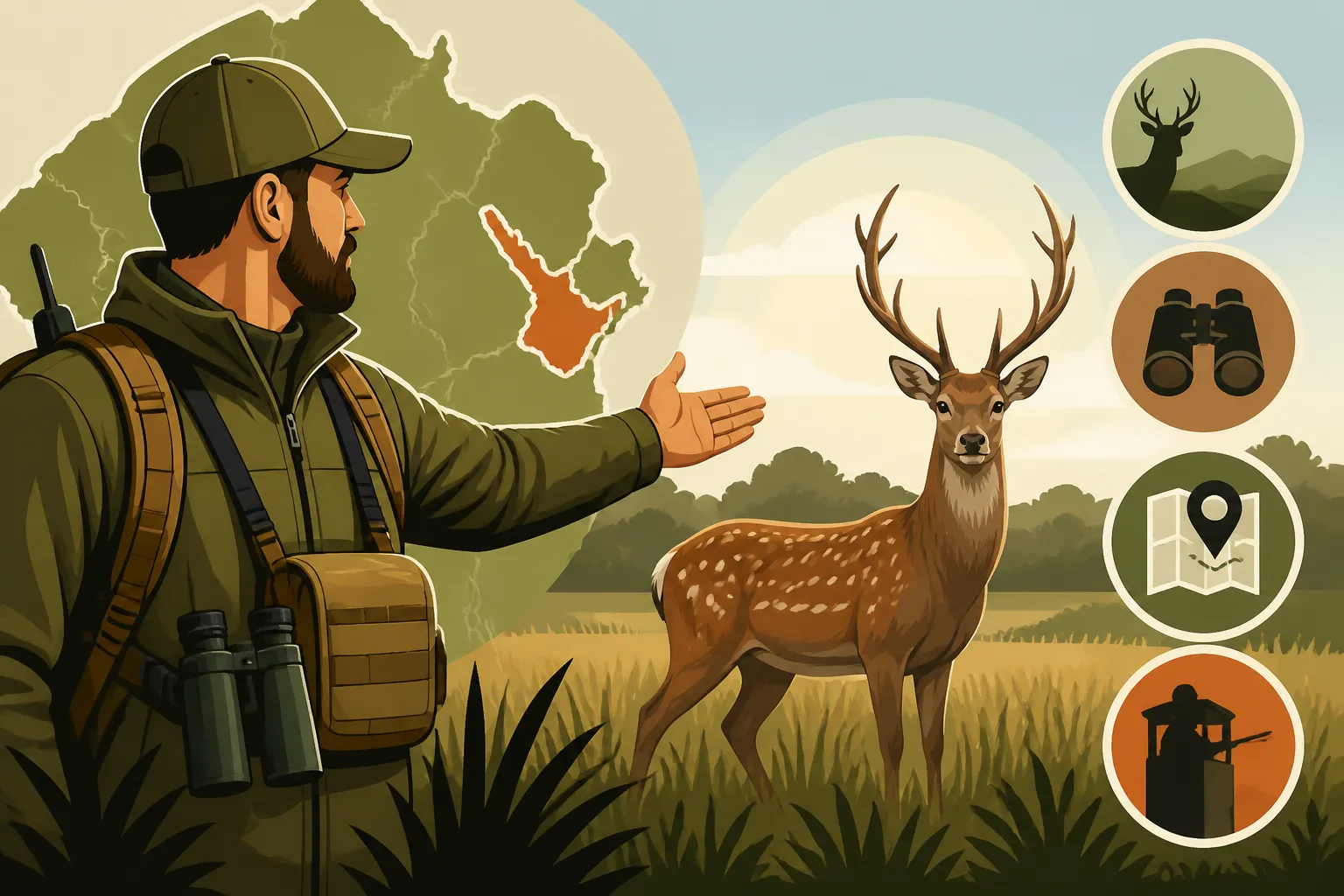
What a Dorchester County Sika Guide Provides
Hunting Sika deer in the dense, often unforgiving marshes and loblolly pine thickets of Dorchester County can be an incredibly rewarding experience, but it's also fraught with unique challenges that can quickly turn a dream hunt into a frustrating ordeal. The tidal changes, the impenetrable phragmites, the vastness of the public lands, and the elusive nature of these small, vocal deer often leave even seasoned hunters feeling overwhelmed. This guide is here to shed light on exactly what a Dorchester County Sika guide provides, helping you understand how their specialized knowledge and services can transform your hunt from a hopeful venture into a successful and enjoyable adventure.
Navigating the Unique Challenges of Dorchester County Sika Habitat
Dorchester County is practically synonymous with Sika deer hunting, thanks to its extensive tidal marshlands and dense, often impenetrable, vegetation. This isn't your typical whitetail woods; it's a landscape that demands specialized knowledge and equipment. A good Sika guide in this region doesn't just know where the deer are; they understand the intricate dance between the land and the water, and how Sika react to it.
Expertise in Tidal Marsh Dynamics
One of the biggest hurdles for any hunter new to Dorchester County is the relentless influence of the tides. What might be dry, walkable ground at low tide can become a chest-wading or even boat-only endeavor just a few hours later. Sika deer movements are heavily dictated by these tidal fluctuations, often using the high tide to access new feeding areas or bedding down in higher pockets when the water pushes them out of the lower marsh. A guide provides crucial insight into these dynamics. They've spent countless hours observing How Tides Move Marsh Game Around and predicting Sika behavior based on the tide chart. They know which guts will fill up first, which islands become accessible, and where the Sika will be pushed as the water rises or falls. This isn't something you can learn from a map; it comes from years of hands-on experience in these unique environments.
Think about trying to navigate a vast marsh like Fishing Bay or Deal Island for the first time. Without local knowledge, you could easily find yourself wading through waist-deep water where you expected dry ground, or worse, getting stuck in thick mud. A guide eliminates this guesswork, ensuring your ingress and egress are safe and strategic. They'll tell you the best time to be in a certain area, when to move to higher ground, and how to use the water to your advantage, whether for a quiet boat approach or to block off escape routes for a stag. Their understanding of these daily rhythms is invaluable, essentially turning a potential hazard into a tactical advantage for your hunt.
Understanding Dense Phragmites and Loblolly Pine Cover
The other defining characteristic of Dorchester County's Sika habitat is its incredibly dense cover. Acres upon acres of towering phragmites reeds, often mixed with thick loblolly pine edges and pockets of dense scrub, provide perfect sanctuary for Sika deer. These areas can be nearly impossible to penetrate quietly or effectively if you don't know the subtle trails and natural openings. Guides know these areas like the back of their hand. They've spent years How Sika Deer Use Phragmites for Cover, understanding where the deer bed, feed, and travel within these vegetative fortresses.
Imagine trying to still-hunt through a vast sea of phragmites that's taller than your head and so dense you can barely see five yards in any direction. Without a guide, you'd likely make a tremendous amount of noise, bump every deer in the county, and exhaust yourself for little reward. A Sika guide, however, knows the faint deer trails, the slight changes in elevation that make movement easier, and the small, often hidden, openings or ditches that allow for quiet navigation and strategic stand placement. They can guide you through what seems like an impenetrable jungle, putting you in a position to see deer that a solo hunter would undoubtedly miss. Their knowledge of these specific travel corridors and bedding areas, often hidden to the untrained eye, is a game-changer for encountering these notoriously wary animals.
Expert Knowledge and Strategies for Sika Deer
Beyond just navigating the terrain, a top-notch Dorchester County Sika guide brings a wealth of specialized knowledge about the Sika deer themselves. From understanding their unique vocalizations to anticipating their movements during the rut, their expertise is crucial for a successful hunt.
Deciphering Sika Vocalizations and Calling Strategies
Unlike whitetails, Sika deer are incredibly vocal, especially during the rut. Their distinctive "whistle" is legendary, and learning to interpret and mimic it is an art form. This isn't just about blowing a call; it's about understanding the nuances of different whistles – a challenge, a plea, a warning – and knowing when and how to respond. A Sika guide has mastered this language. They've spent countless seasons Calling Sika Stags During the September Whistle, learning the subtle variations and what they mean. They know when to hit a sharp, aggressive whistle to challenge a stag, when to use a softer, more inquisitive call, and critically, when to stay silent.
Picture this: you're sitting in a stand on a chilly October morning, and suddenly, a sharp whistle echoes through the marsh. Do you respond immediately? Do you wait? What kind of call do you make? Without a guide, it's a guessing game. With a guide by your side, they'll interpret the call, assess the situation, and instruct you on the perfect response, or make it themselves. They might use a series of short, sharp whistles to provoke a curious stag into showing itself, or a drawn-out, challenging bugle to bring an aggressive bull storming in. Their ability to speak the Sika language can dramatically increase your chances of luring a wary stag into shooting range. Many hunters looking for a guided experience will often start their search on platforms like BookYourHunt, specifically looking for guides who highlight their expertise in Sika calling.
Understanding Sika Movement and Behavior Patterns
Sika deer are creatures of habit, but their habits are often subtle and tied closely to their unique environment. A guide possesses an intimate understanding of What Sika Deer Eat in a Tidal Marsh and how that influences their daily movements. They know where the prime feeding grounds are, which trails lead to water sources, and where the deer prefer to bed down during different times of the day or phases of the season. This local knowledge allows them to predict Sika movements with remarkable accuracy.
Consider trying to pattern Sika on your own. You might find a few tracks, but interpreting their significance in such a vast and complex landscape is incredibly difficult. A guide, having observed these animals for years, can quickly Reading a Marsh Trail for Sika Sign. They can tell fresh tracks from old, discern the difference between a casual browse and a heavily used travel corridor, and pinpoint exactly where deer are transitioning between bedding and feeding. They know when the Sika will be most active, often aligning your hunt times with peak movement periods, which can be critical given their largely crepuscular habits. This nuanced understanding of Sika behavior, developed over seasons of observation, is a key component of what a guide brings to your hunt.
Essential Gear and Logistical Support on a Sika Hunt
Hunting Sika in Dorchester County requires more than just a rifle or bow; it often demands specialized equipment and extensive logistical planning. A reputable Sika guide takes care of these details, ensuring you have the right tools and support for a safe and effective hunt.
Transportation and Access to Prime Hunting Grounds
One of the most significant provisions a Dorchester County Sika guide offers is specialized transportation into the marsh. Many of the best Sika hunting spots are inaccessible by vehicle, requiring boats, ATVs, or even specialized wading techniques. Navigating these waterways, particularly at low light or during fluctuating tides, demands experience and proper gear. Guides often utilize shallow-draft boats, airboats, or even specialized marsh buggies to get you deep into areas that would be impossible to reach on your own. Boating Into a Sika Marsh at Low Tide is a skill, not just an action, and a good guide masters it.
Imagine trying to launch your own small boat into an unfamiliar tidal creek before dawn, navigating winding guts, submerged obstacles, and shifting mud flats. It's a recipe for disaster for the unprepared. Your guide, however, knows these channels intimately. They'll safely transport you and your gear to strategic locations, often before daylight, giving you a quiet entry and a critical advantage. This also means you don't have to worry about the wear and tear on your personal vehicle or boat, nor the stress of navigating treacherous terrain. For those looking for seamless access, tools like GoHunt can sometimes list outfitters who specialize in particular types of transportation, making it easier to find what you need.
Provision of Blinds, Stands, and Decoys
Once in the marsh, having the right setup is crucial. Sika deer are incredibly wary, and proper concealment is paramount. Many guides provide and set up comfortable, camouflaged ground blinds or portable treestands in known Sika travel corridors or feeding areas. They often have multiple setups strategically placed based on wind direction, recent sign, and expected deer movement. For marsh hunting, they might even construct temporary natural blinds integrated into the phragmites.
Consider trying to scout, transport, and set up your own blind or stand in a remote marsh environment. It's a huge undertaking, especially if you're unfamiliar with the area. A guide eliminates this effort. They will have done the legwork, scouting the area, identifying key ambush points, and having the setup ready for you. They might even use Sika decoys in specific scenarios, though less common than for waterfowl, to pique the curiosity of a rutting stag. Their expertise ensures you're hidden effectively and positioned optimally for a shot, saving you valuable hunting time and energy that would otherwise be spent on preparation.
Essential Gear for Marsh Survival and Comfort
The marsh environment can be brutal. Cold, wet, muddy conditions are common, and having the right gear for comfort and safety is non-negotiable. While you're expected to bring your personal hunting clothes and weapon, a good Sika guide often provides supplemental gear that is critical for the conditions. This might include extra personal flotation devices (PFDs) for boat travel, dry bags for electronics, or even advice on the best type of footwear. For instance, knowing whether to choose Hip Boots Versus Chest Waders in Sika Country can make or break your comfort level and ability to navigate.
Beyond comfort, guides are equipped for unforeseen circumstances. They carry first-aid kits, communication devices that work in remote areas, and emergency supplies. Their experience in the harsh environment means they anticipate problems and come prepared. This ensures that while you're focused on the hunt, the essential safety and comfort aspects are being managed by a professional who knows the potential pitfalls of the Dorchester County marsh.
Post-Harvest Services and Local Insights
The hunt doesn't end when you pull the trigger. Recovering, processing, and registering your Sika deer are all crucial steps, and a Dorchester County Sika guide provides invaluable assistance with these tasks, along with broader local knowledge.
Deer Recovery and Field Dressing Assistance
Sika deer, though smaller than whitetails, can be notoriously difficult to recover, especially in the thick cover of the marsh. Their small size means a blood trail can be sparse, and the dense phragmites or muddy terrain can quickly obscure any sign. A guide's expertise in Tracking a Sika Stag Into Thick Marsh Grass is often the difference between finding your animal and losing it. They know how to pick up faint trails, understand Sika behavior when wounded, and have the tools and experience to navigate the difficult terrain for recovery.
After a successful recovery, field dressing is another critical step, especially in warm early-season weather. A guide will assist you with this, making sure the animal is properly gutted to begin the cooling process quickly. They'll have the necessary knives, gloves, and knowledge to efficiently prepare the animal for transport, protecting the quality of the venison. This kind of hands-on support means you don't have to struggle with the physical demands of processing a deer in a challenging environment on your own.
Transportation of Harvested Game and Registration Guidance
Once field dressed, getting your Sika stag out of the marsh can be another significant logistical challenge. A guide's specialized equipment, whether a boat, ATV, or even a game cart designed for marsh terrain, is essential for extracting the animal efficiently and cleanly. They'll ensure your hard-earned trophy makes it back to the vehicle safely.
Moreover, Maryland has specific requirements for registering harvested deer, including deadlines and methods. Many guides, especially those frequently hosting out-of-state hunters, are well-versed in these rules. They can provide clear instructions on The Maryland Deer Registration Deadline After a Kill or even assist you with the registration process itself, making sure all legal obligations are met. For hunters new to Maryland, this guidance is incredibly helpful, as navigating unfamiliar regulations can be confusing and stressful. Some outfitters will even manage the entire process for you, handling everything from registration to transport to a local processor, offering a truly seamless experience.
Local Recommendations for Processing, Taxidermy, and Lodging
Beyond the hunt itself, a Dorchester County Sika guide is a fantastic resource for all things local. They can recommend reputable local deer processors or butchers who know how to handle What Sika Venison Tastes Like and can prepare it to your specifications. If you've taken a trophy stag, they'll know the best local taxidermists, like those who specialize in Getting a Sika Stag Mounted, and can even assist with caping the animal properly for the taxidermist.
Furthermore, guides often have extensive knowledge of local accommodations, from rustic hunting lodges to comfortable hotels, helping you find a place to stay that fits your budget and needs. They can suggest local eateries, supply stores, and other services that enhance your overall trip experience. This local network and insight ensure that your entire hunting adventure, from arrival to departure, is as smooth and enjoyable as possible, providing a level of comprehensive support that goes far beyond just leading you to a deer.
What a Dorchester County Sika Guide Provides
| Service Aspect | Description | Benefit to Hunter |
|---|---|---|
| Habitat Navigation | Expert knowledge of tidal changes, marsh guts, and safe passage through dense phragmites. | Safe, efficient access to prime hunting zones; avoids getting lost or stuck. |
| Sika Expertise | Understanding of Sika vocalizations, calling techniques, and behavior patterns. | Increased success rates through effective calling and strategic positioning. |
| Gear & Transportation | Specialized boats/vehicles for marsh access; provided blinds/stands, and essential safety equipment. | Access to remote areas; optimal concealment; reduced personal gear burden and risk. |
| Post-Harvest Support | Assistance with deer recovery, field dressing, and transport out of the marsh. | Ensures successful recovery of game; maintains venison quality; eases physical burden. |
| Local Knowledge | Guidance on registration, recommendations for processors, taxidermists, and local amenities. | Hassle-free compliance with regulations; convenient access to vital post-hunt services. |
Disclaimer
This article is for general informational purposes only and does not constitute professional advice. Laws, prices and regulations vary by location and change over time. Consult a qualified professional for guidance on your specific situation.