Booking Around the January Firearms Reopening
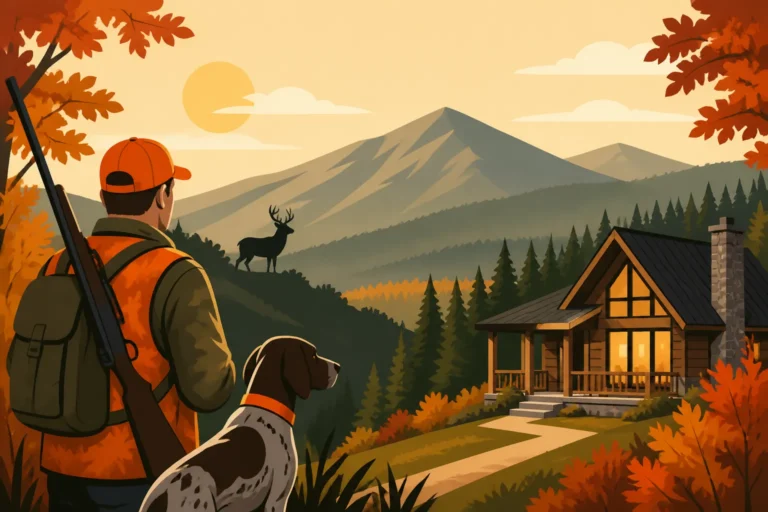
The chill of January in Maryland can feel like the final gasp of deer season, and for many hunters, it marks a tough transition. Deer are weary from months of pressure, food sources are dwindling, and the weather can be downright brutal. But for those who embrace the challenge, Maryland's January firearms reopening offers a unique, albeit short, opportunity to fill tags and extend the season. This guide will walk you through what to expect and how to approach hunting during this often-overlooked late-season window, whether you're going it alone or considering a guided experience.
Understanding Maryland's January Firearms Reopening
Maryland's hunting regulations can feel like a tangled web, and the January firearms reopening is one of those specific windows that can confuse folks. After the main firearms season closes, there’s a brief, often frigid, period in January where firearms are once again legal for deer hunting. It’s a chance to get back out there with your rifle, shotgun, or muzzleloader after the primary rush of December.
What is the January Reopening and Where Does it Apply?
The January firearms reopening is typically a specific stretch of days in the early part of the new year, allowing hunters to use firearms (including shotguns, rifles where permitted, and muzzleloaders) for deer. This period is specifically designed to target antlerless deer, but depending on the county and region, antlered deer may also be legal game, often with a specific bag limit or antler restriction in mind. It's crucial to consult the most current Maryland Hunting Guide for exact dates and county-specific rules each year, as they can sometimes shift slightly. For instance, counties like those in Western Maryland, which fall under Region A, might have different regulations than the Eastern Shore or Southern Maryland, which are largely in Region B. Knowing which region you're hunting in is paramount, especially concerning antlerless deer quotas; you'll want to review How Many Antlerless Deer Region B Allows for comparison.
Why This Season is Both a Challenge and an Opportunity
On one hand, hunting in January can be brutal. The cold bites, snow and ice can make access difficult, and deer are highly educated. They’ve been pressured for months by bowhunters, muzzleloader hunters, and firearms hunters. Their patterns are tight, driven primarily by survival – finding food and staying hidden. This makes for a challenging hunt where stealth and patience are more important than ever. On the other hand, this late season presents a real opportunity. Many hunters have packed it in, meaning less pressure on public lands or easily accessible private parcels. Deer, desperate for calories, often become more predictable, concentrating around specific, high-energy food sources. If you can withstand the elements and put in the work, you might find some of the best hunting of the year, especially for filling those valuable antlerless tags. It's also often a great time to target a wary buck that has successfully dodged hunters all season but is now feeling the hunger pains of winter.
Challenges and Opportunities of Late-Season Hunting
Hunting in January isn't just "more of the same" as hunting in October or November. The entire landscape, and the deer in it, have changed dramatically. Understanding these shifts is key to success.
Deer Behavior Shifts in Cold Weather
By January, the whitetail rut is a distant memory, and Sika stags have long since finished their whistle. Deer are no longer focused on breeding; their sole purpose is survival. This means their movement patterns become incredibly efficient and geared towards conserving energy. They'll spend more time bedded down in thick cover, moving only during the warmest parts of the day or when absolutely necessary to feed. You'll find them congregating in areas with thermal cover – thick pines, brushy clear-cuts, or dense marsh phragmites – that offer protection from the biting winds and cold. Their food choices narrow dramatically, too. While acorns might have been king in the fall, by January, they’re often long gone. Deer will shift to available browse, any remaining standing crops like corn or soybeans, or even evergreen privet hedges near suburban areas. Understanding Late Season Food Sources for Maryland Deer is critical for finding where deer will be.
The Impact of Winter Weather on Deer and Hunters
Maryland winters can range from mild and rainy to deep freezes with significant snowfall. Each weather pattern presents its own set of challenges and opportunities. A heavy snow can make tracking deer incredibly easy, essentially giving you a visual breadcrumb trail right to their bedding areas. However, deep snow also makes it harder for deer to move, causing them to hole up more, and it makes it harder for hunters to move silently. Icy conditions are treacherous for both deer and humans. Extreme cold pushes deer to seek thermal cover, often restricting their movement to brief feeding forays. For hunters, it means dressing in layers, being mindful of hypothermia, and ensuring your equipment functions in sub-zero temperatures. Being prepared for the elements is not just about comfort; it's about safety and effectiveness.
Hunting Pressure and Finding Less-Pressured Areas
By January, many hunters have either filled their tags or hung up their gear for the season, especially after the main firearms push. This can lead to a decrease in hunting pressure on many properties, both public and private. For the dedicated hunter, this means opportunities to access areas that might have been too crowded earlier in the season. However, deer are still wary. They've been educated by months of encounters. On public lands, popular spots will still see some activity, but those willing to walk further, deeper, or into areas with less obvious access might find untouched pockets. For private land, the January reopening can be a fantastic time to knock on doors. Landowners who might have been overwhelmed with requests in the fall may be more receptive to a responsible hunter looking to help with deer management in the late season. It's about finding those overlooked opportunities where deer can finally relax a bit, even if it's only for a moment.
Strategies for DIY Hunters in January
Going it alone in January requires extra dedication and preparation, but the rewards can be immense. It's a true test of a hunter's skills, knowledge, and perseverance.
Scouting for Key Winter Food Sources
Forget those lush green food plots of early season; by January, deer are desperate for calories, and they'll seek out the densest energy sources available. This means rethinking your scouting approach. Look for unharvested fields of corn or soybeans, which offer both food and crucial cover. Areas with heavy browse, like young clear-cuts, thickets, or pine plantations, become deer magnets as other food diminishes. Even seemingly barren oak ridges might hold hidden pockets of leftover acorns under a blanket of leaves or snow. It's a game of finding the needles in the haystack. Pay close attention to south-facing slopes, as they receive more sunlight, melt snow faster, and can produce earlier browse. When you find these areas, look for fresh tracks and droppings. Deer movement will be concentrated around these food sources, often just after first light or just before dark. Hunting a Standing Corn Field Edge for Deer and Working a Fencerow for Late Season Deer can offer insights into specific tactics for these types of terrain.
Essential Gear and Preparation for Winter Hunting
January hunting demands meticulous gear preparation. Layers are your best friend – think moisture-wicking base layers, insulating mid-layers, and a waterproof, windproof outer shell. Hand warmers, insulated boots, and a warm hat are non-negotiables. A quality pair of binoculars will help you pick apart distant cover from your stand, minimizing movement. If snow is on the ground, a keen eye for tracks becomes invaluable for Blood Trailing in Marsh Grass After Dark or any other terrain. Consider packing a small, lightweight backpacking stove to heat up water for a warm drink or soup; it can be a real morale booster when the temperature drops. Don't forget an emergency kit, including a whistle, fire starter, first-aid supplies, and extra high-energy snacks. The last thing you want is to be caught unprepared in harsh winter conditions. Your weapon also needs attention; ensure it's sighted in and functioning perfectly, as cold can affect performance.
Accessing Private Land in the Late Season
While public lands can be good, private land often holds less pressured deer and offers more consistent opportunities, especially in the late season. Many landowners might have a few deer left they want harvested to meet agricultural damage permits or simply to manage their herd. The January reopening is often a quieter time, and a polite, well-prepared hunter has a better chance of gaining permission. Dress respectfully, have a clean vehicle, and bring a map of their property, clearly marking the areas you'd like to hunt. Offer to share venison, help with other tasks around the farm, or simply offer to help with herd management. Emphasize that you're focused on antlerless harvest if that's their primary concern. This can be a perfect time to build relationships that last beyond a single season. Remember, obtaining Getting Private Land Permission in Maryland is about demonstrating respect and responsibility.
Booking a Guided Hunt for the January Reopening
If the thought of battling the elements and scouting frozen fields on your own feels daunting, or if you simply want to maximize your chances during this brief season, a guided hunt can be an excellent option.
Why a Guide Can Be a Game-Changer in January
A seasoned Maryland guide who specializes in late-season deer hunting brings a wealth of advantages. They often have access to prime private land that receives little pressure, or they know the subtle nuances of specific public land parcels that hold deer when others don't. Their knowledge of late-season deer behavior, combined with years of experience reading sign in the coldest conditions, can drastically shorten your learning curve. Guides also typically provide heated blinds or stands, ensuring you can stay out longer and remain comfortable, which is a huge factor in January. They handle the scouting, often have food plots tailored for winter, and can even assist with tracking and recovery, which can be particularly challenging in snow or ice. For someone traveling from out of state or new to Maryland's specific hunting conditions, a guide is invaluable.
Finding the Right Outfitter and What to Ask
Not all guides are created equal, and finding one who truly understands Maryland's January firearms reopening is key. Start your search by using platforms designed to connect hunters with reputable outfitters. Sites like BookYourHunt and GoHunt are excellent resources where you can browse options, read reviews, and often filter by specific species, season, and location. When you contact potential outfitters, don't be shy about asking detailed questions:
- What is their success rate specifically for the January reopening?
- What kind of terrain will you be hunting (fields, woods, marshes)?
- What types of stands or blinds do they use (heated box blinds, ground blinds, treestands)?
- What is the typical group size and hunter-to-guide ratio?
- Do they focus on antlerless or antlered deer during this specific season?
- What is included in the price (meals, lodging, transportation from lodging to hunt site)?
- What is their policy for deer recovery in challenging conditions?
- Can they provide references from past January hunters?
Always verify that the guide and outfitter are properly licensed in Maryland. A reputable outfitter will be transparent about their operations and happy to answer all your questions. Understanding what a Maryland guided deer hunt costs will help set your expectations for pricing and what’s included.
What to Expect on a Guided January Hunt
A guided January hunt will likely involve early mornings, perhaps even before first light, to get you into a heated blind or a carefully placed stand overlooking a prime food source or heavy cover. Expect to sit for long periods, as deer movement will be more limited. Your guide will have scouted recent deer movement and will place you in the best possible location. You might spend the mid-day hours warming up in a lodge or driving around glassing for deer on private farms. When a shot is taken, the guide will assist with tracking, field dressing, and often transporting the deer out of the field. Many outfitters have arrangements with local meat processors, which can be a huge convenience after a successful hunt. If you're successful, remember that tipping your guide for their hard work is customary; information on How Much to Tip a Big Game Guide can help you plan for this. They're out there enduring the cold right alongside you, putting in the effort to make your hunt a success.
Maximizing Your Success During the January Reopening
Even with the best planning, late-season hunting demands a focused approach to truly succeed. It's about precision and patience.
Focusing on Antlerless Deer
While the dream of a late-season trophy buck is always alive, the January firearms reopening is often best approached with an antlerless focus. Many areas in Maryland, especially Region B, have generous antlerless bag limits, and harvesting does is crucial for herd management. These hunts provide excellent opportunities to fill your freezer with venison and help balance the deer population. Deer numbers can be very high in certain agricultural areas or suburban zones, and landowners are often looking for hunters to assist in reducing crop damage or overbrowsing. Don't underestimate the satisfaction of a successful doe hunt; they often require just as much skill and stealth as a buck.
Strategies for Post-Rut Bucks
By January, any bucks still carrying antlers are often weary, recovering from the grueling rut. They've lost significant body weight and are desperate to replenish their reserves. This means they'll be found in the same places as the does – near the best food sources and in the densest thermal cover. Look for isolated pockets of thick cover adjacent to prime feeding areas. An older buck might separate himself from the does, but his priorities are identical: food, cover, and rest. While rattling antlers or grunting might have worked in November, they're far less effective now. Focus on still-hunting slowly and meticulously through thick bedding areas or setting up on a well-used travel corridor between bedding and food. Their movements will be subtle and often occur during the very lowest light conditions. Hunting the Rut in Early to Mid November is a different animal than January, requiring a complete shift in tactics.
Tracking and Recovery in Challenging Conditions
One of the most critical skills in late-season hunting is proficient tracking and recovery. Whether there's snow, ice, or just frozen ground, trailing a deer can be difficult. Fresh snow offers the best opportunity for tracking, allowing you to follow a blood trail and discern direction from tracks. If there's no snow, a keen eye for disturbed leaves, broken twigs, and faint blood specs is paramount. Always give a deer enough time, especially if it's hit marginally, as cold weather can cause blood trails to clot faster. Marking the last known blood or sign with flagging tape is essential. If you lose the trail, spread out and search in ever-widening circles. Consider having a high-powered flashlight or headlamp with you, as recovery efforts might extend into the dark. If you're on a guided hunt, your guide will typically lead this effort, but it's always good to be prepared. For marsh hunts, recovering a deer can be even more complicated; Recovering a Deer From a Tidal Marsh gives specific tips for that unique environment.
Comparative Table: DIY vs. Guided January Reopening Hunts
| Feature | DIY January Reopening Hunt | Guided January Reopening Hunt |
|---|---|---|
| Access | Public land, self-secured private land permission | Prime private land, often with long-term leases |
| Scouting | Requires extensive personal pre-season and in-season effort | Done by experienced guides with up-to-date intel |
| Comfort/Shelter | Personal gear, often basic treestands or ground blinds | Often heated box blinds, comfortable stands, lodge access |
| Deer Knowledge | Relies on personal experience and research | Benefits from guide's local expertise and specific patterns |
| Success Rate | Highly variable, depends on skill, effort, and luck | Generally higher due to access, knowledge, and equipment |
| Gear Provided | Minimal, entirely hunter's responsibility | Some equipment (e.g., blinds, transportation to stand) |
| Tracking/Recovery | Hunter's responsibility, potentially challenging | Guide assists or leads, often with specialized tools |
| Cost | Licenses, tags, fuel, gear, food | Package price (includes guide fee, potentially lodging/food) |
| Flexibility | High, choose your own hours and locations | Limited by guide's schedule and designated hunting areas |
| Overall Experience | More independent, rugged, personal challenge | More supportive, convenient, higher chance of harvest |
Disclaimer
This article is for general informational purposes only and does not constitute professional advice. Laws, prices and regulations vary by location and change over time. Consult a qualified professional for guidance on your specific situation.